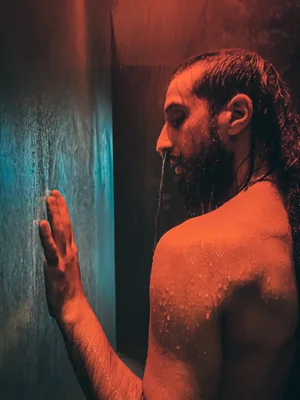
From January 30 to May 24, 2026, Paris hosted Global Warning, a retrospective exhibition on photographer Martin Parr, who died recently in December 2025. For the walls of the exhibition, the photographer had chosen to use "bubblegum pink": a colour that recalls loud bikinis, bottles of smuggled perfume, boxes of sugary food and nappies; the colour of excess and consumerism par excellence. It's a detail that tells the themes of Parr's photography better than words ever could: human appetites and contradictions, consumerism as a mirror of an era.
Parr felt the responsibility, as a documentary photographer, to reflect the times he lived in, and his archive gathers 50 years of effort to tell, to those who come after, through images, the era he lived through and his personal relationship with it.
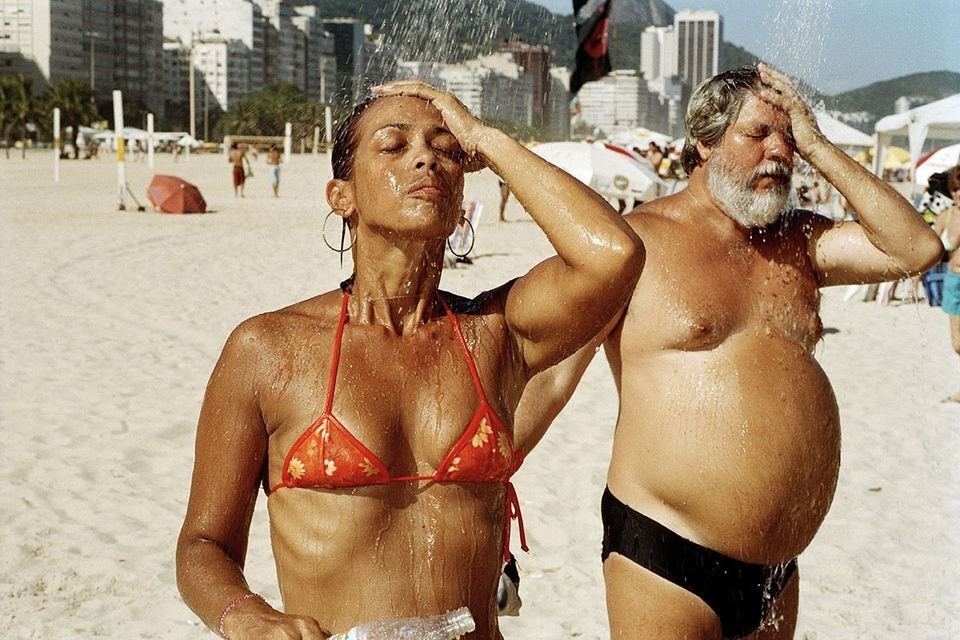
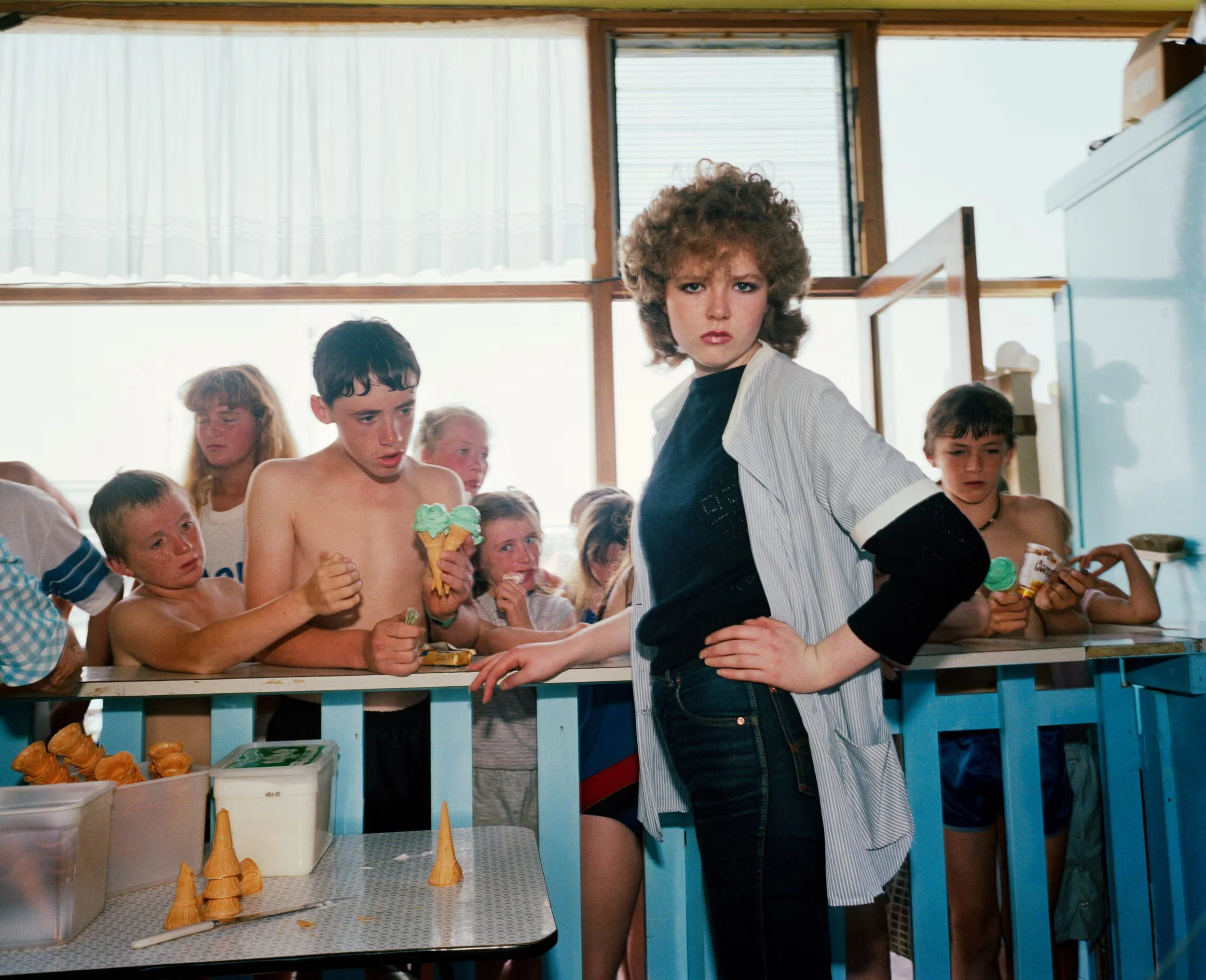
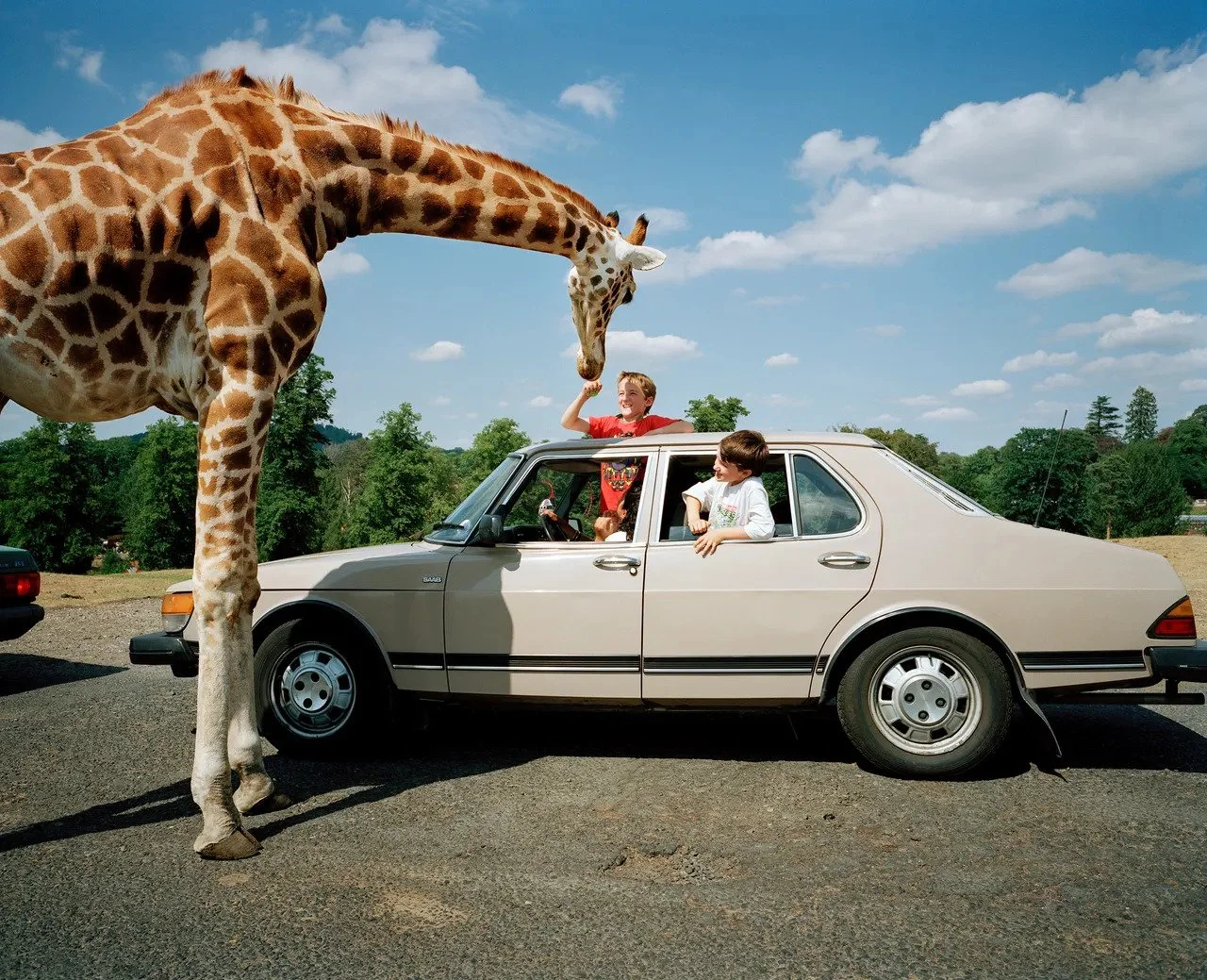

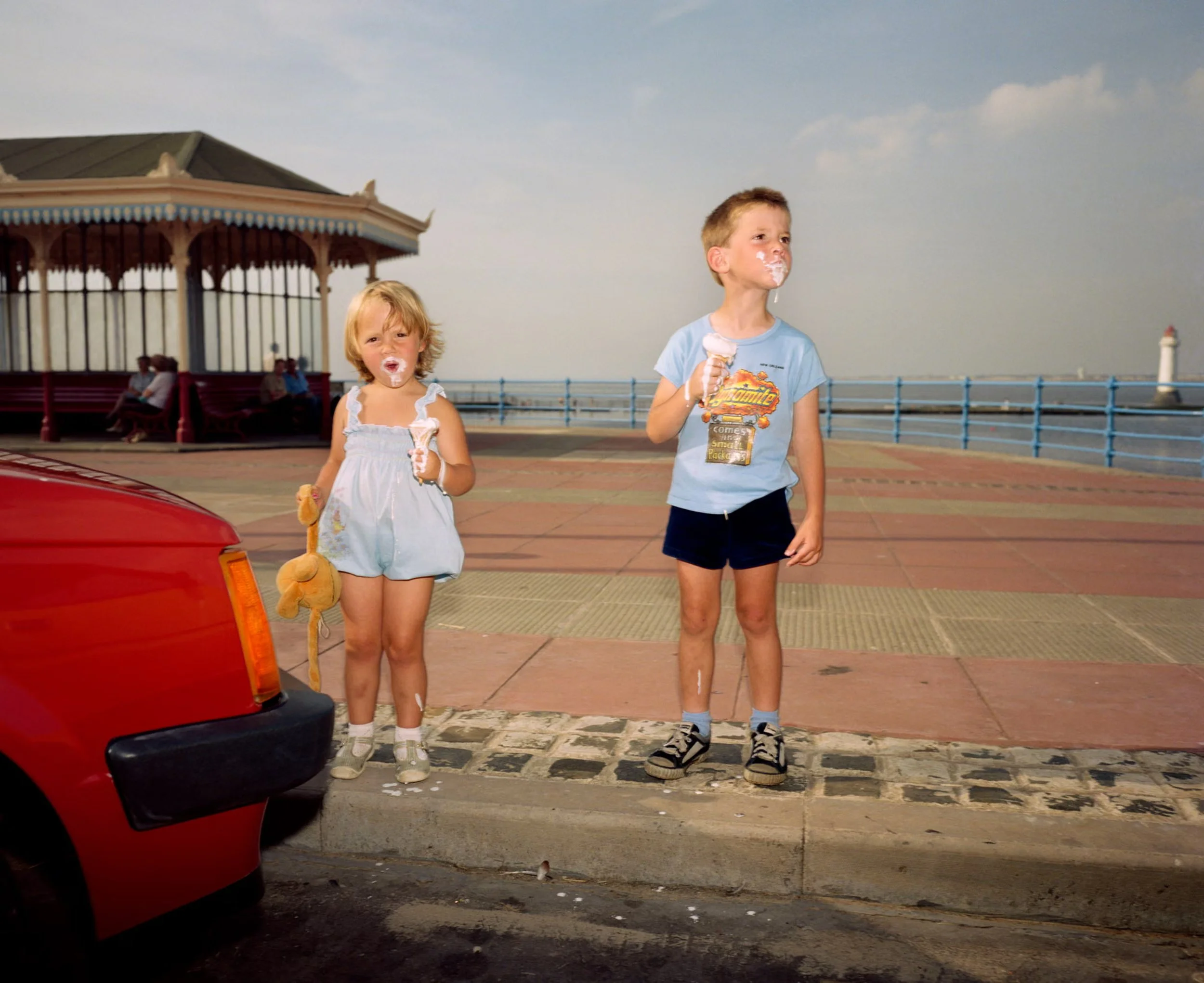
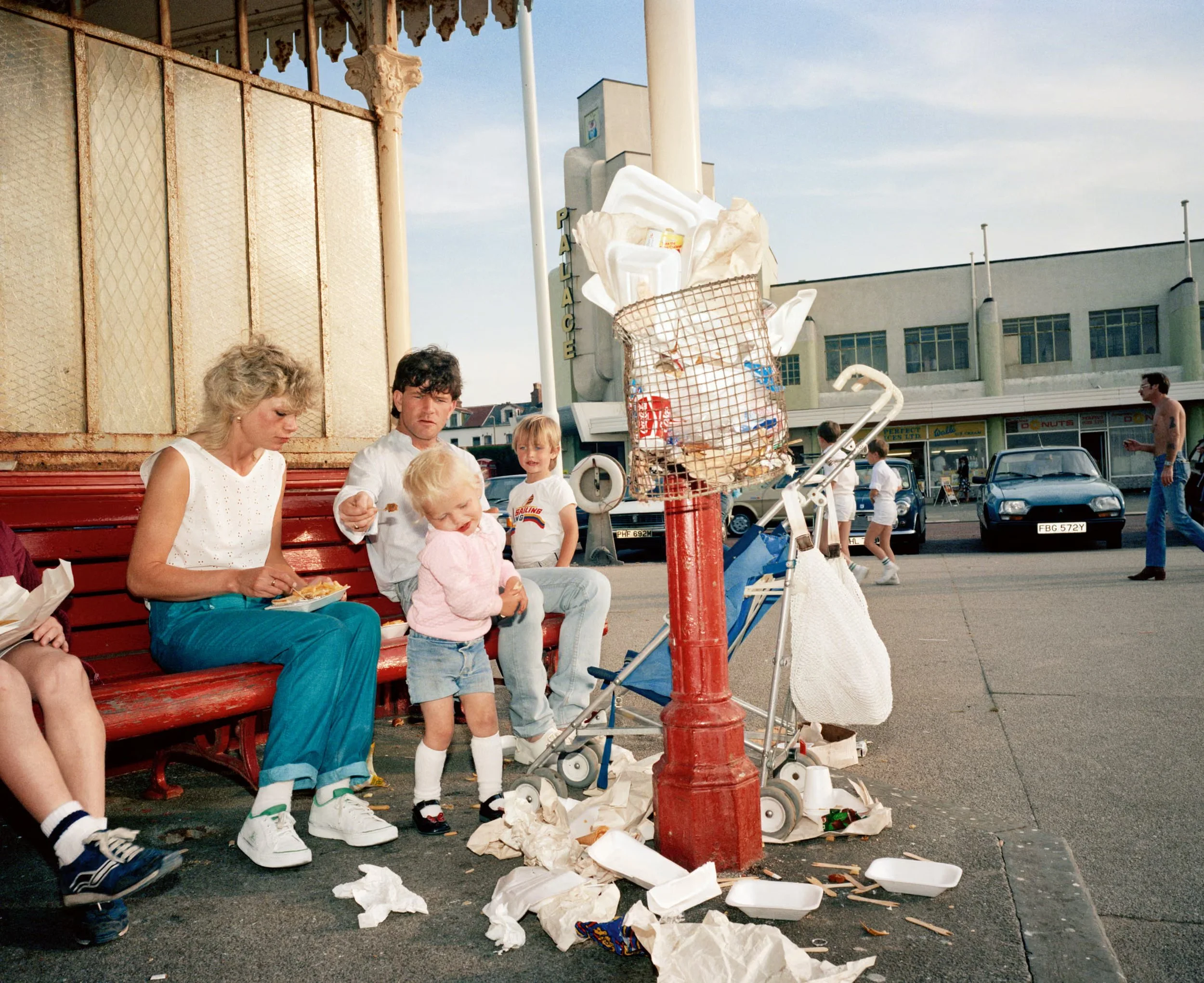

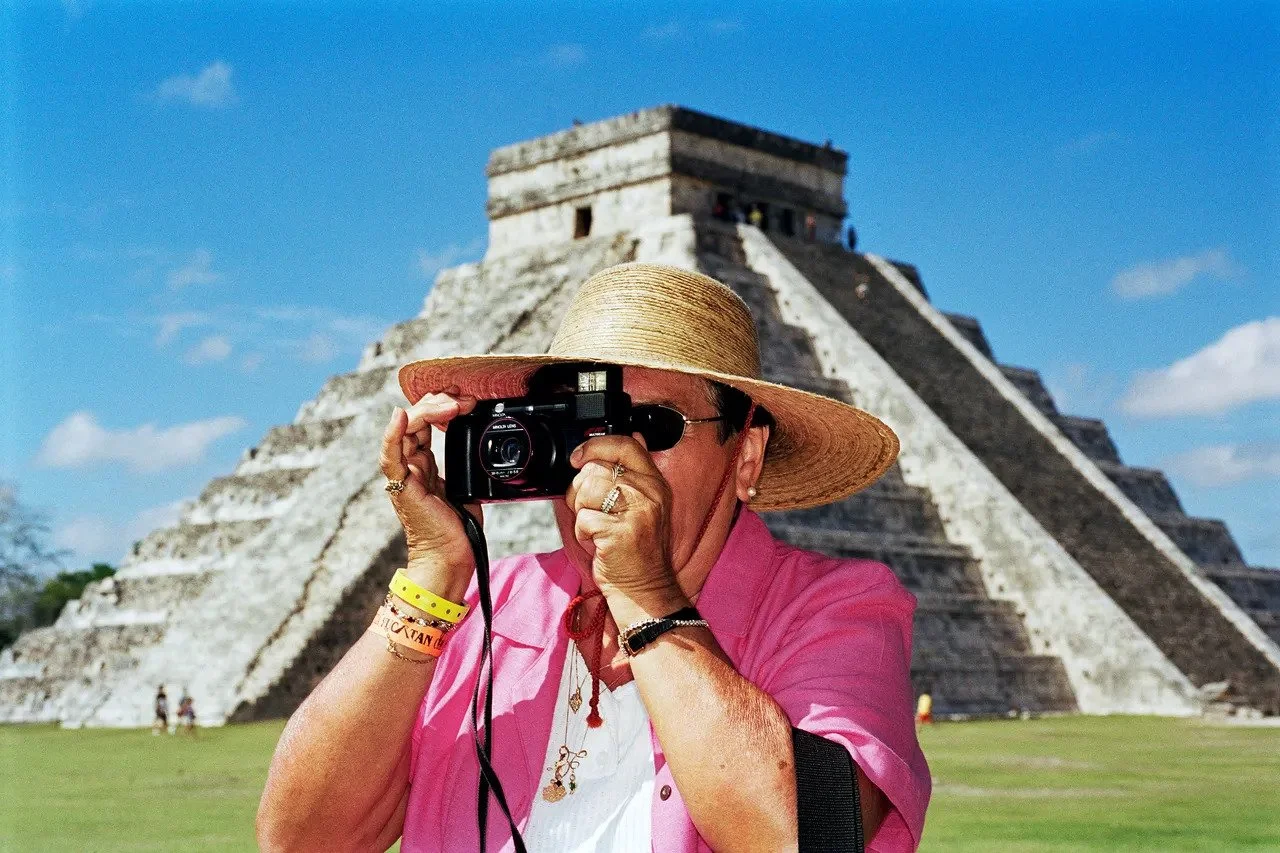
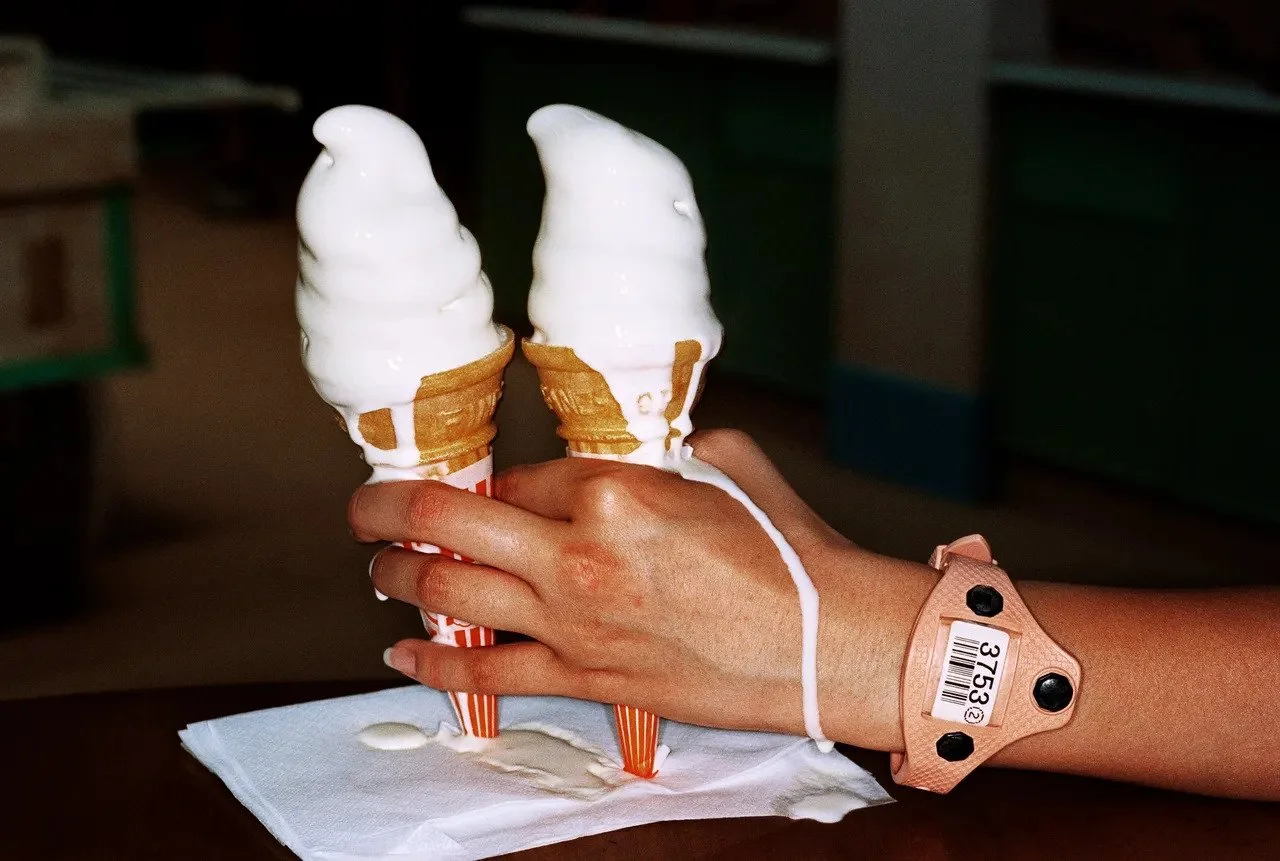
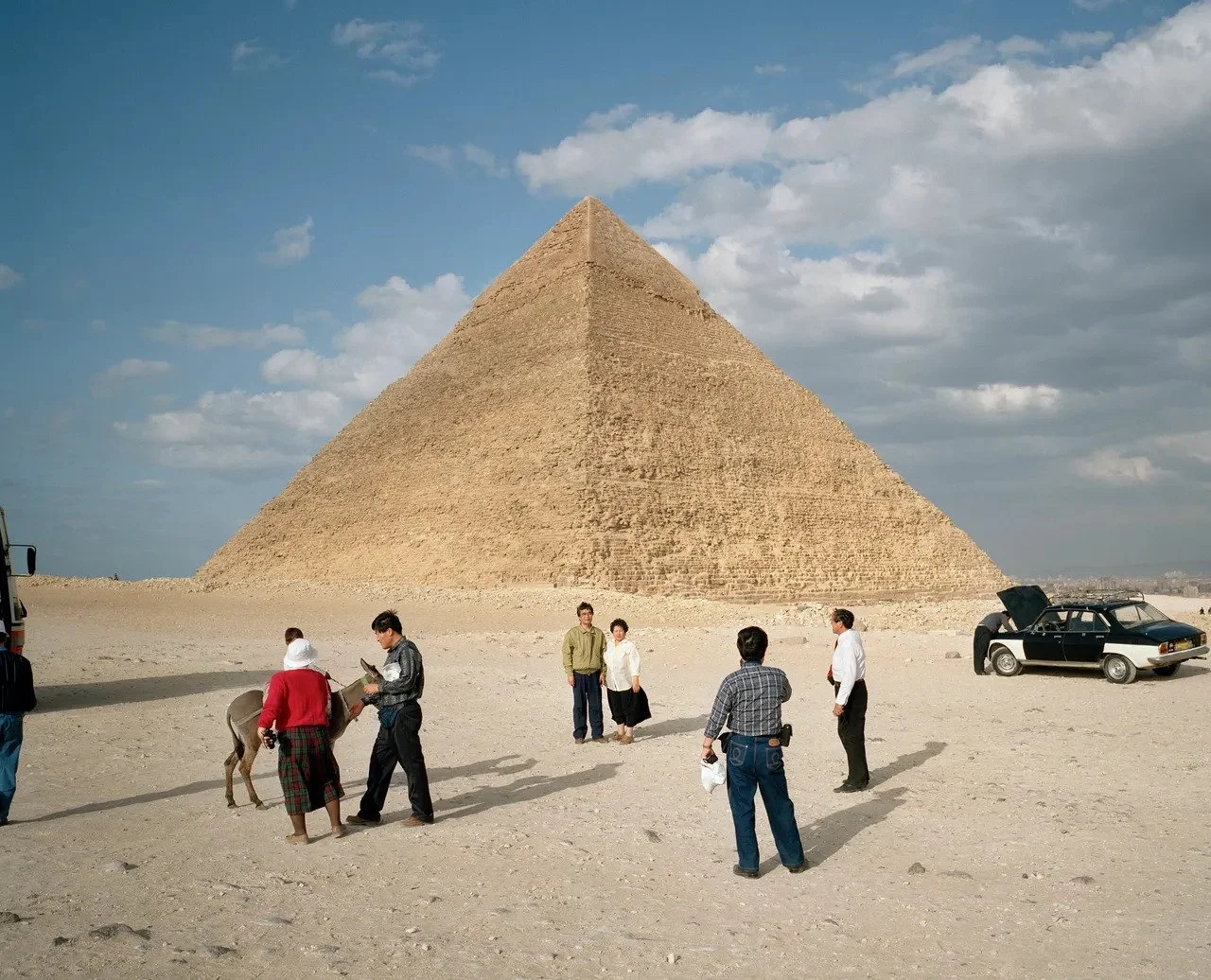
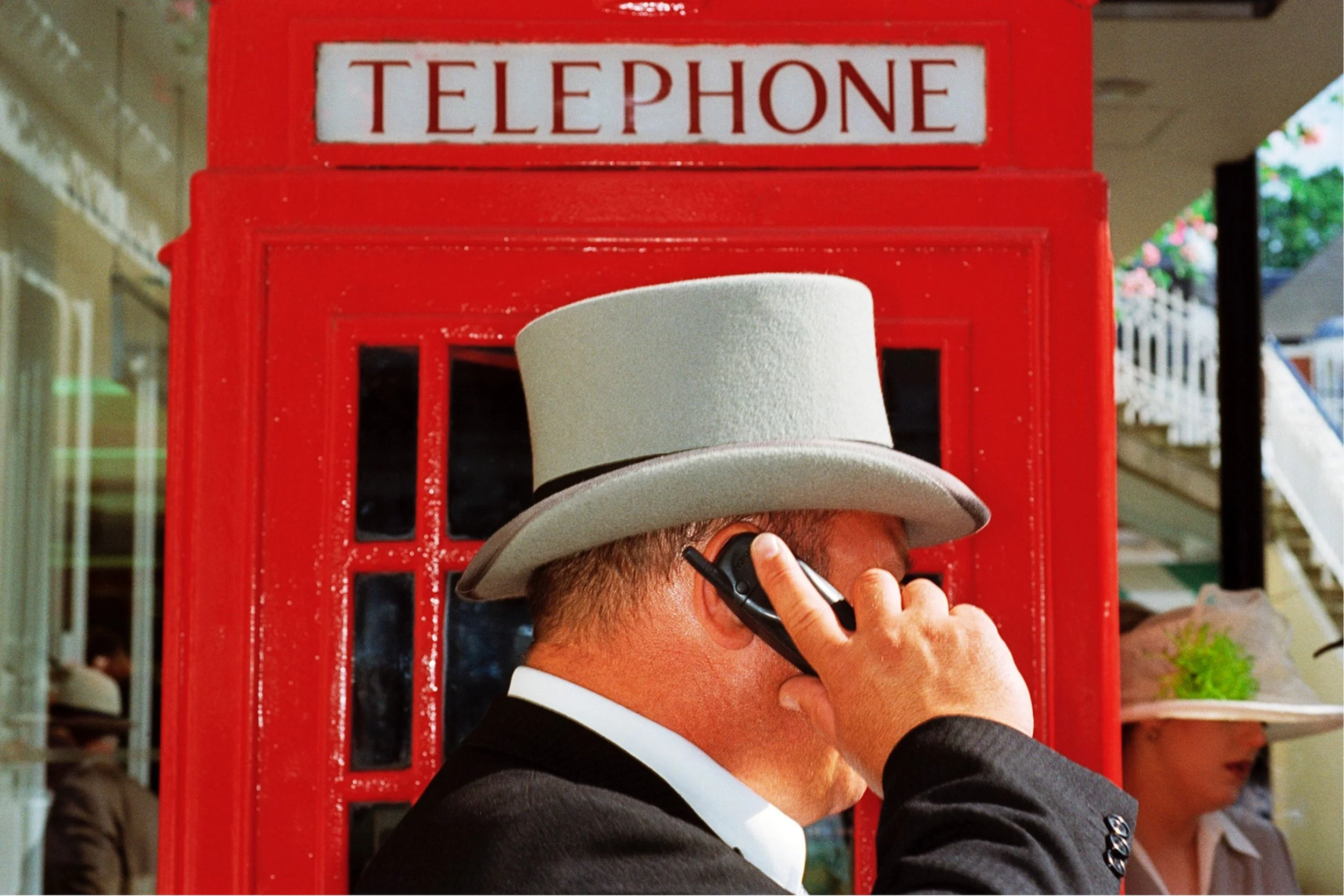
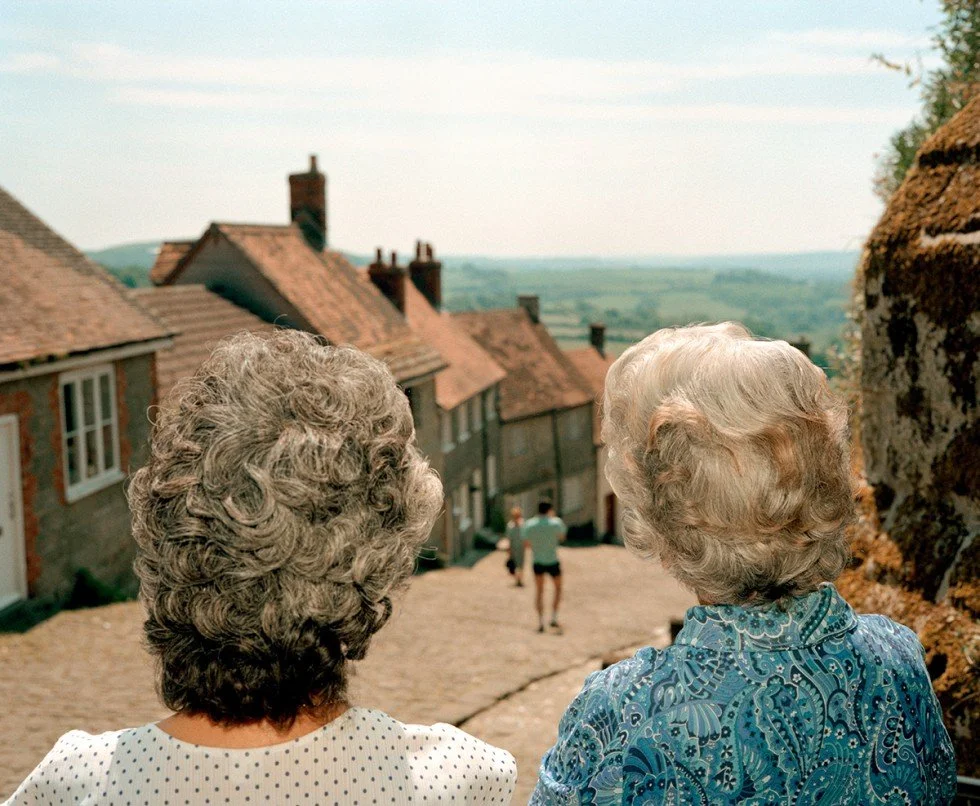
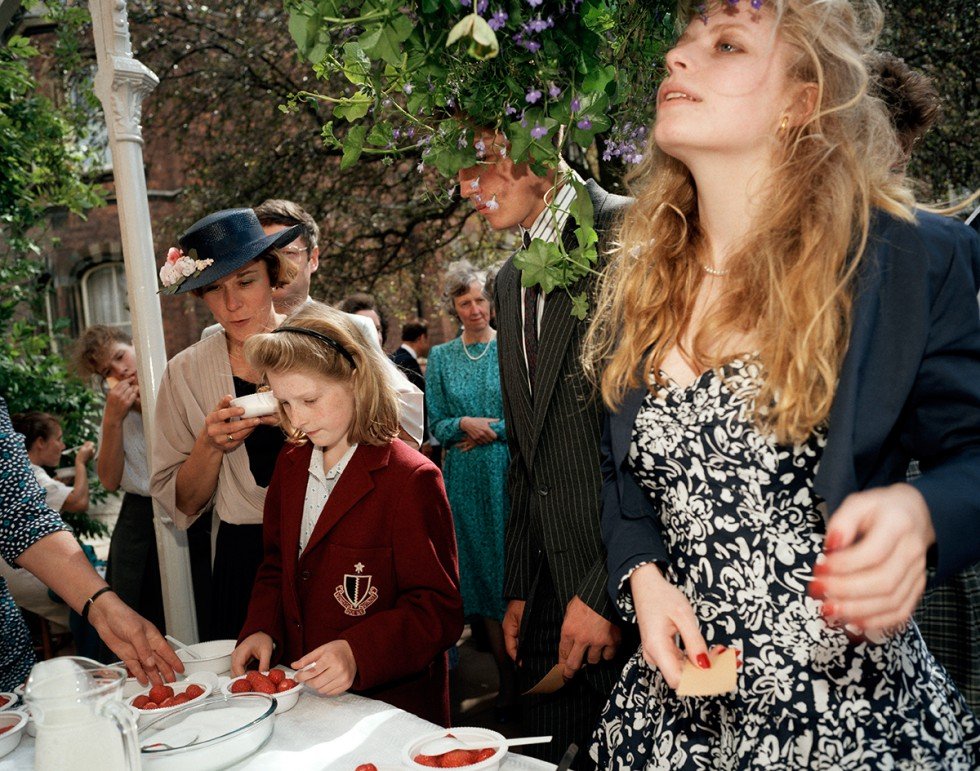
Parr often chose flash in his shots to create what he considered a fictitious scene, something that doesn't exist in reality except in the exact moment of the shot. The result isn't a lie but rather a personal interpretation of what he sees, a conscious exaggeration. His source of inspiration was the language of commercial photography, bright and entertaining, designed to catch the viewer's attention. To this language Parr applies the documentary formula, a choice that becomes systematic from 1982 with his move to color.
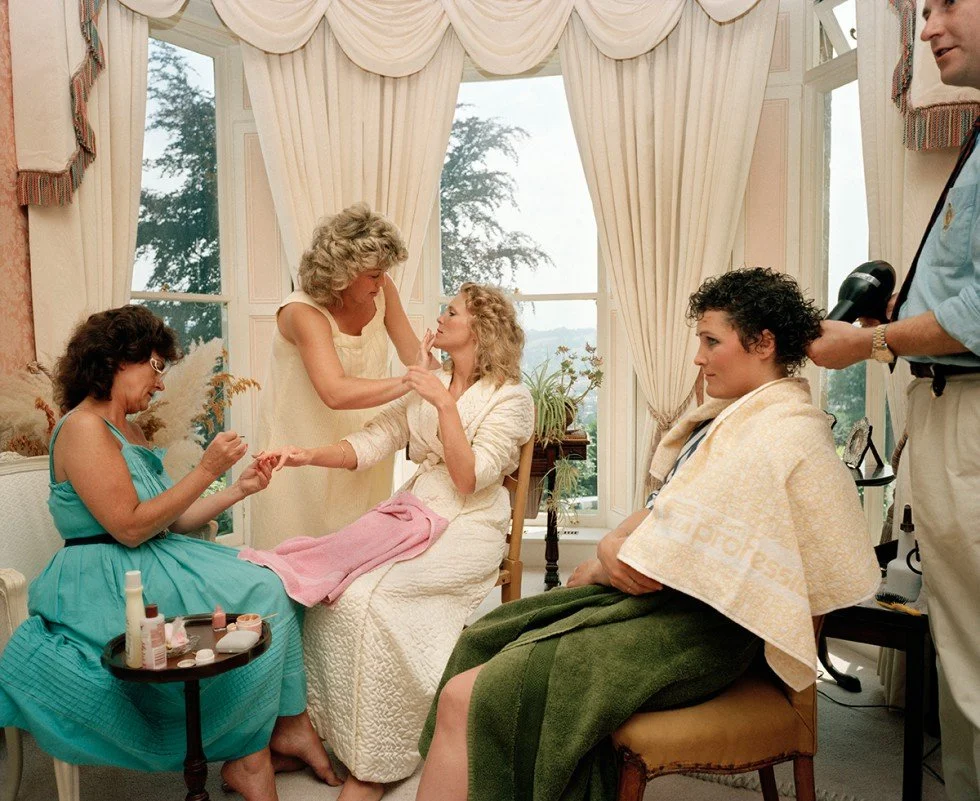
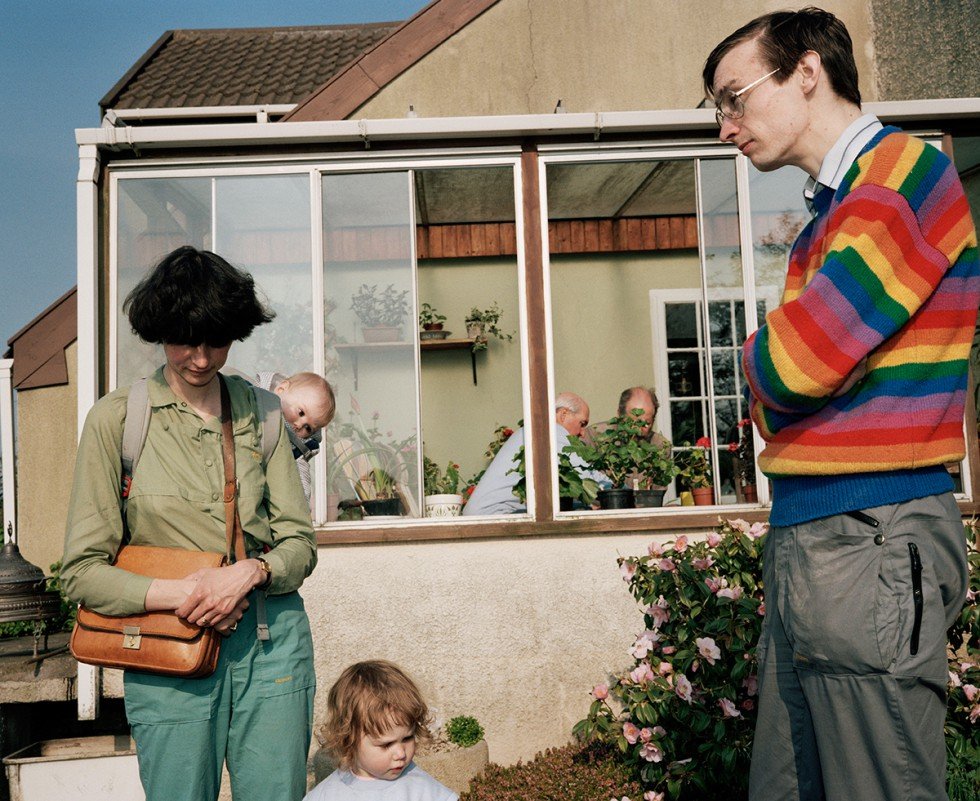
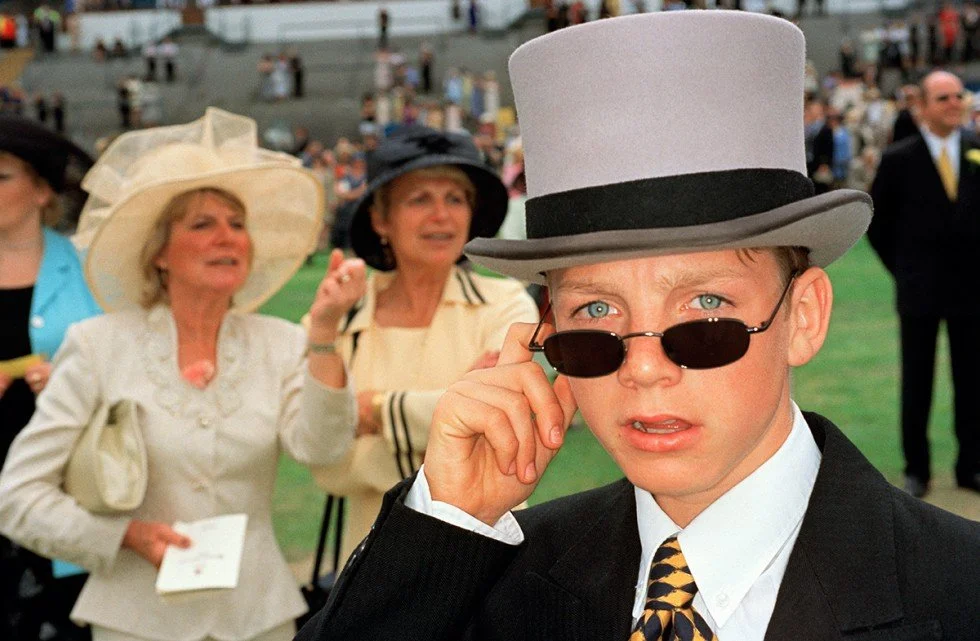
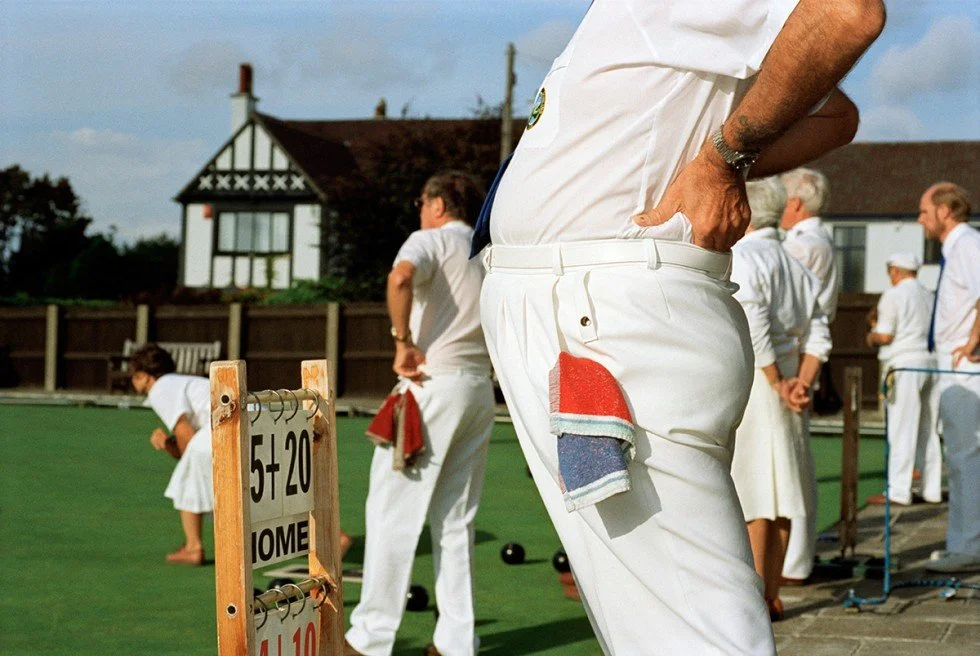
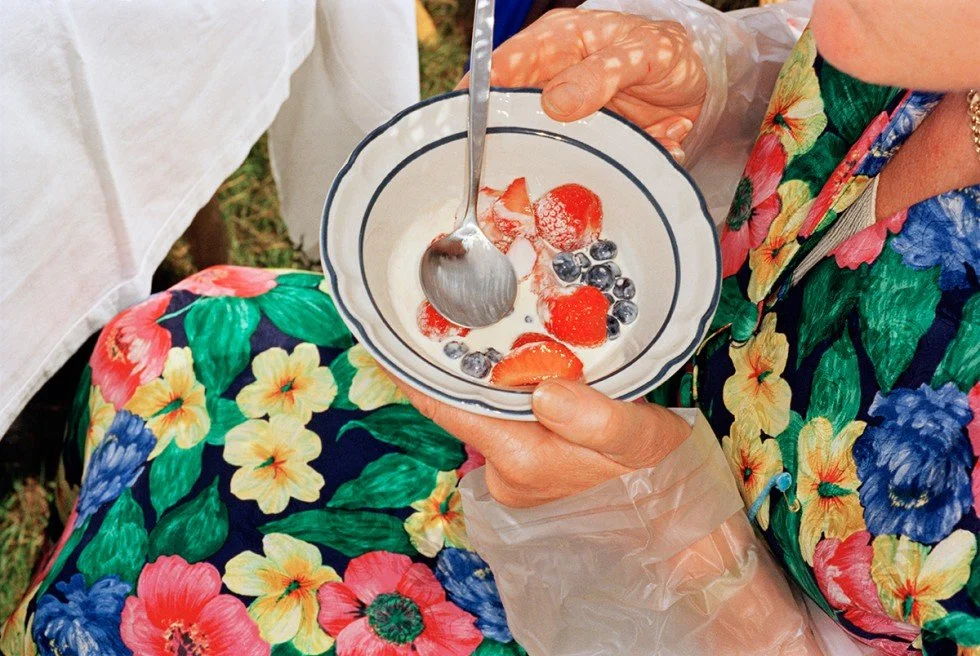
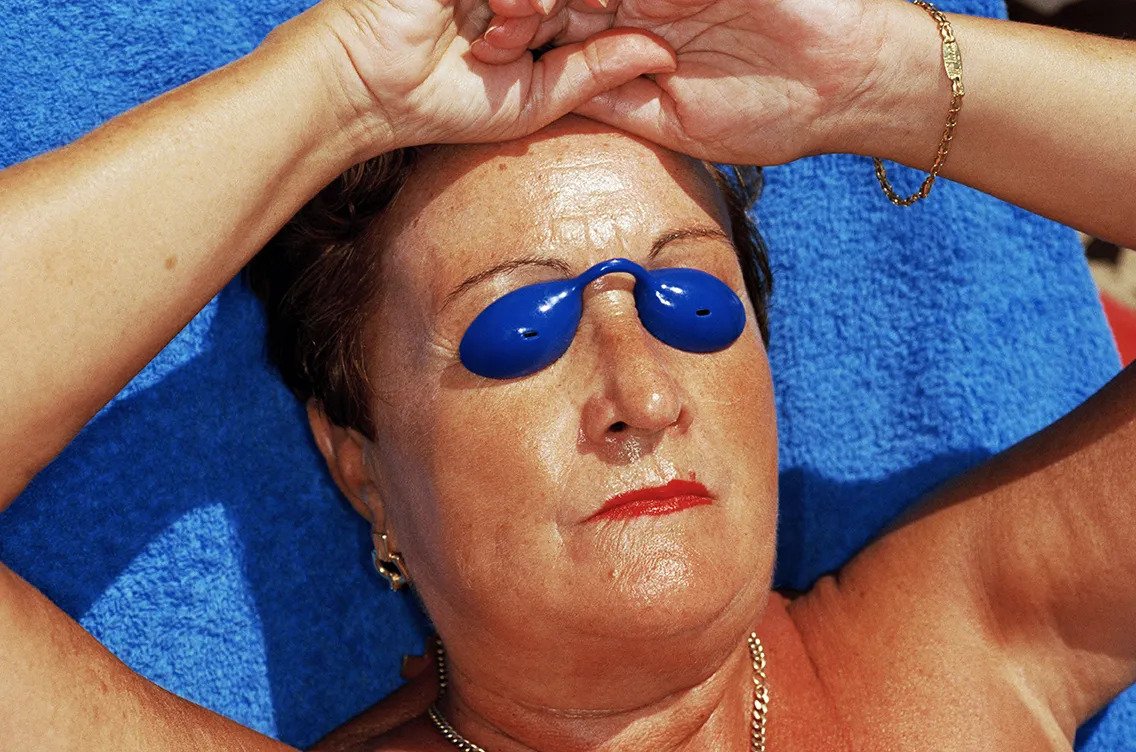

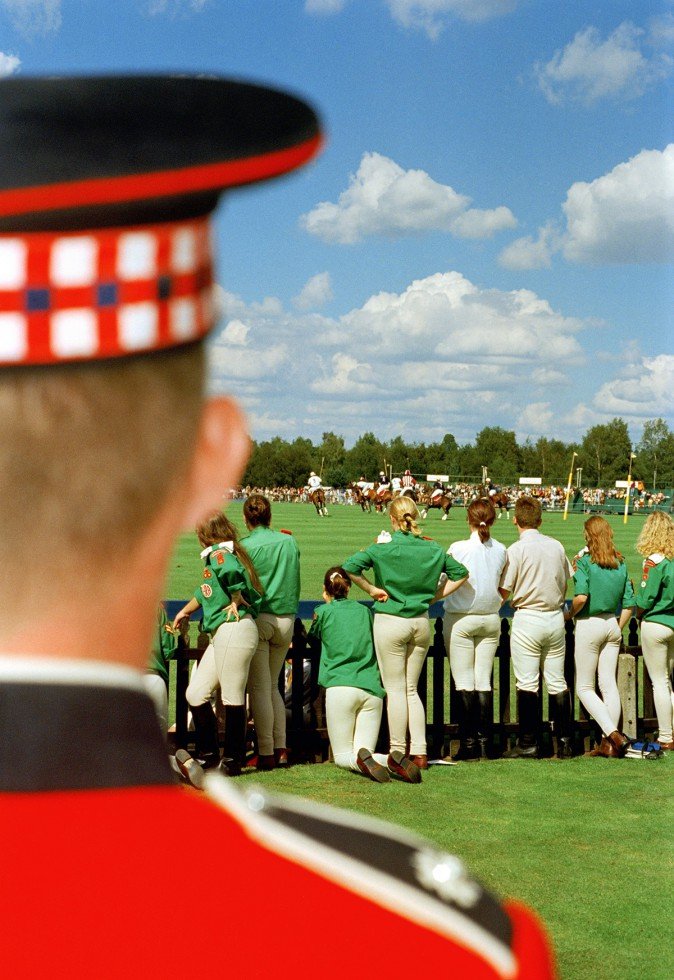
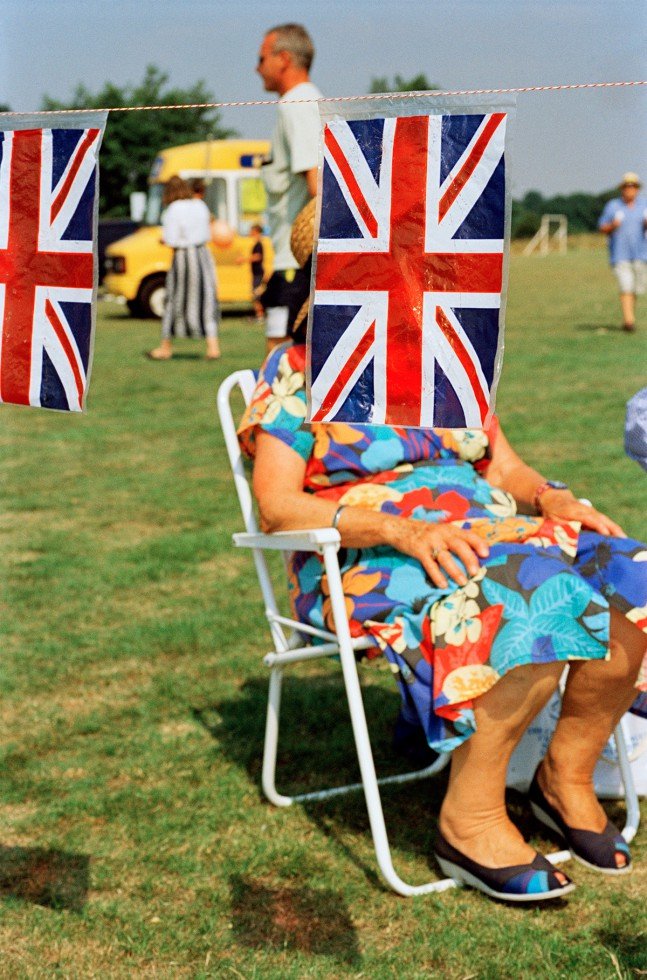
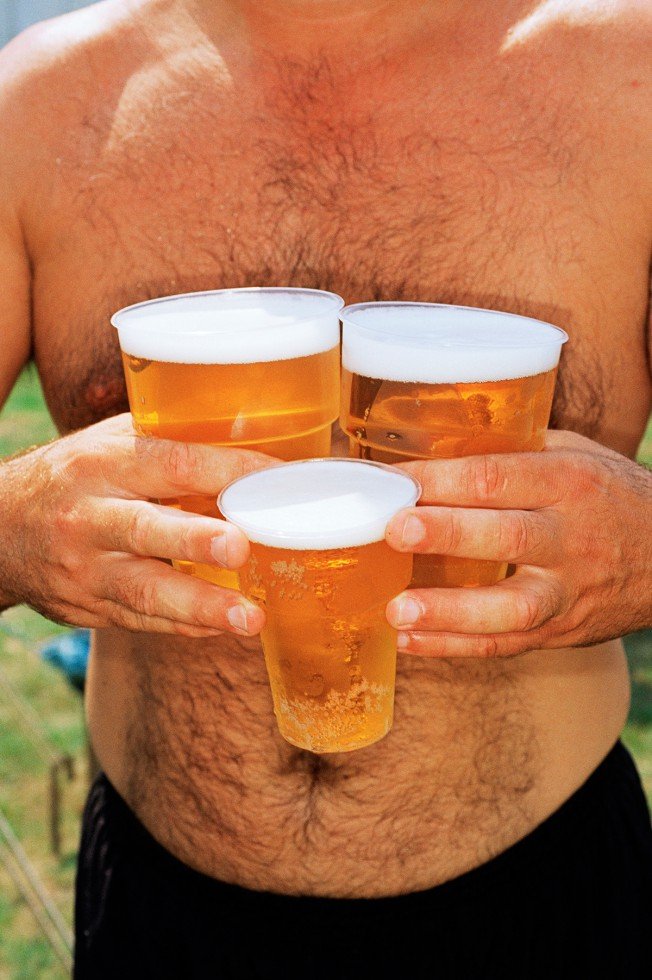
Martin Parr: Origins, Passions and Obsessions
Martin developed an interest in photography thanks to his grandfather, who lived in Yorkshire, in the north of England. During the summer, his grandfather would lend him a camera and take him through the whole process of shooting, developing and printing photos. At 14, Martin already knew this was what he wanted to do with his life.
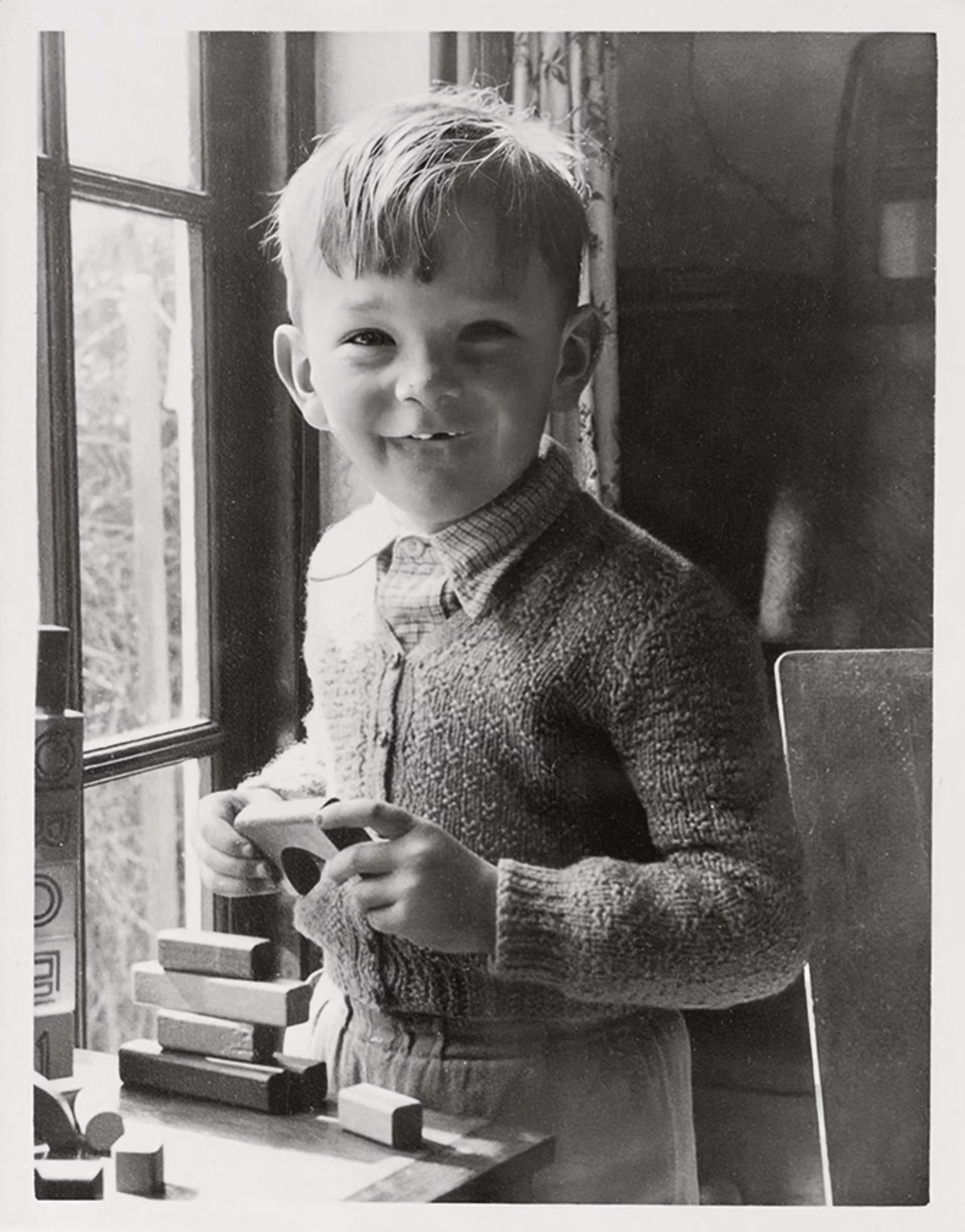
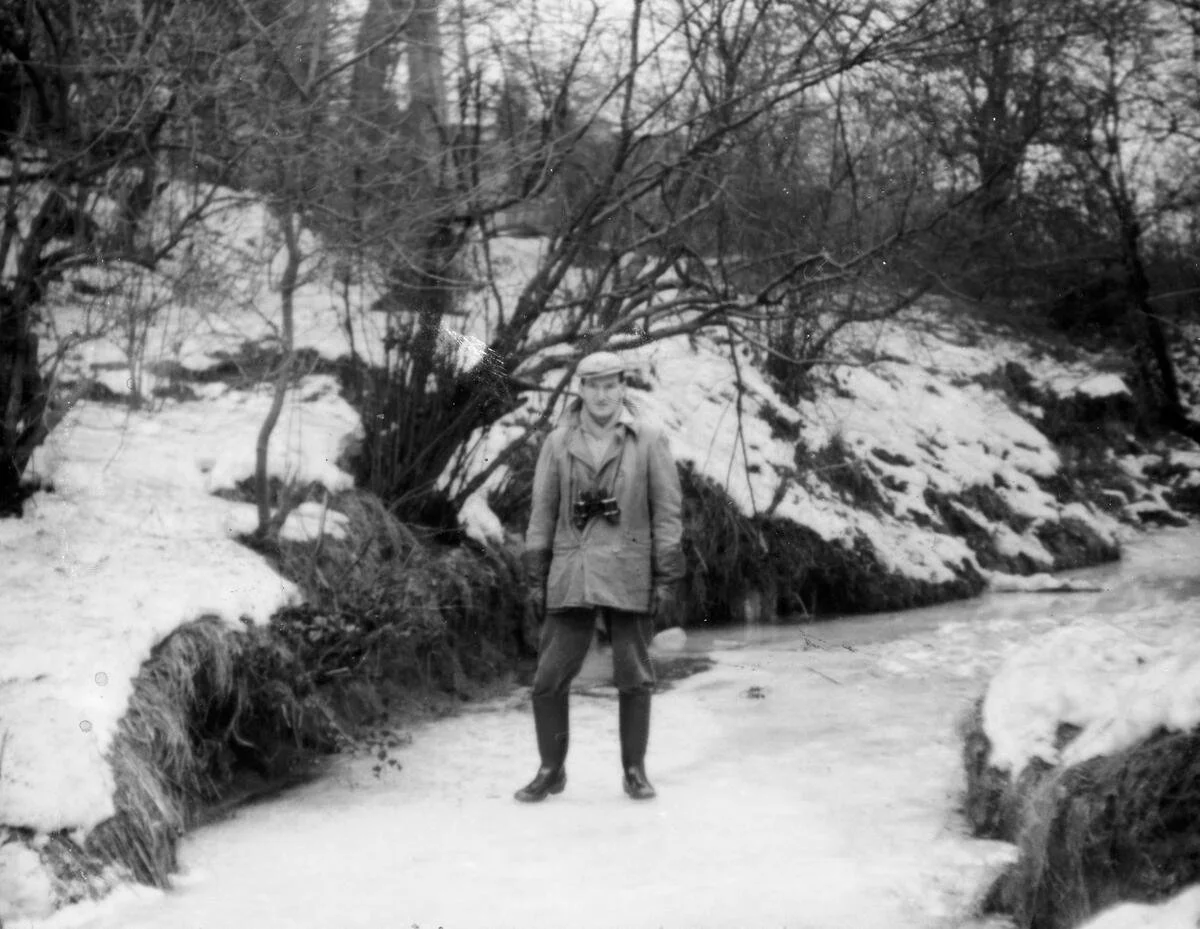
From his father, a birdwatcher, he received something just as important: the gene of obsession, which according to Parr is the only way an artist can truly be one. And so Martin grew up cultivating his obsession in various ways, eventually studying photography at Manchester Polytechnic.
During school he discovered the work of Tony Ray-Jones, the photographer who had first managed to merge the documentary tradition with the taste of fine art photography.
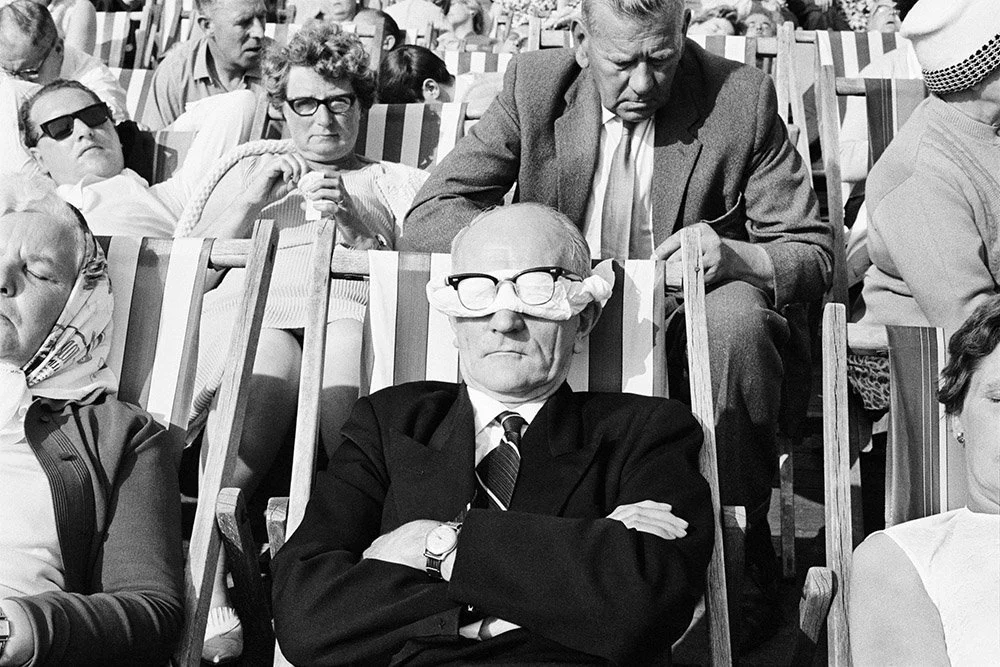
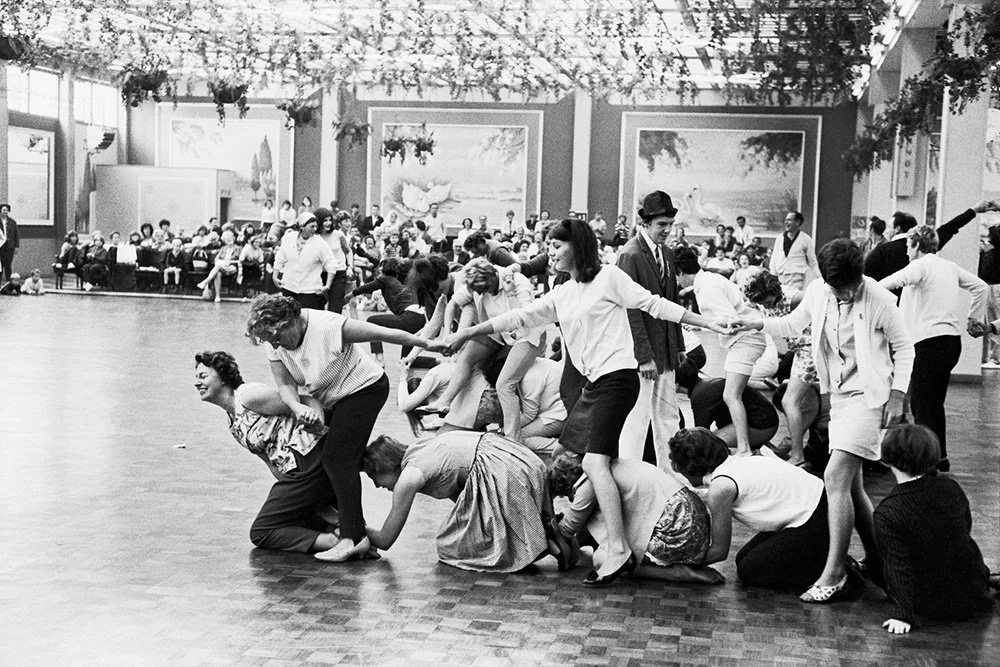
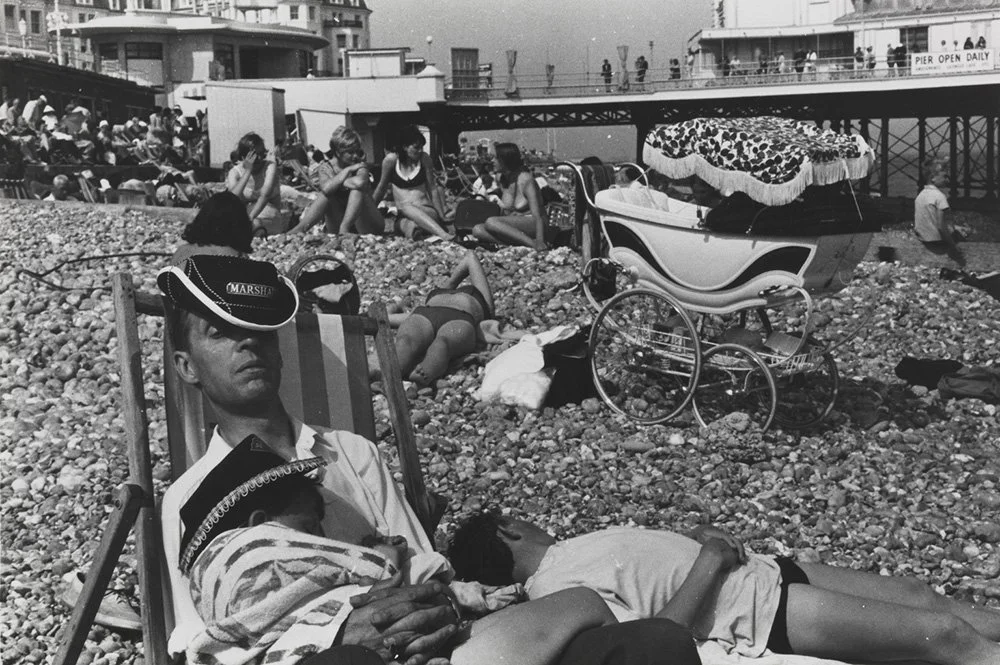
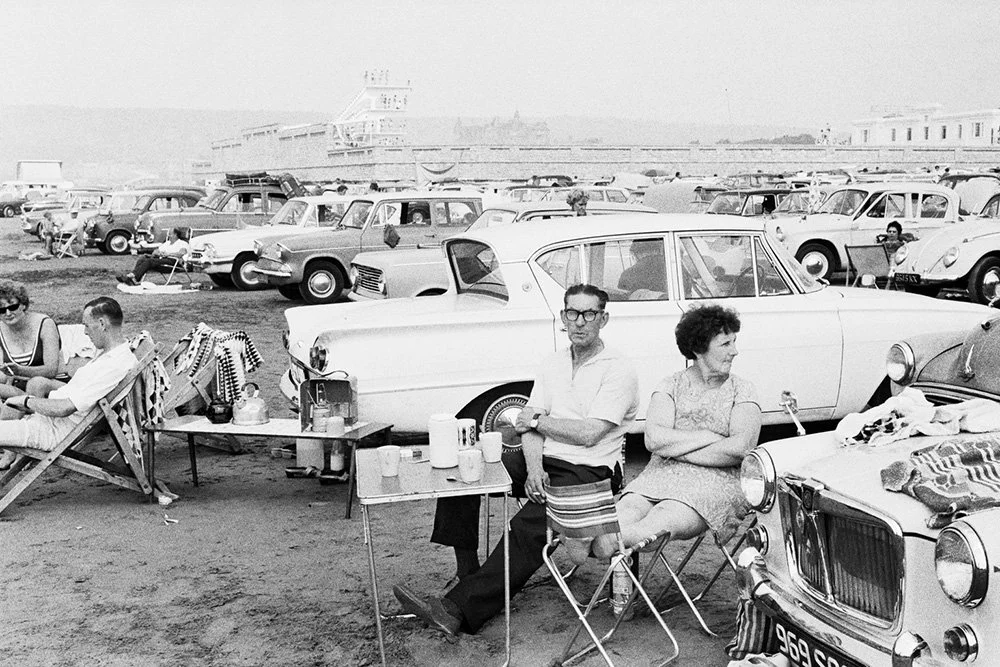
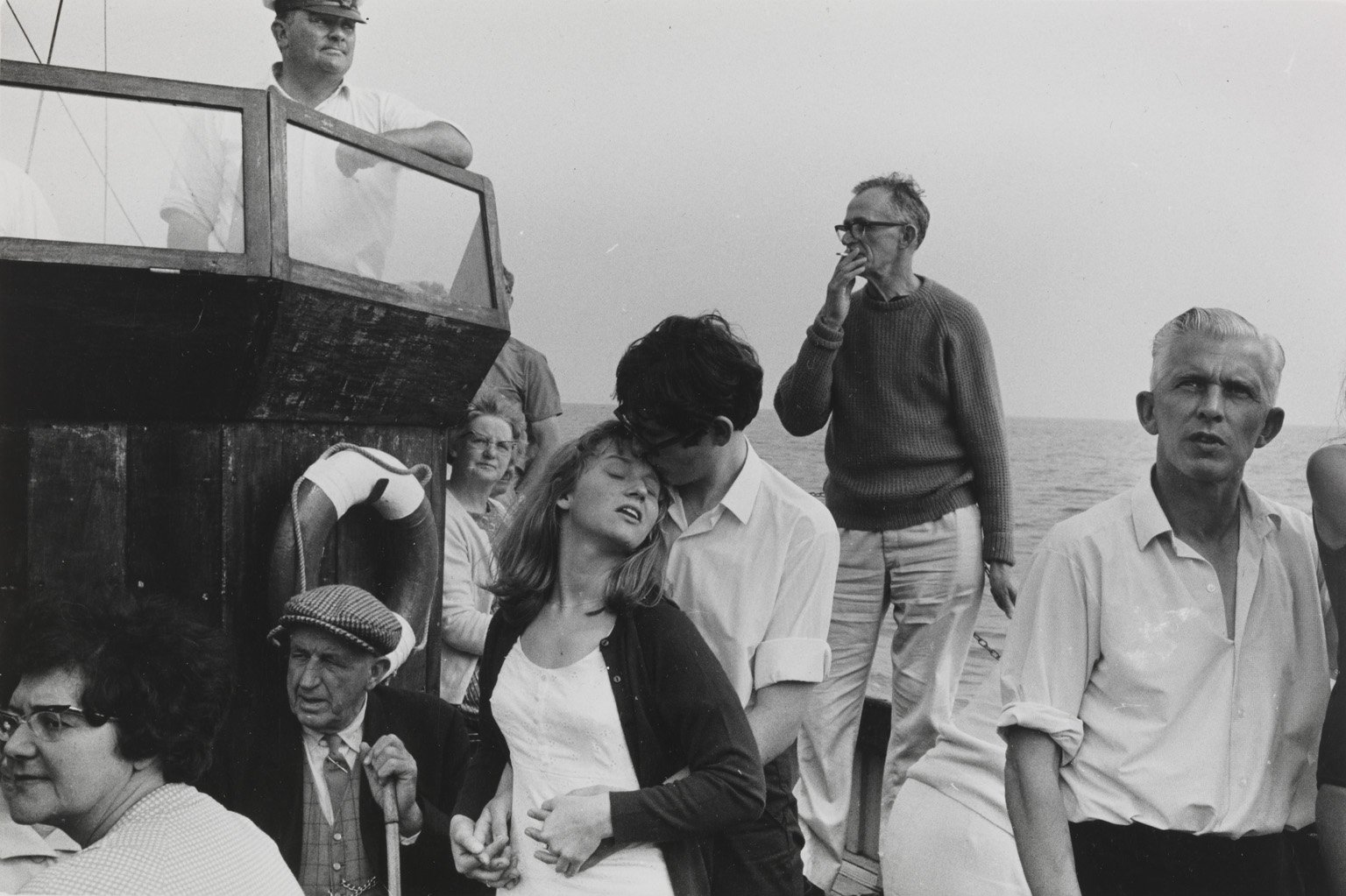
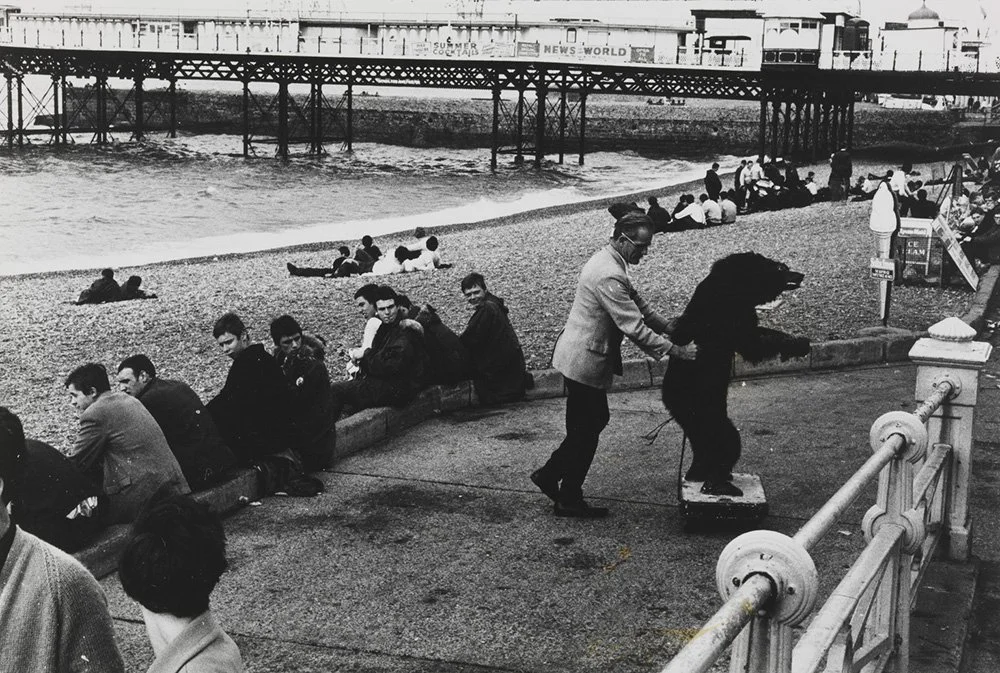
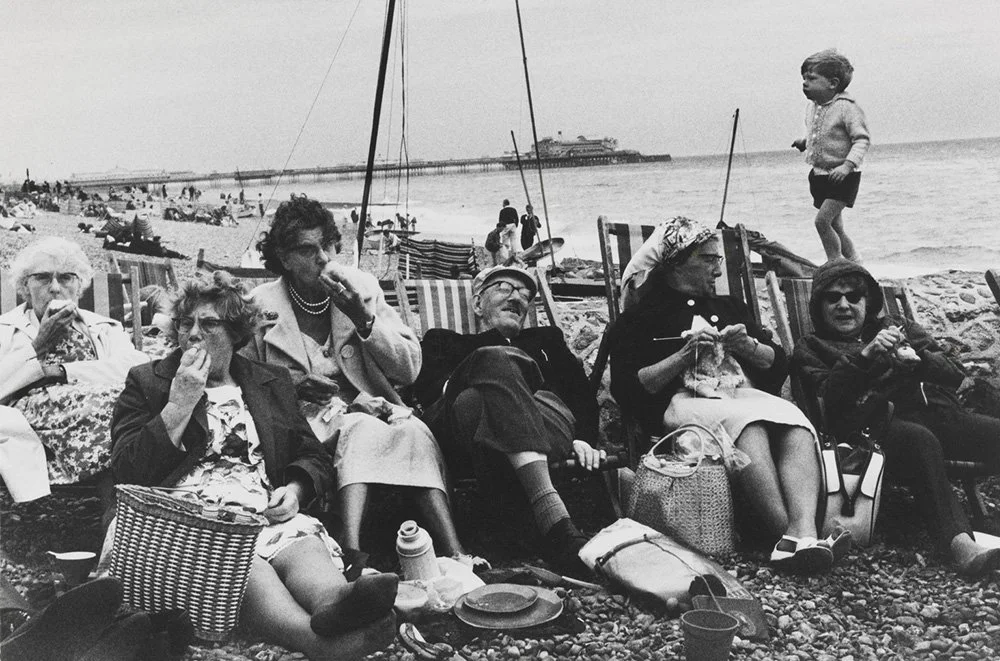
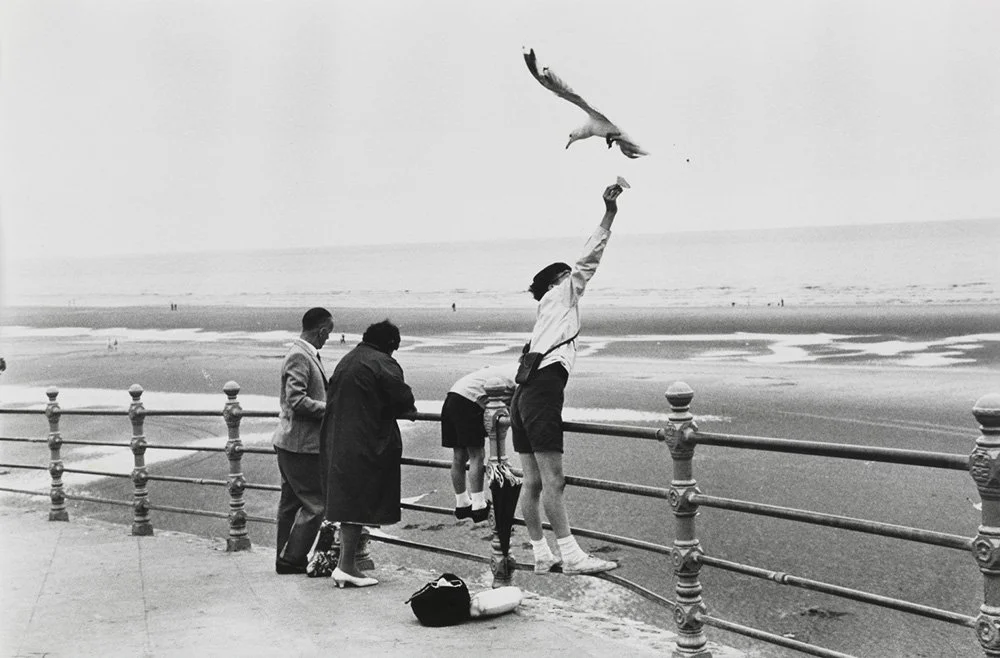
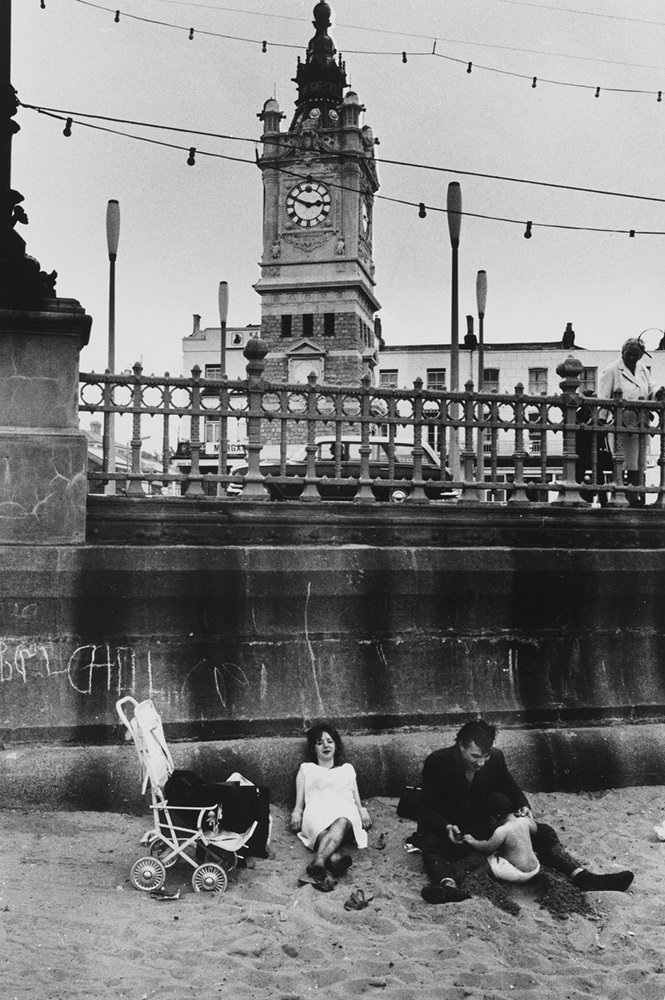
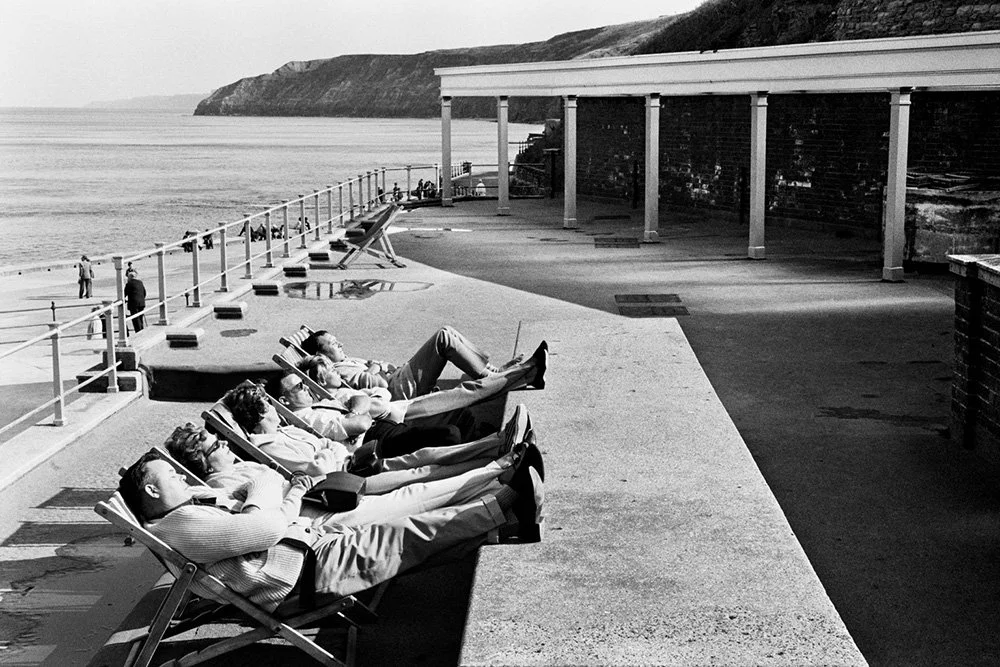
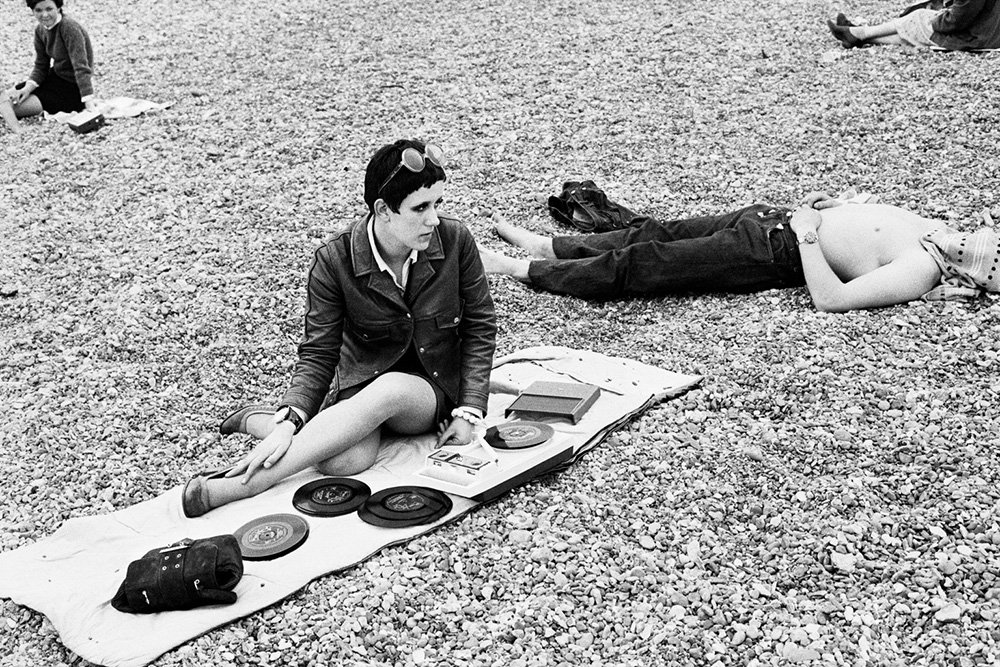
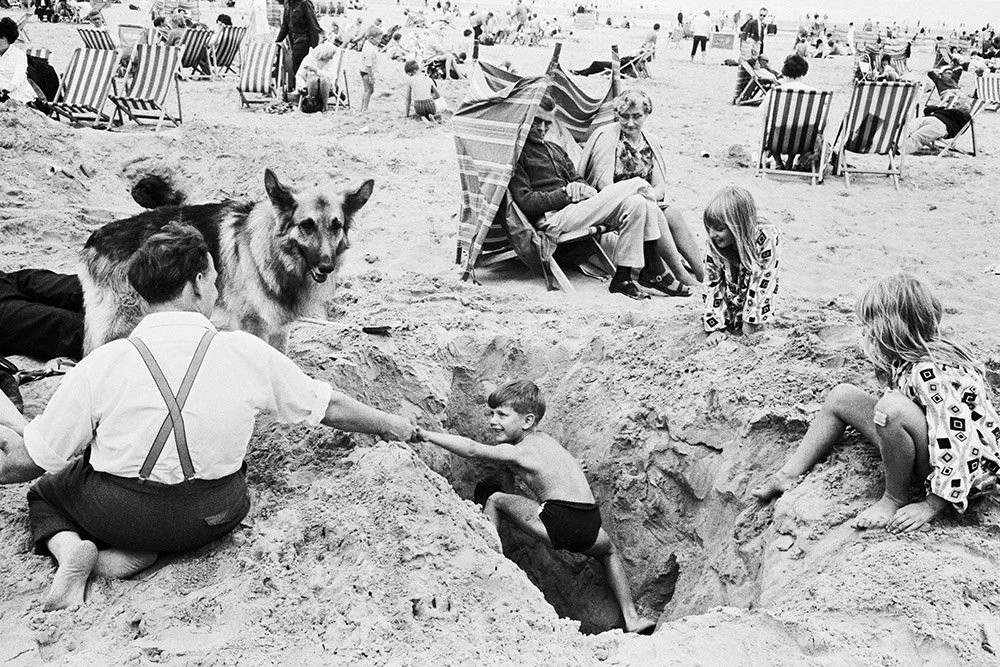
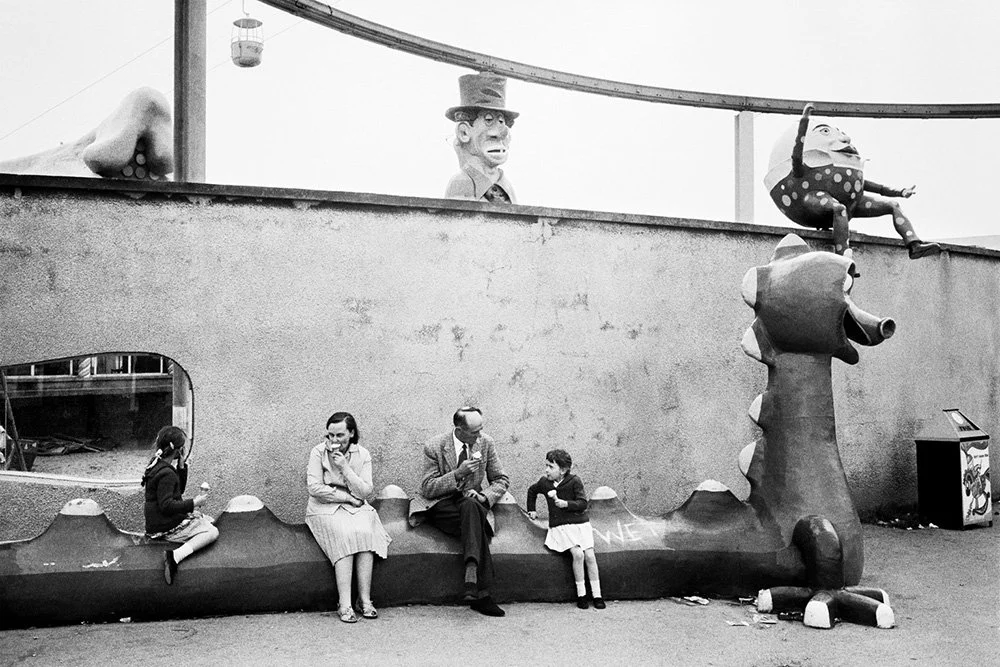
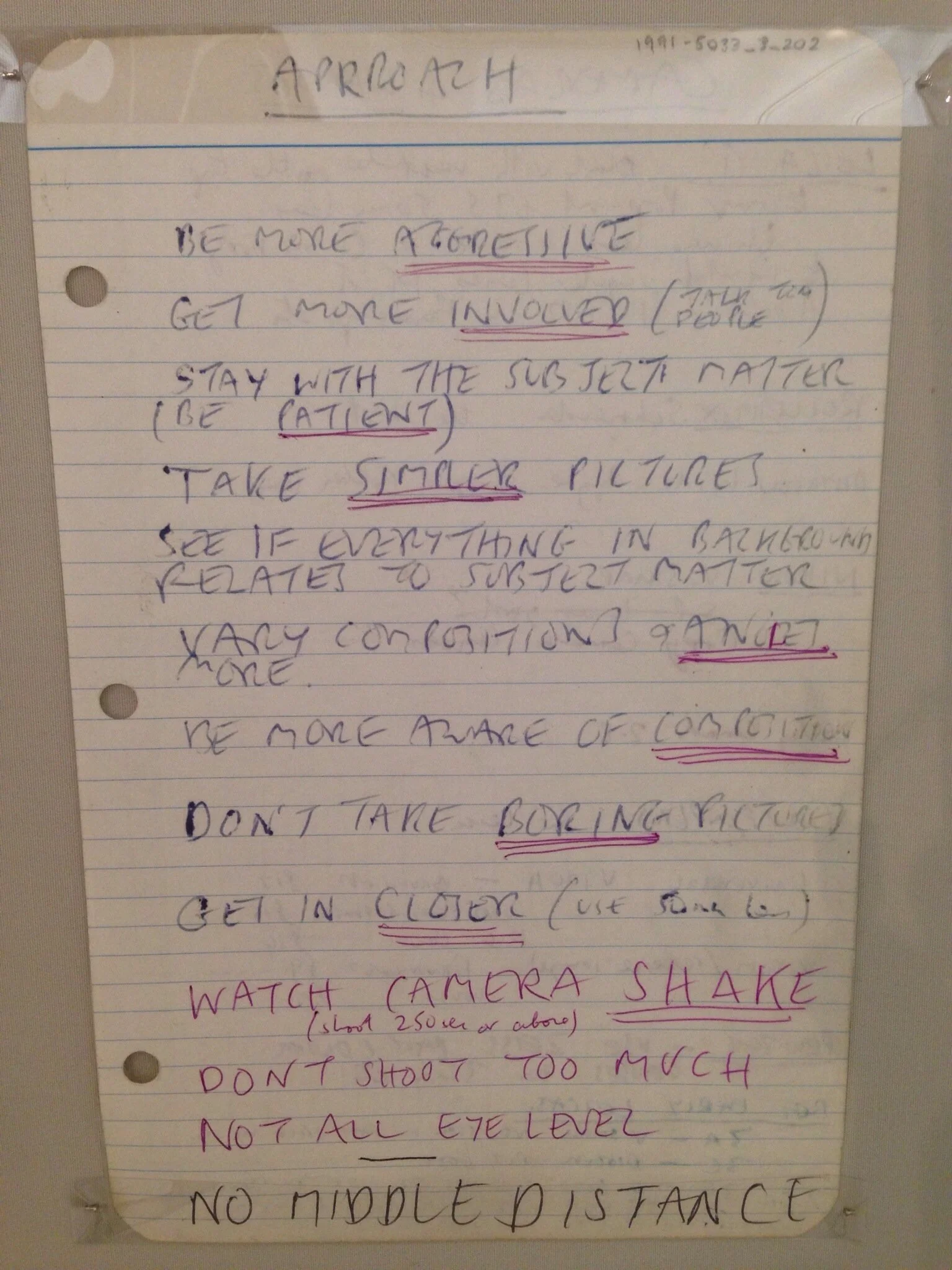
Ray-Jones would certainly be his greatest inspiration for his black-and-white period, so much so that Parr, years later, wouldn't pass up the chance to select photographs by the artist from unpublished negatives, at the invitation of the curator of an exhibition at the Bradford museum dedicated to both authors. One detail that brings a smile from that exhibition was a notebook of Ray-Jones's that includes, among various tips: "DON'T TAKE BORING PICTURES".
The Black-and-White Period and the Sense of Community
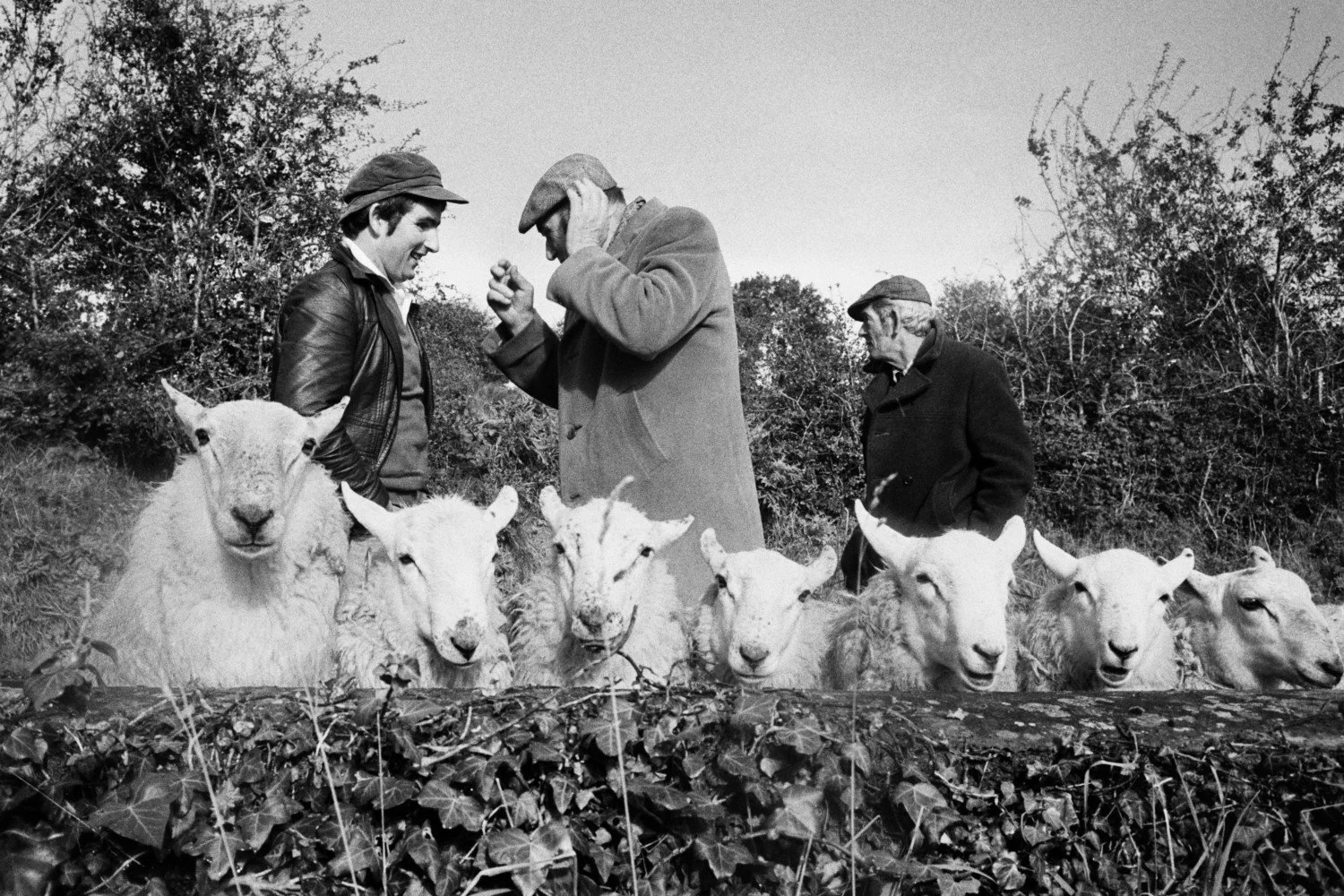
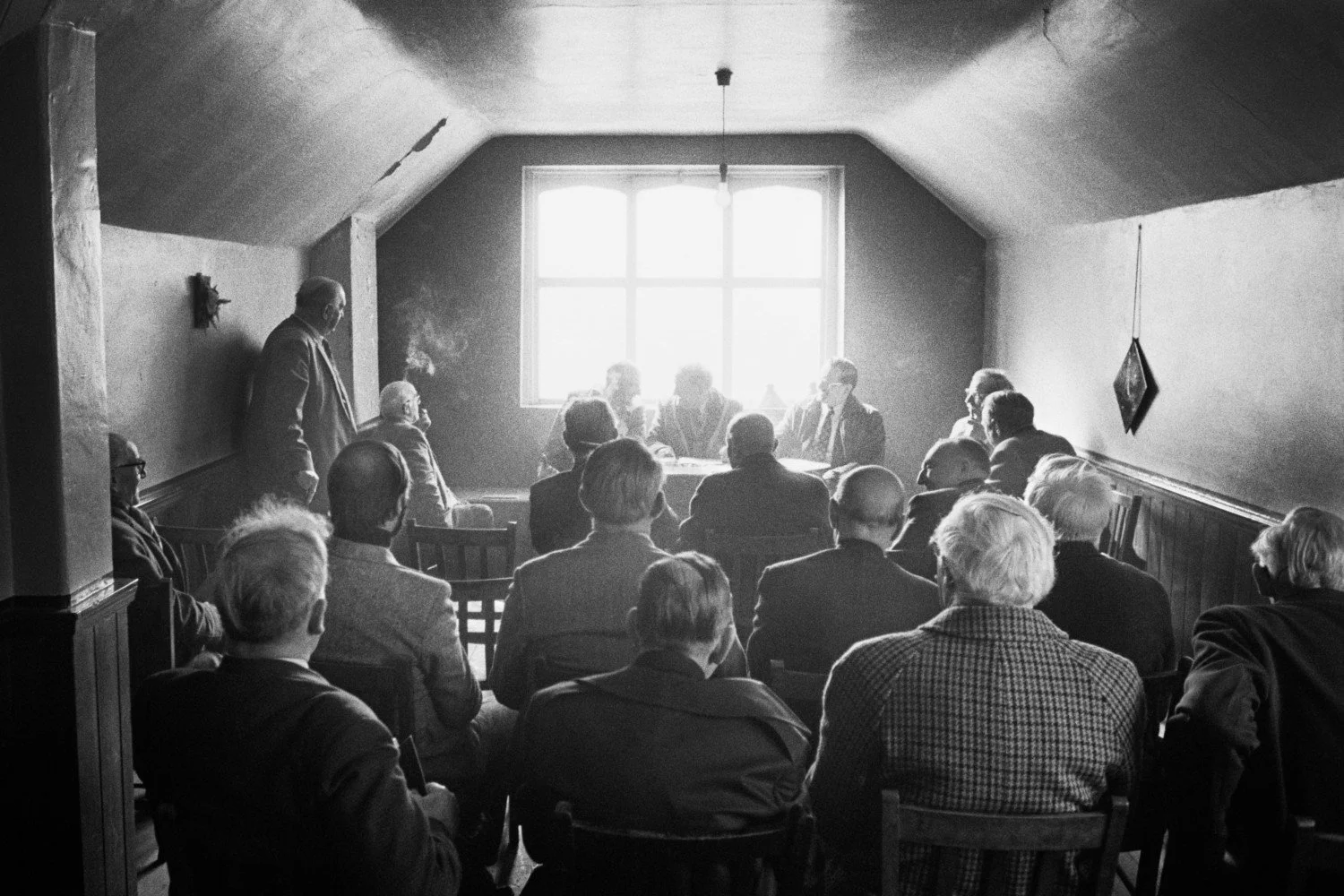
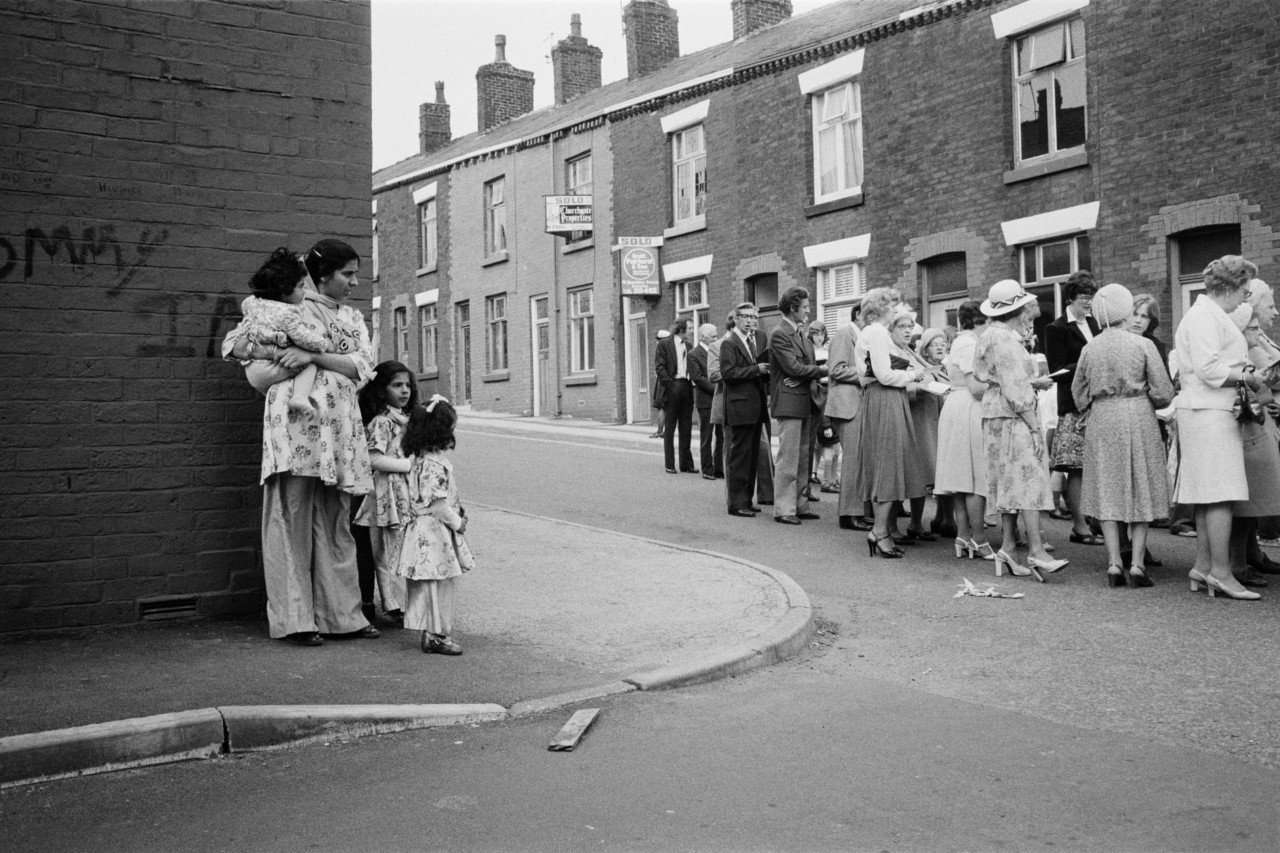
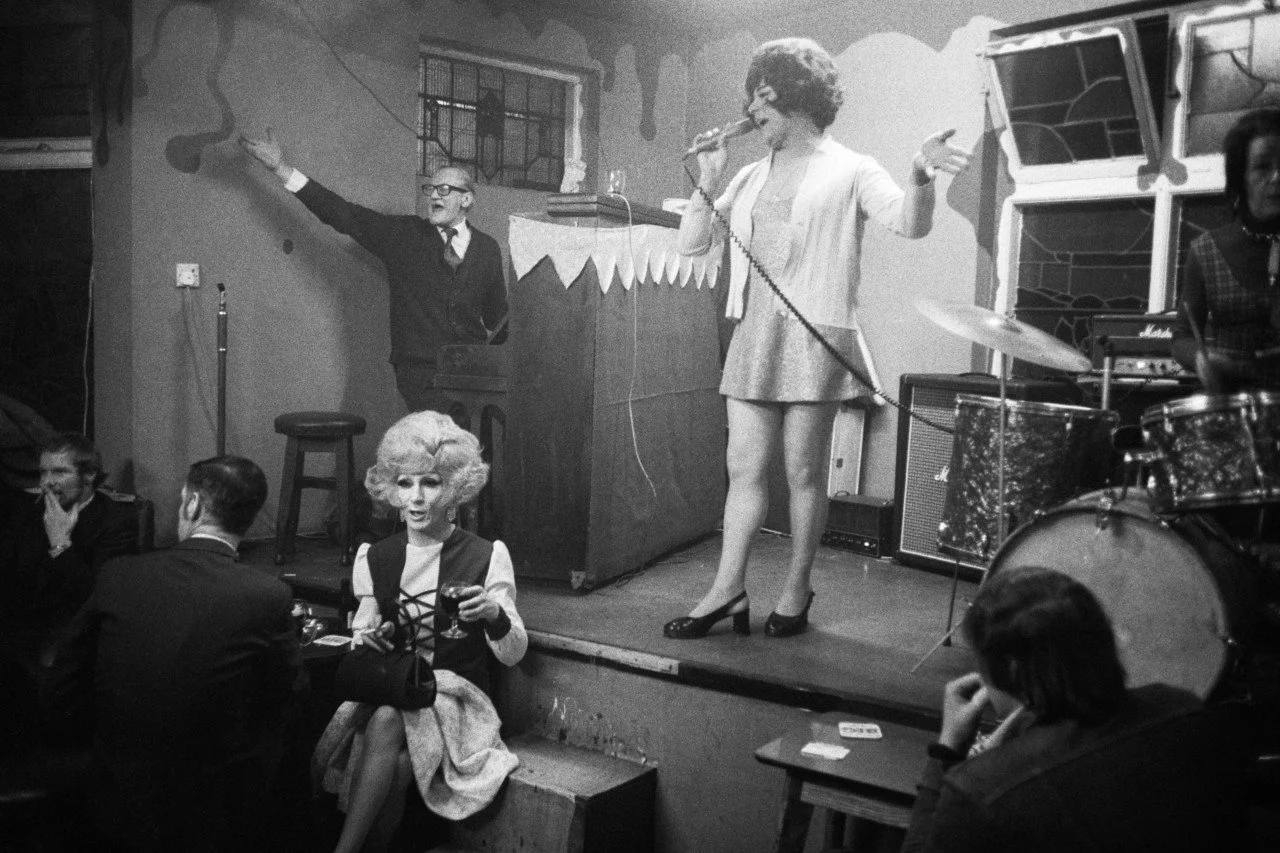
The Manchester years and the period that followed led Parr to discover a very alive sense of community in the places of northern England, something he hadn't experienced during his youth spent in Surrey, a wealthy and detached suburban area of the South. Throughout the 1970s he shot in black and white, like every other documentary photographer of the time, almost obliged by convention since colour photography was considered fit only for amateurs or commercial purposes.
Parr began attending Methodist chapels, where the most important event was the chapel's own anniversary, and he grew particularly attached to one run by local farmers who gave him back the same sense of community he'd experienced as a child with his grandfather. From this came the project The Non-Conformists.
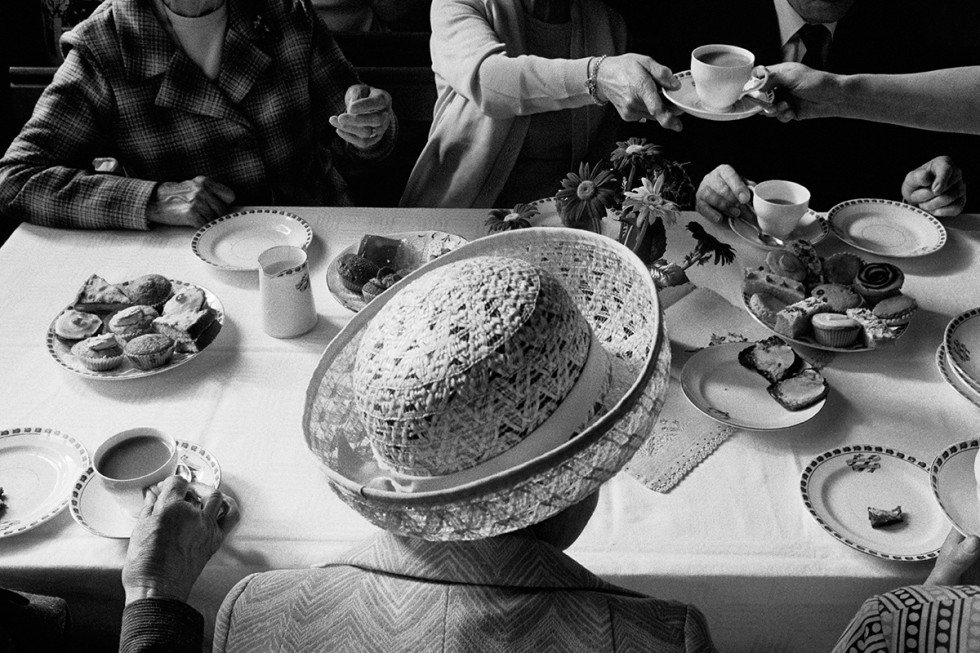
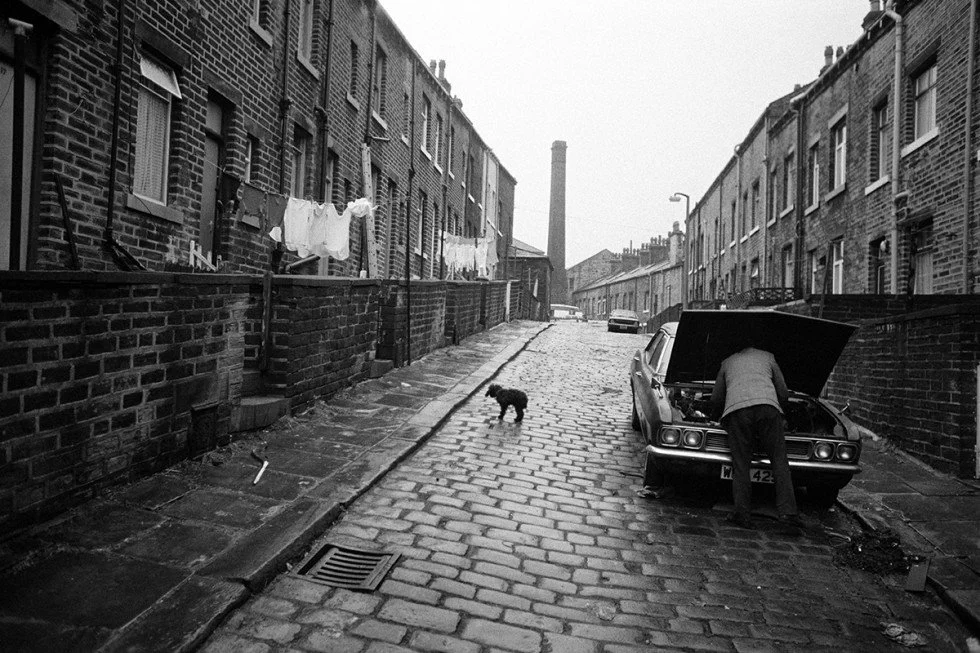
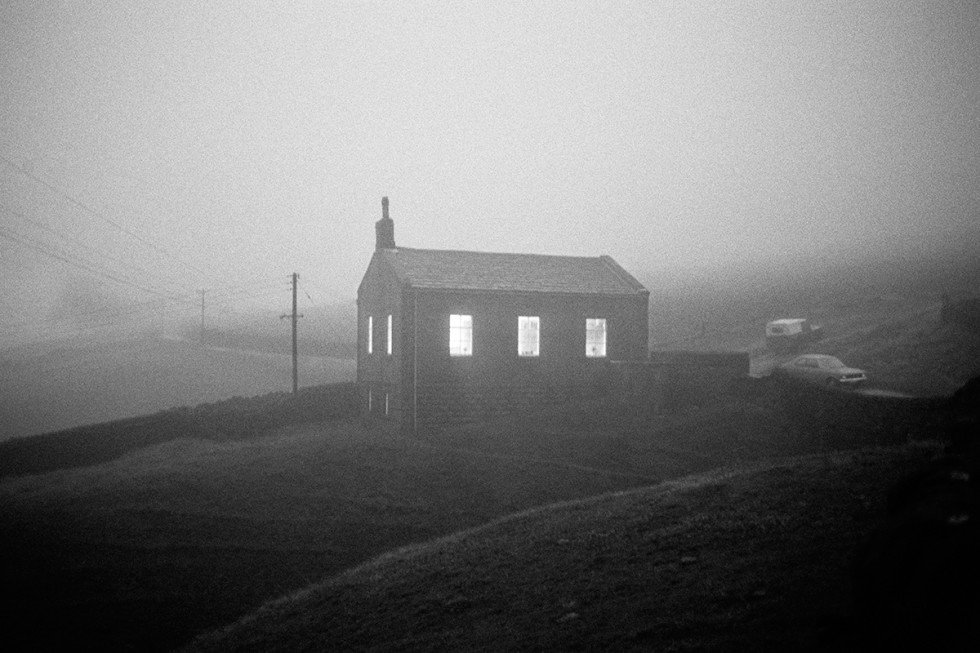
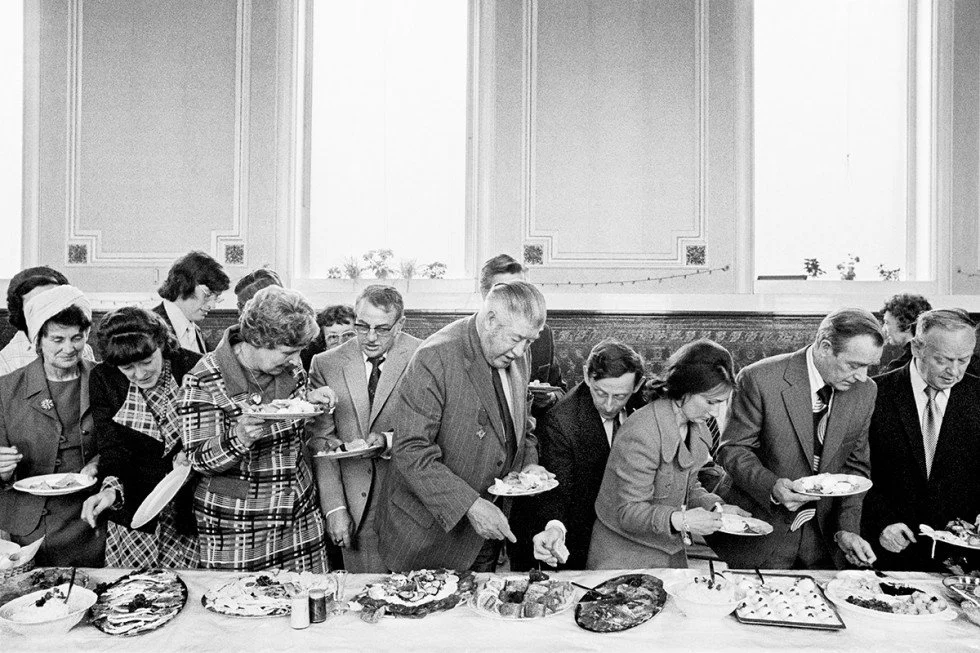
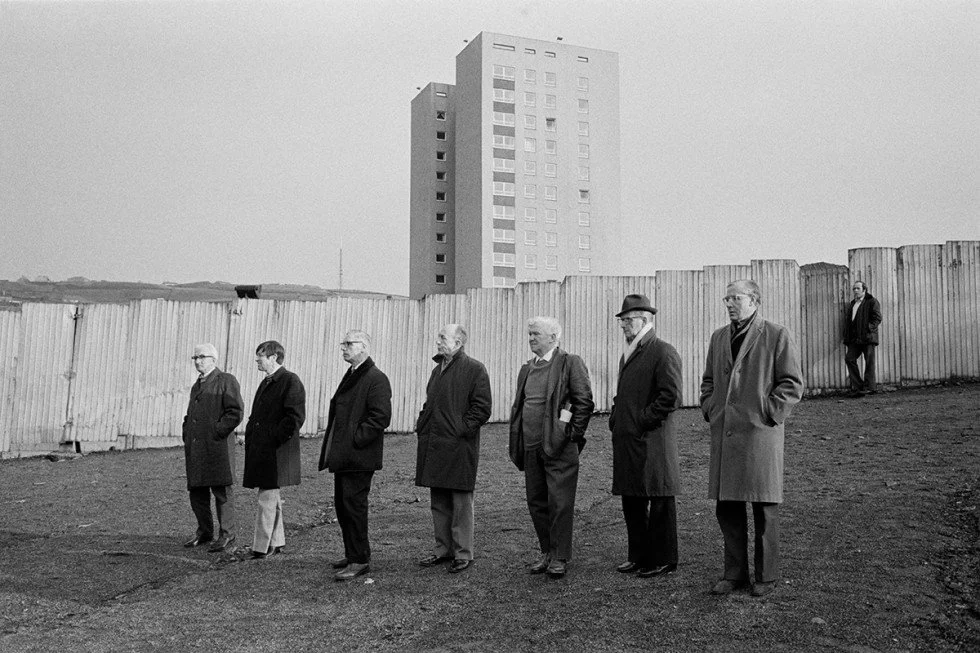
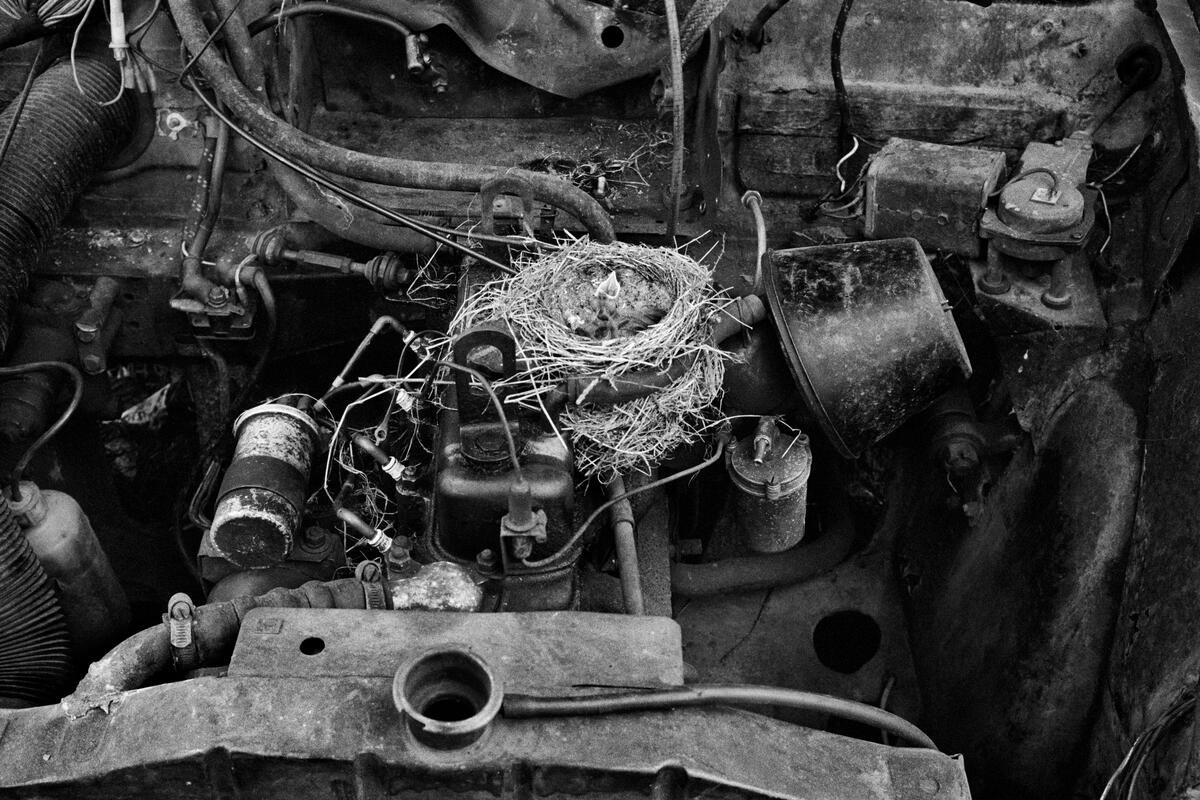
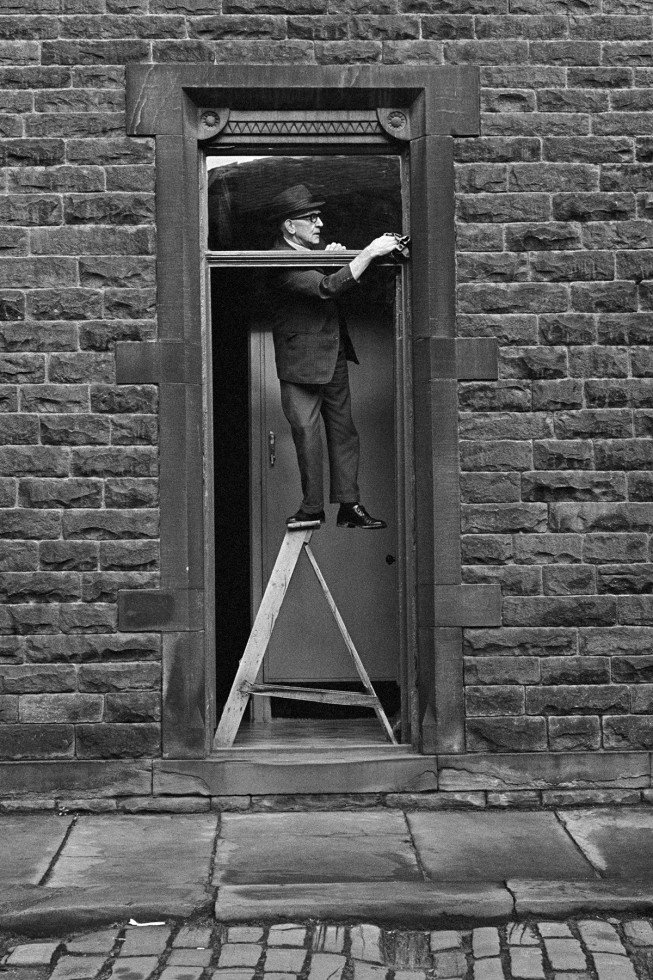
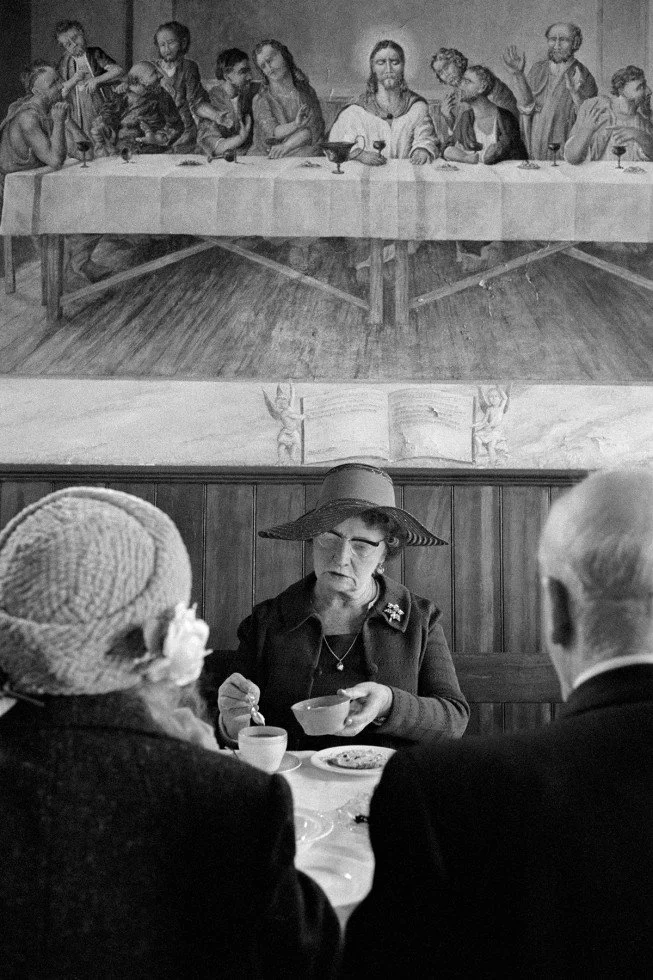
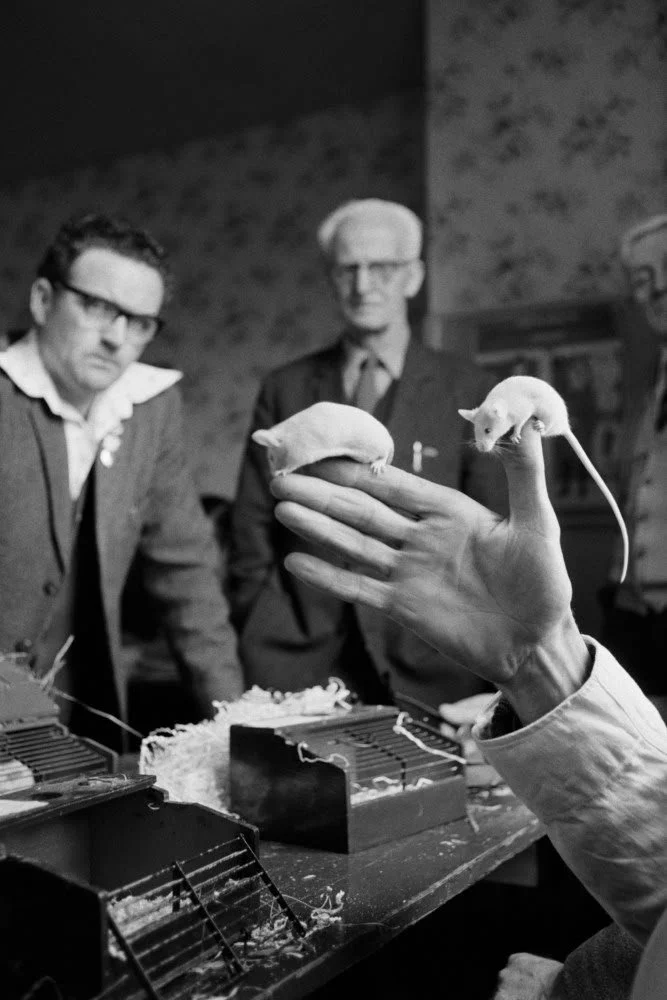
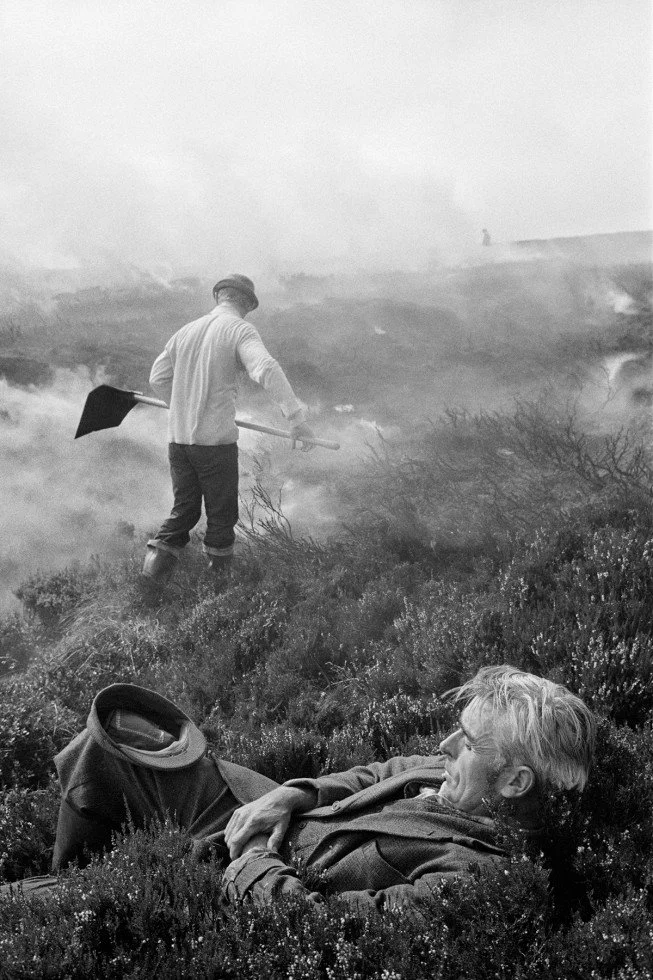
"You can define who you are by your relationship to the world through the camera and photography, recording changes in the world and inner changes, relying on the camera to design and understand a change."
Parr always held affection for his black-and-white period, convinced he had been far gentler in those years than in his color years, closer to a celebration of working-class life than to a critique of it.
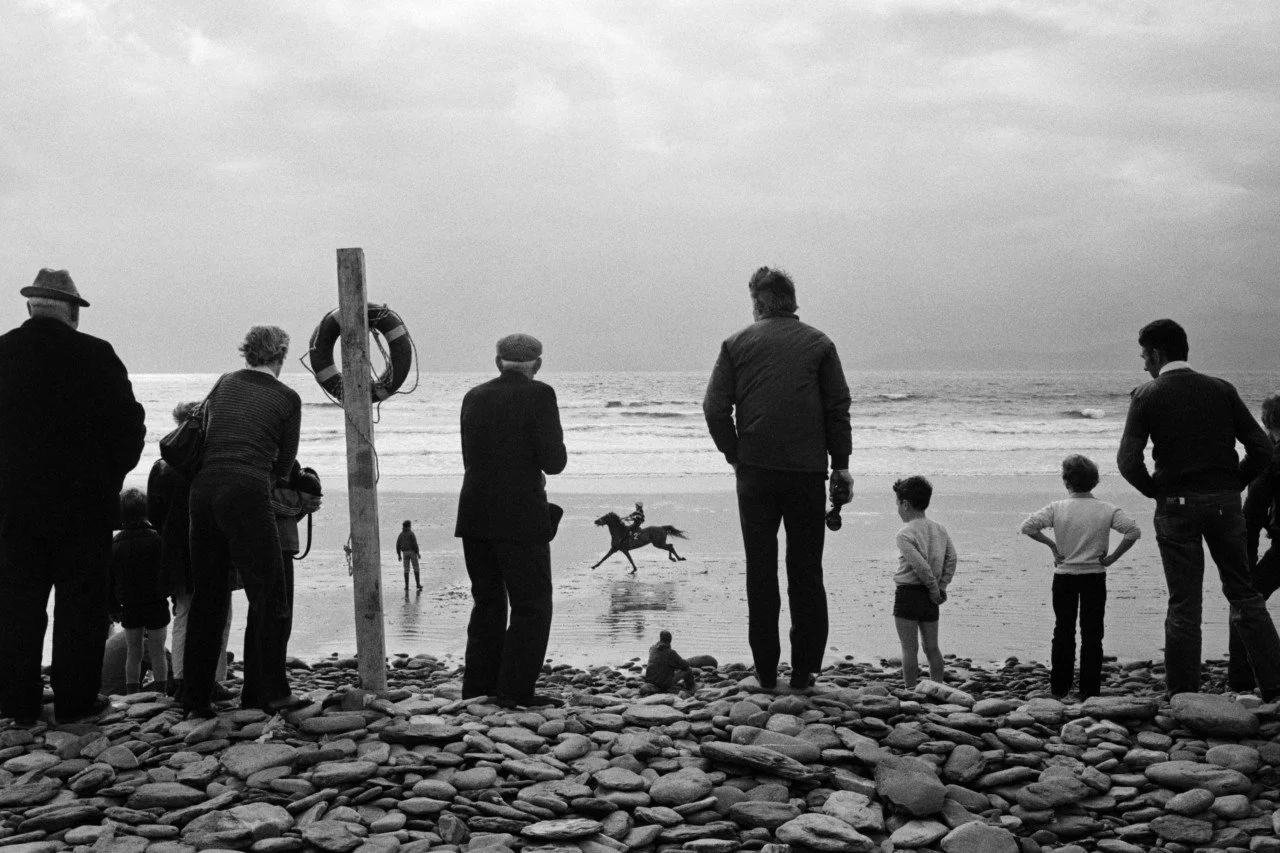
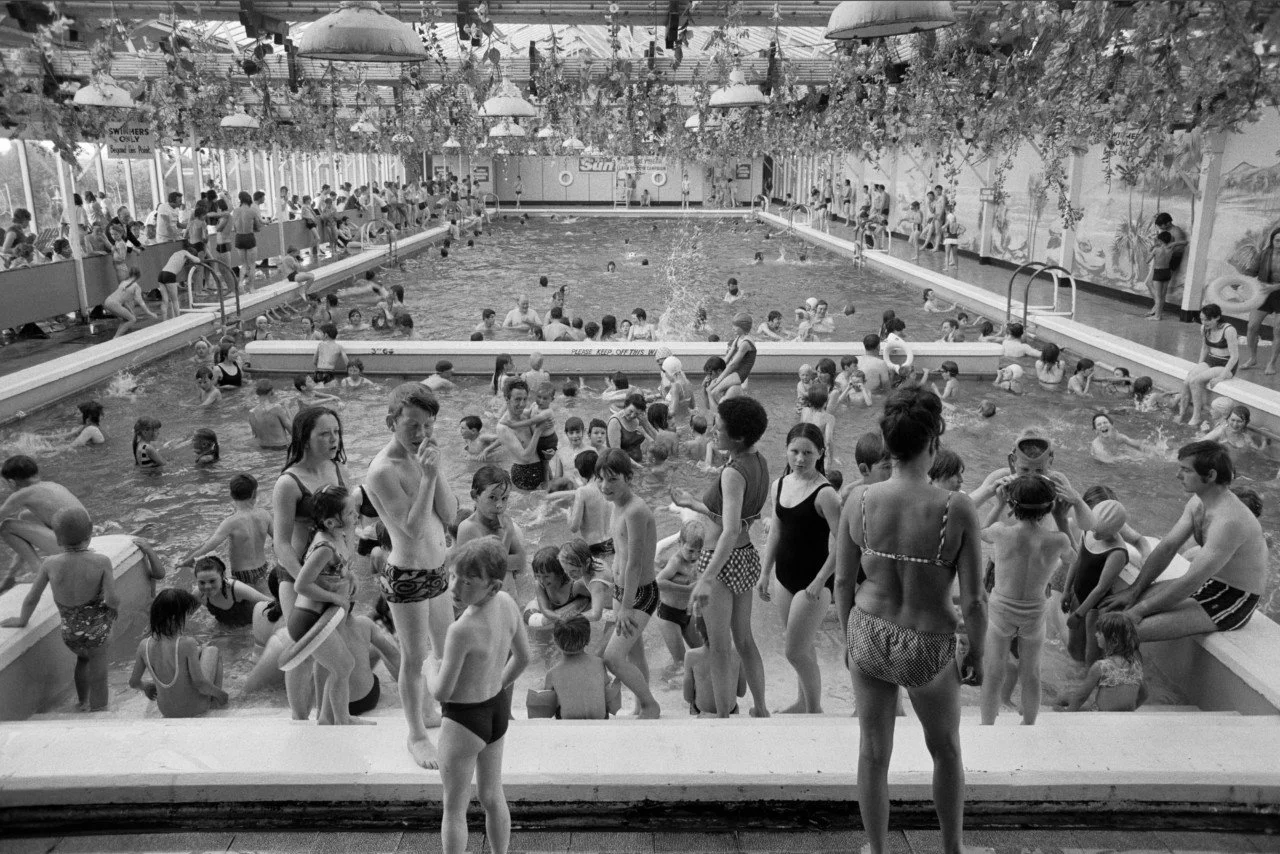
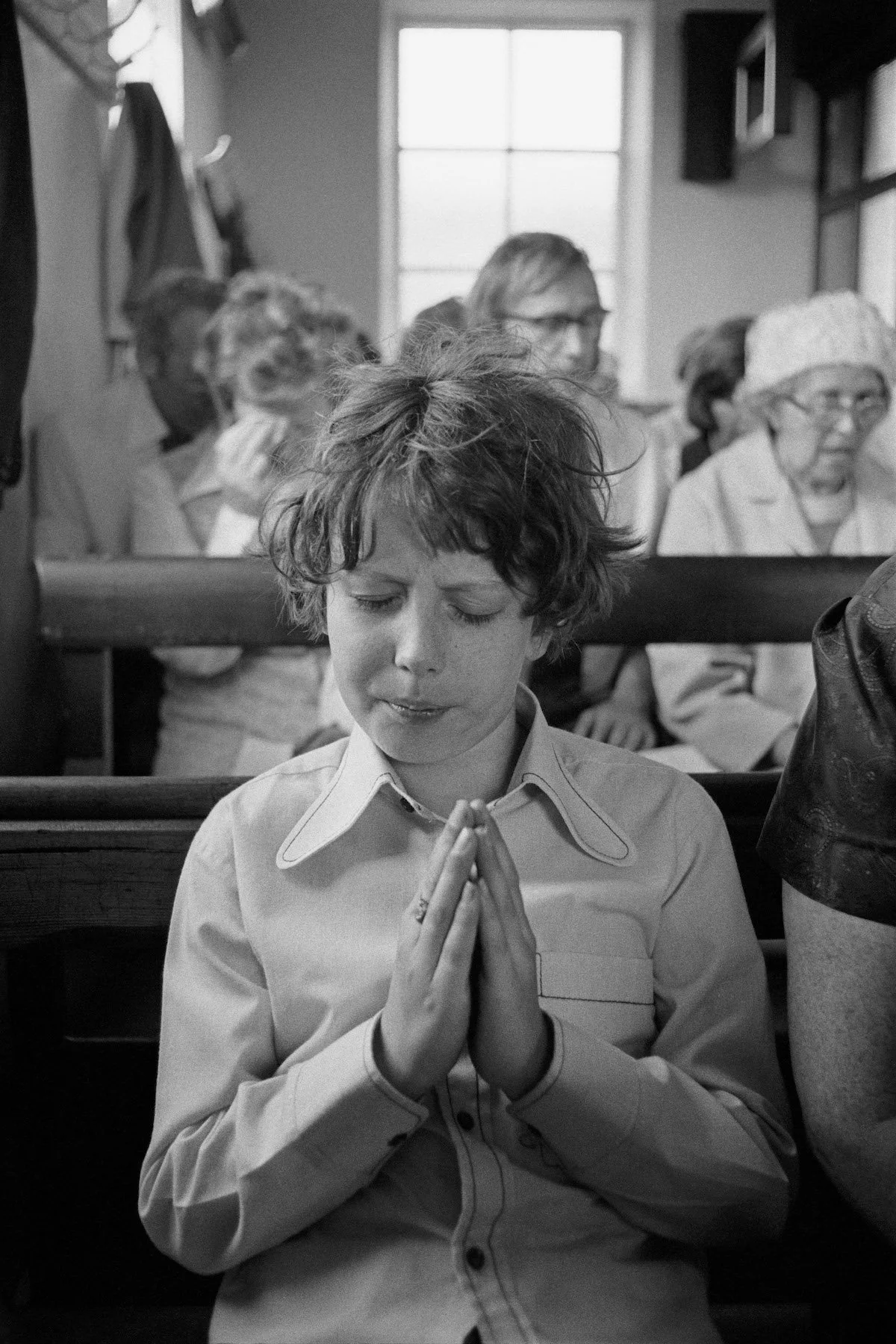
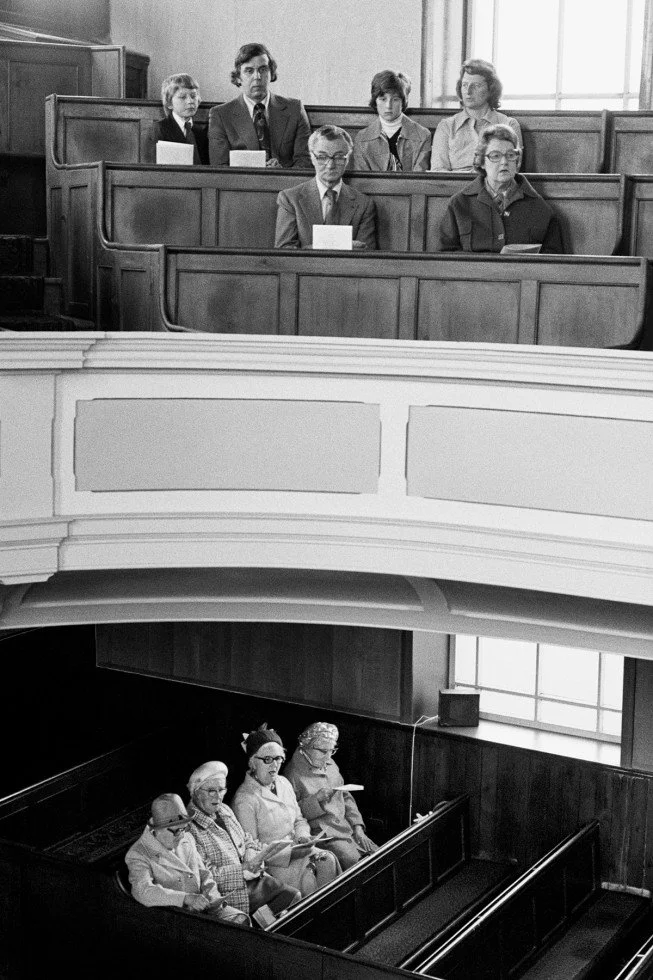
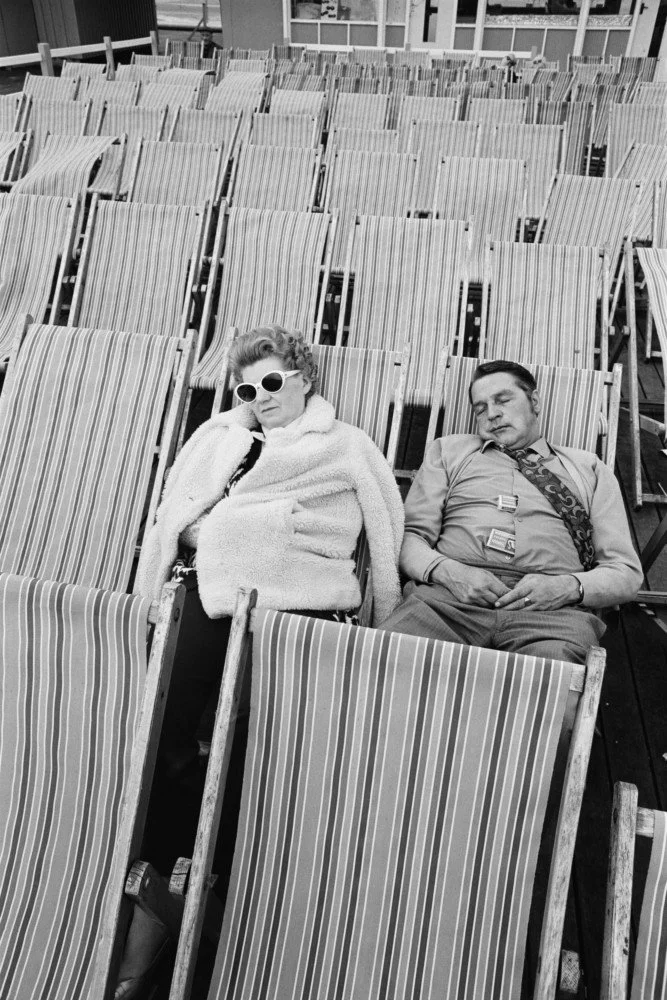
In the early 1980s Martin Parr moved for a time to Ireland, for his wife's work, and travelled the west coast of Ireland in the most iconic car of postwar England, the Morris Minor (ancestor of the Mini Cooper), looking for abandoned cars of the same model along the roads or in the countryside. The result speaks of the inevitable decline of any innovation and already shows Parr's tendency toward a strongly conceptual photography. The rule he set himself was simple: every time he saw a Morris, he had to stop and take pictures.

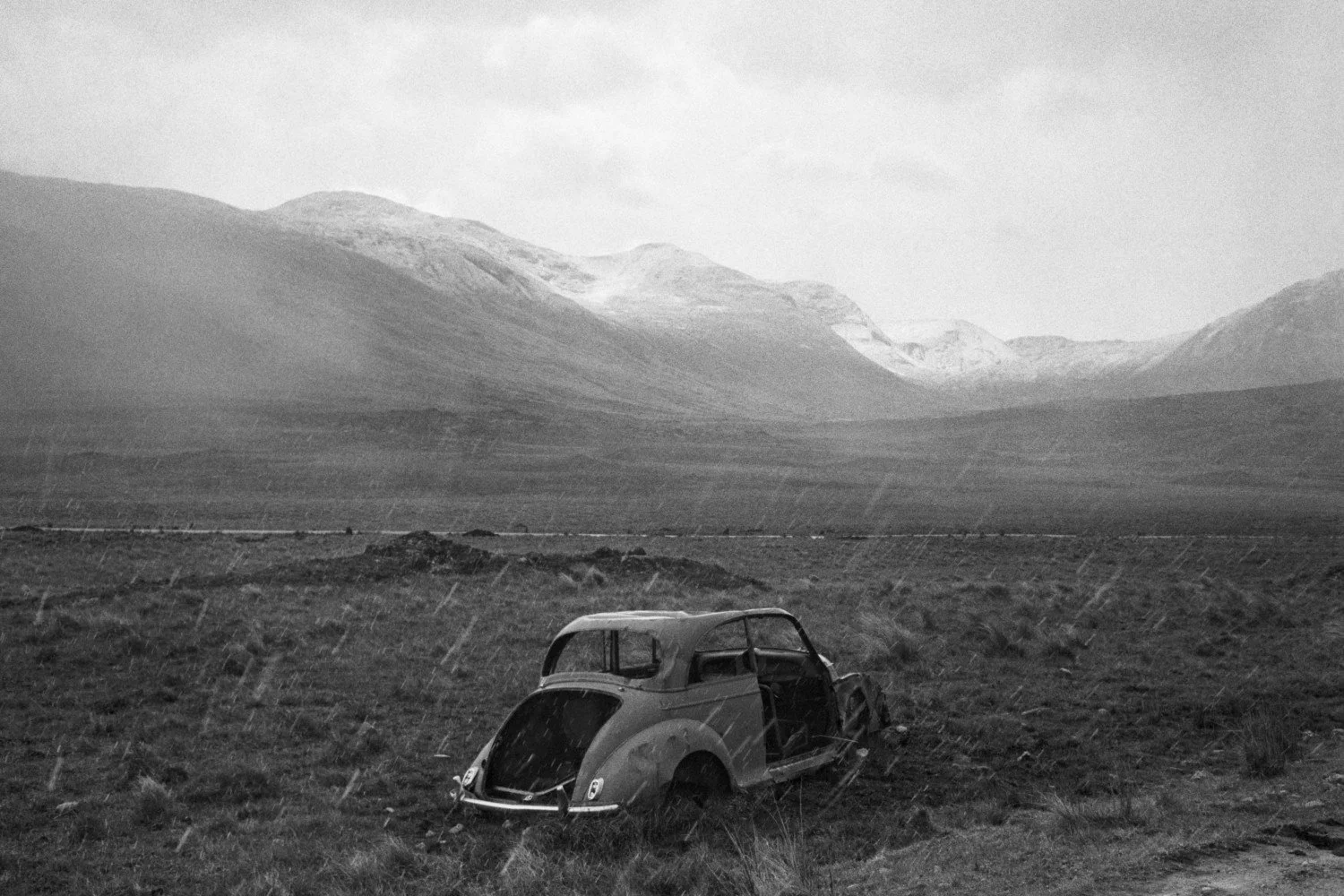
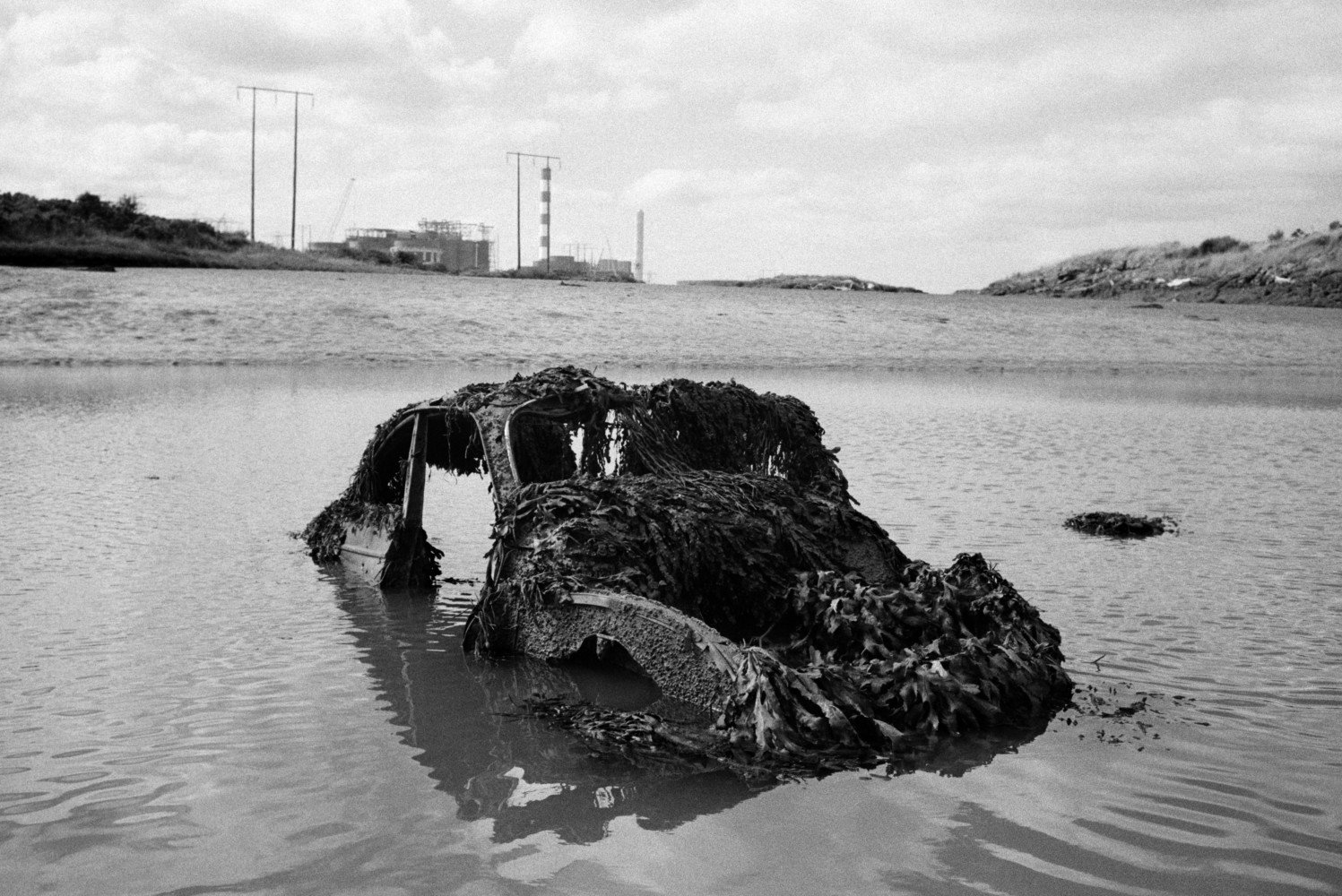


Moving to Colors
In 1982, on his return from Ireland, Martin's work took a turn to color, inspired by several influences.
“They gave me confidence to know that color can be serious too”
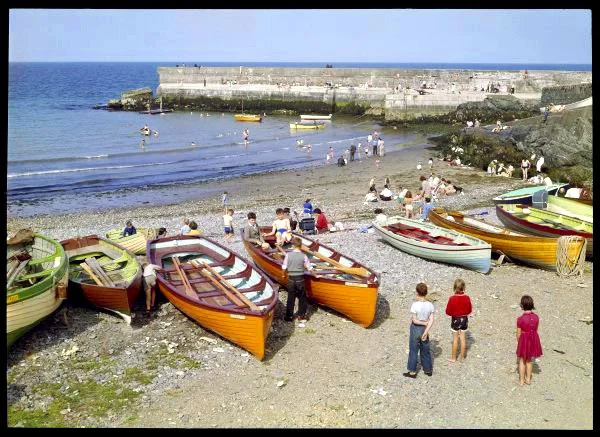
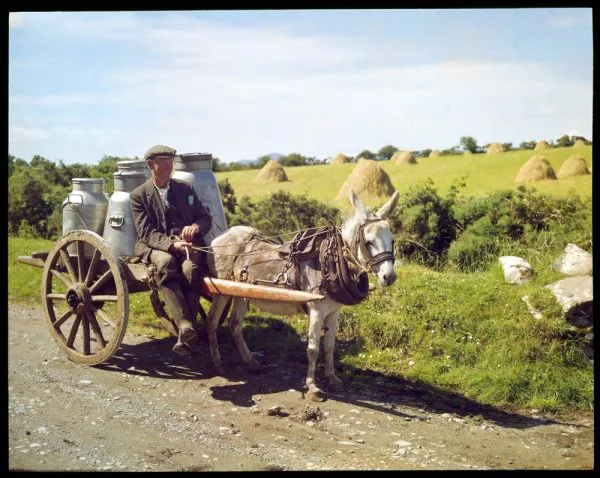
There was, first of all, the inspiration of John Hinde's postcard photography, which Martin came into contact with while working in holiday villages, and which he considered a unique part of English documentary photography. (pictures from John Hinde Collection, some of them commisioned to other photographers)
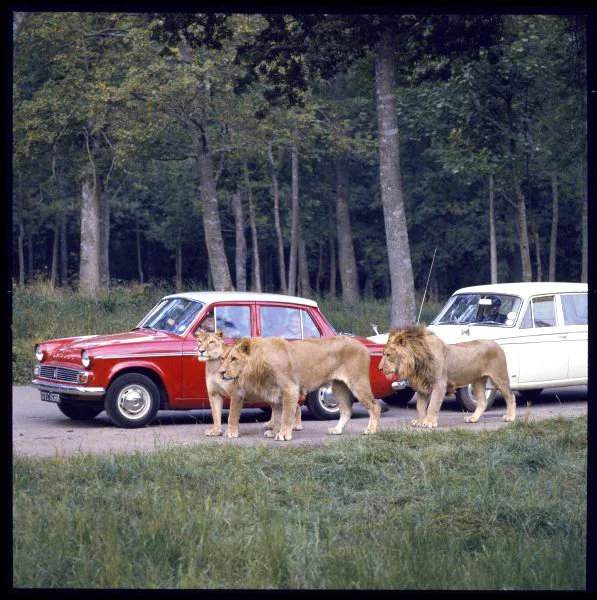
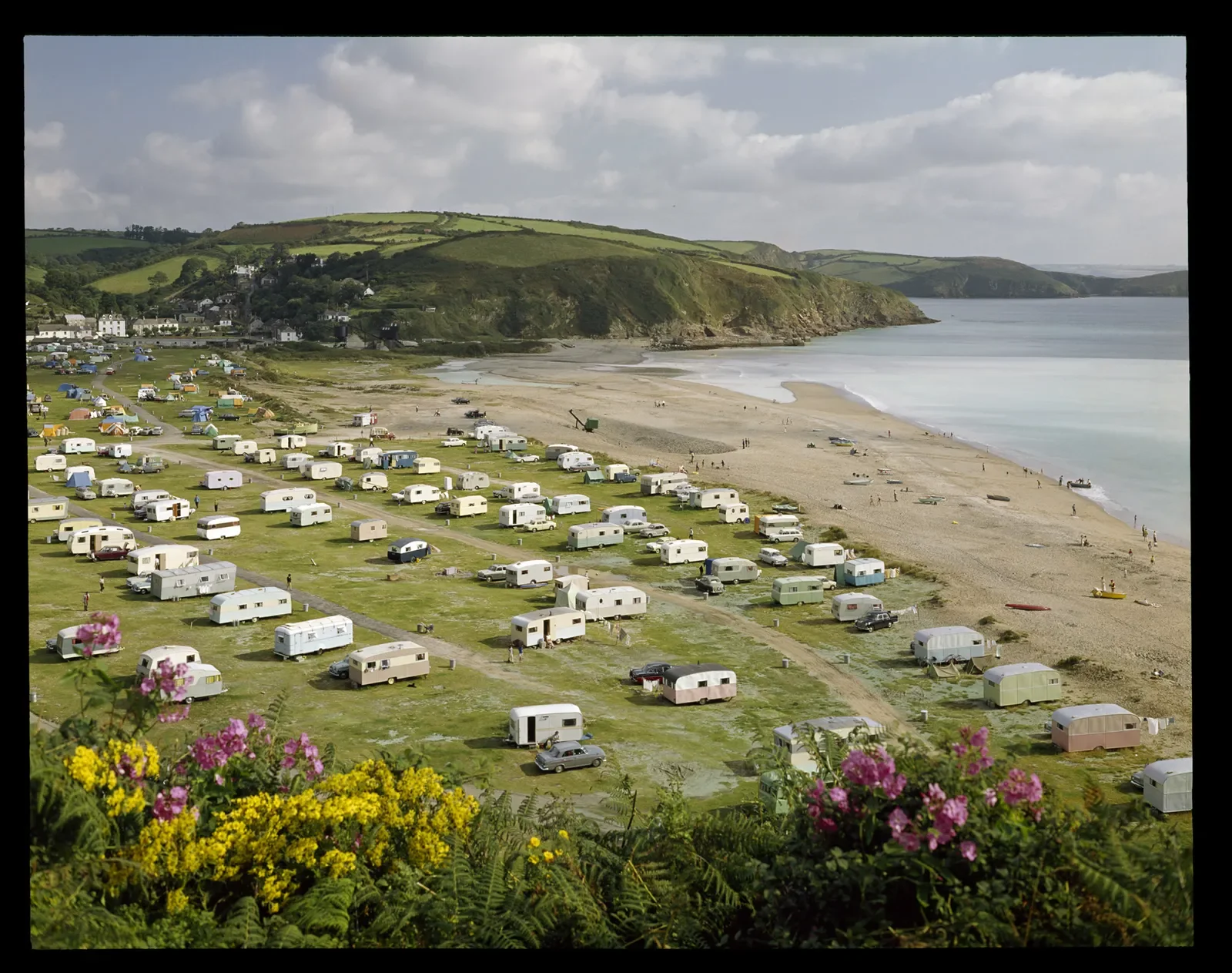
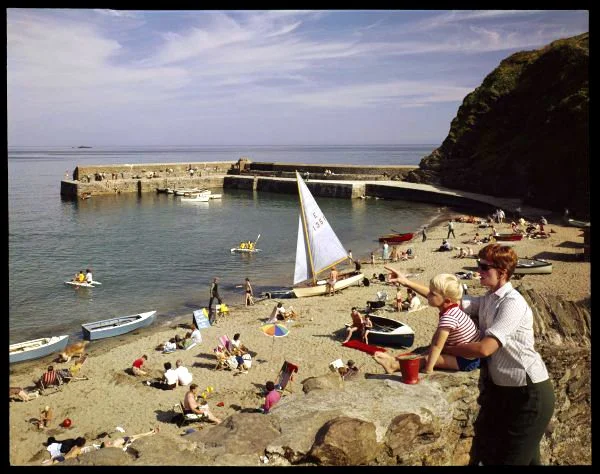
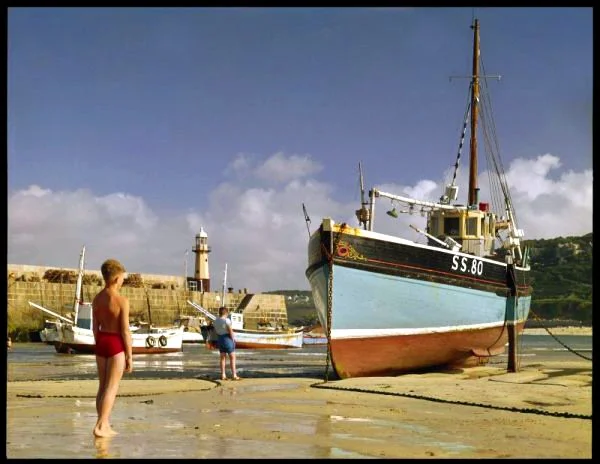
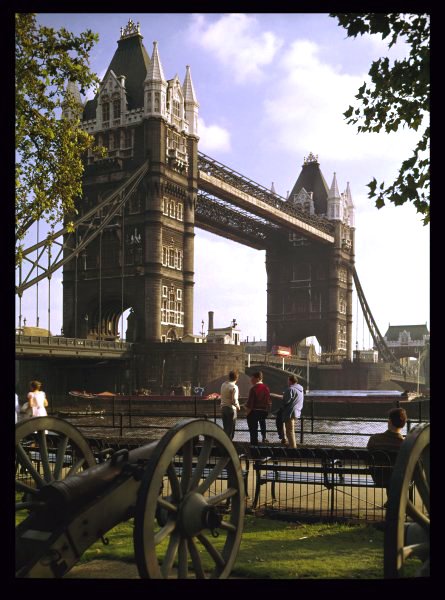
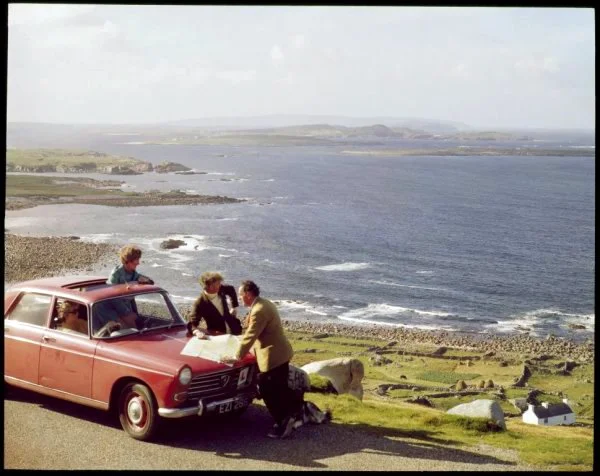
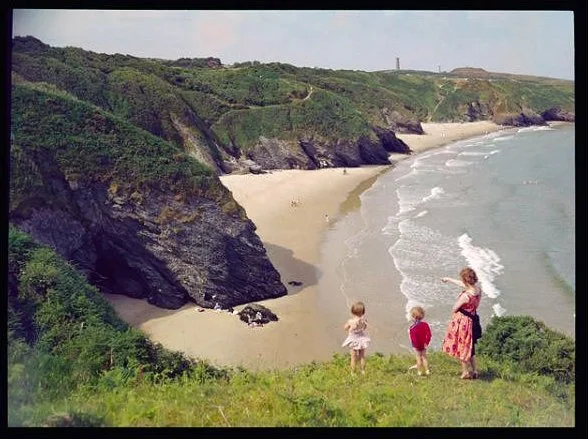
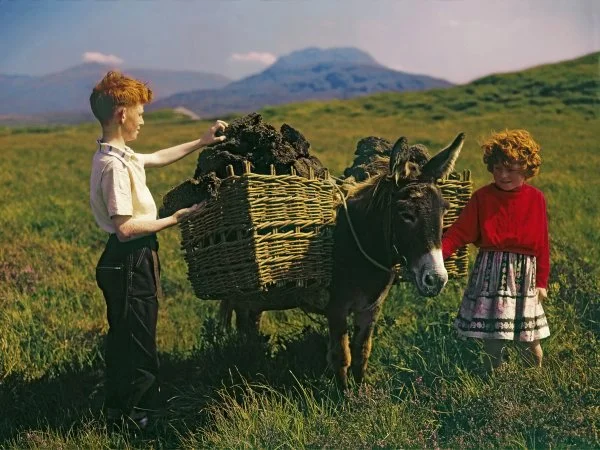
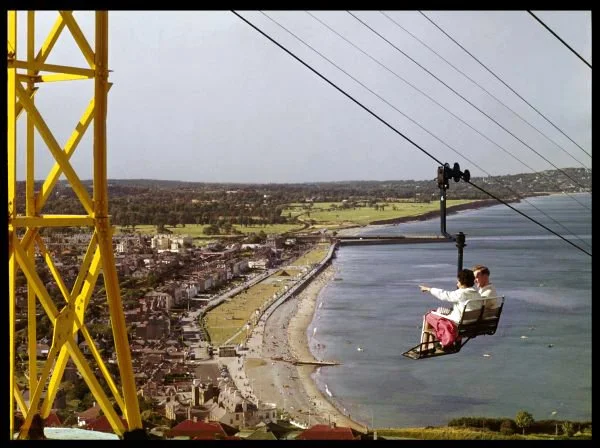
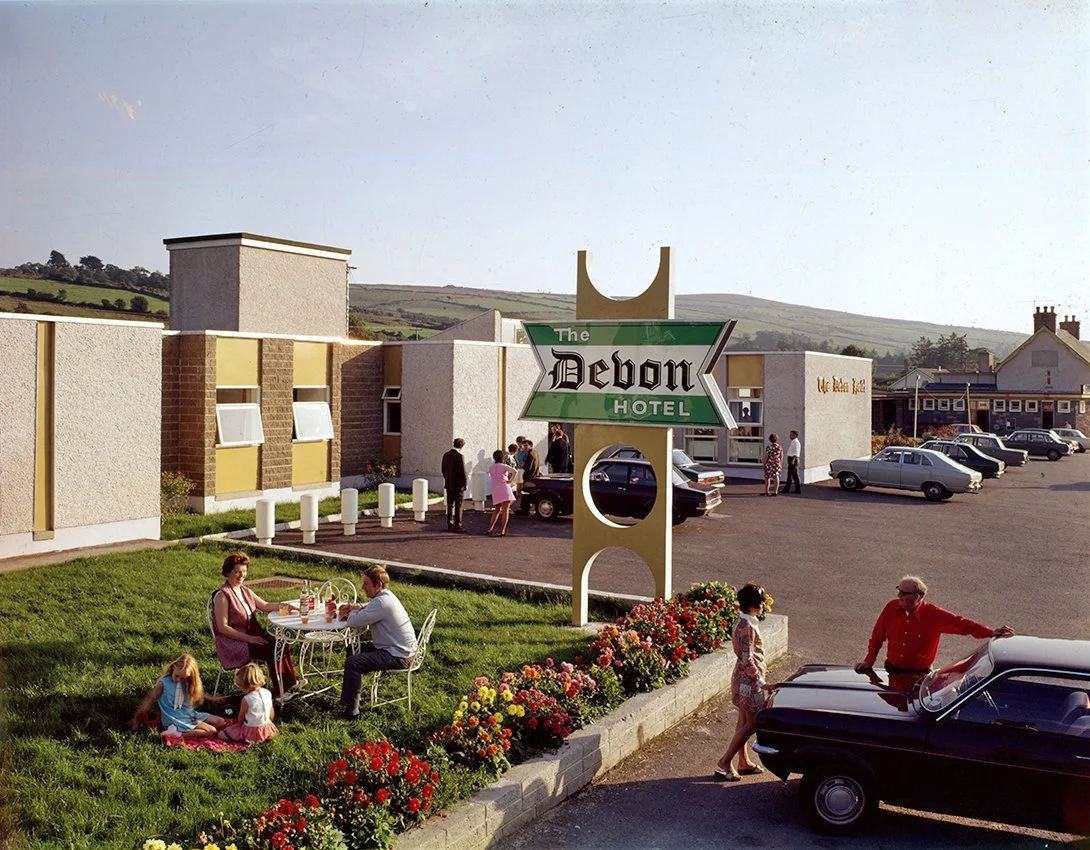
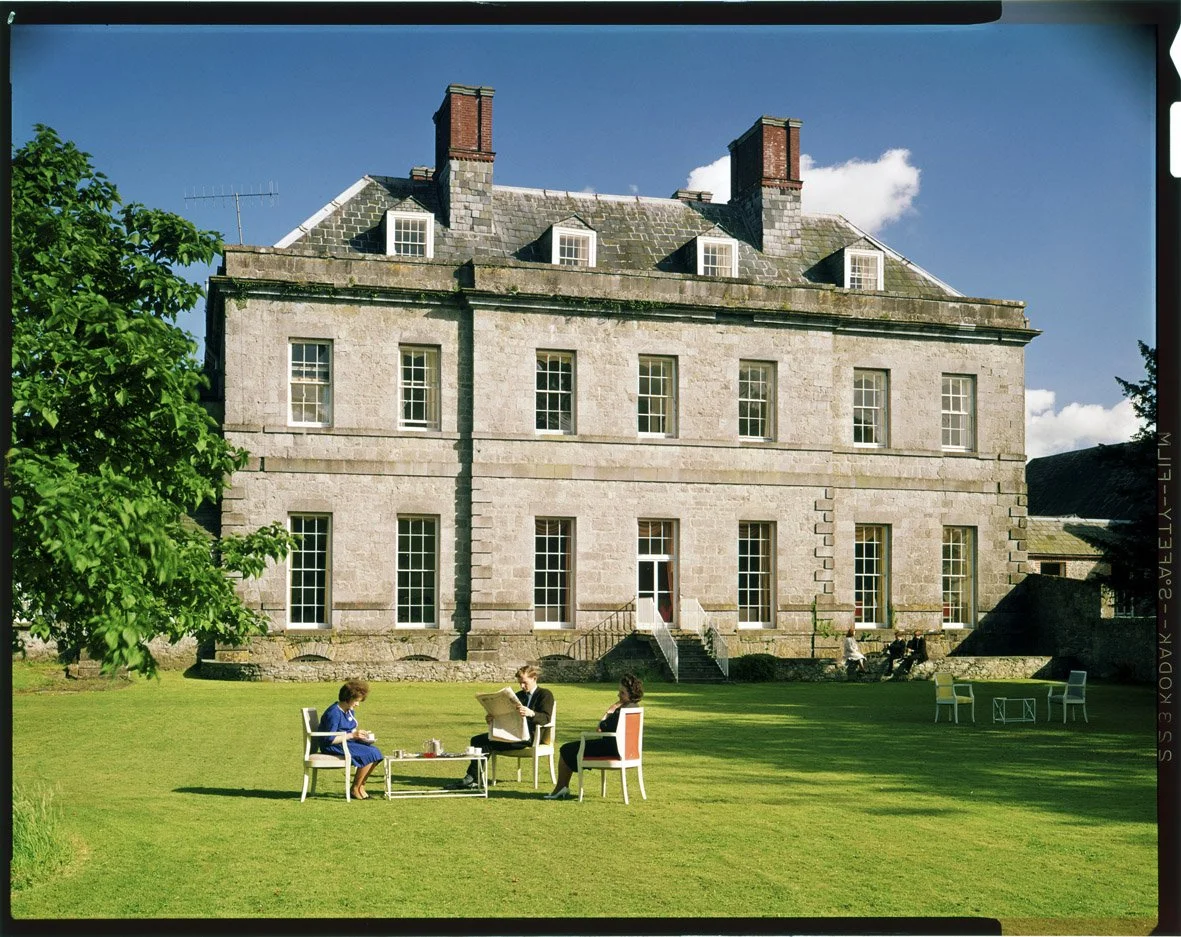
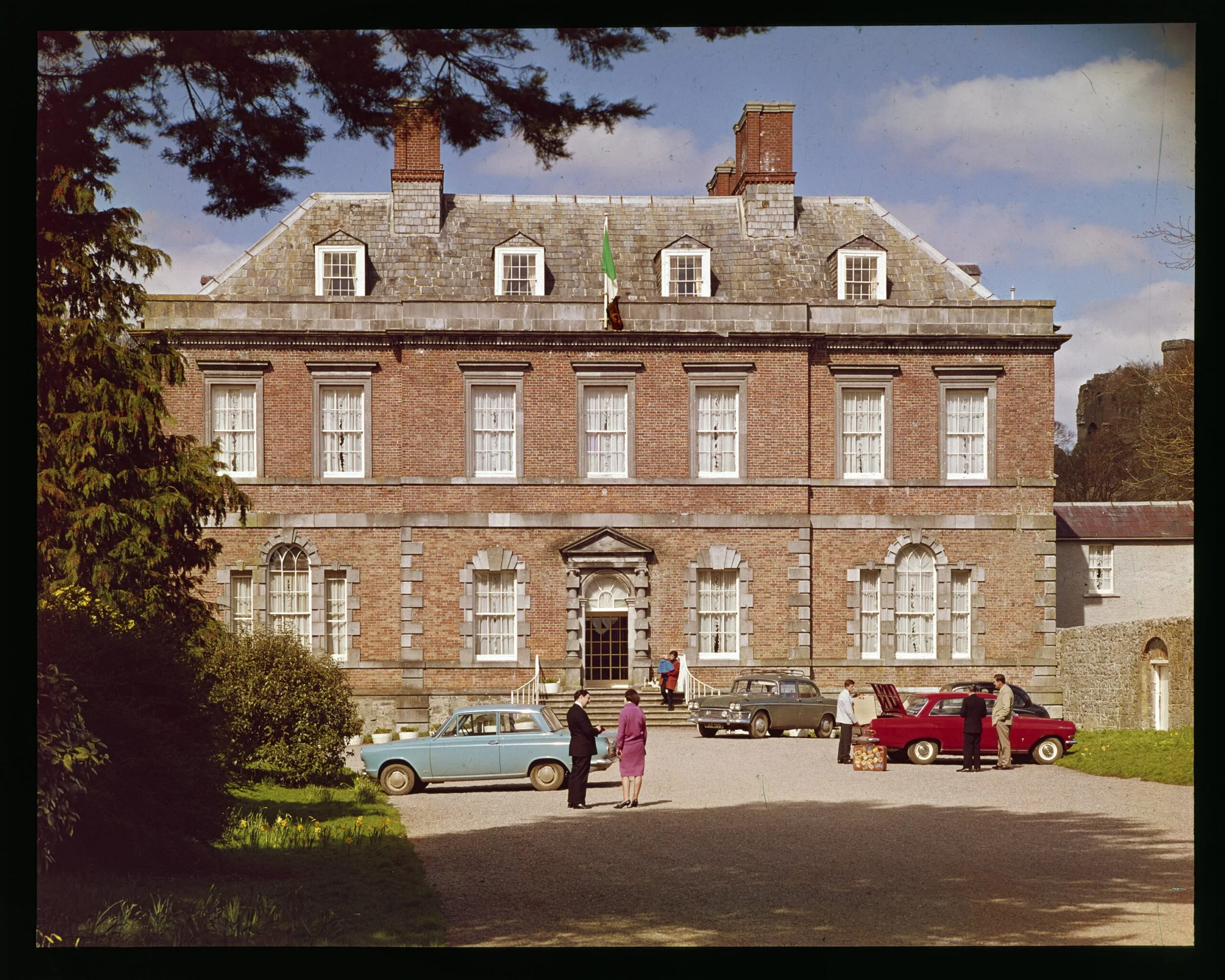
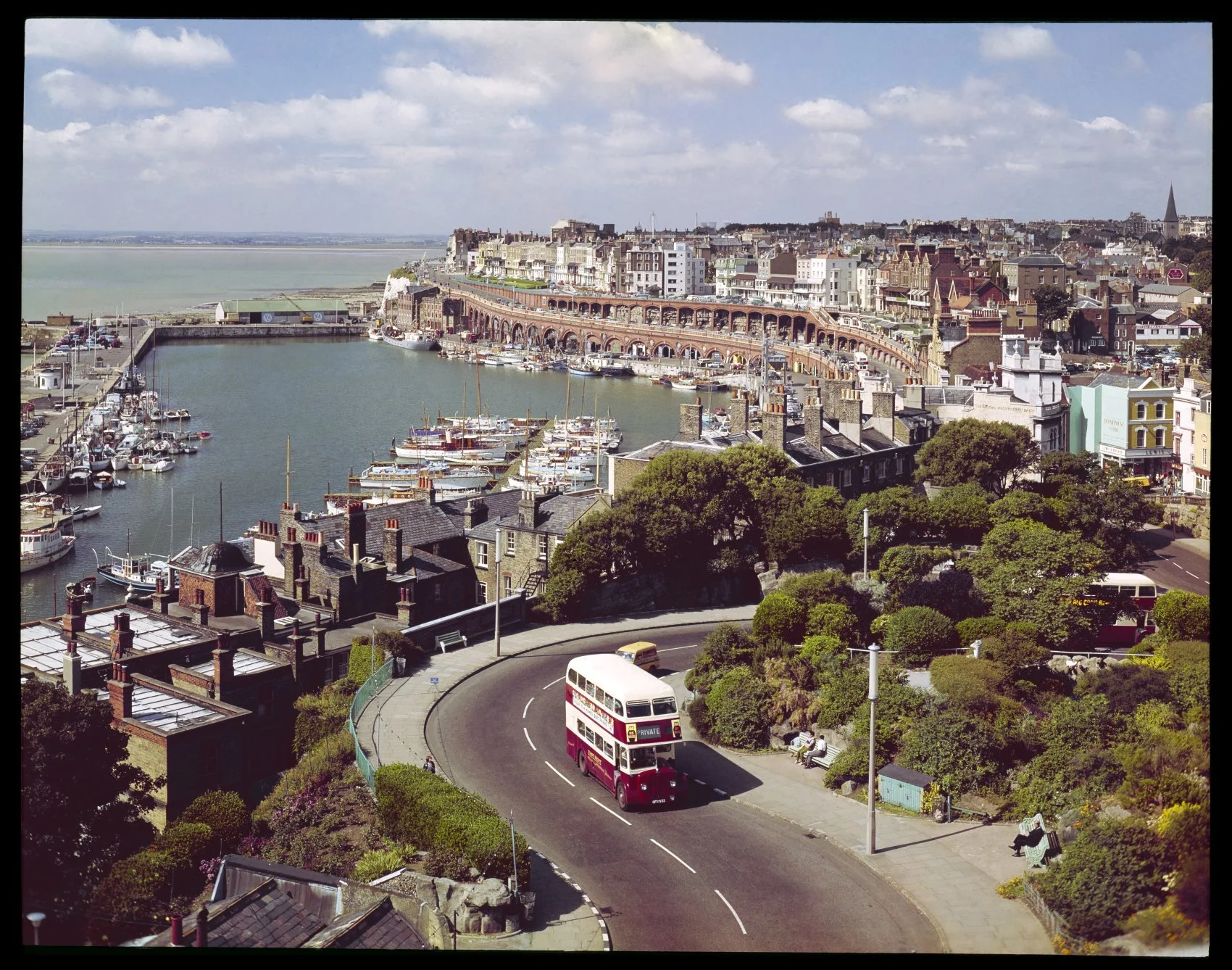
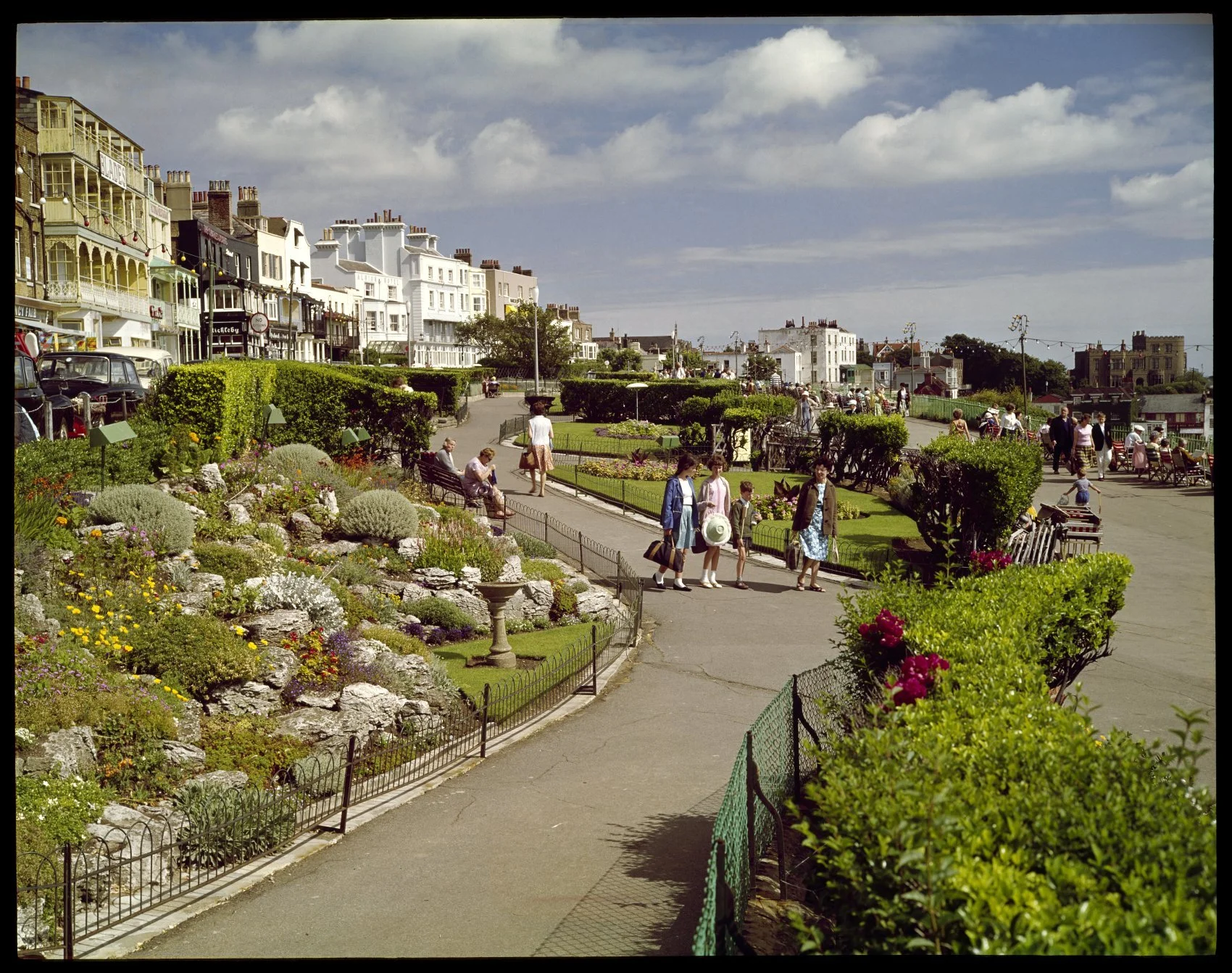
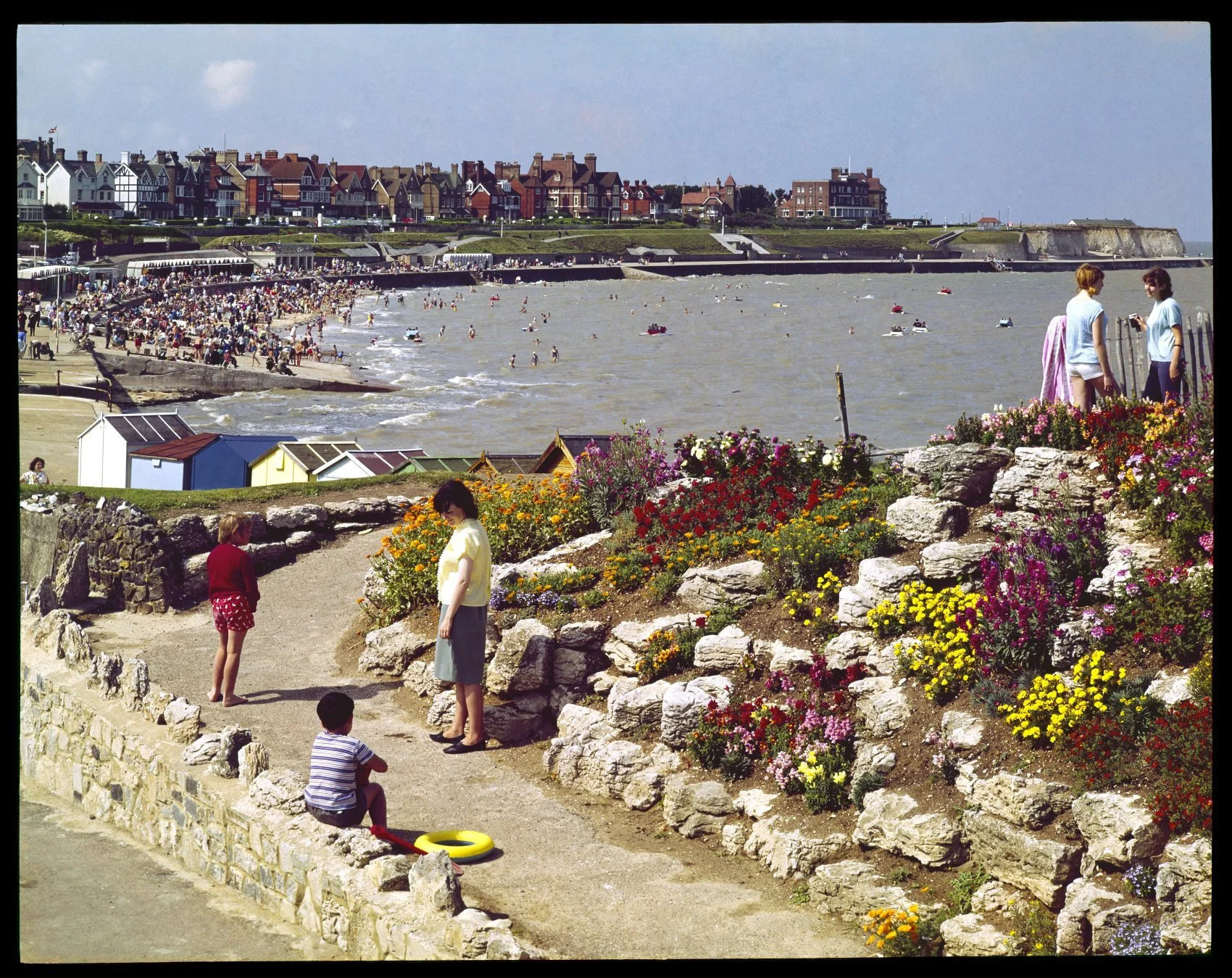
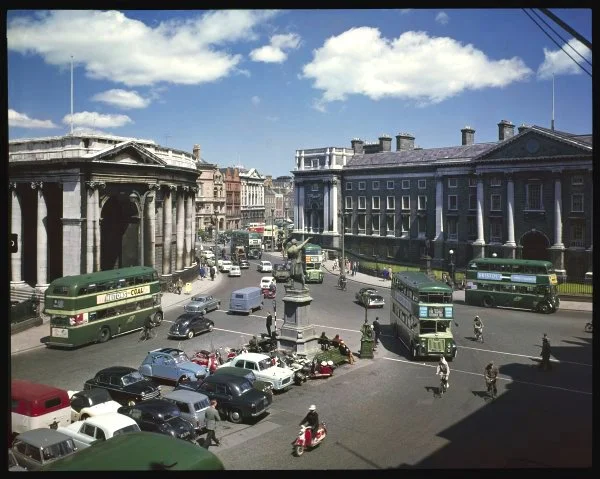
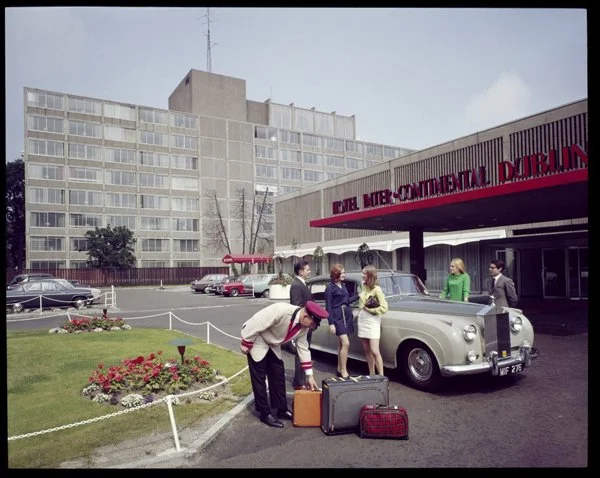
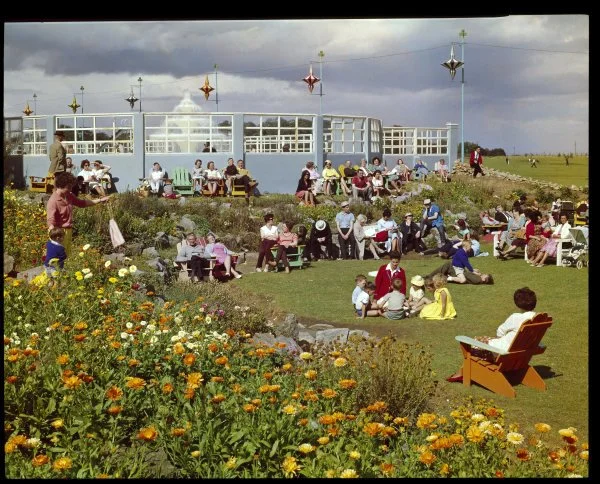
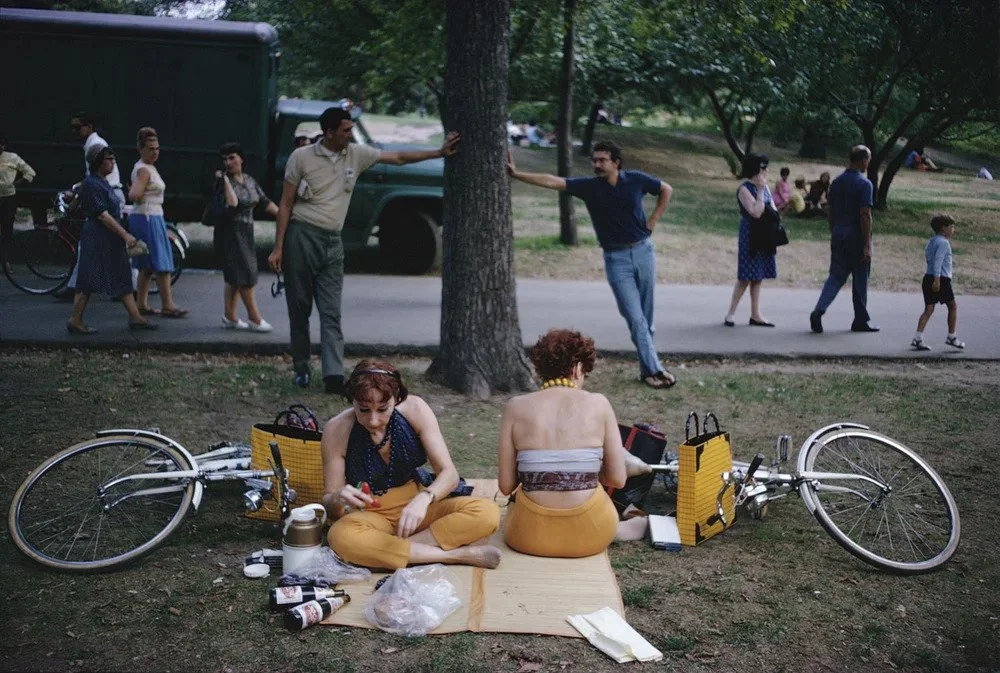
There were also the examples of American photographers such as Joel Meyerowitz
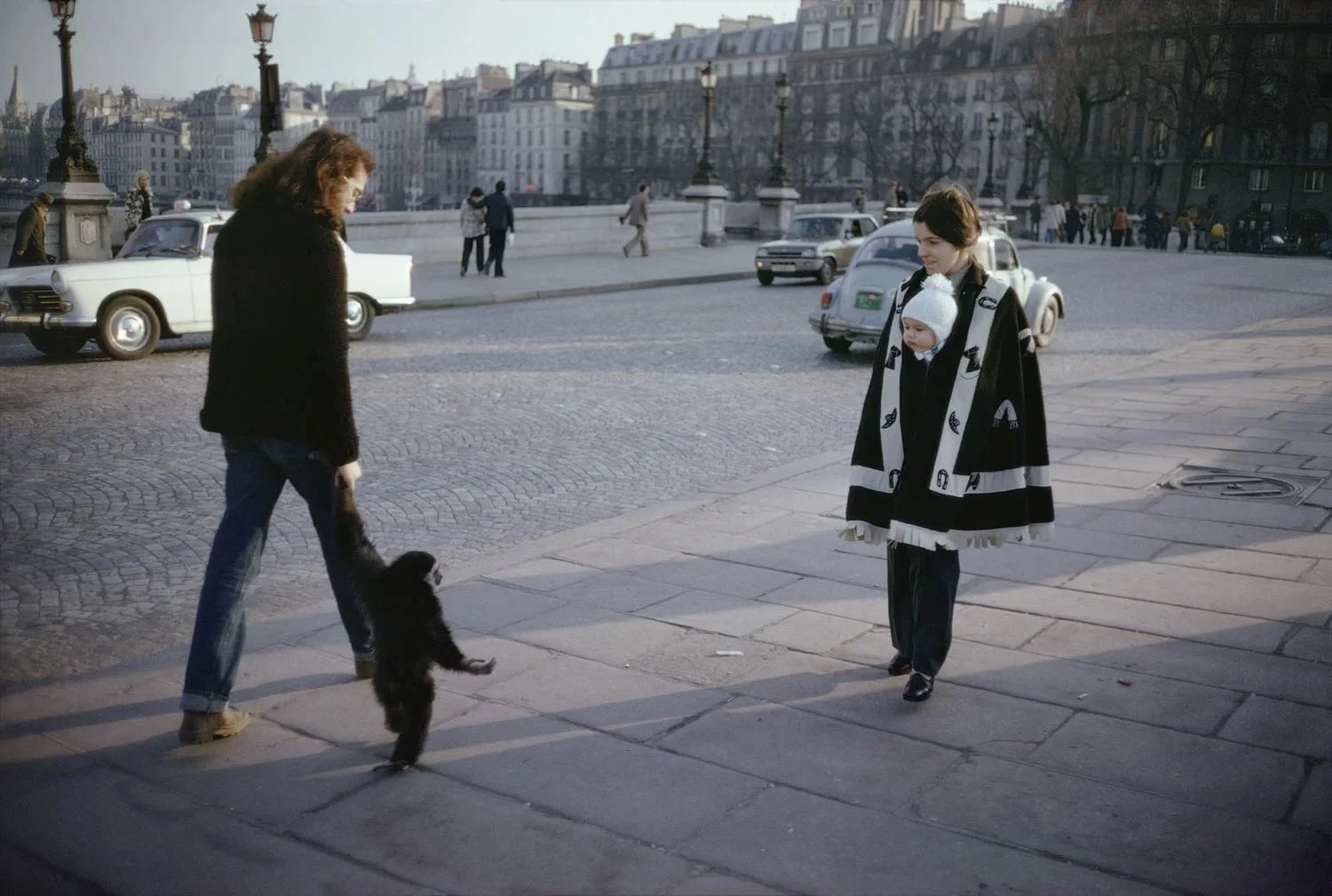
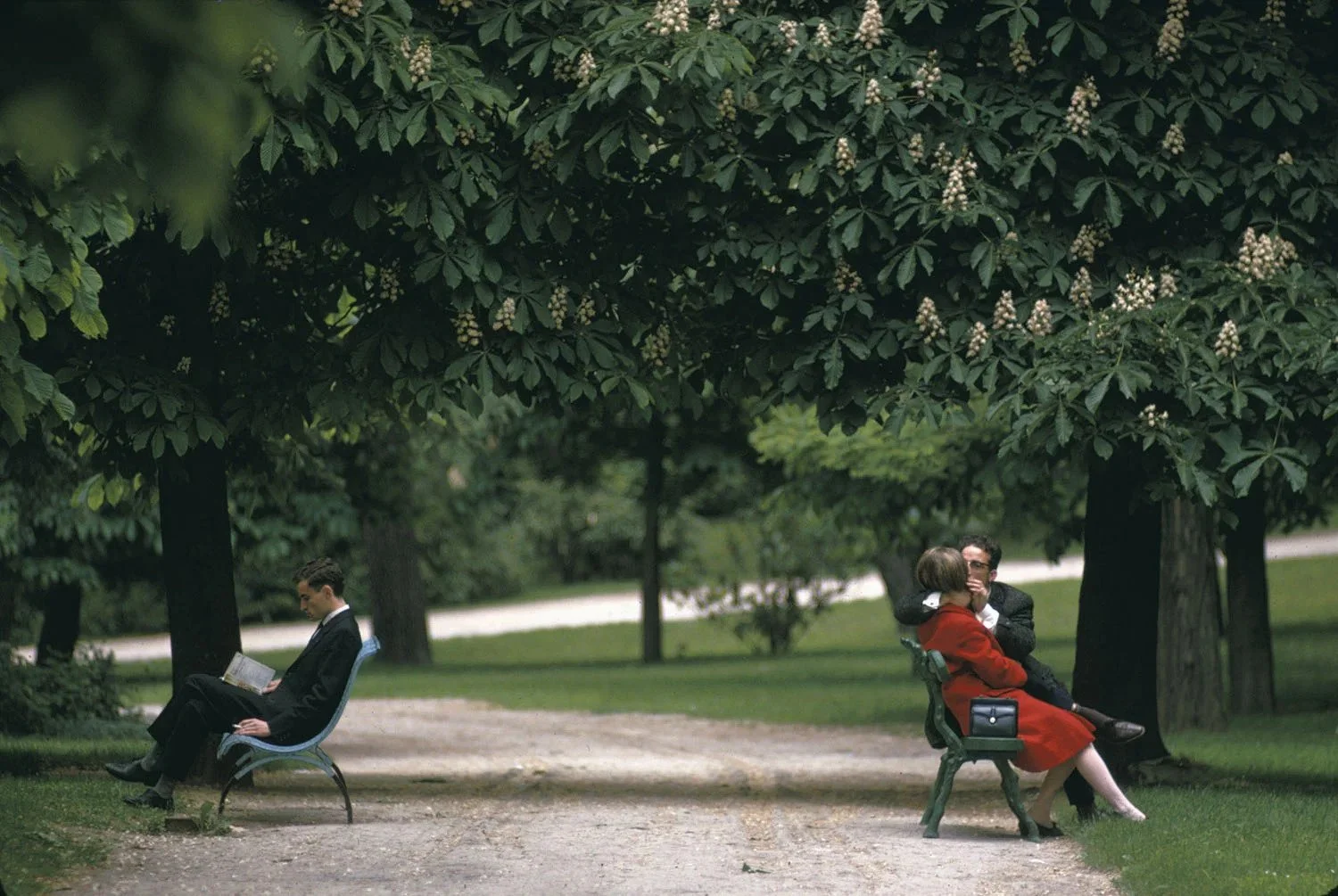
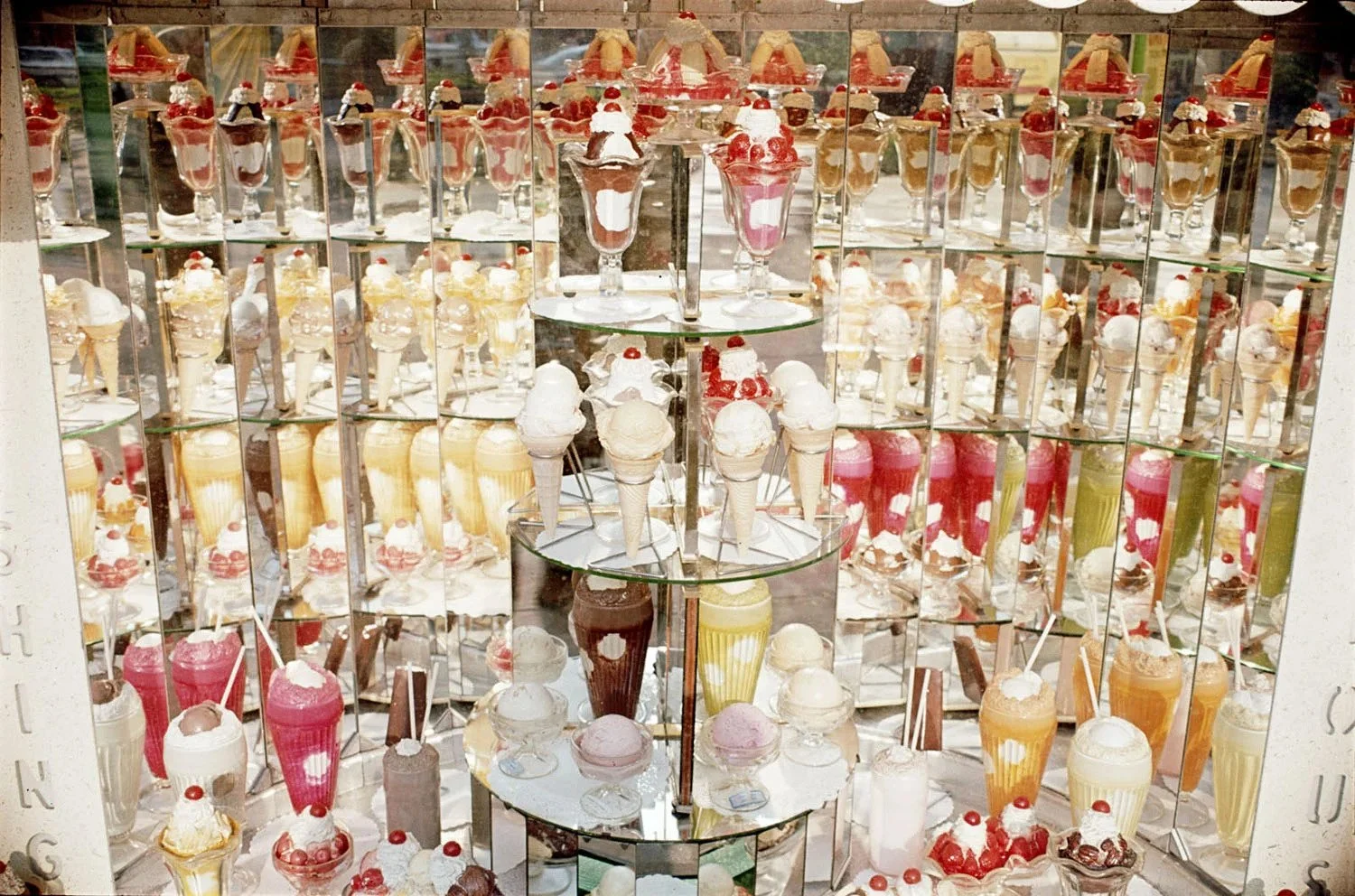
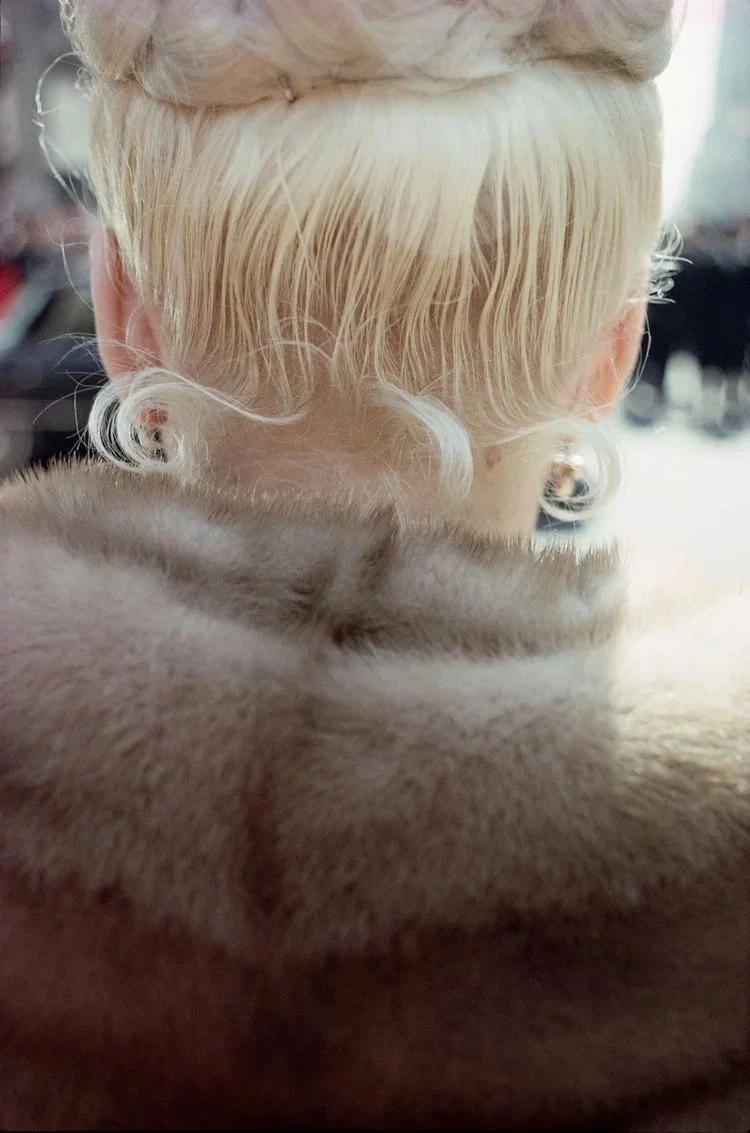
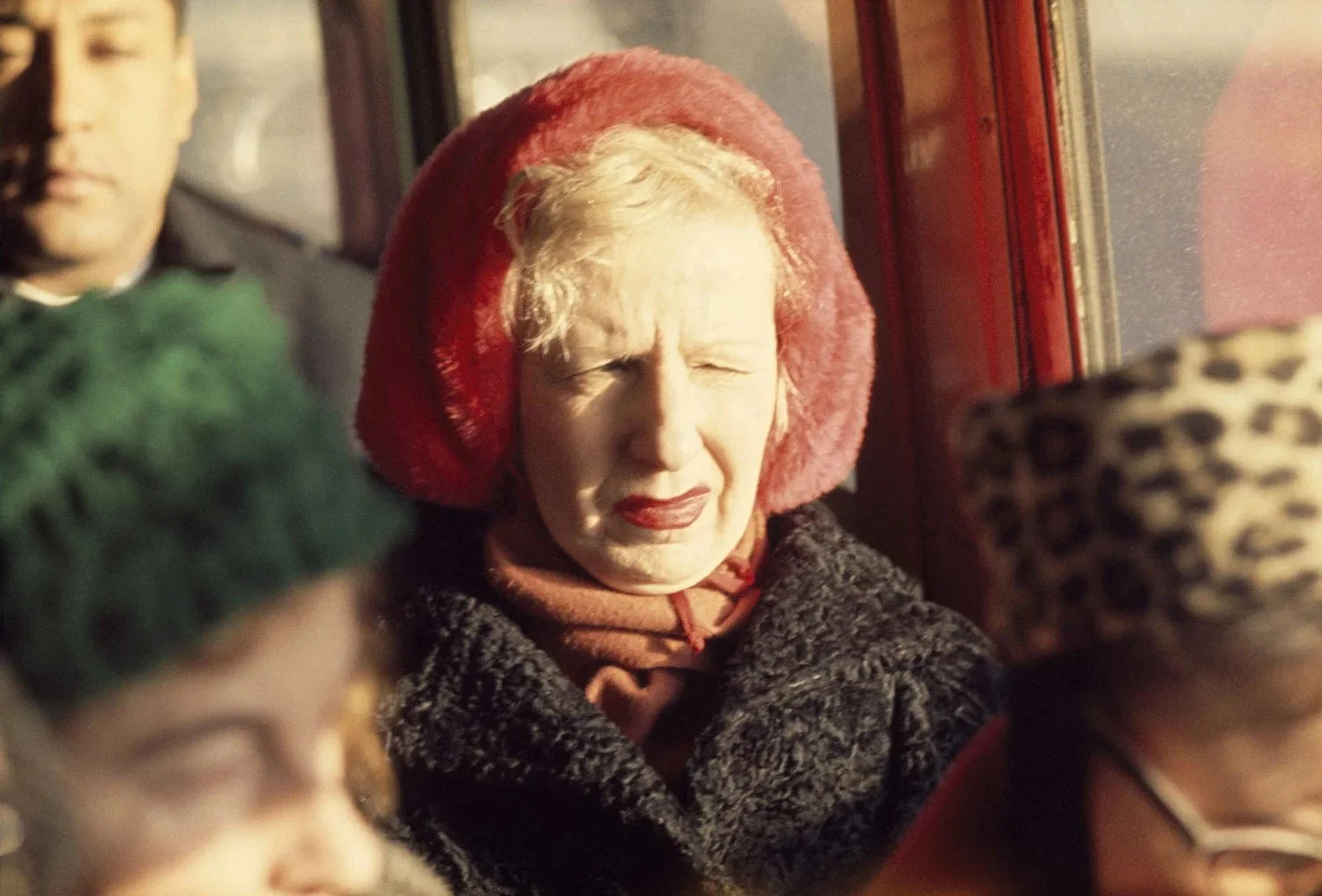
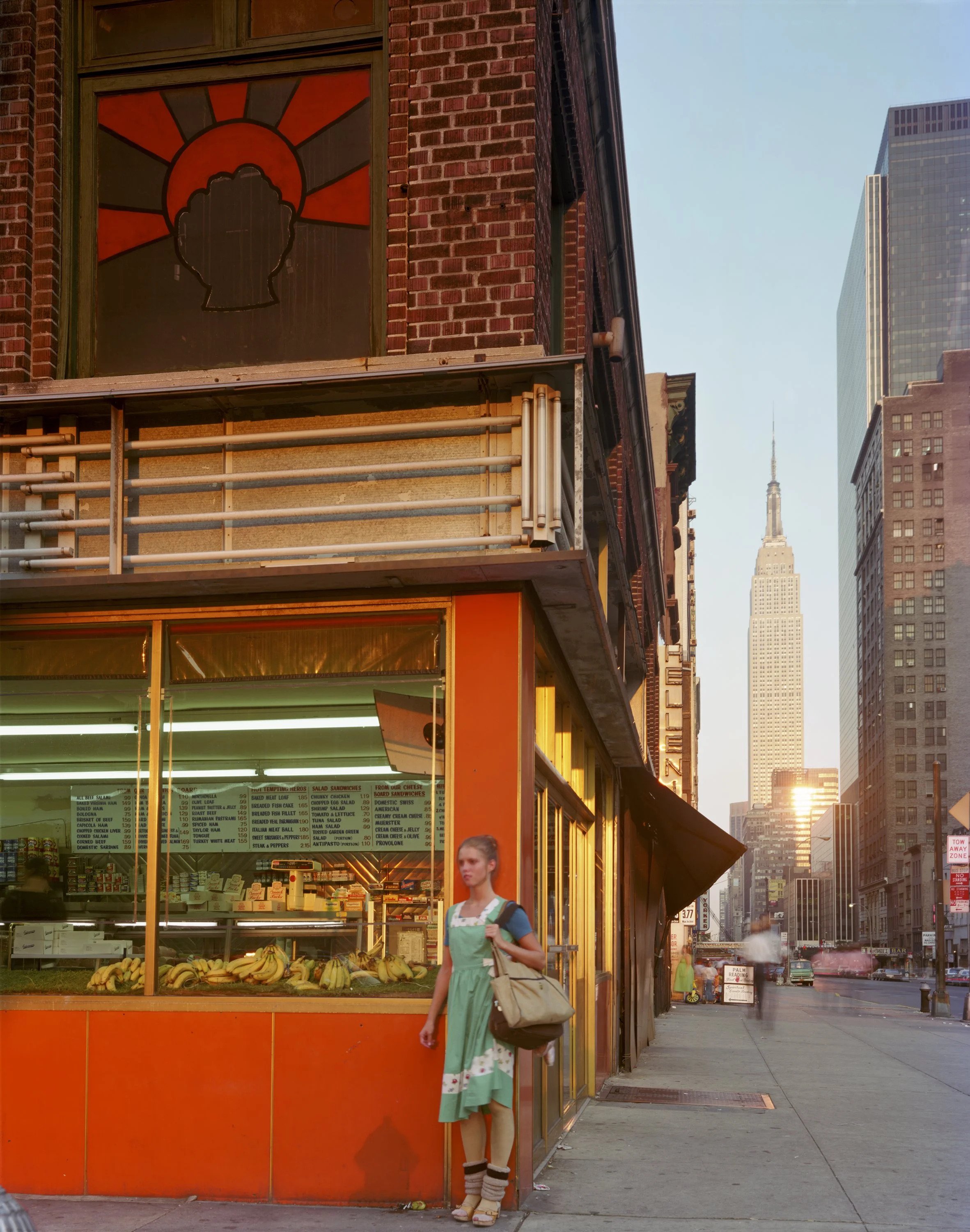
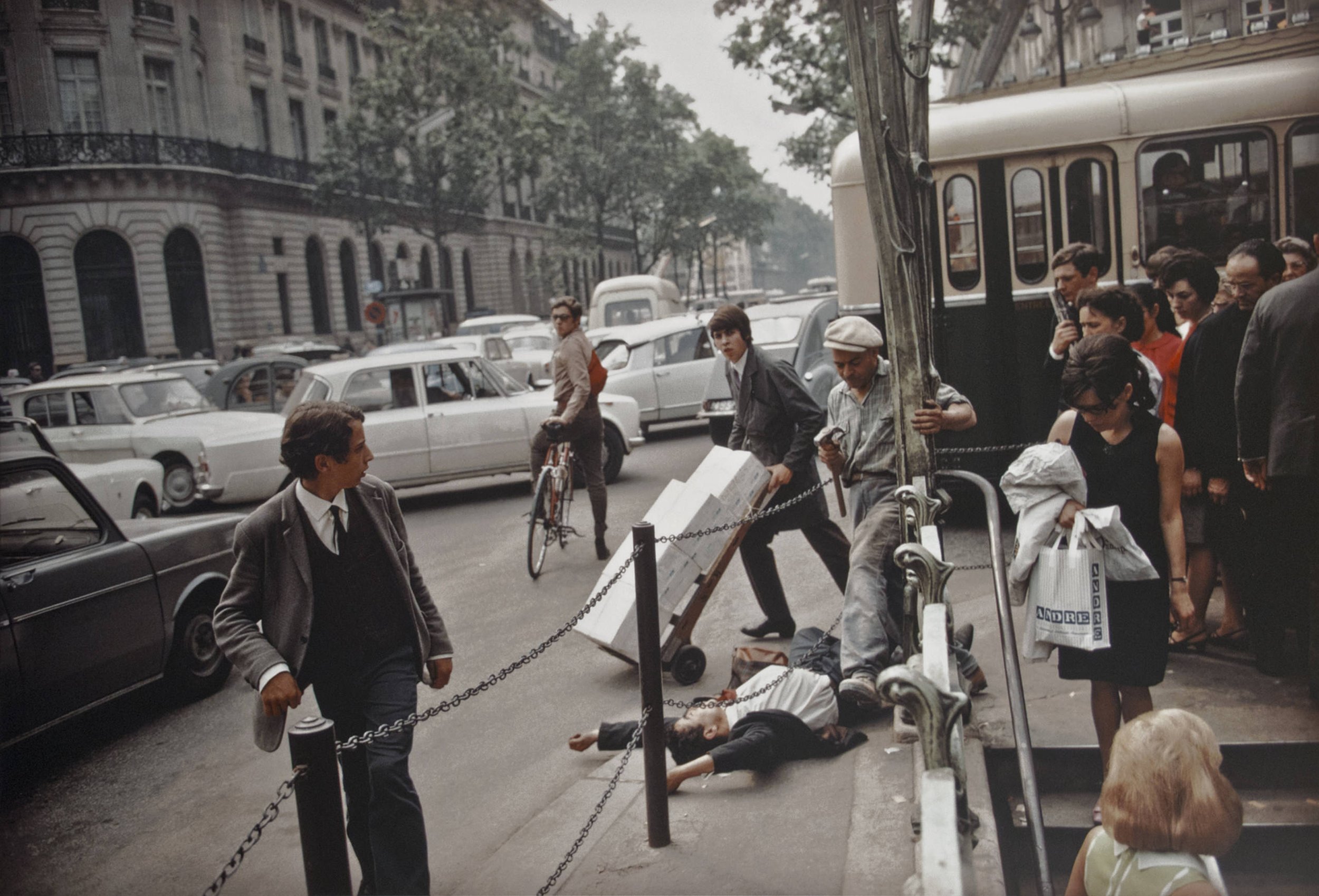
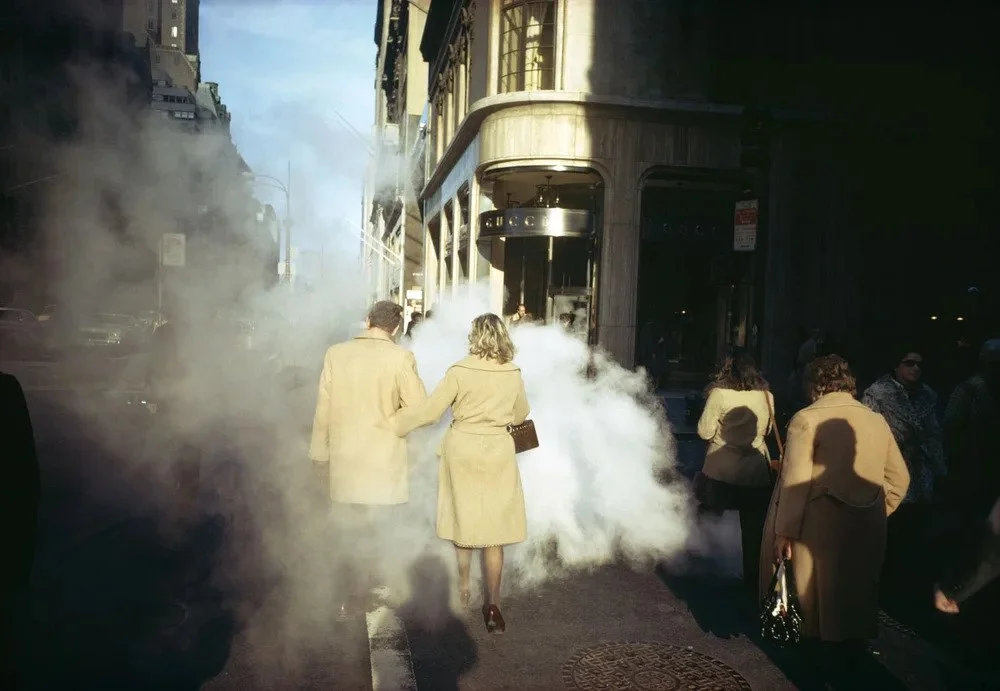
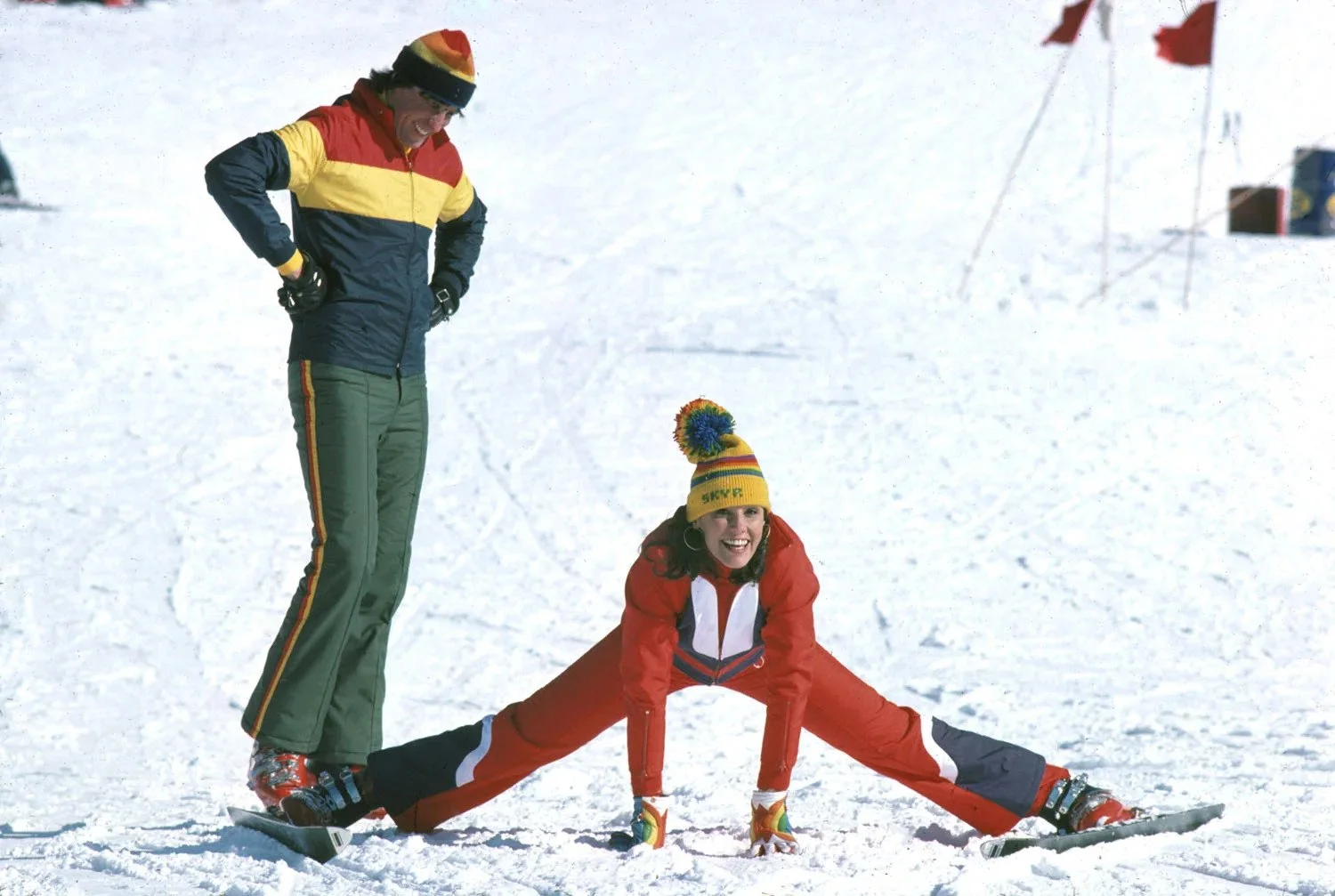
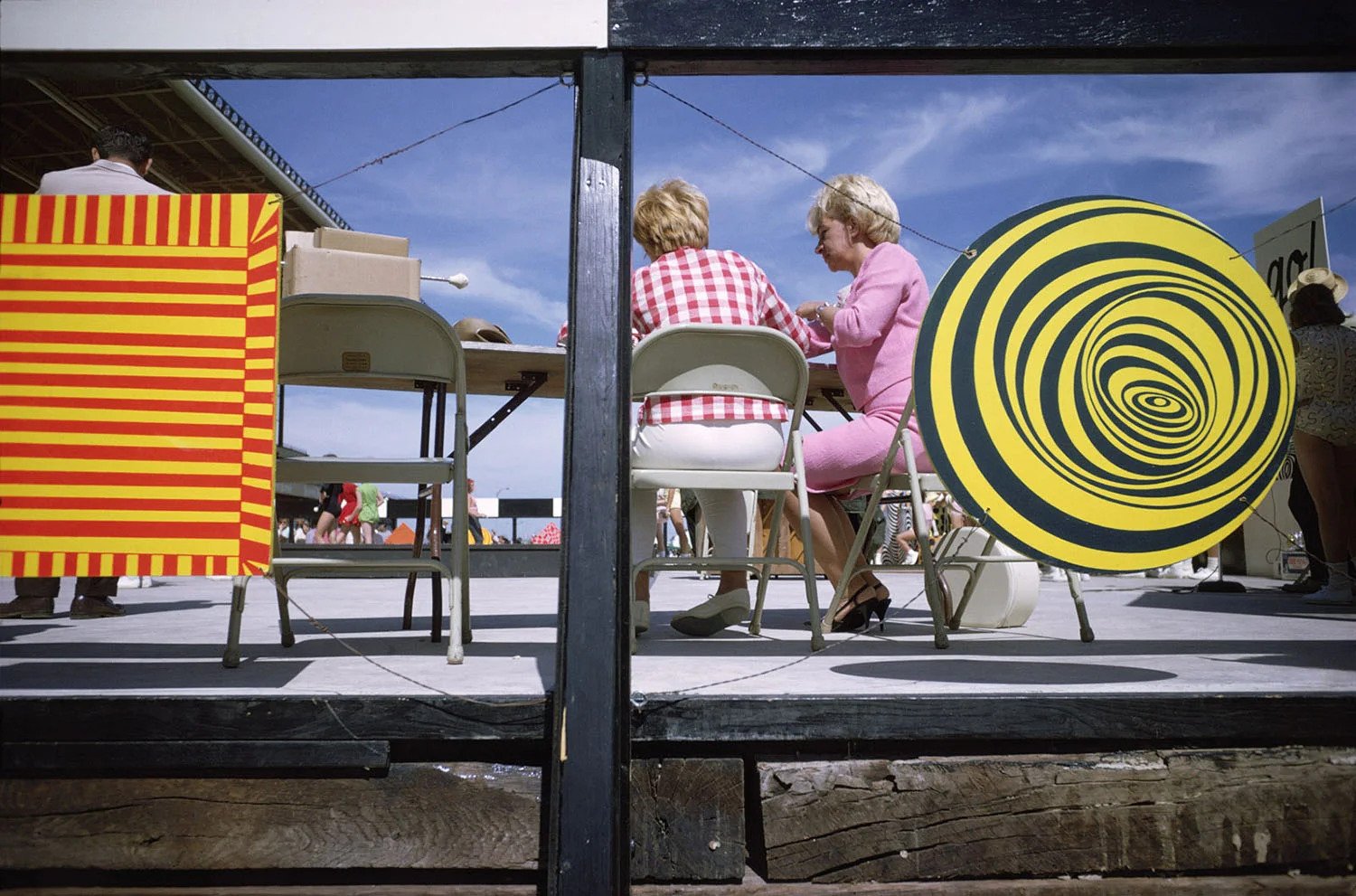
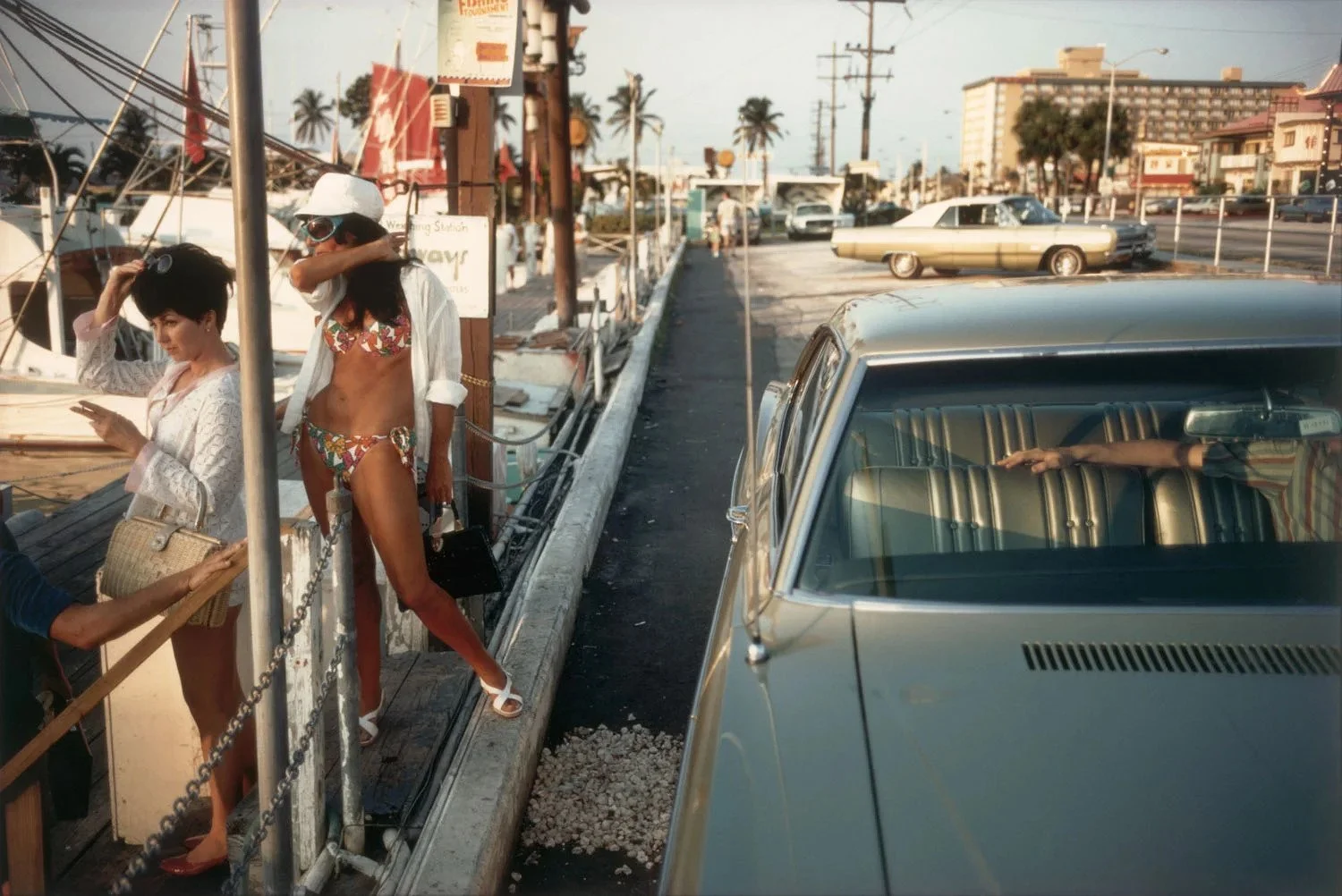
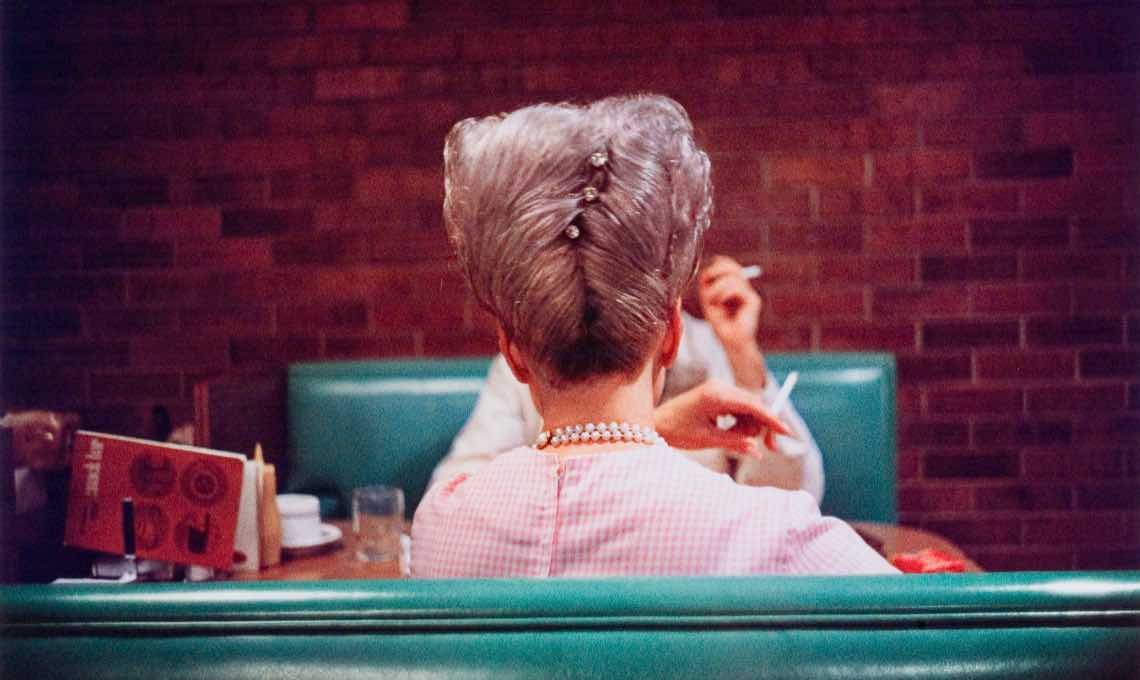
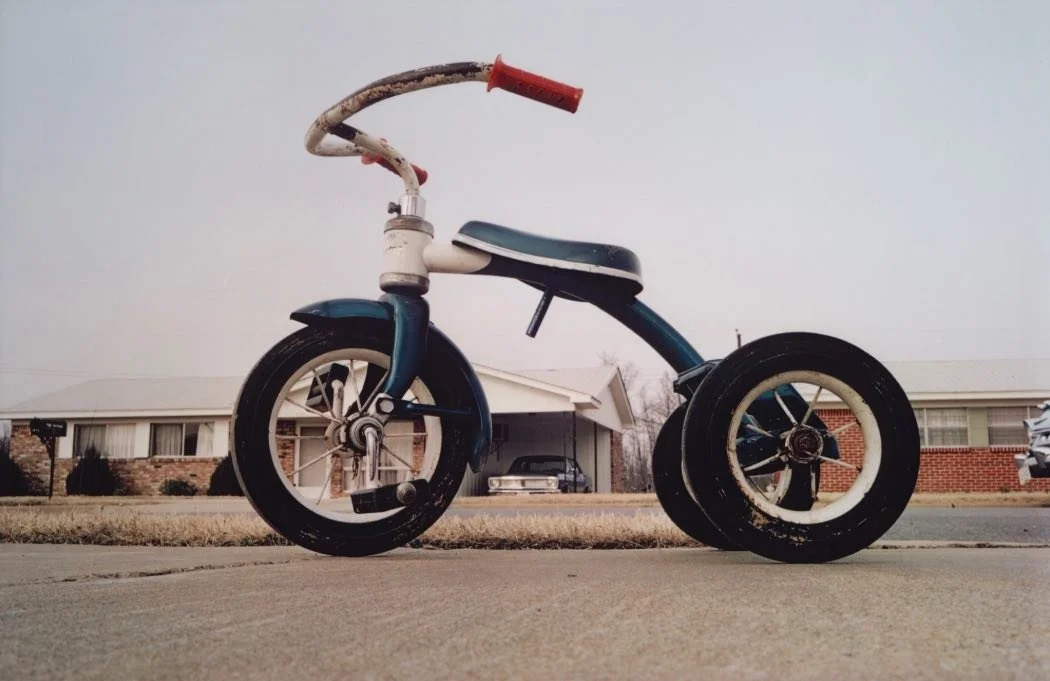
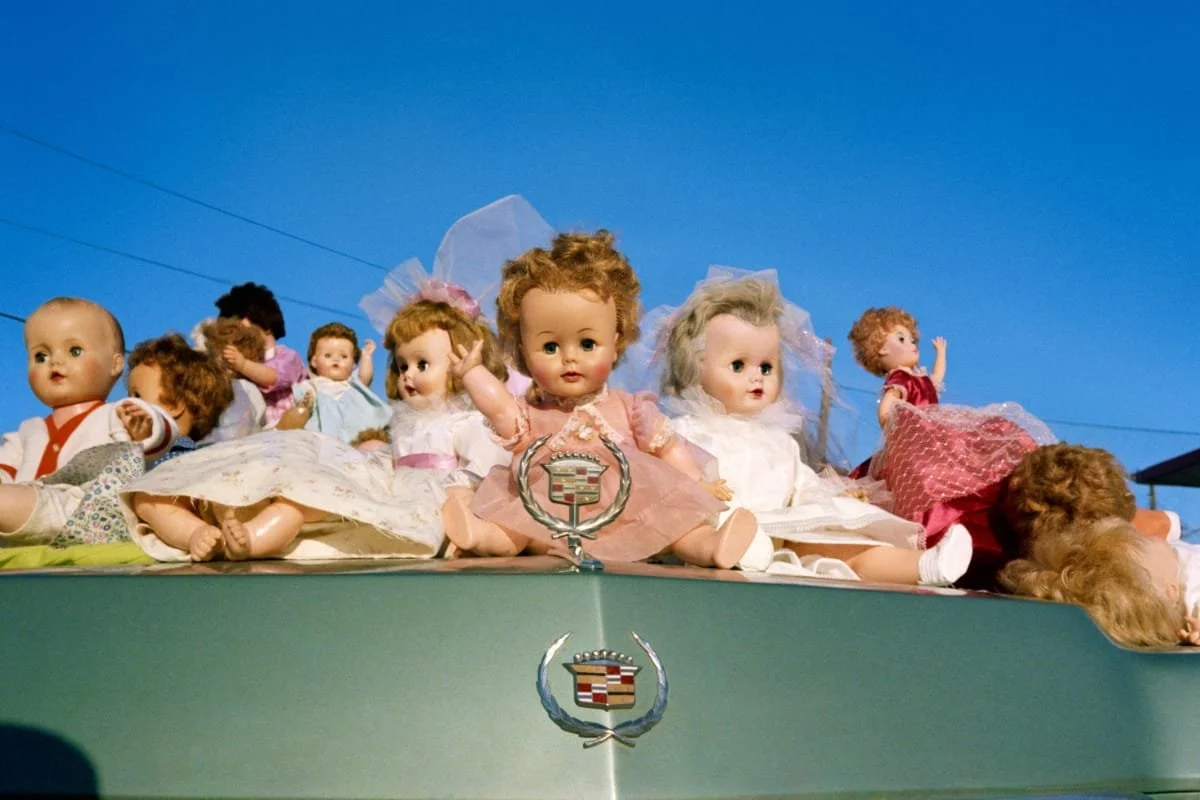
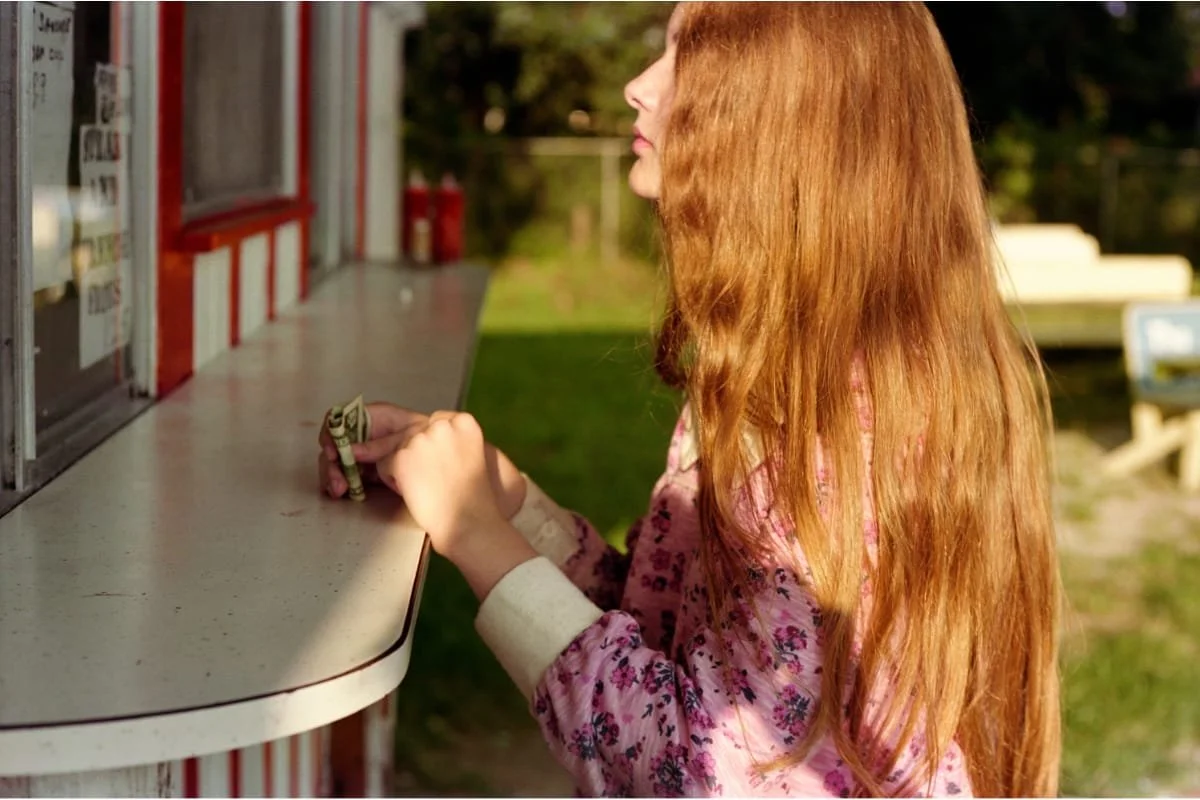
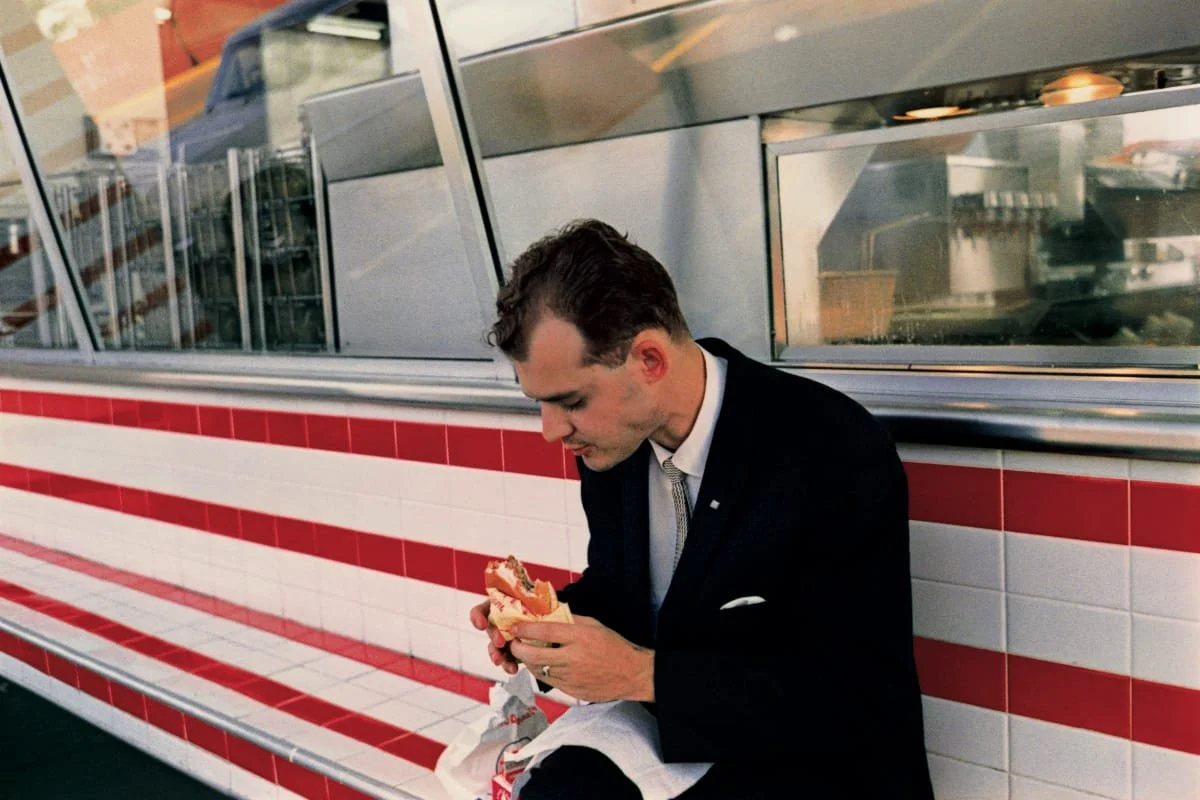
William Eggleston
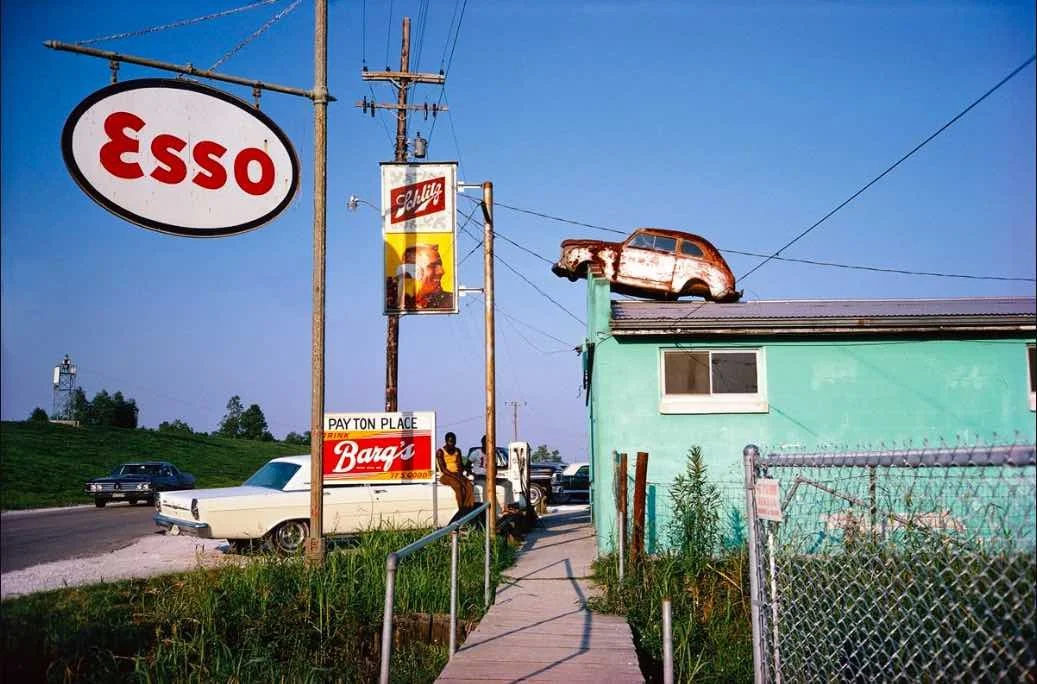
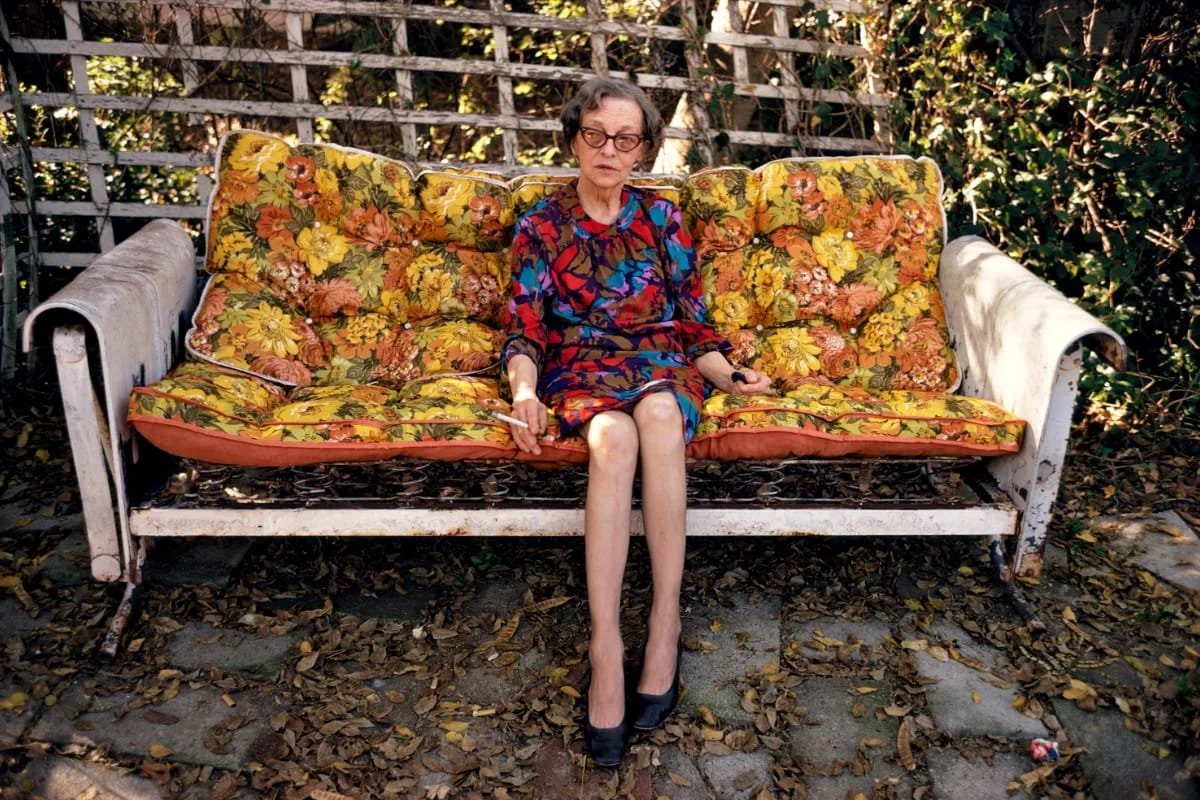
and Stephen Shore.
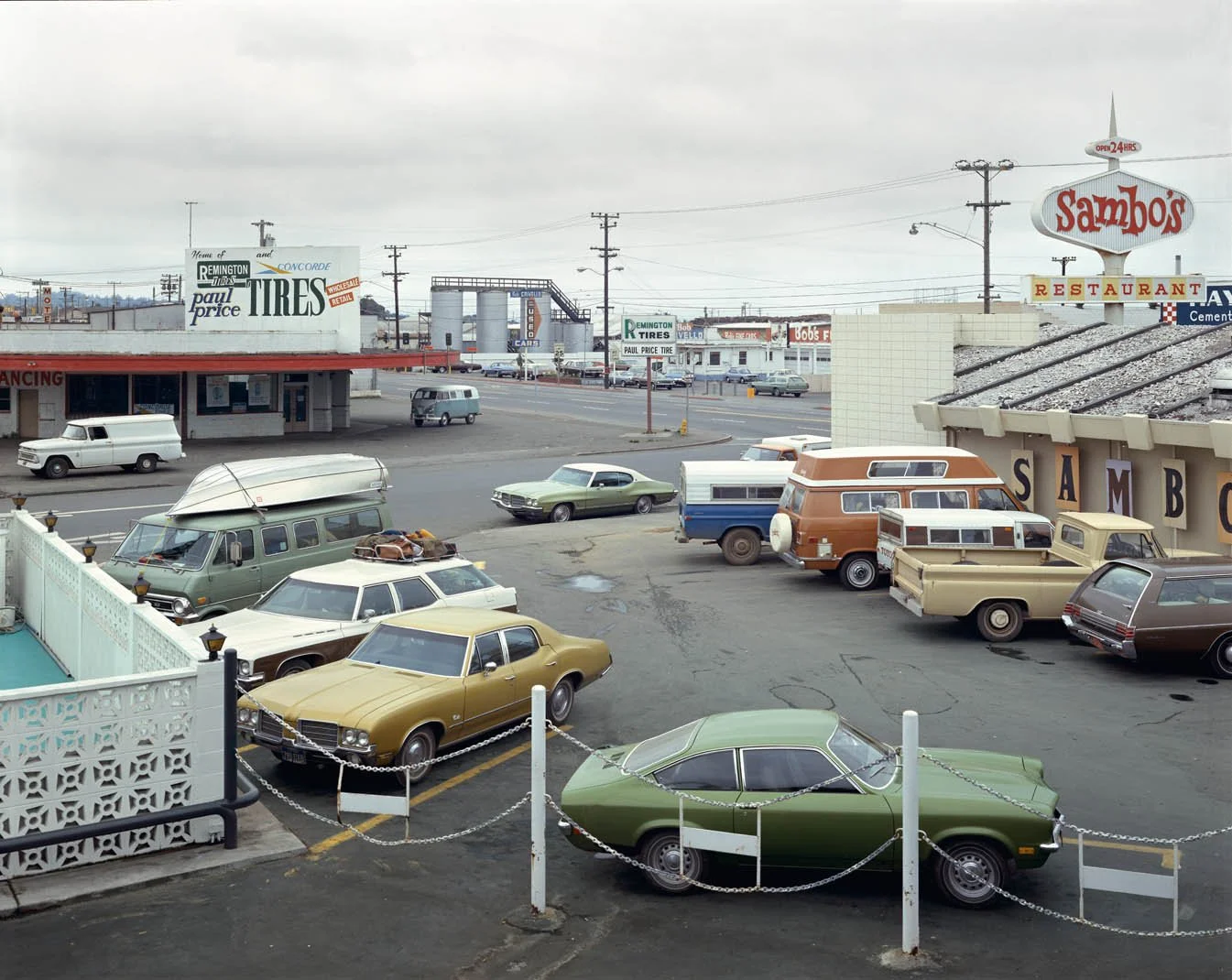
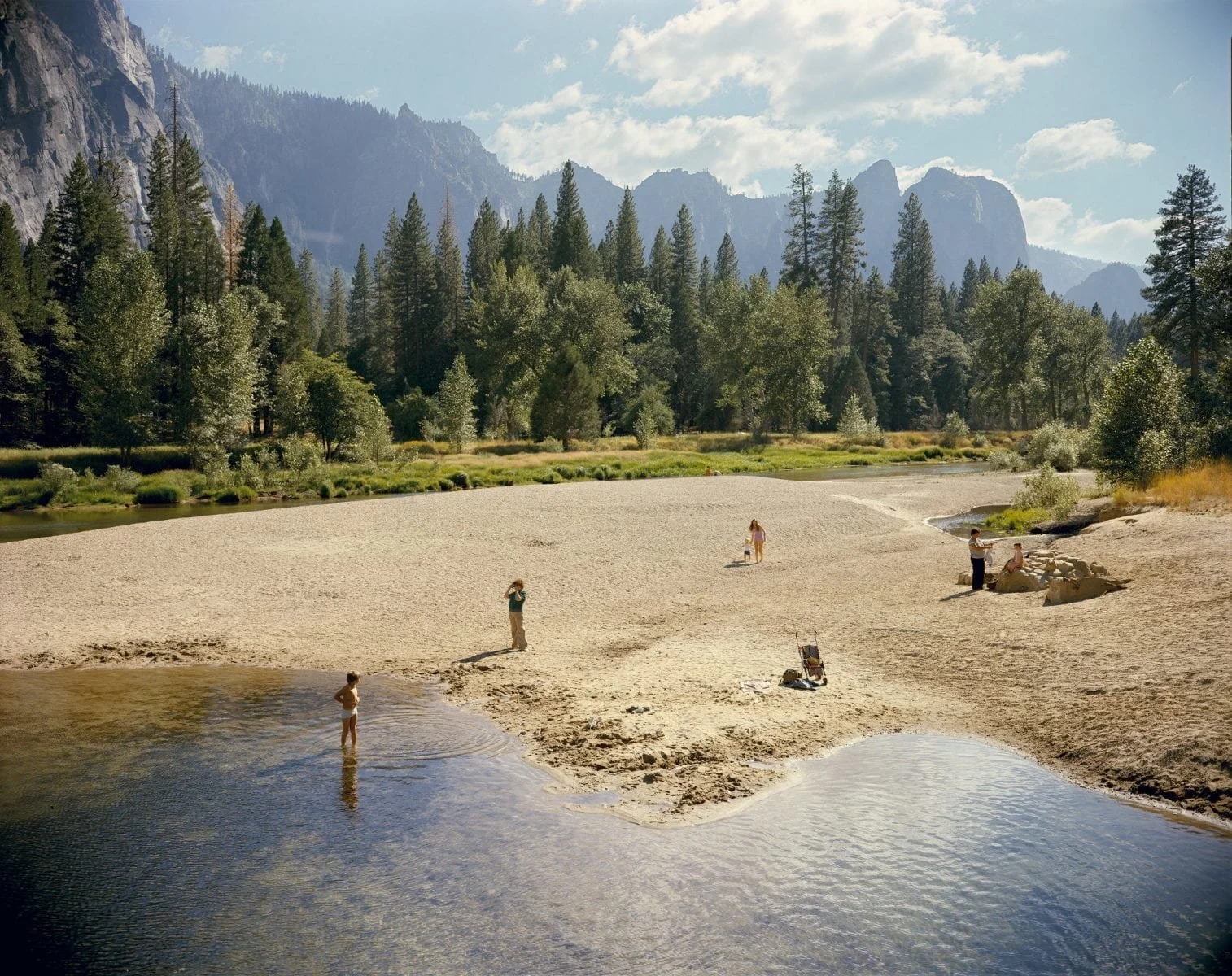
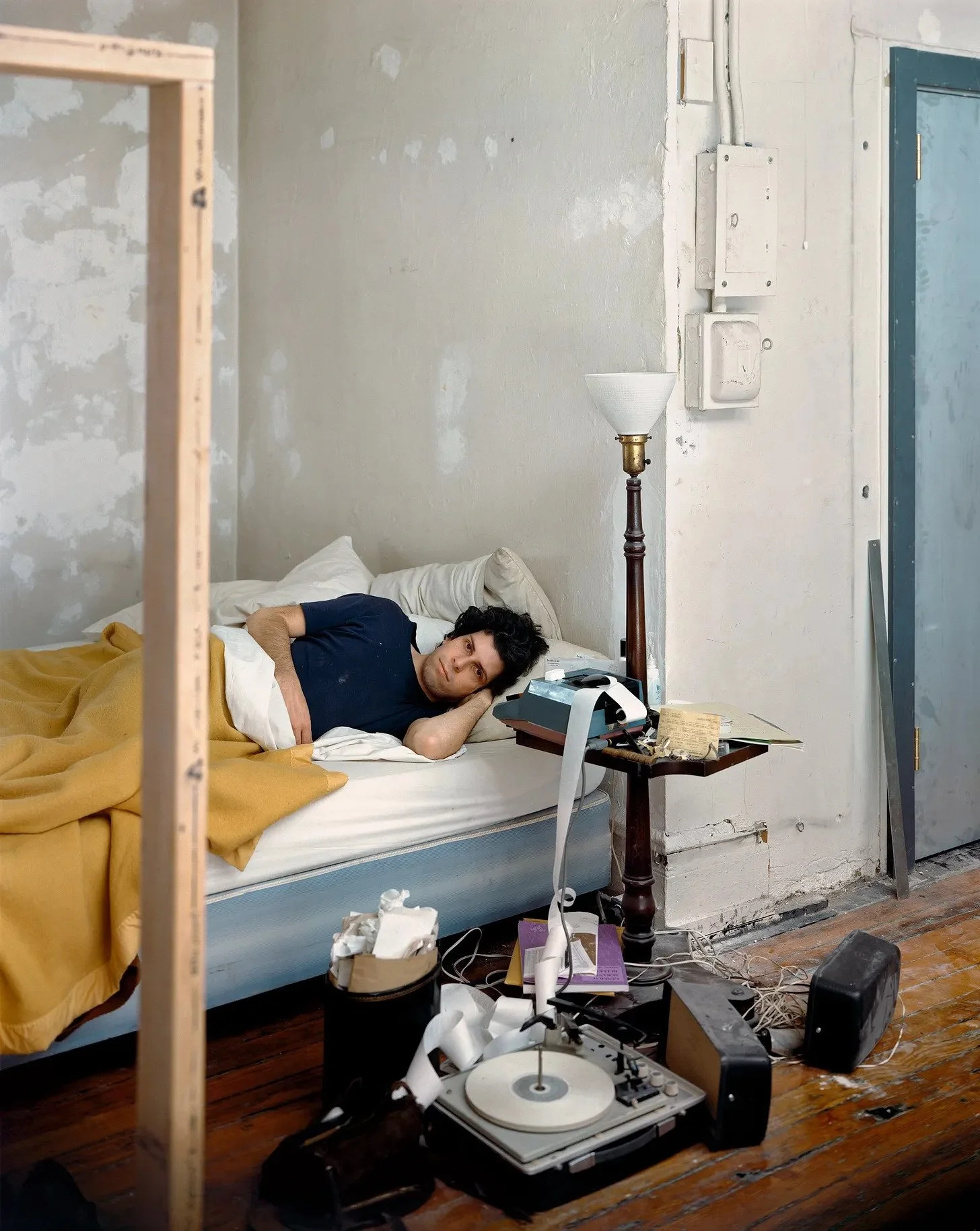
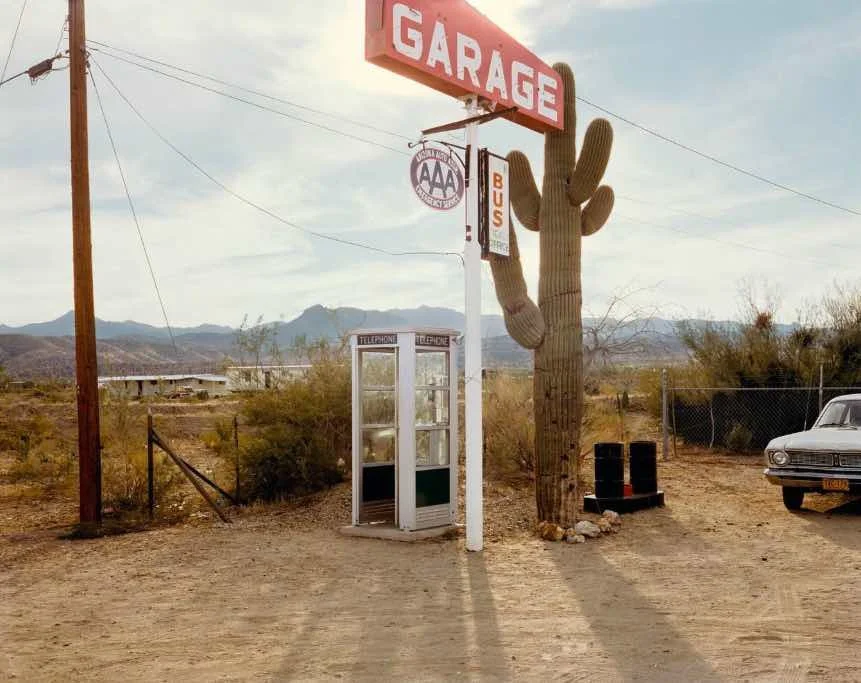
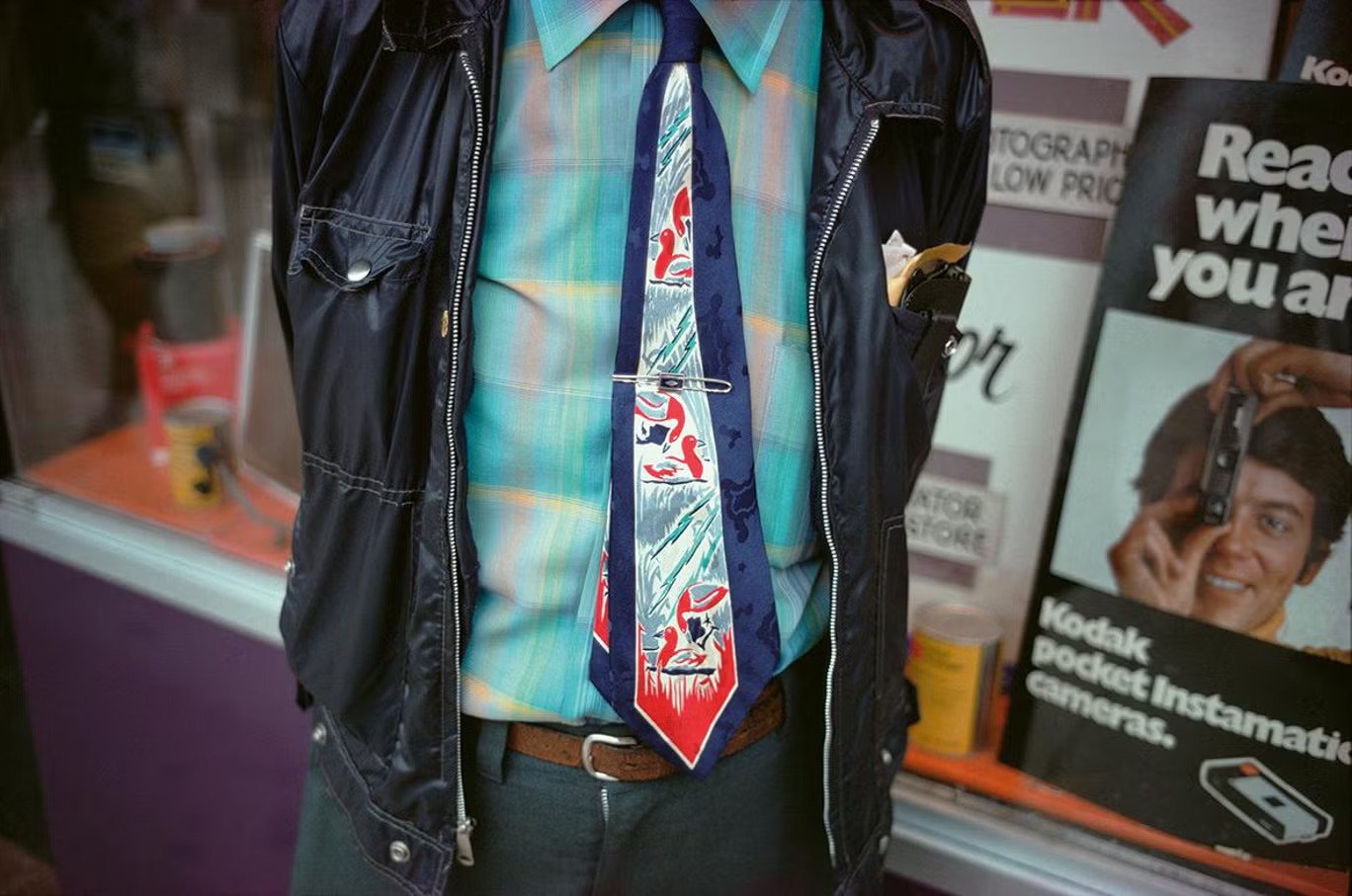
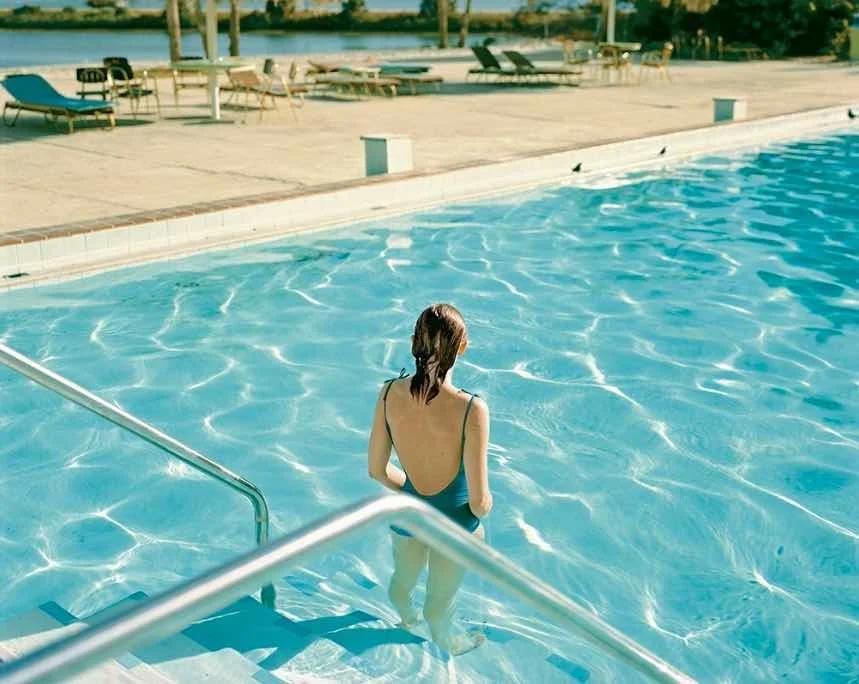
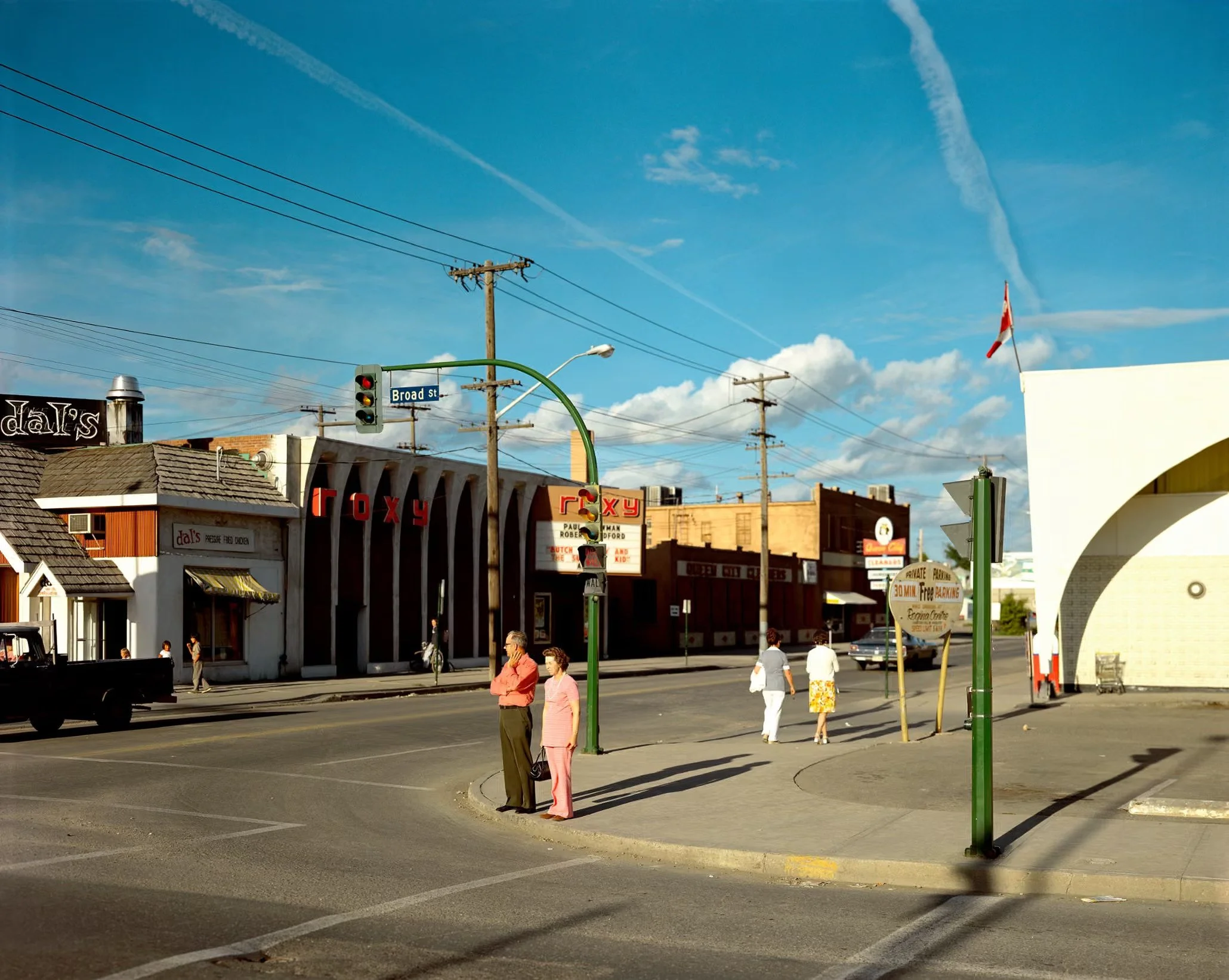
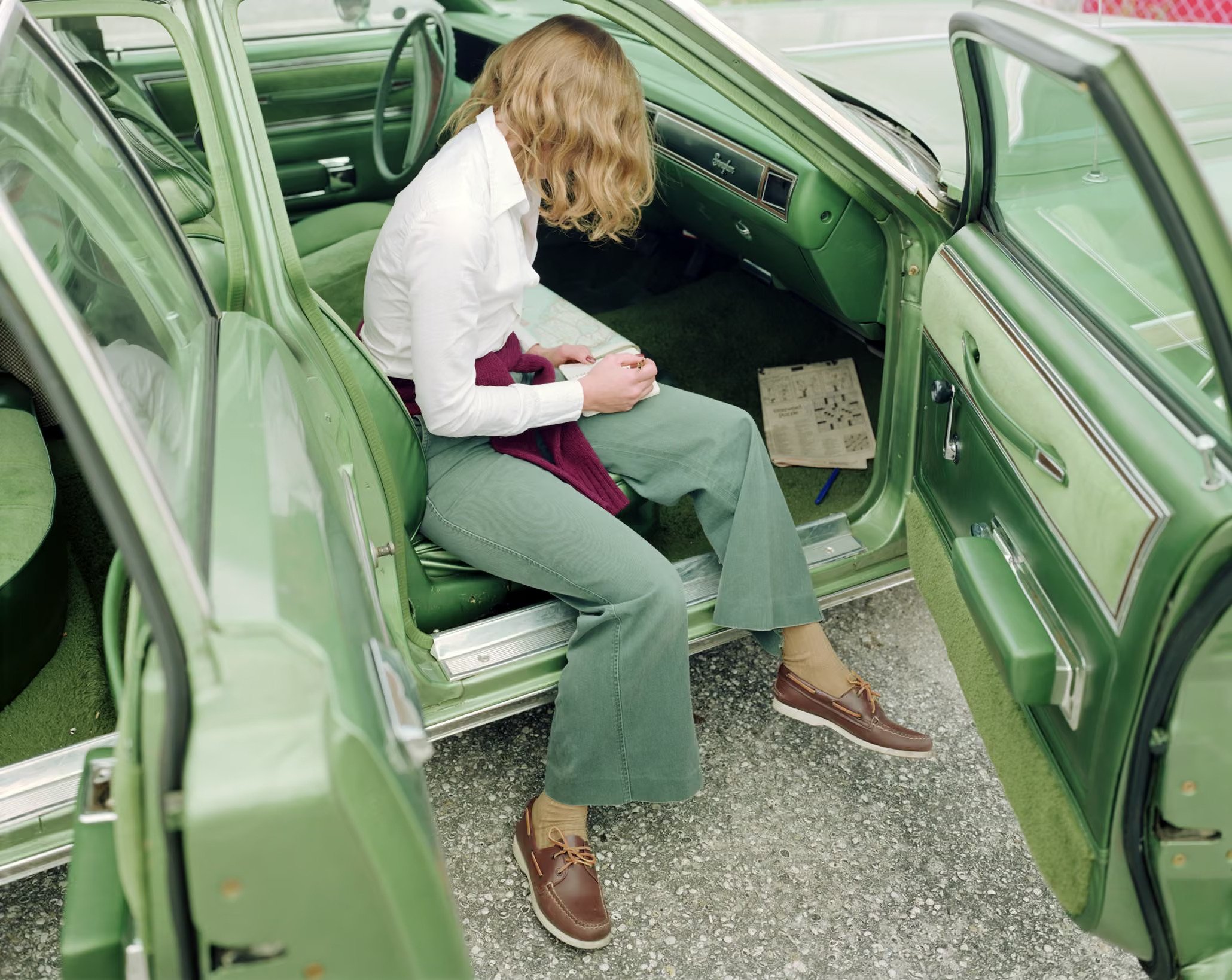
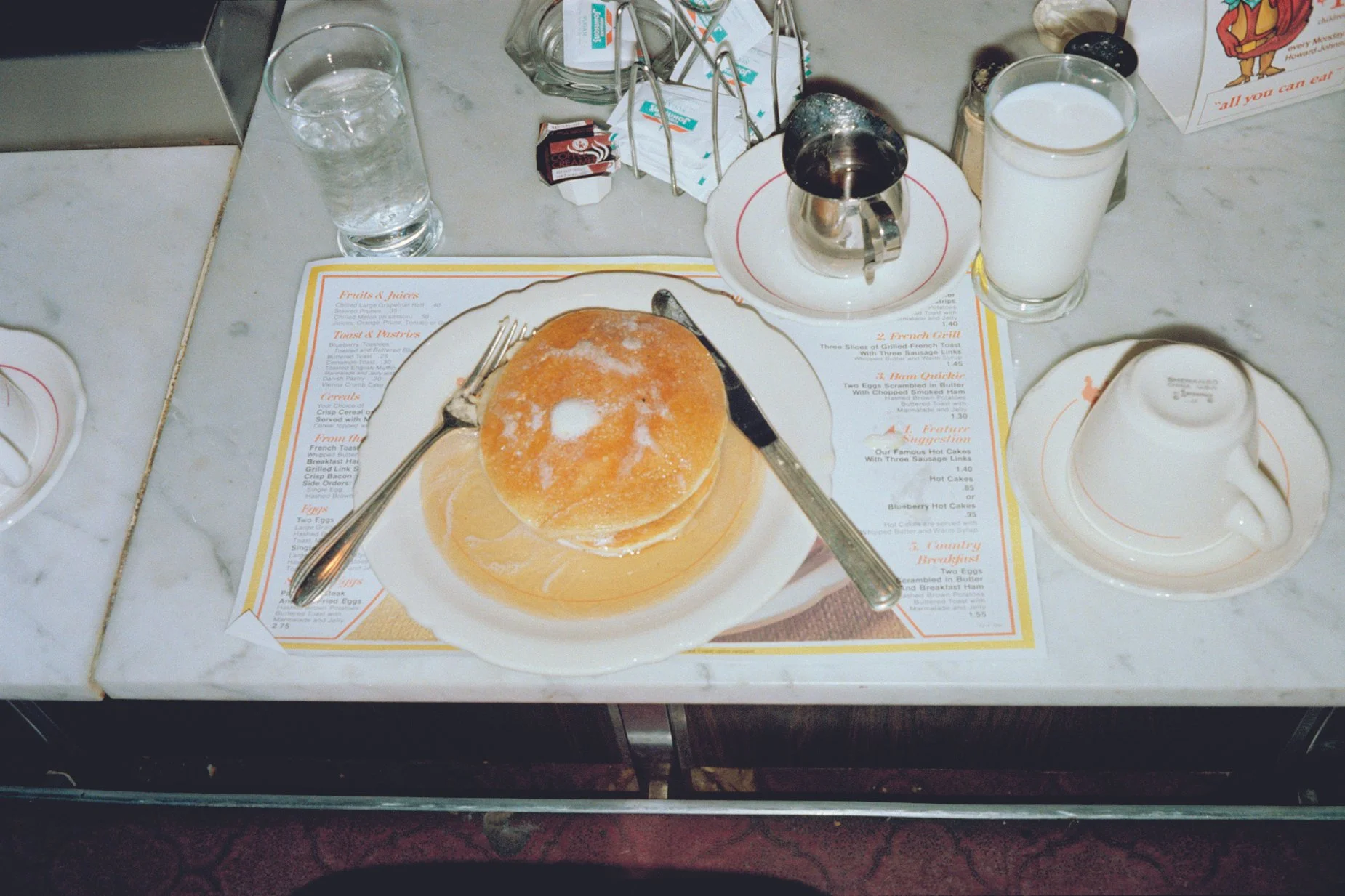
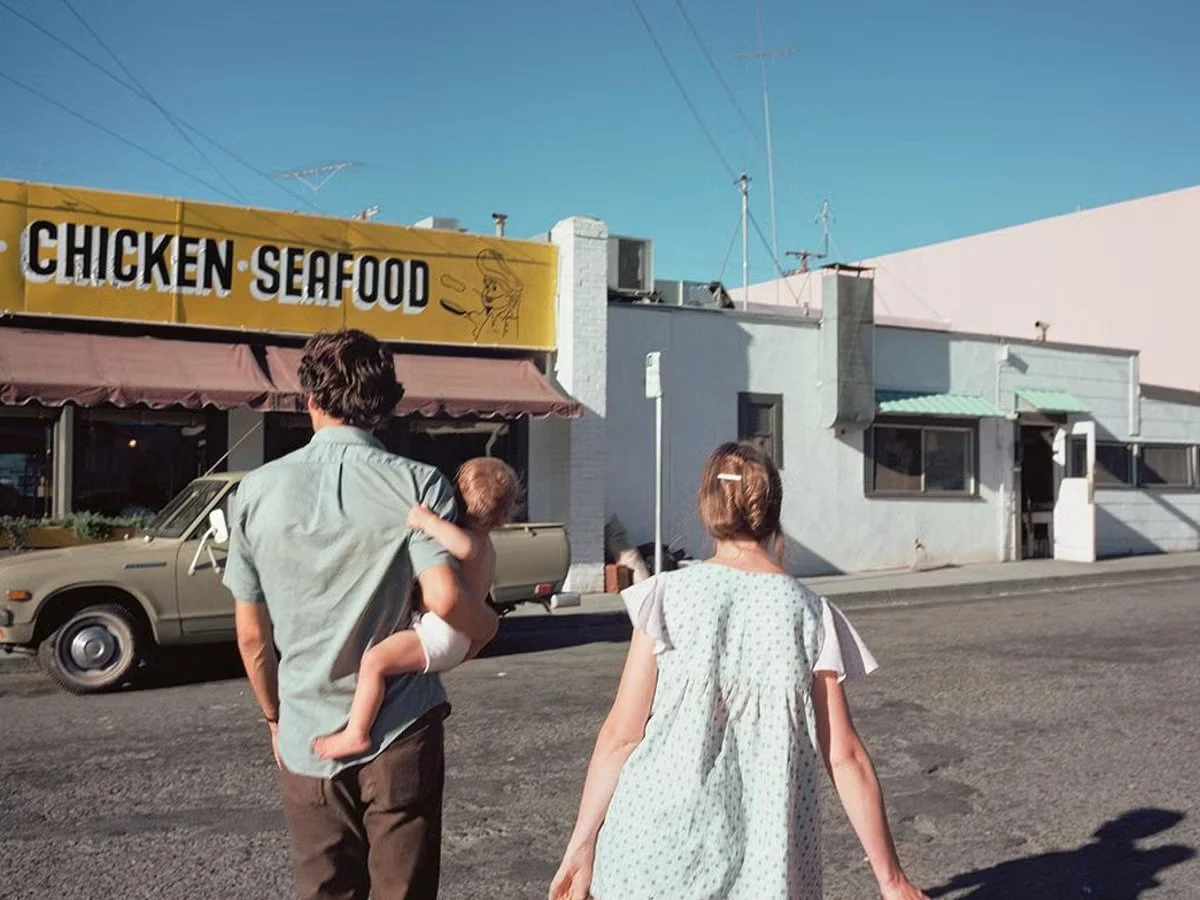
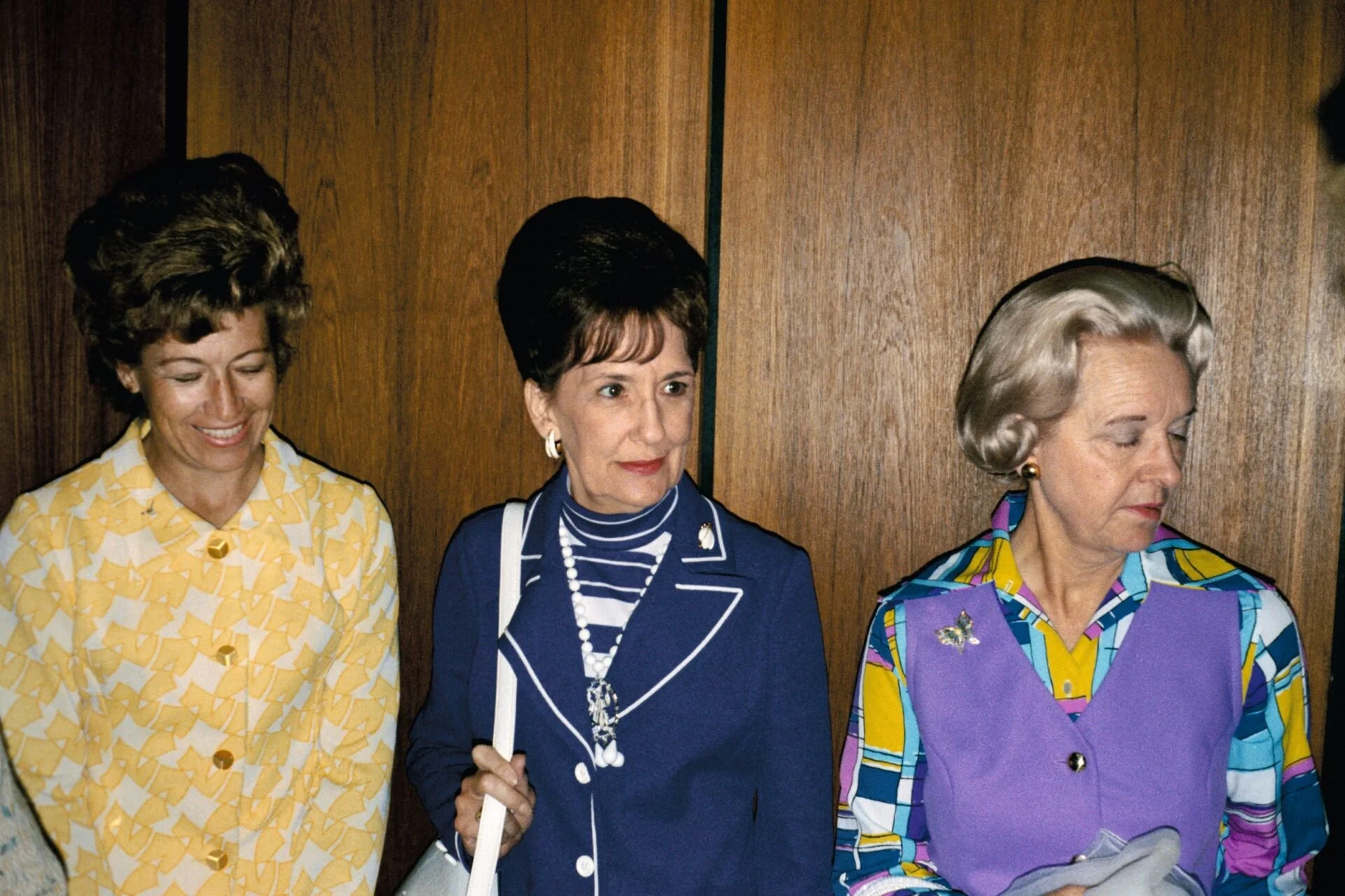
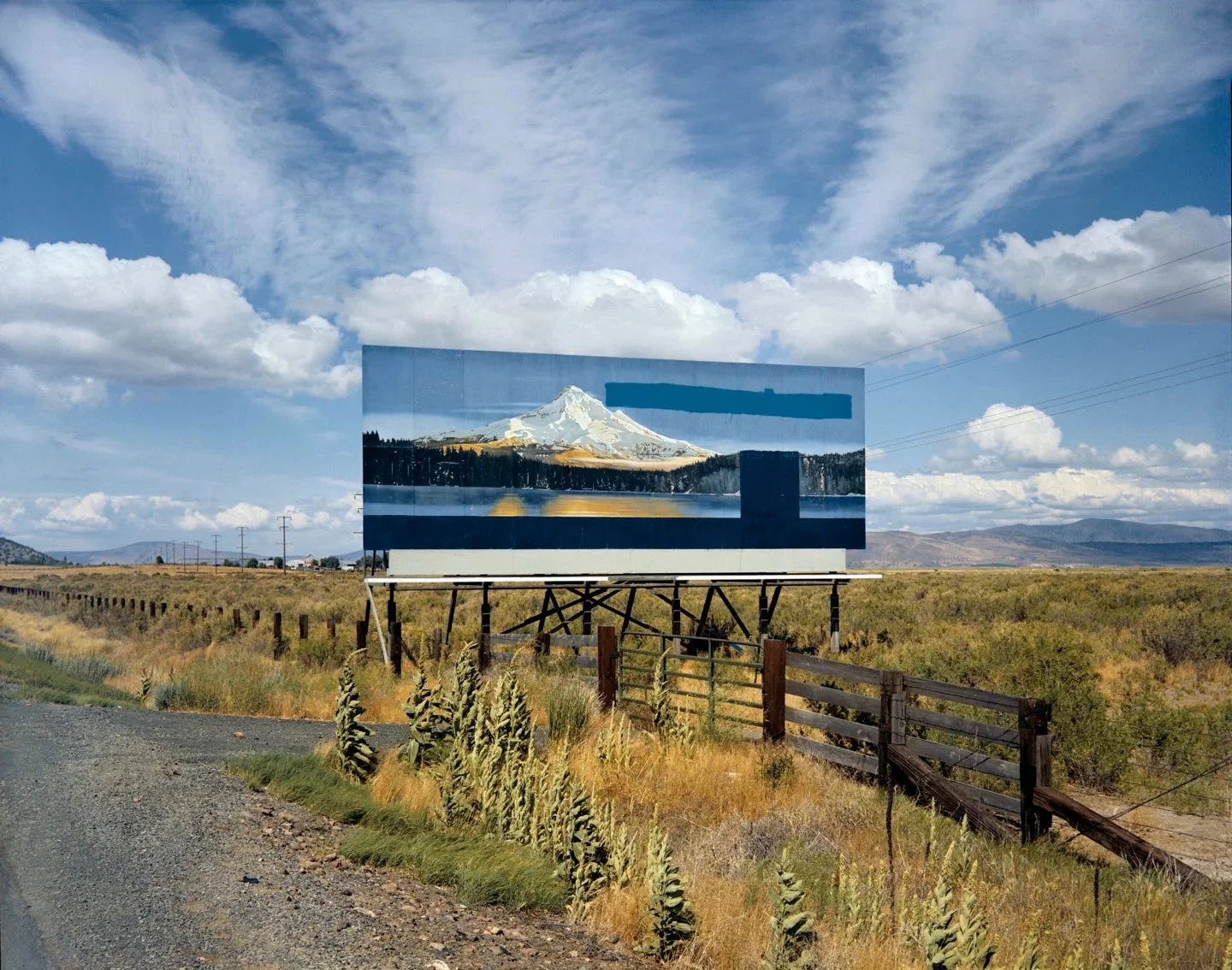
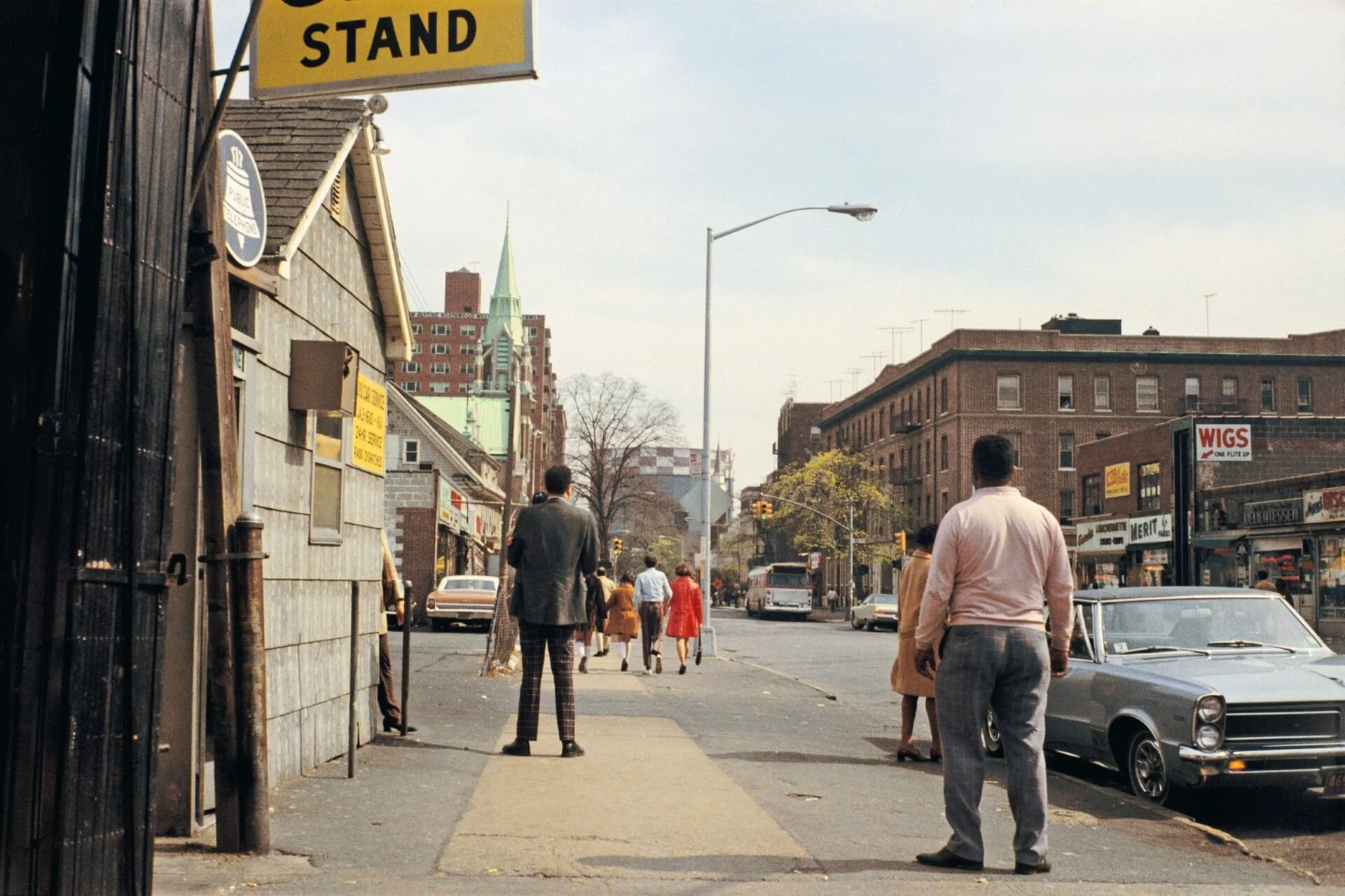
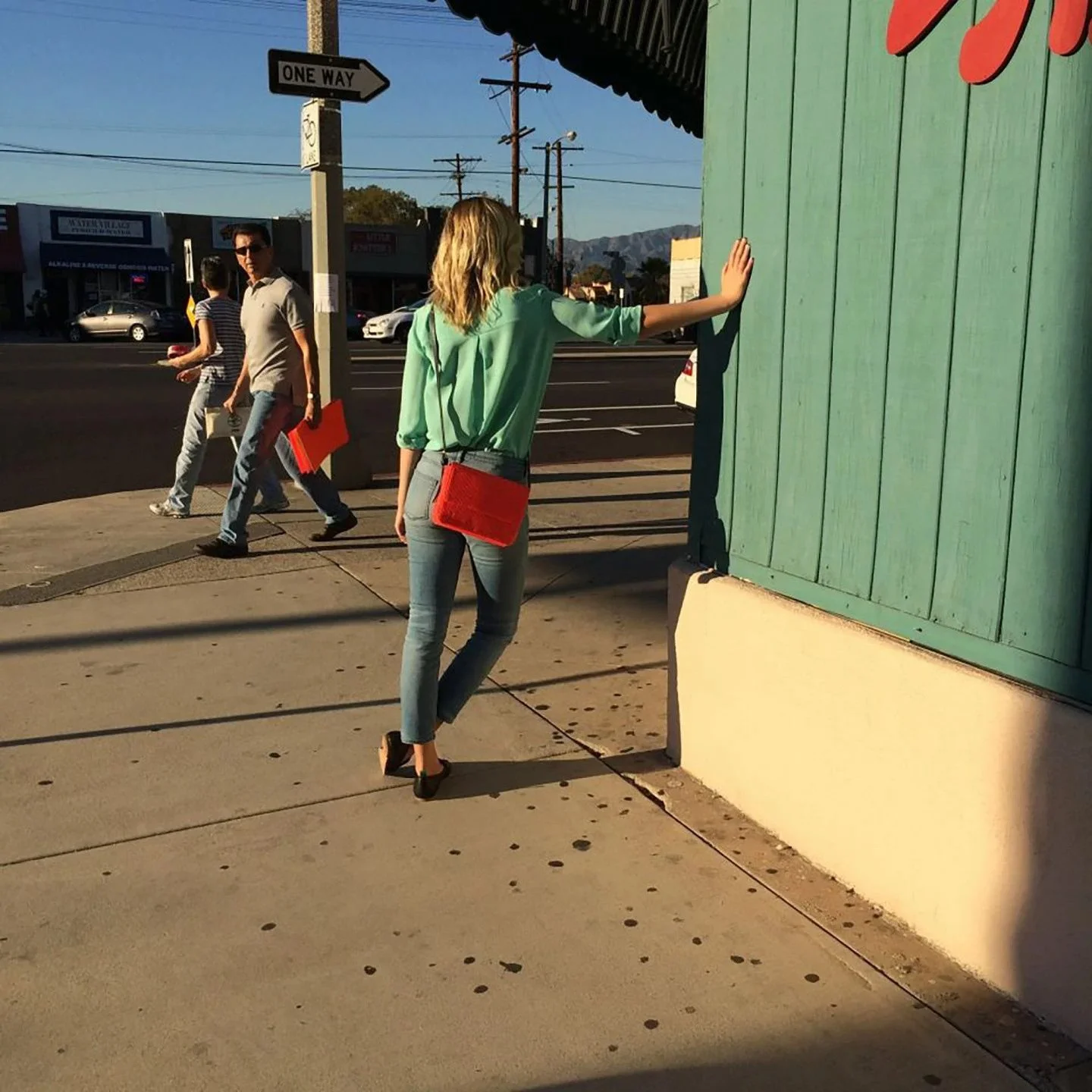
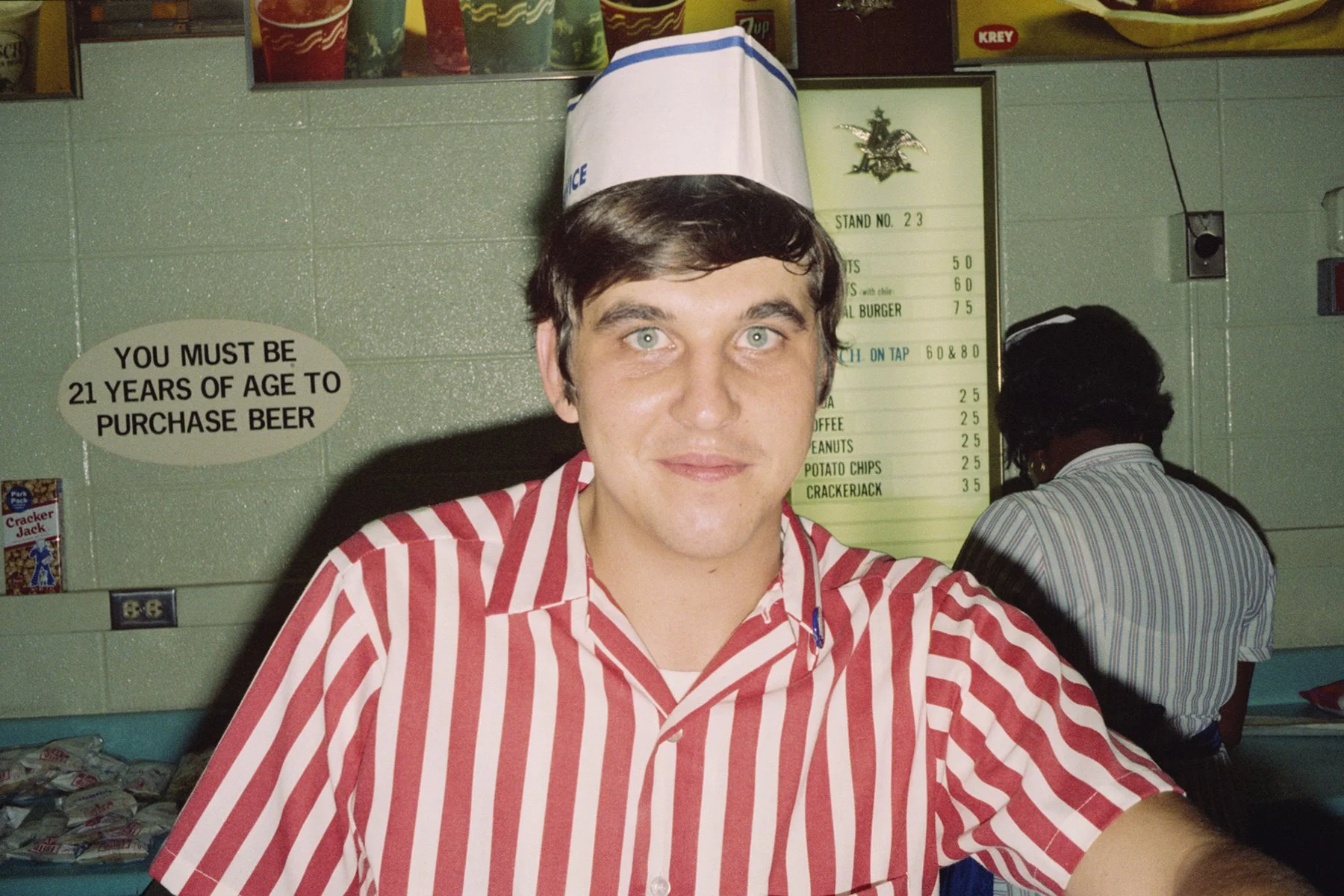
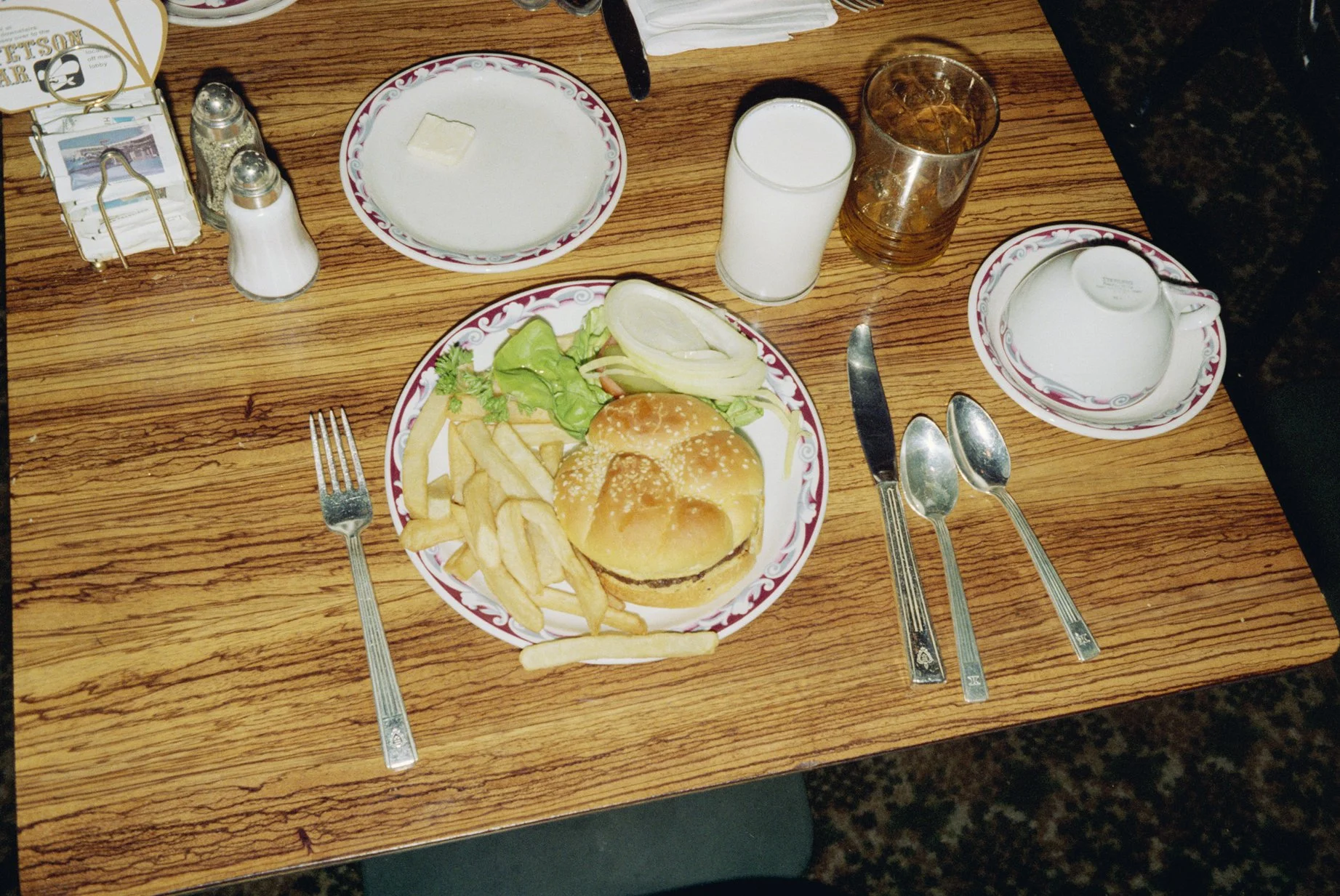

On top of this, American museums had in fact begun to accept colour photography as a serious medium, starting with an Eggleston exhibition at MoMA in New York in 1976.
Parr decided not to wait any longer. When he moved to color he was living in Liverpool, near a resort called New Brighton. From there came the project he would always consider his greatest work: The Last Resort. In the project, rubbish everywhere dominates on one side, and on the other, in contrast, the domestic life of Liverpool families. With colour, Parr began using photography to criticise society rather than celebrate it, and to do this he naturally sought out the worst moments: the most crowded, chaotic, messy, dirty Sundays.
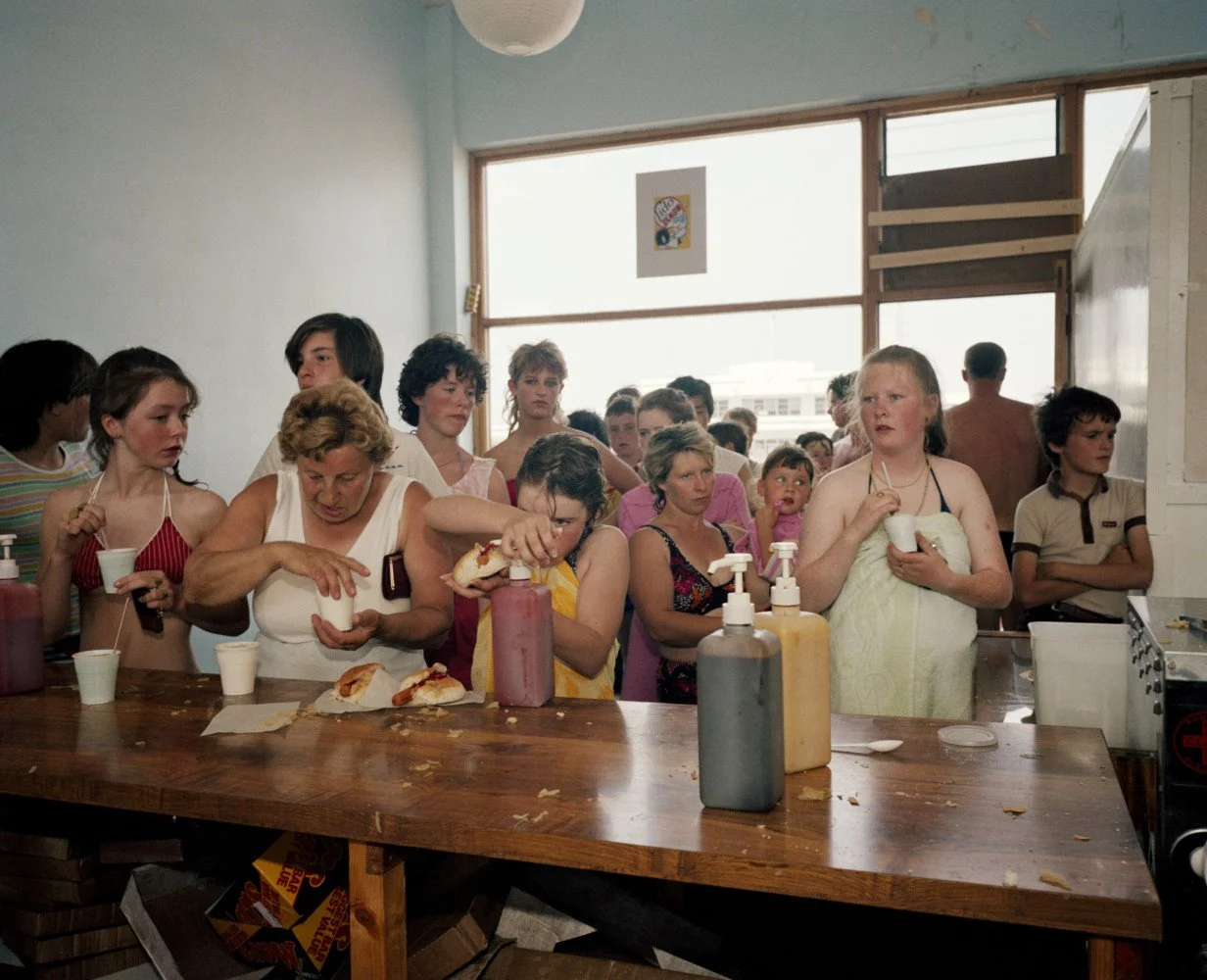
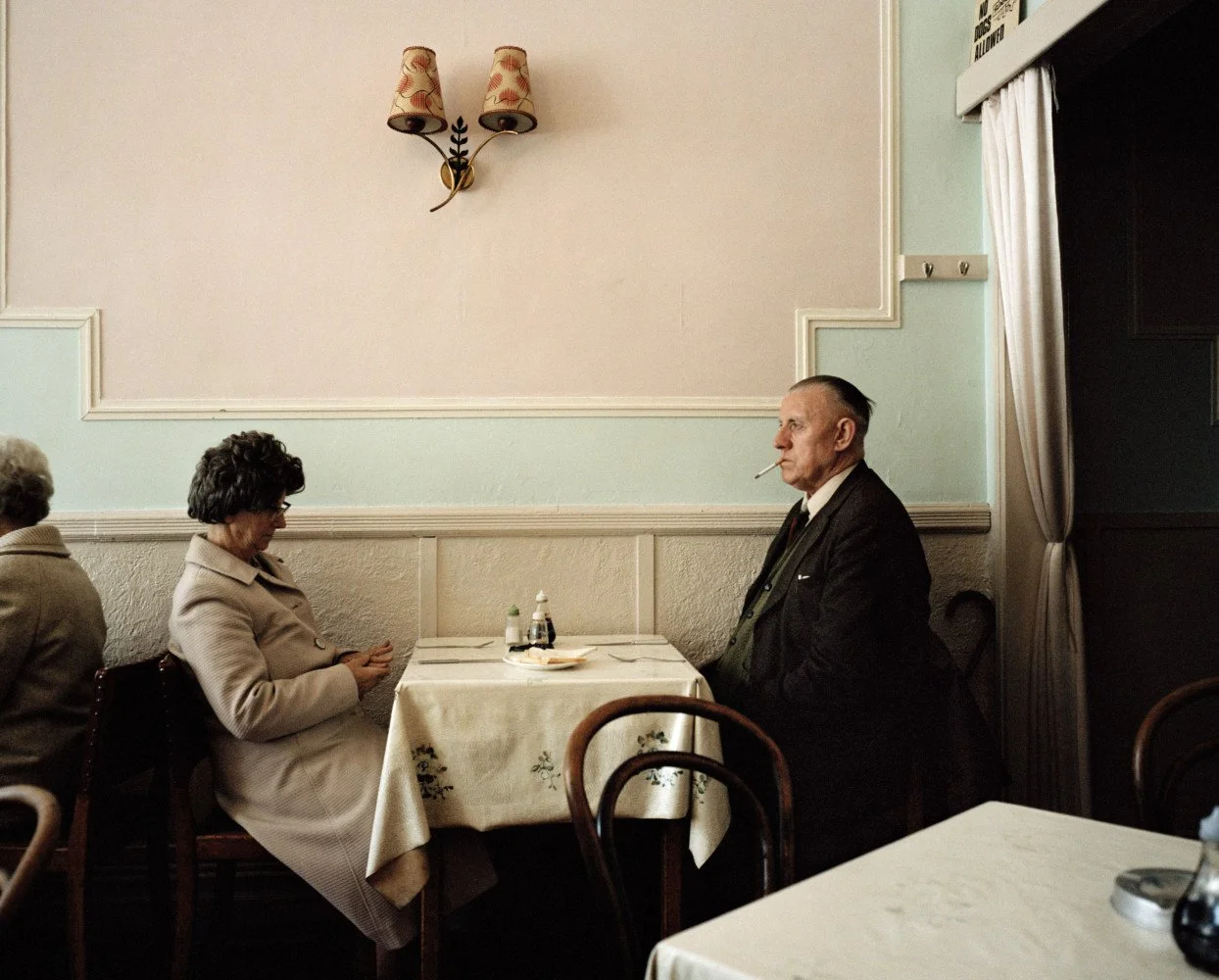
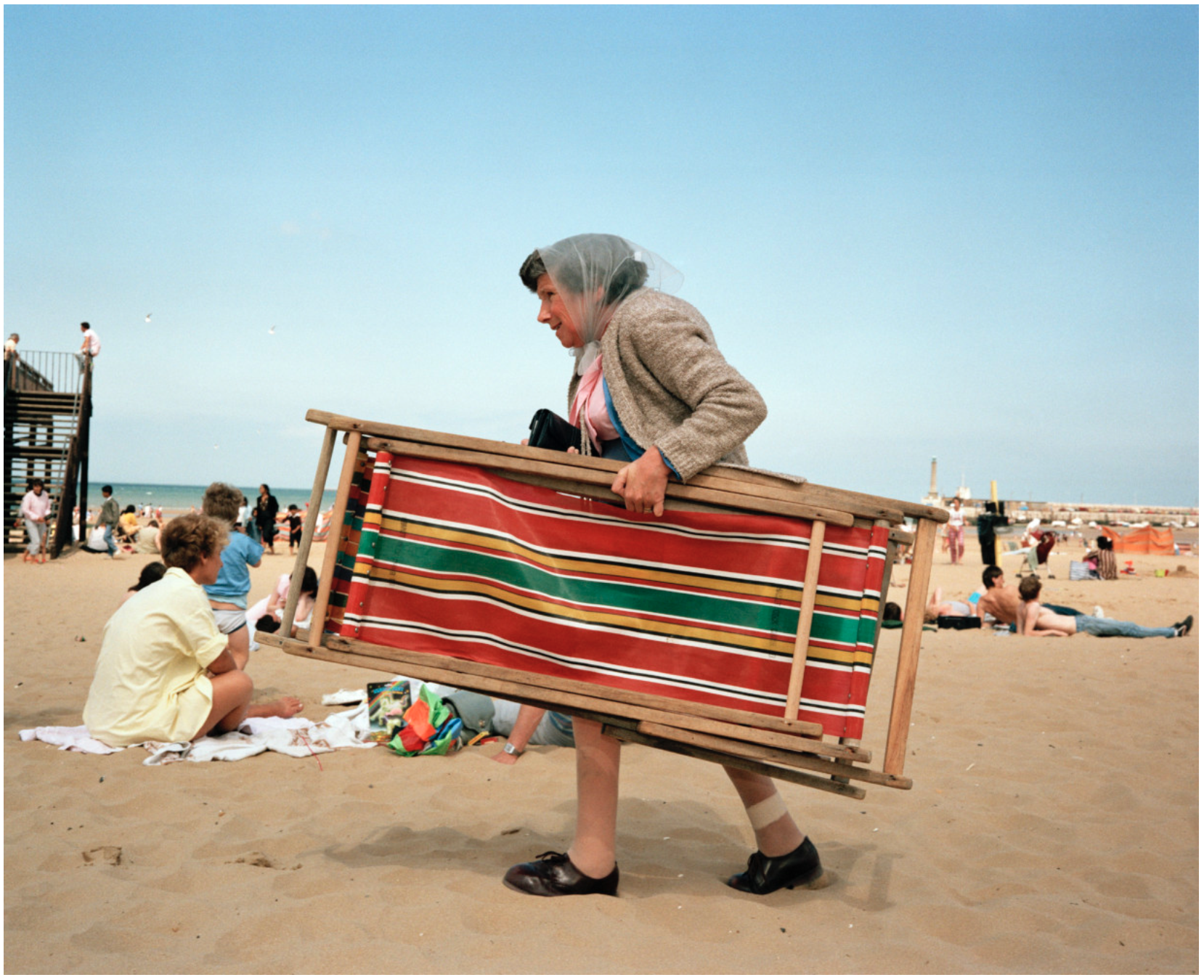
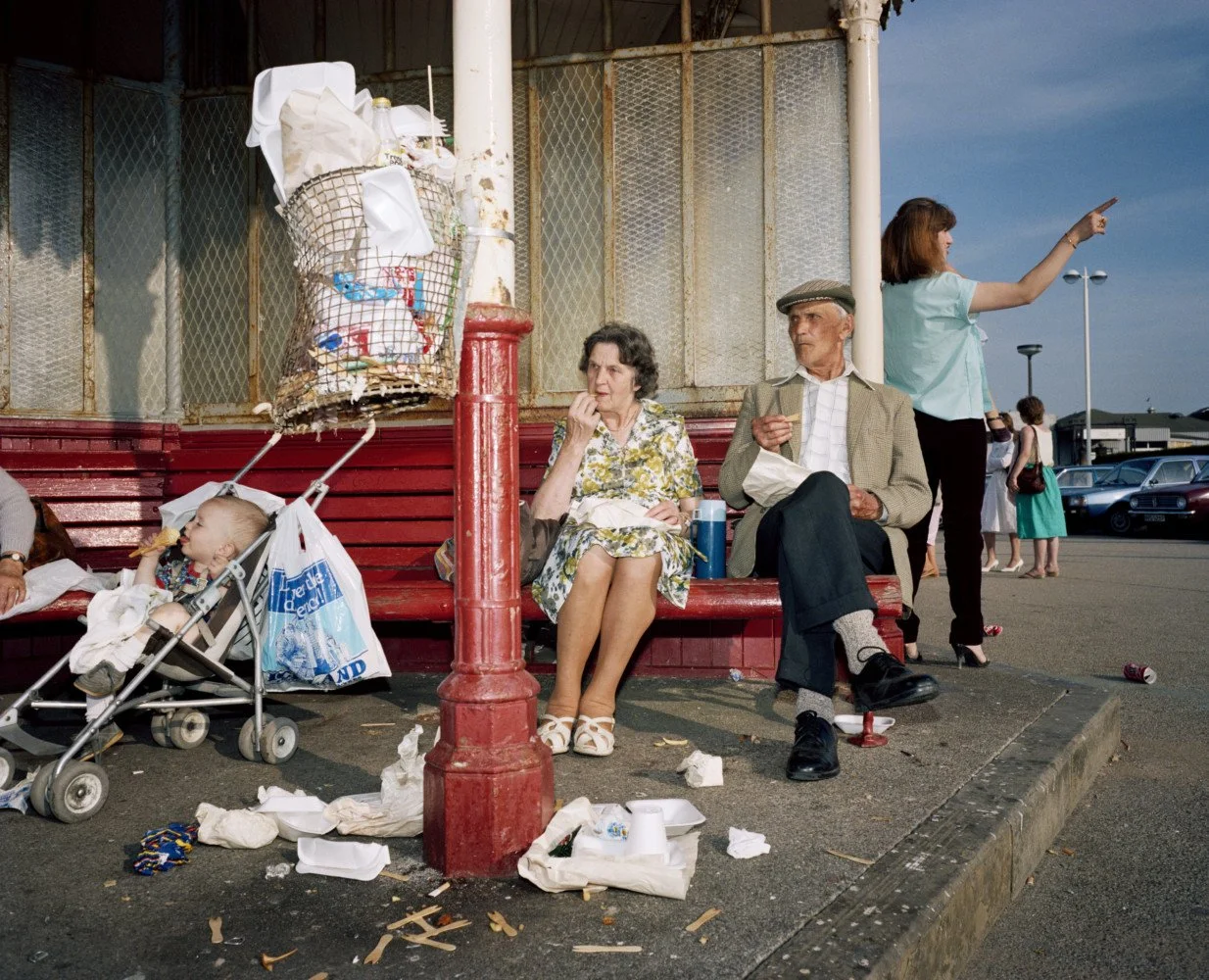
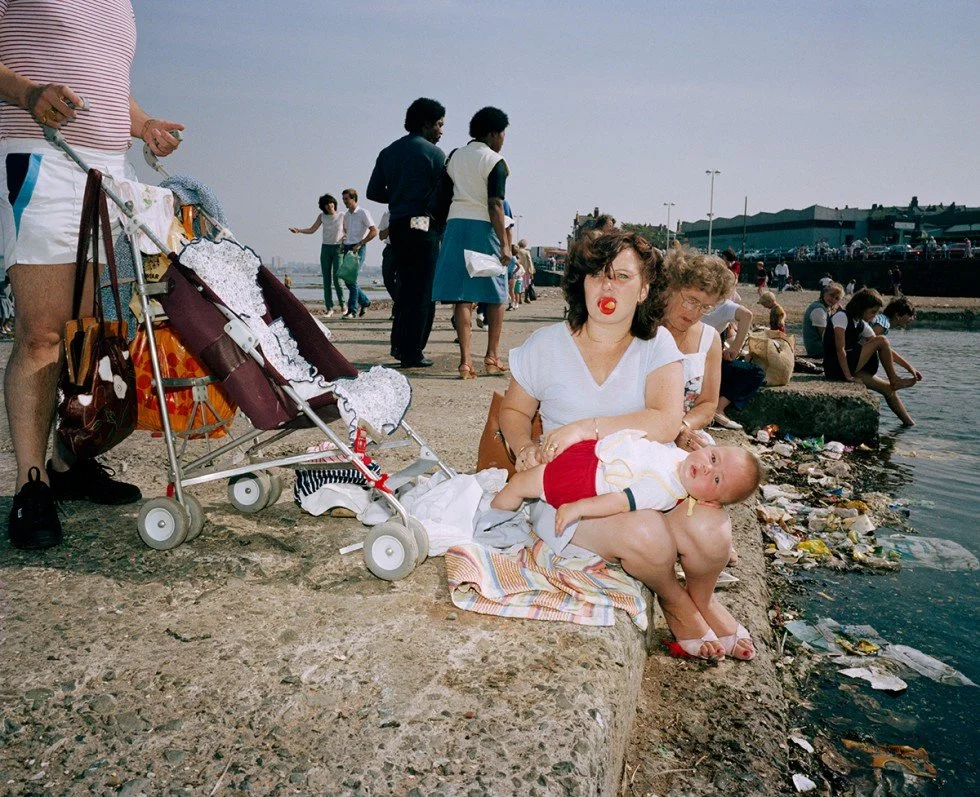
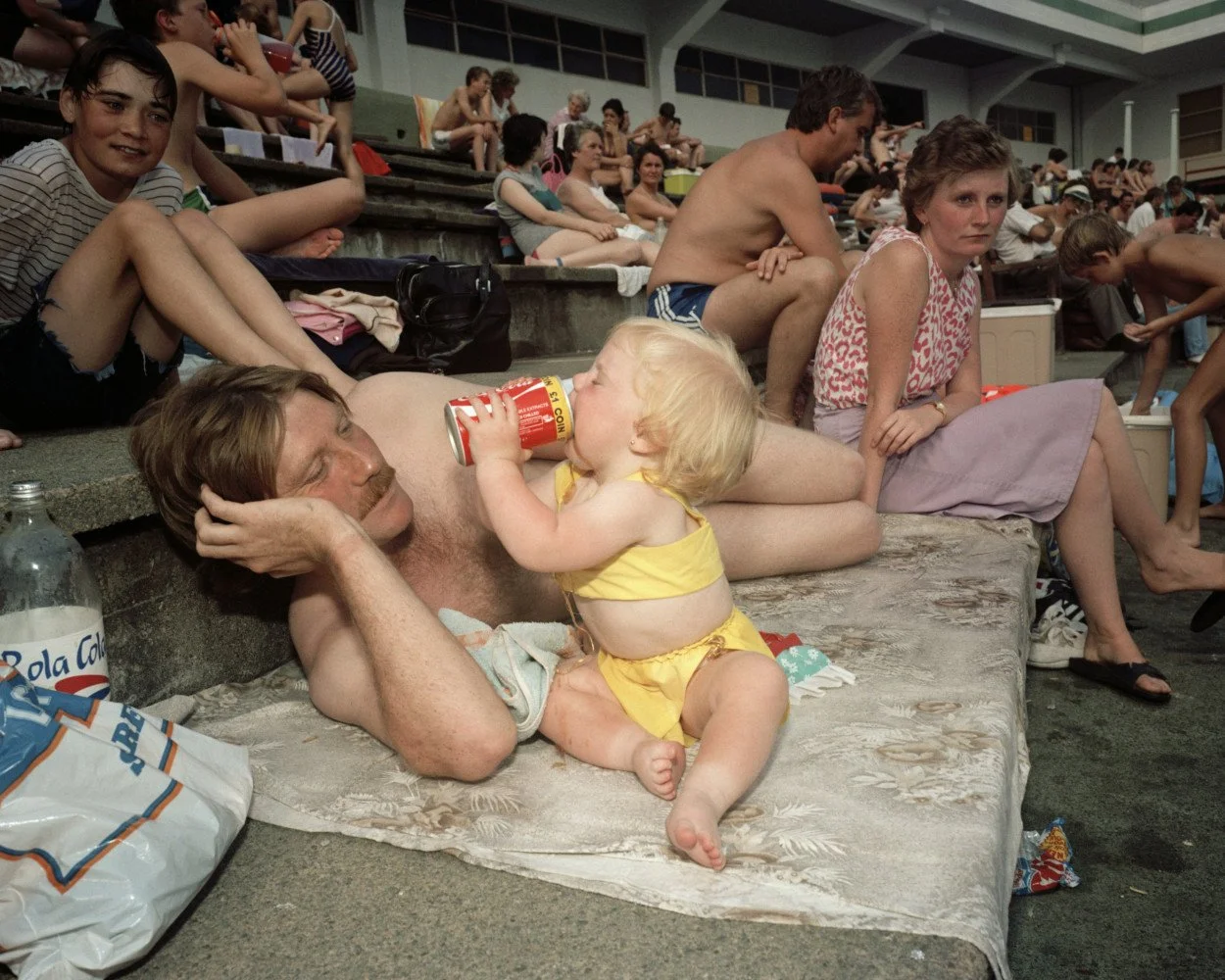
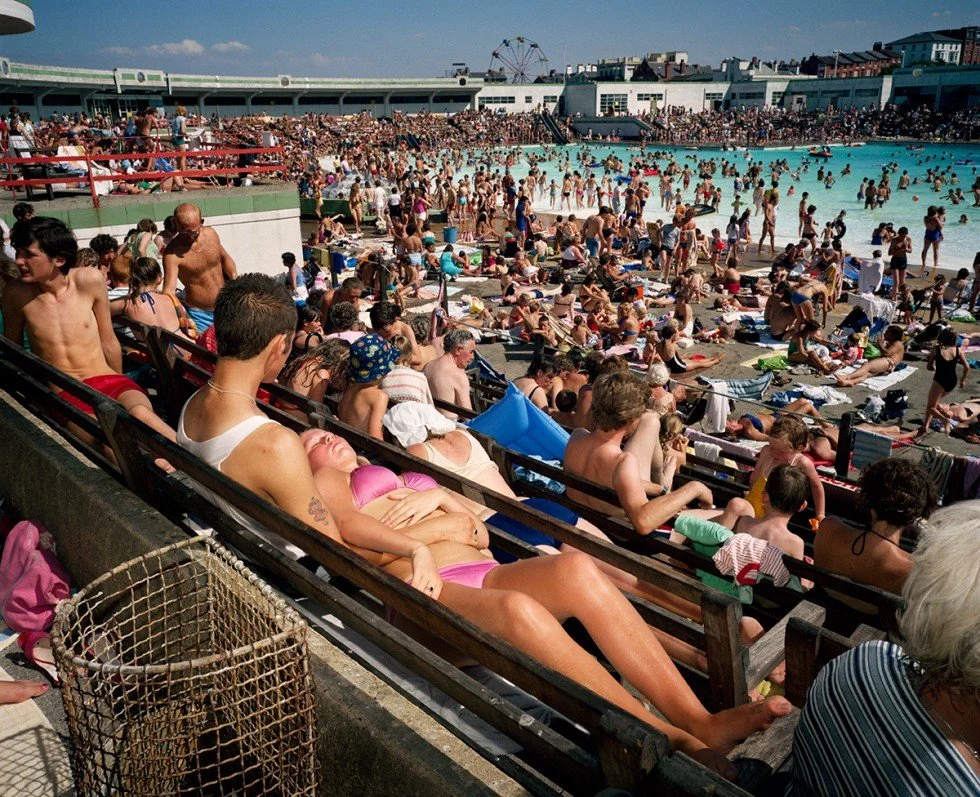
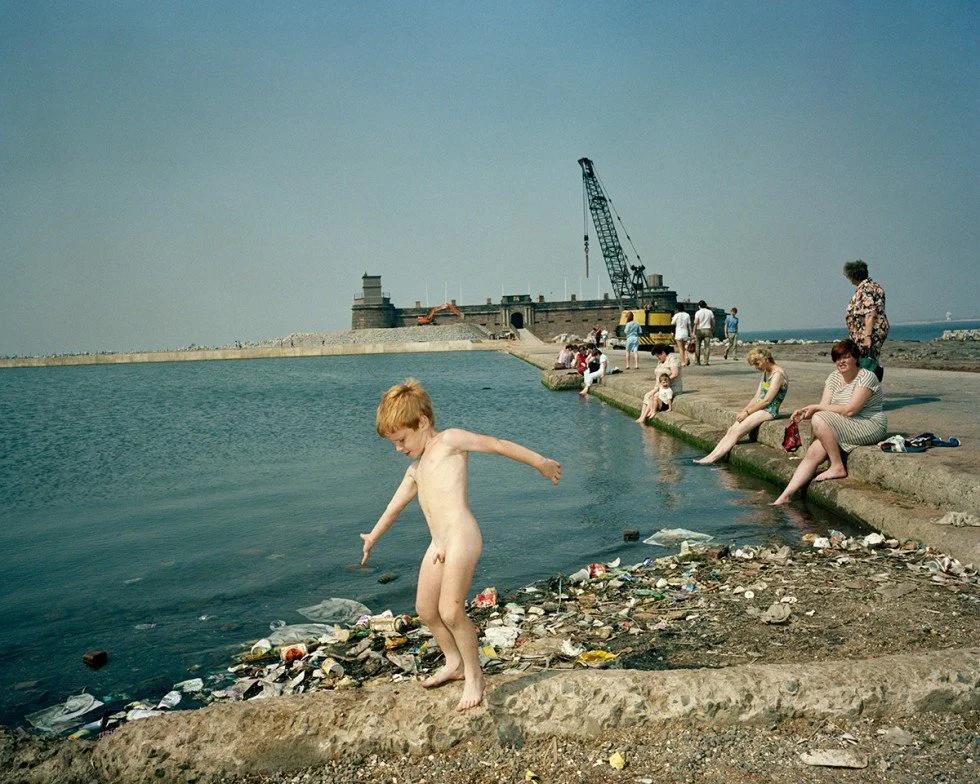
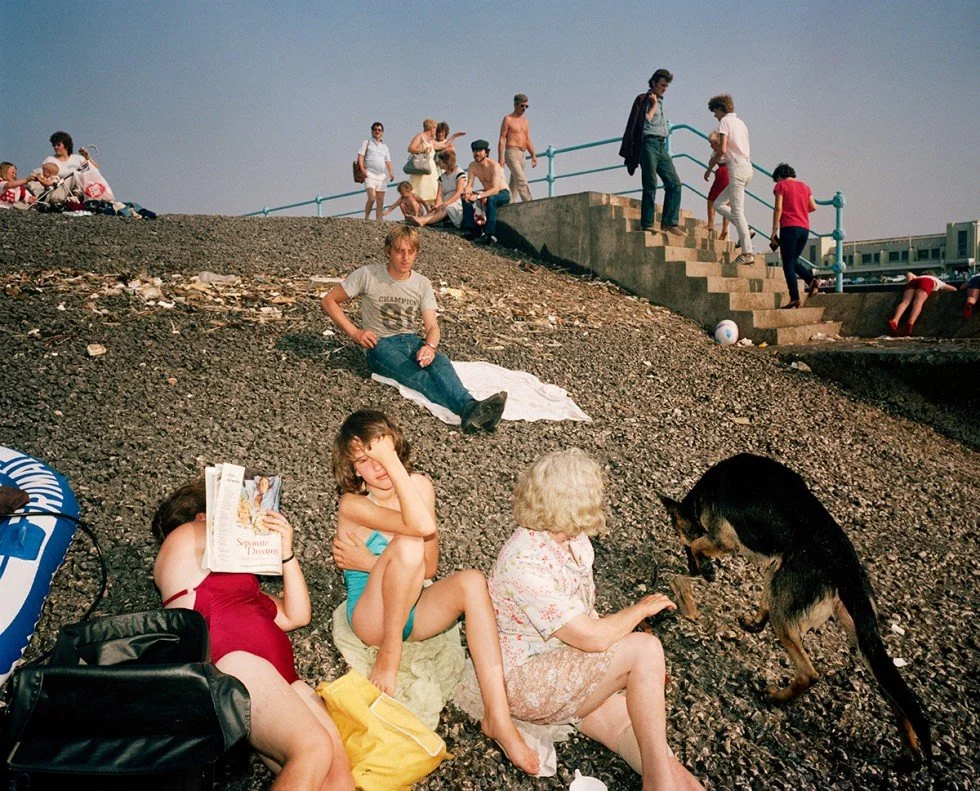
It's worth noting (Martin points this out in an interview) that back then the photographer had been able to photograph children without parents batting an eyelid, whereas today the same scene would spark furious reactions. It's no coincidence that in later series Parr would move from a wide-angle lens to a telephoto lens.
The Last Resort was first shown in a Liverpool gallery without issue, but when it reached London the criticism grew sharper: a middle-class photographer who had dared to portray the working class.
From Supermarkets to the Middle Class
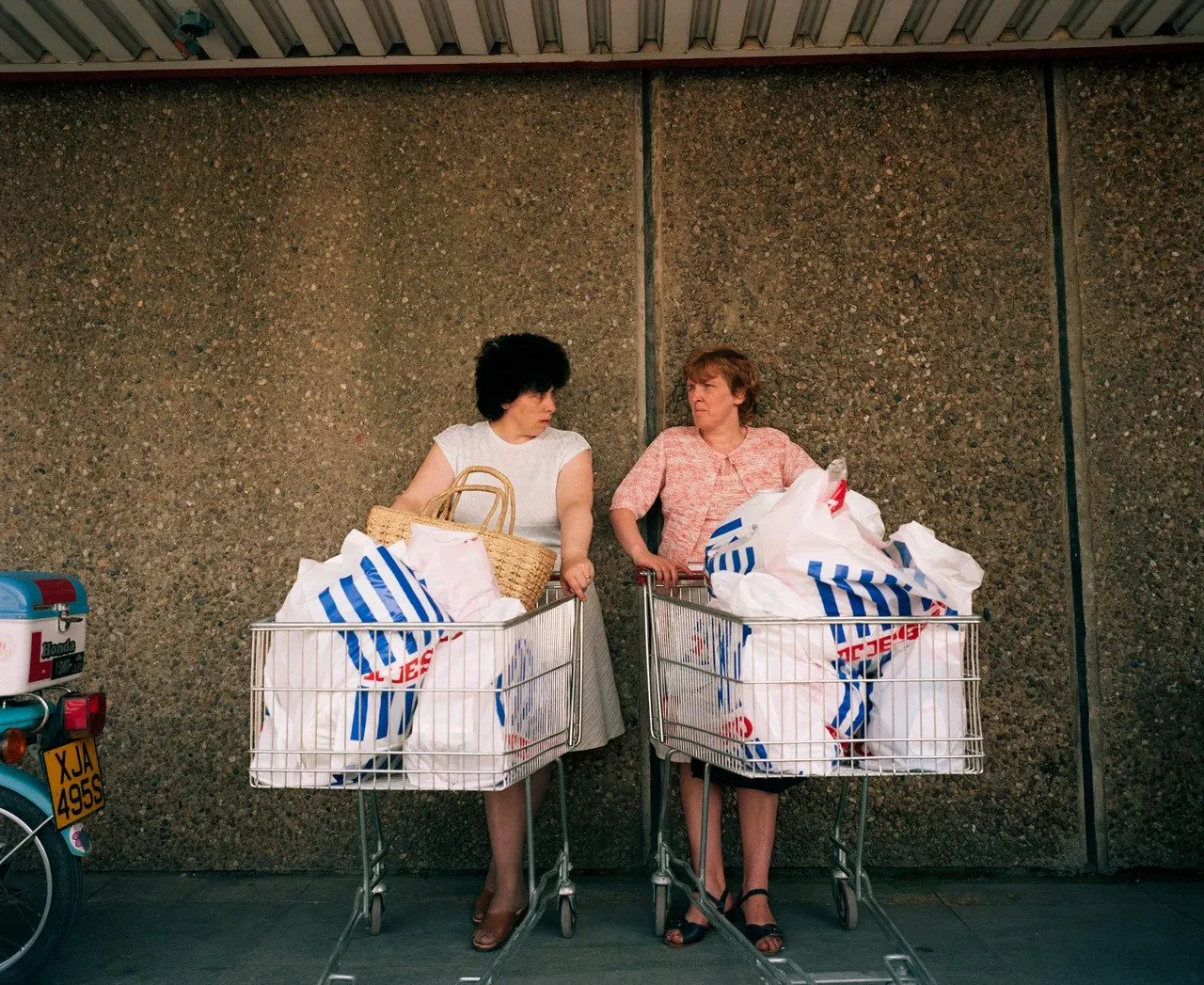
After New Brighton, Parr began portraying the extremes of the society of shops and supermarkets.
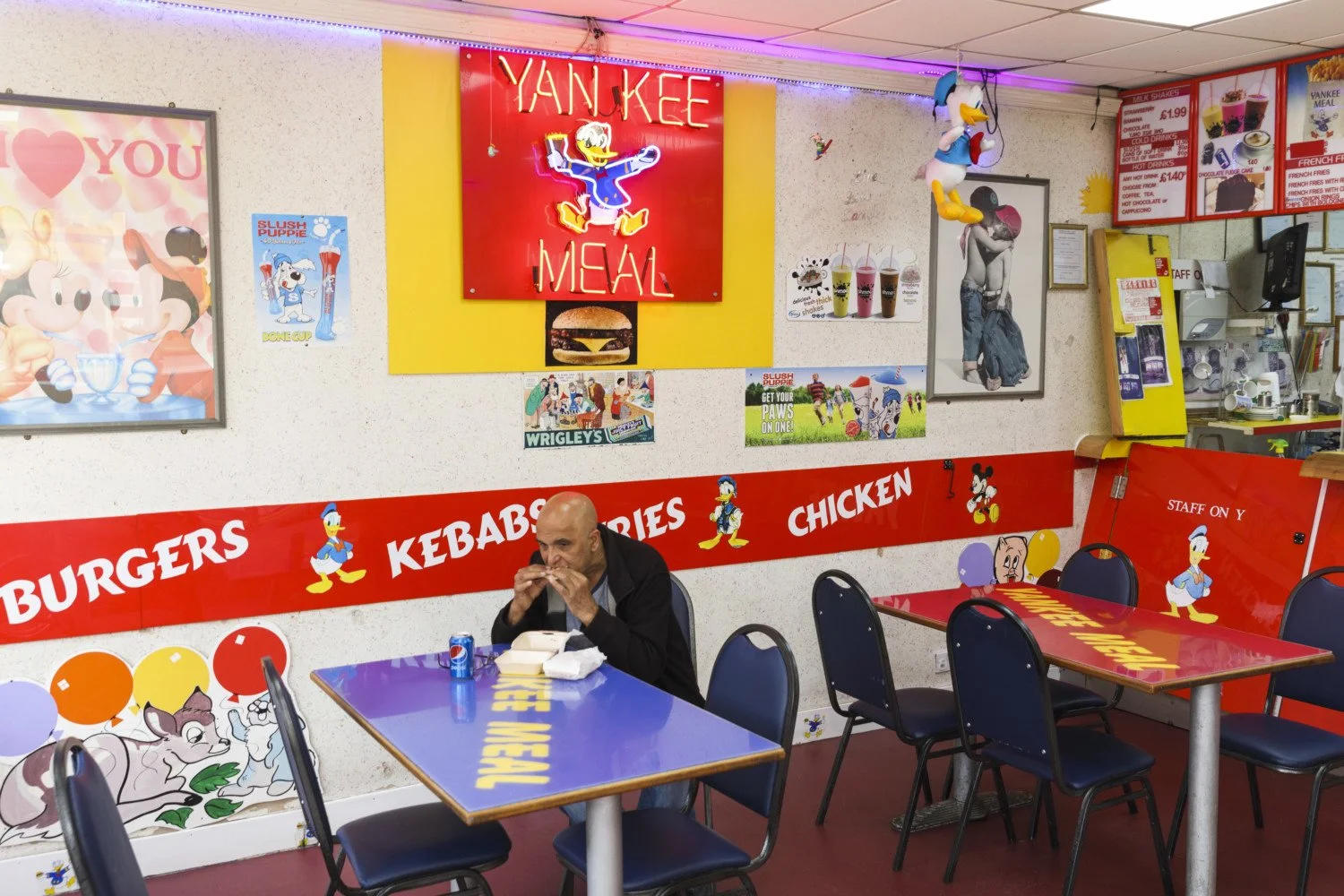
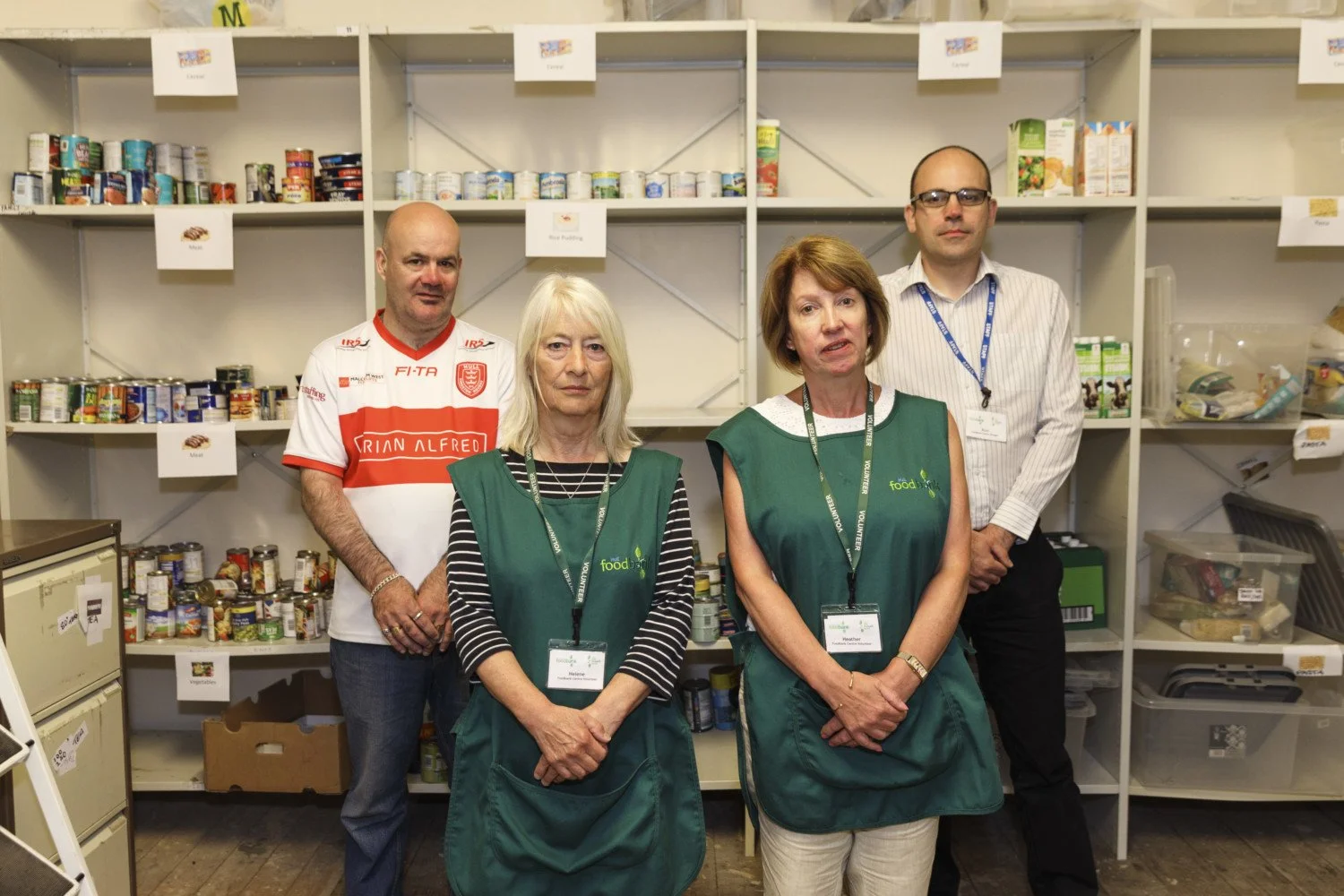

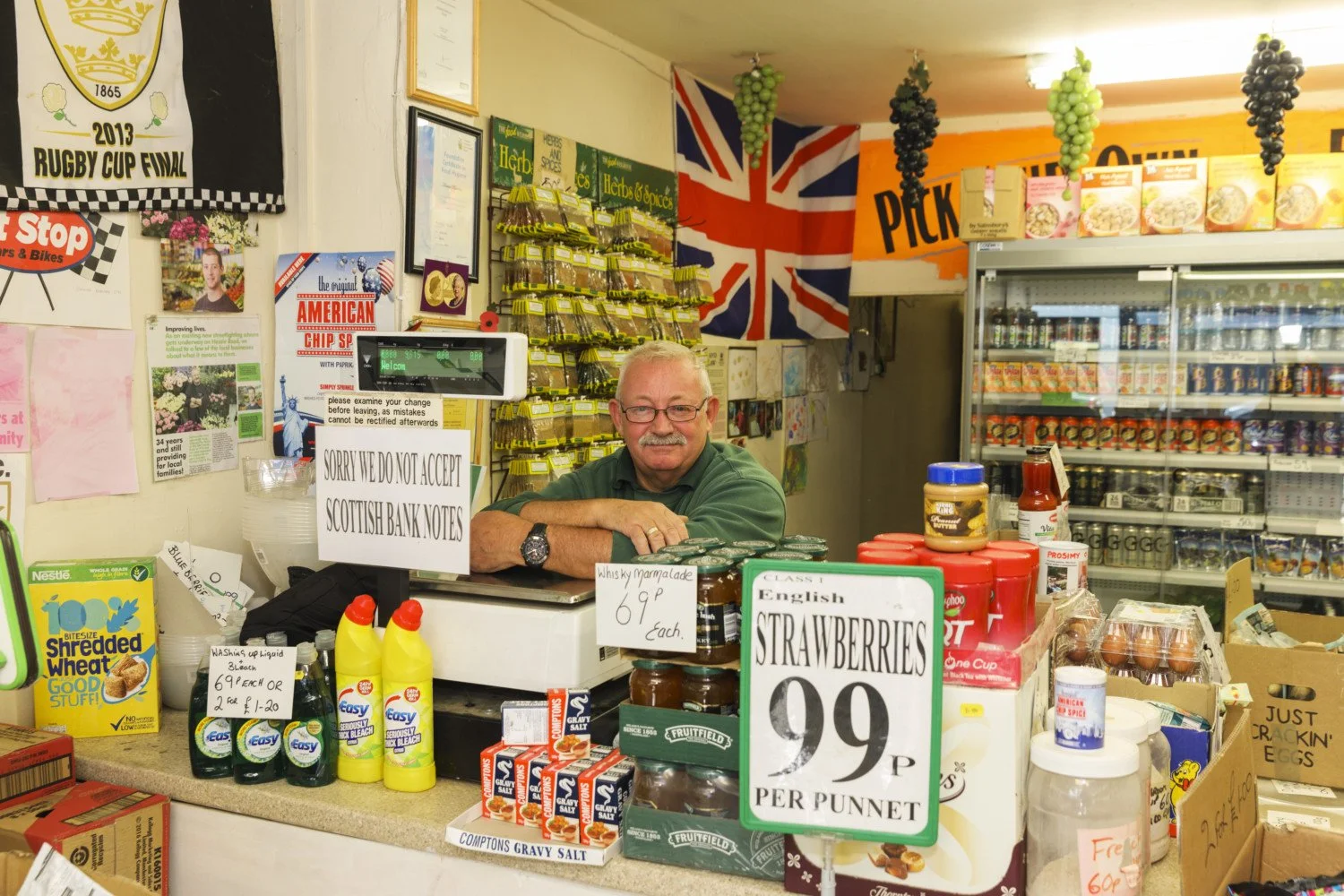
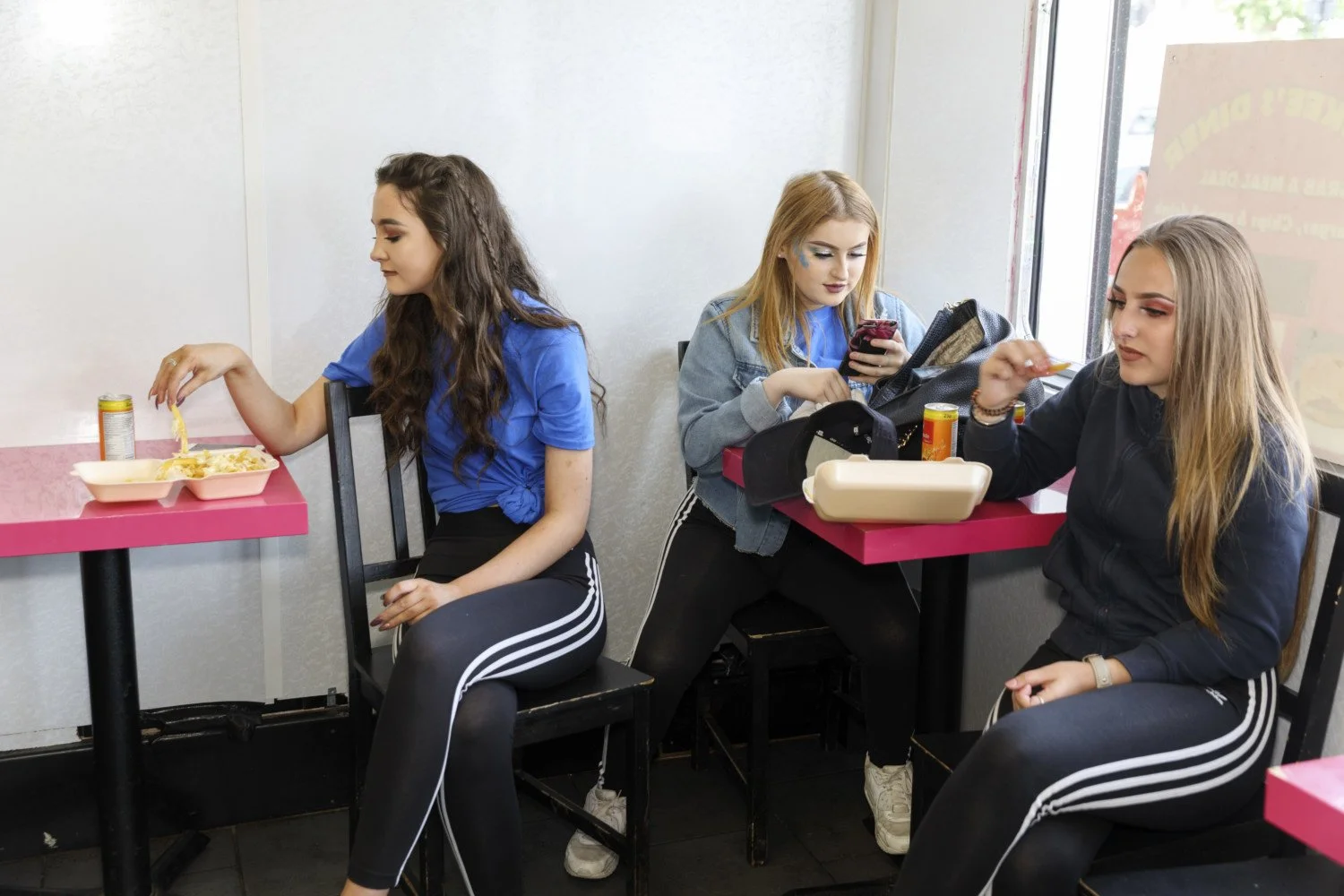
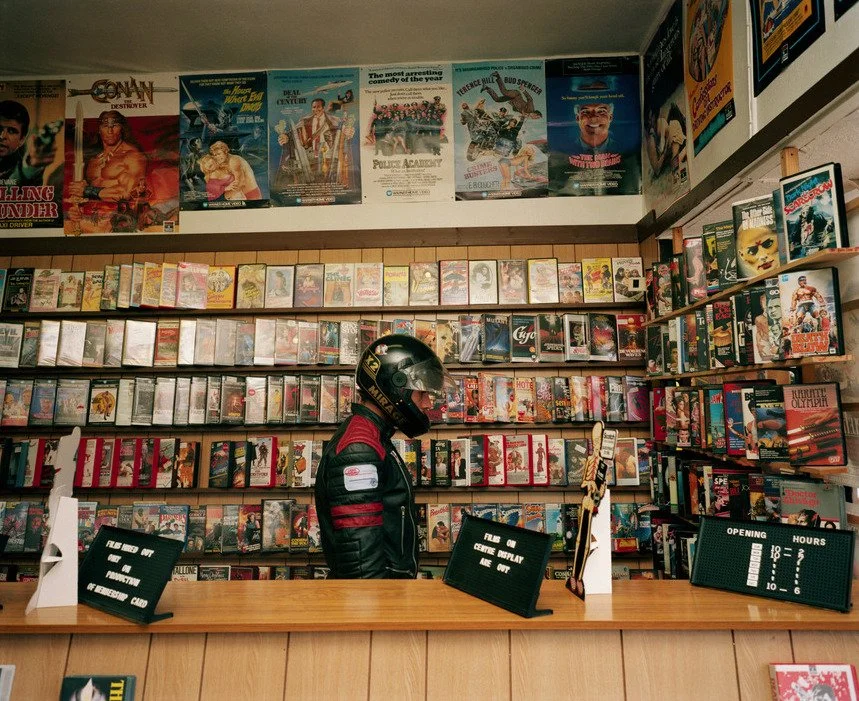
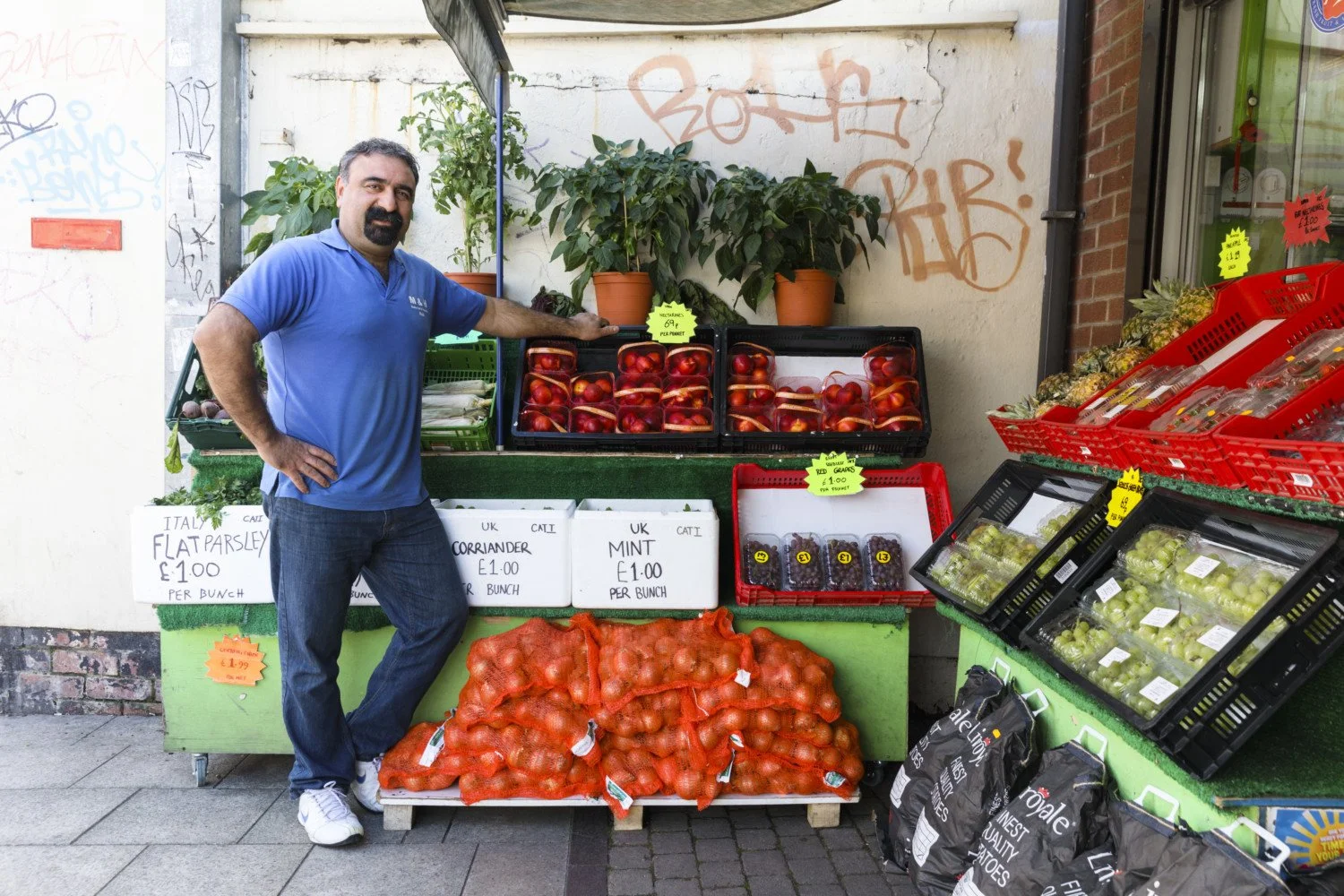
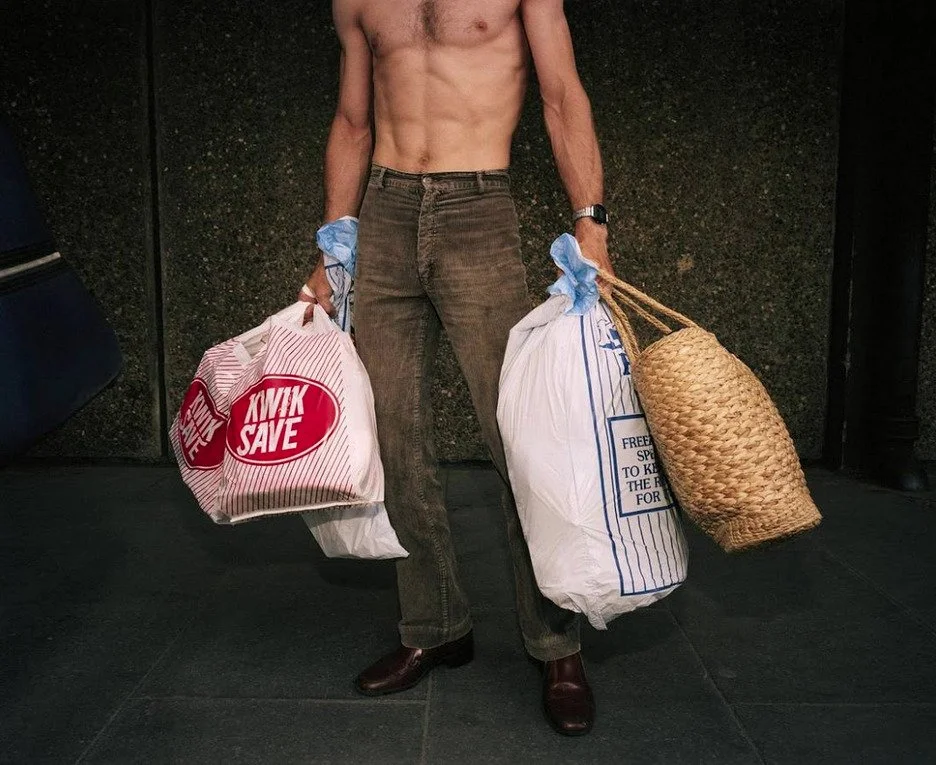
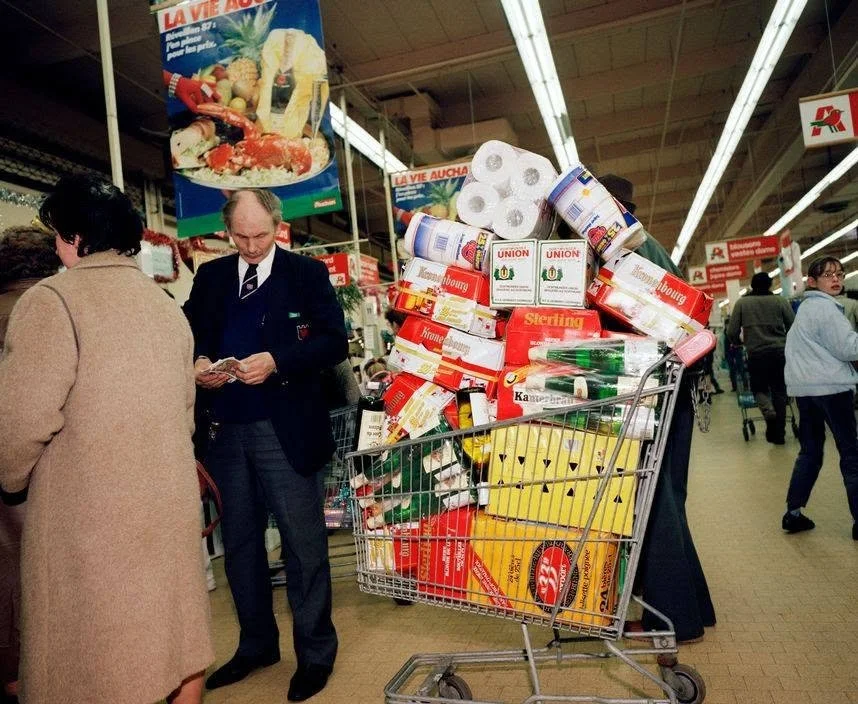
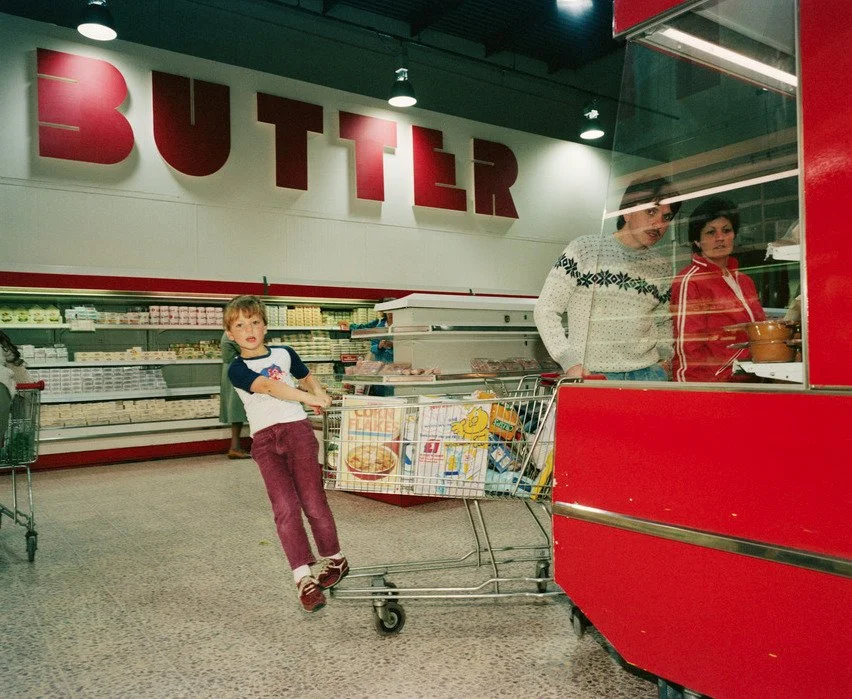

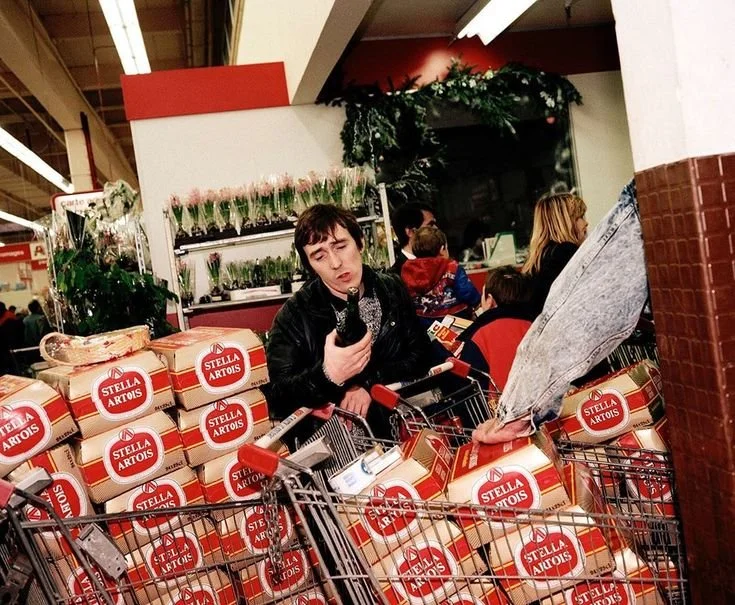
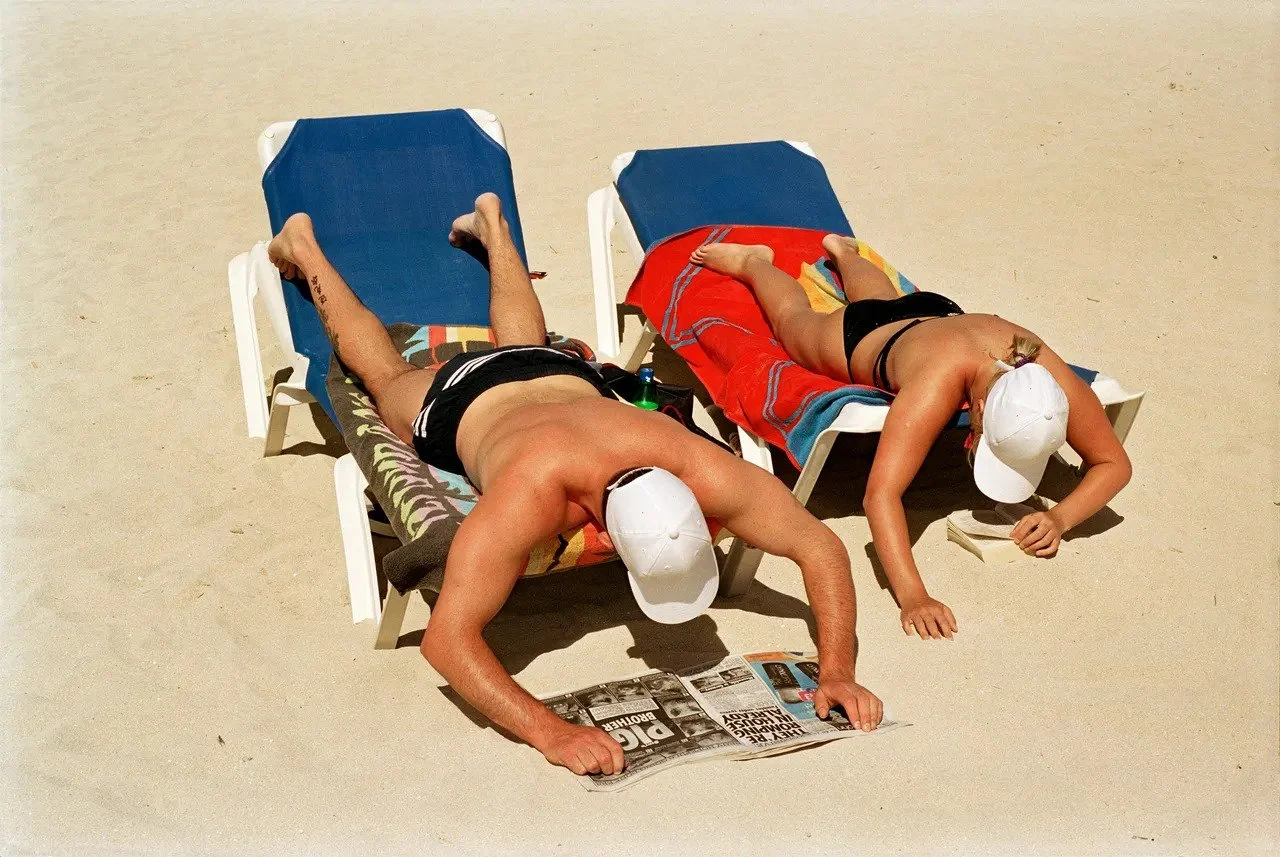
Telling the story of leisure activities in the Western world became his great project, one Martin developed across several chapters: institutions, beaches, tourism. He moved from the working class to the middle class, the class he himself belonged to and one not much covered by professional photographers, who were more interested in the extremes of the very poor or the very rich.
To do so, the photographer borrowed the bright attention-grabbing colors of commercial photography, but in his images there is also room, for those who look for it, for a political message.


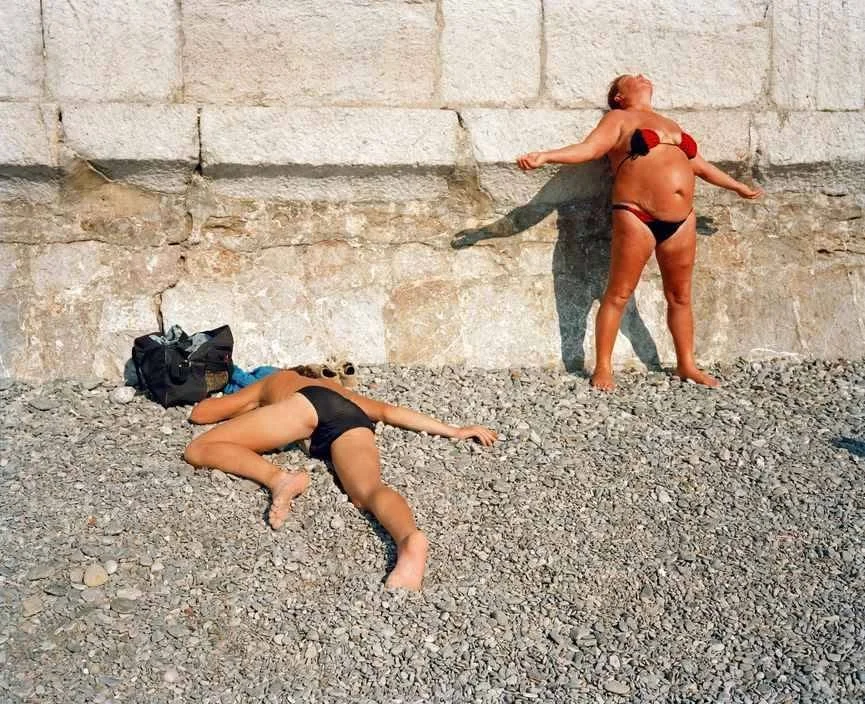



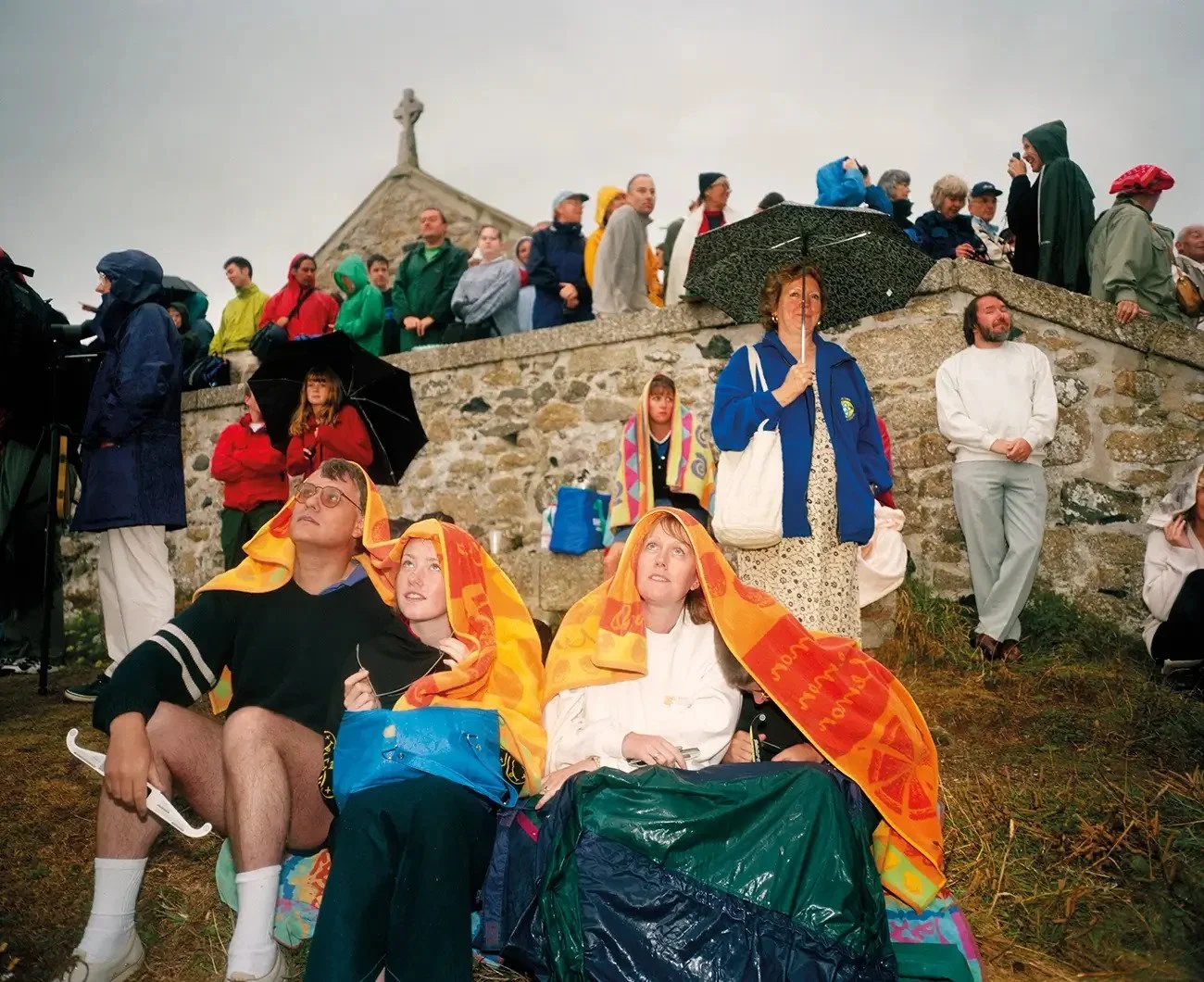

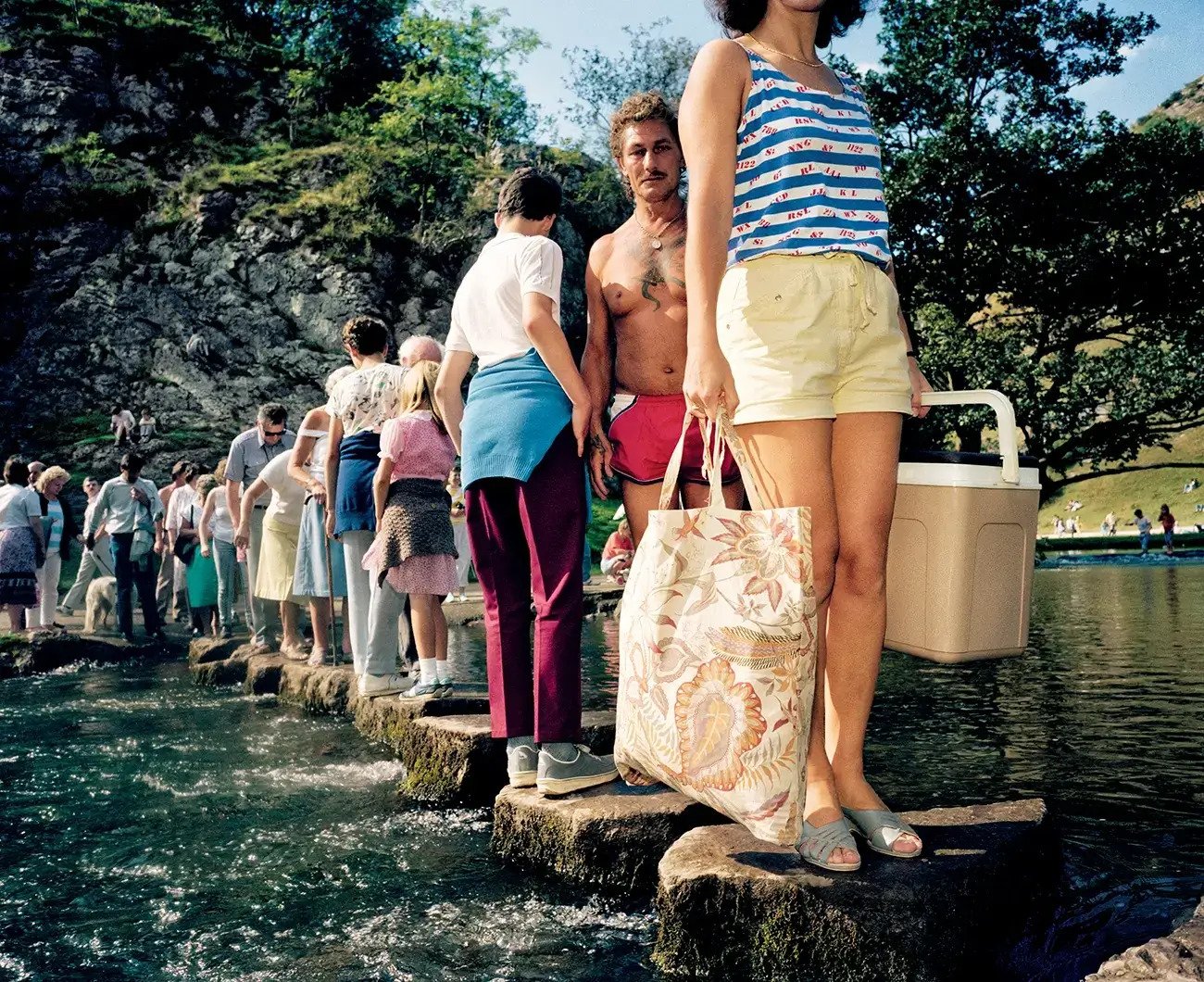

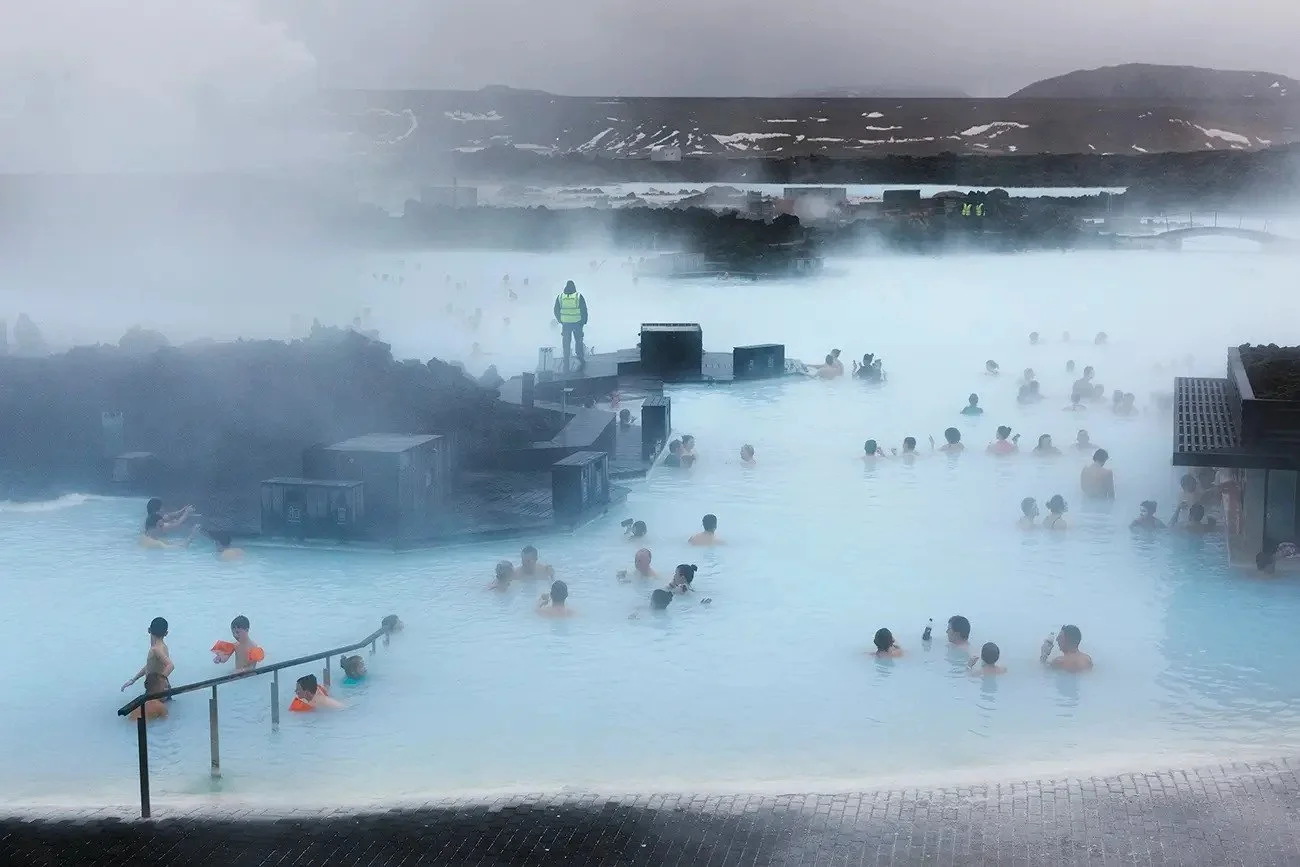
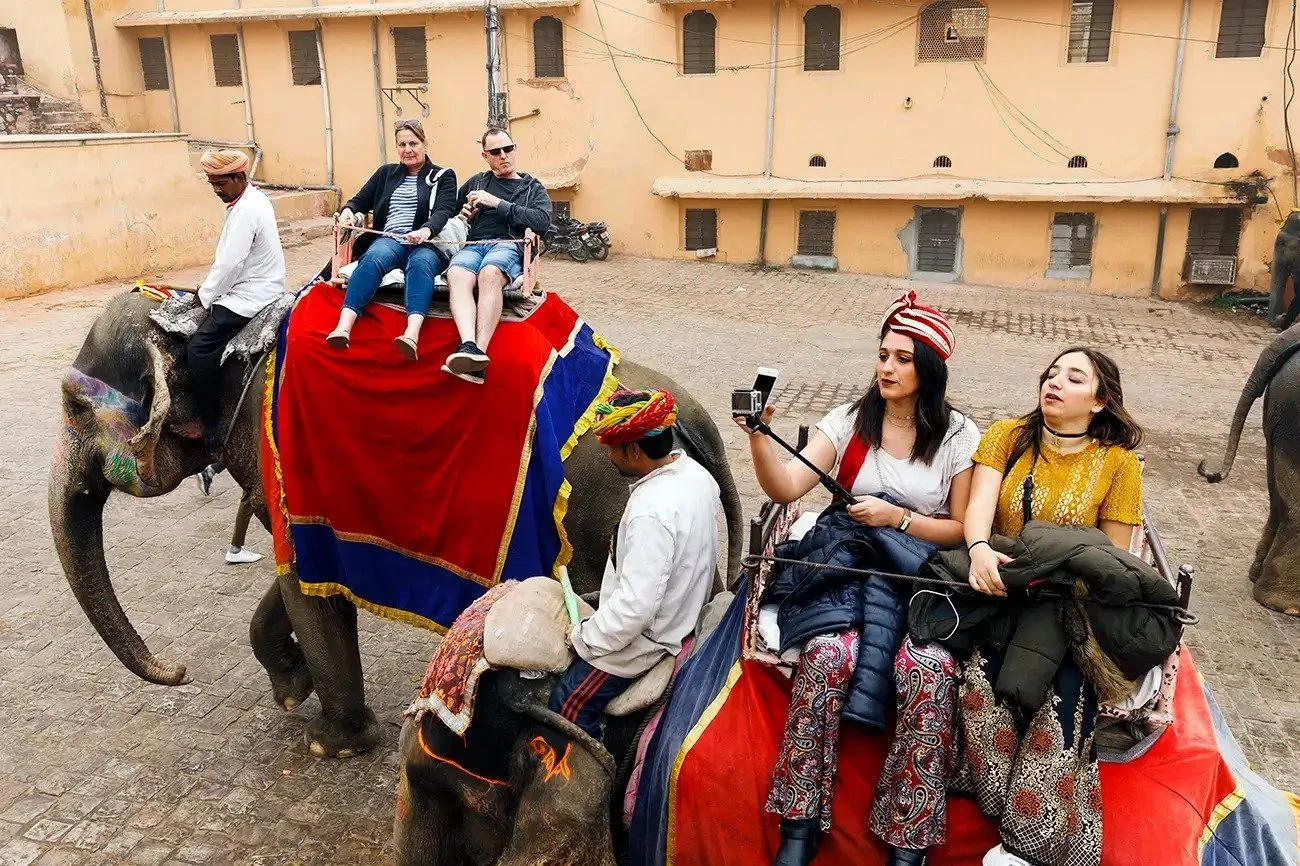


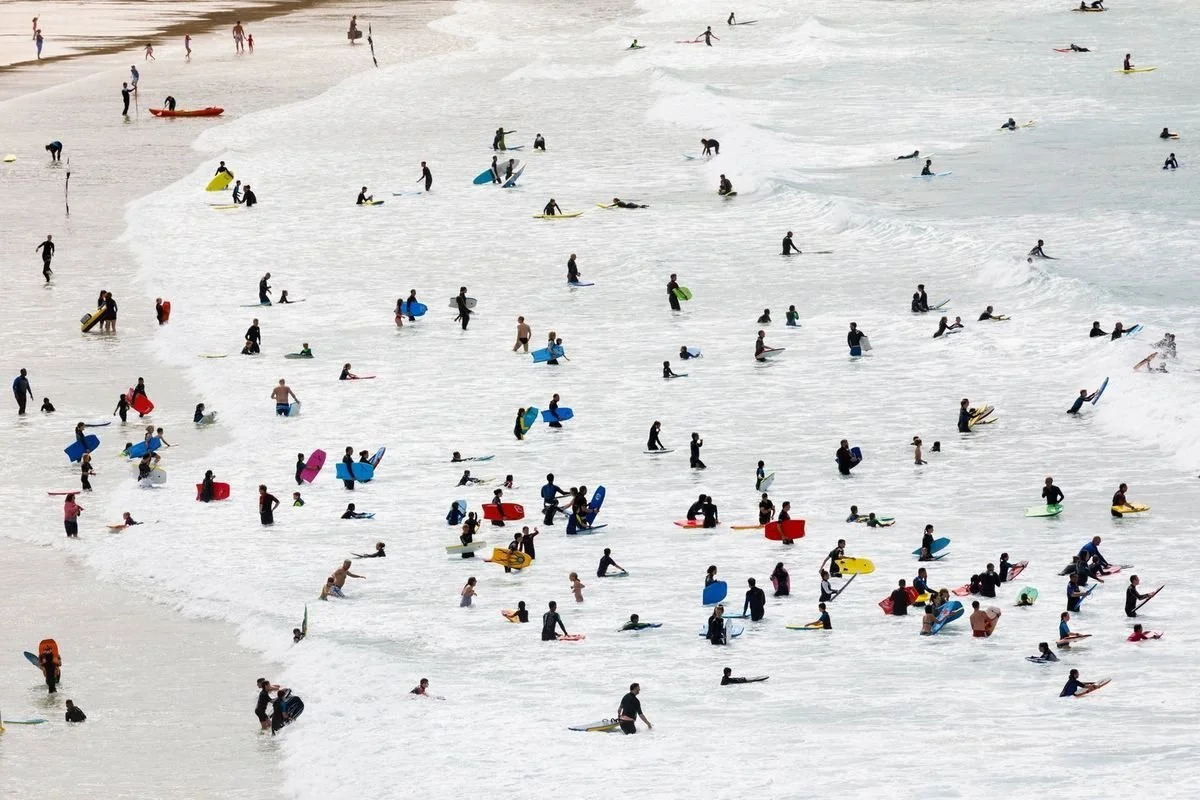
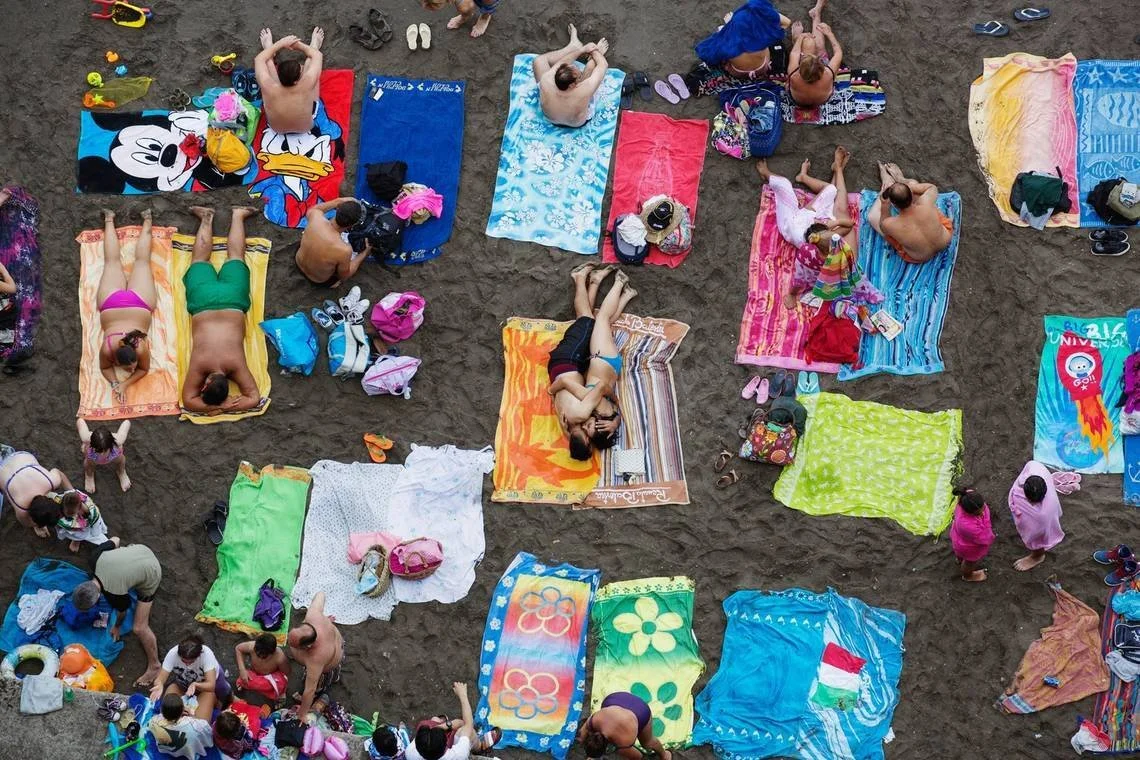
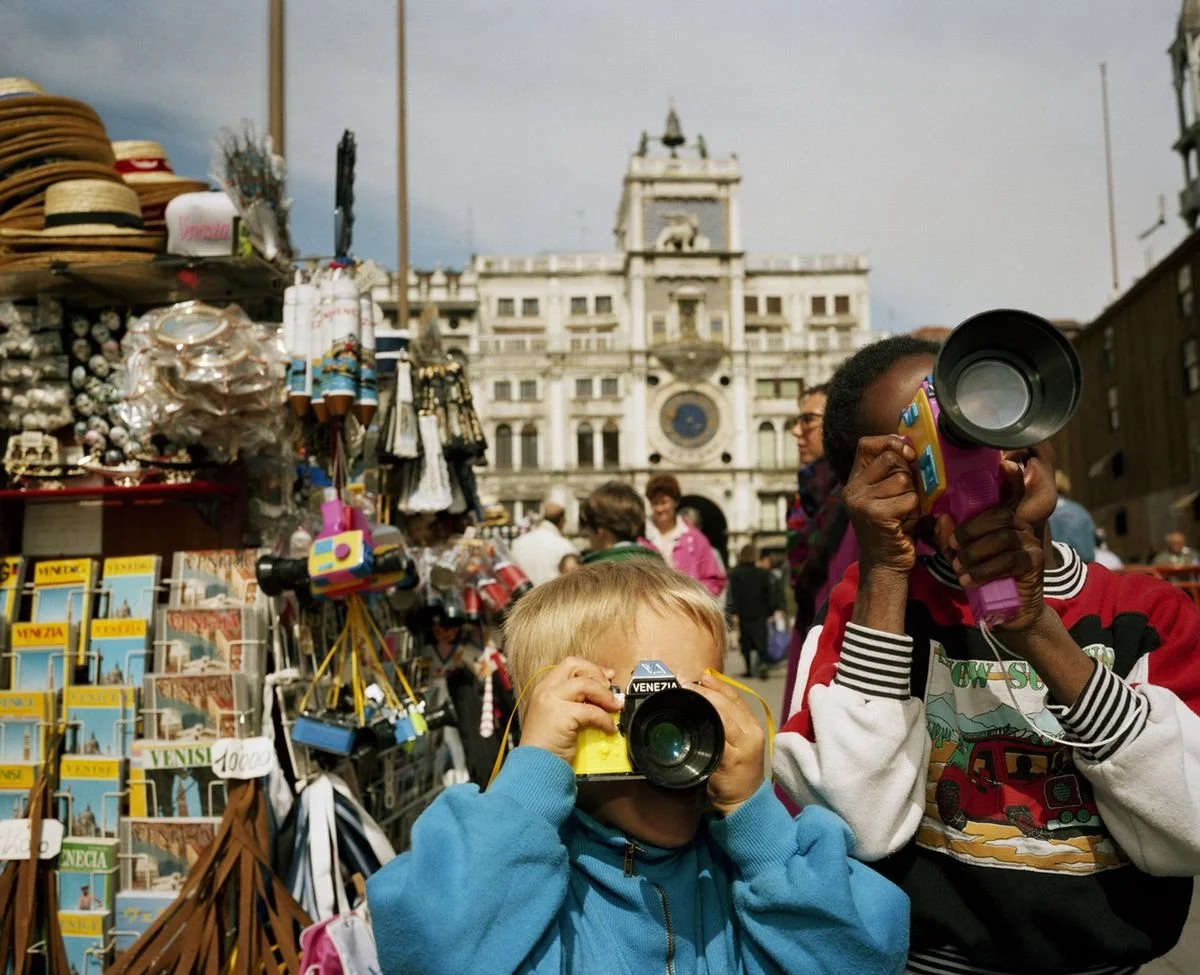
Over the course of his career Parr published over a hundred photo books, not counting those made together with other authors: a collection that certainly makes one reflect on the strength of his obsession, the same one that pushed him to travel the world and carry a camera wherever he went.
Criteria and Method in Martin’s Photographic Search
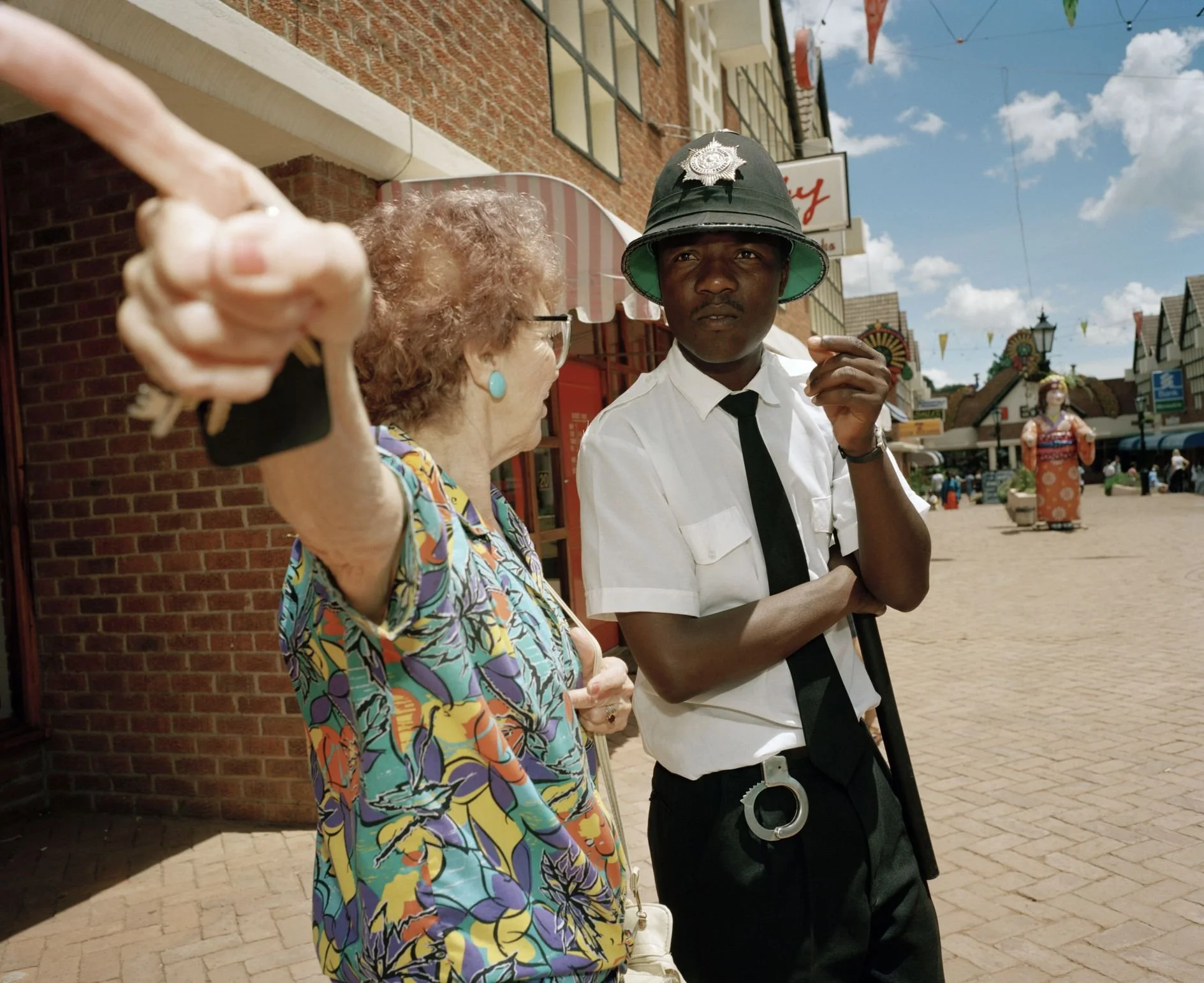
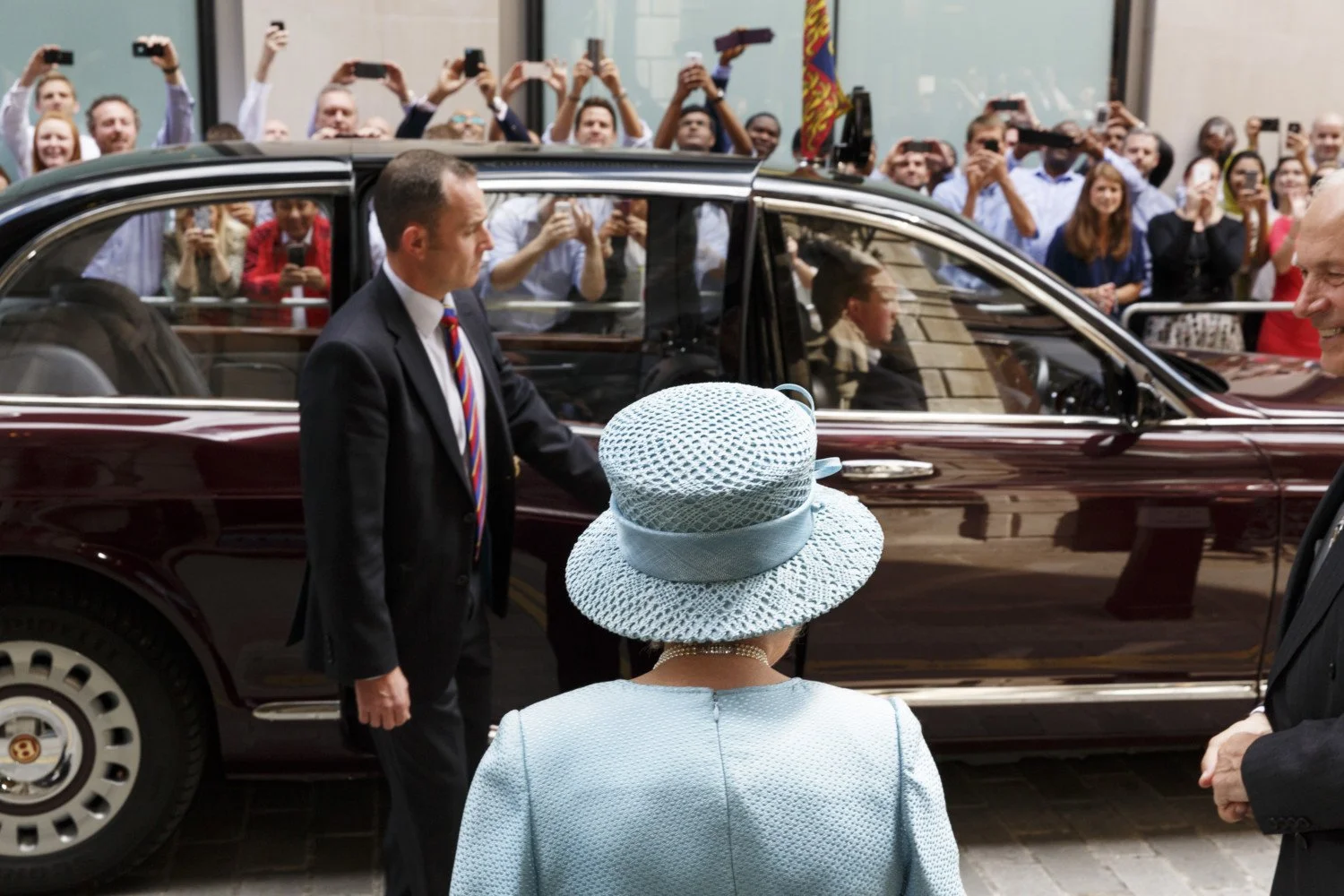
The criteria Martin Parr looked for in a shot were ambiguity, entertainment, something happening, a contradiction similar to his own relationship with the world and with the United Kingdom: on one hand unconditional love for his own country, on the other the disappointment following Brexit, just to give one example. The photographer's challenge, he said, is to take these feelings and carry them into the image, photographing his own country almost as a form of therapy.
Speaking about his work, Martin revealed:
"When I'm out shooting it's a bit like a soap opera. I identify the places where I want to photograph, then I wait for the right characters to fall into place."
and also:
"When you're out with the camera you hope and expect that today will be the day you take one of those great photos. It doesn't happen often, so on most days, in the end, you're left disappointed, but you have to be ready for that possible moment when a good photo shows up. To get there you have to take a huge number of very bad photos."
According to Parr, photography requires being present before something happens, not after, so you have to go to the place where you think the moment might occur, and then you have to shoot constantly, day after day, be obsessed. In his experience, getting ten good photos in a year is a remarkable result.


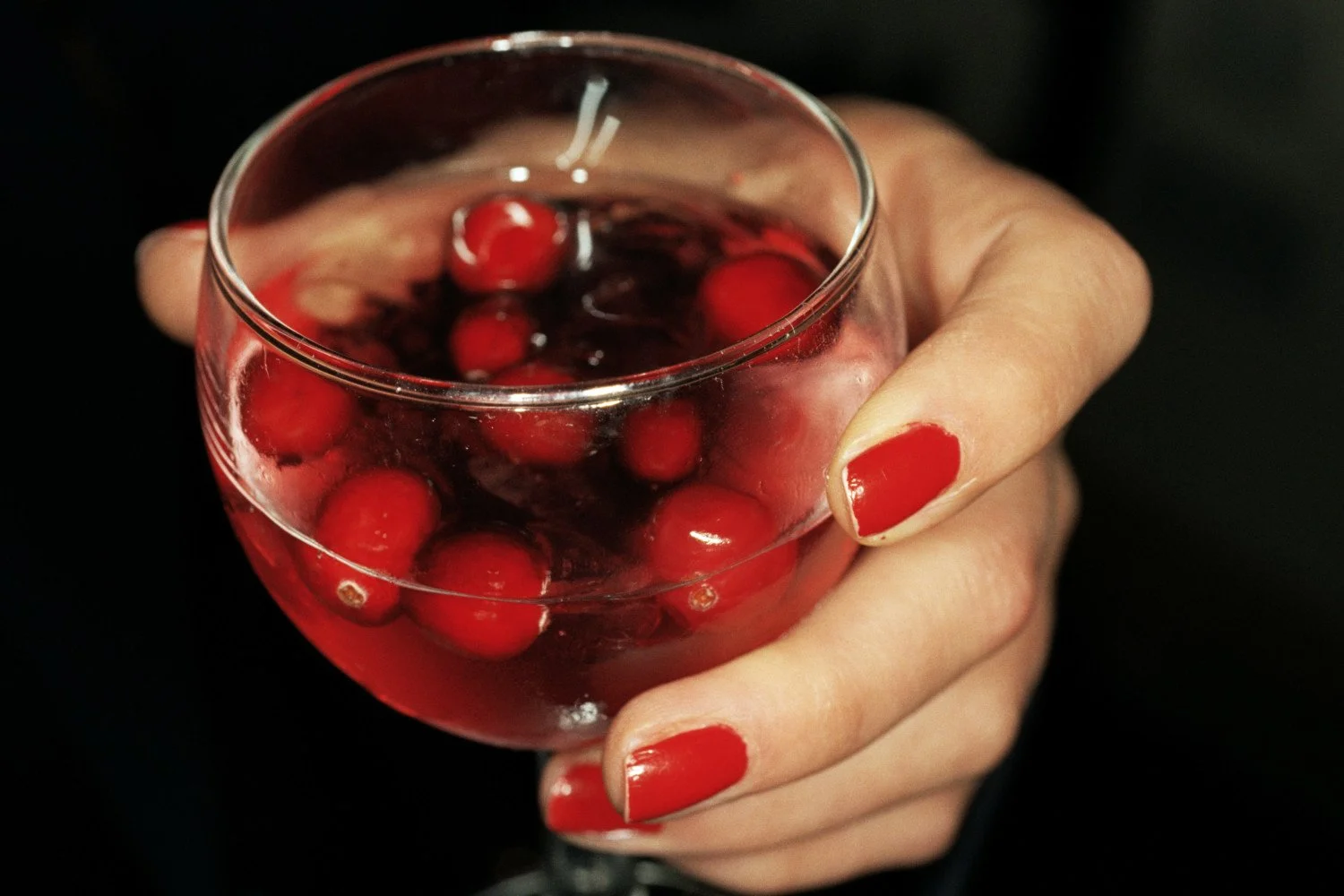



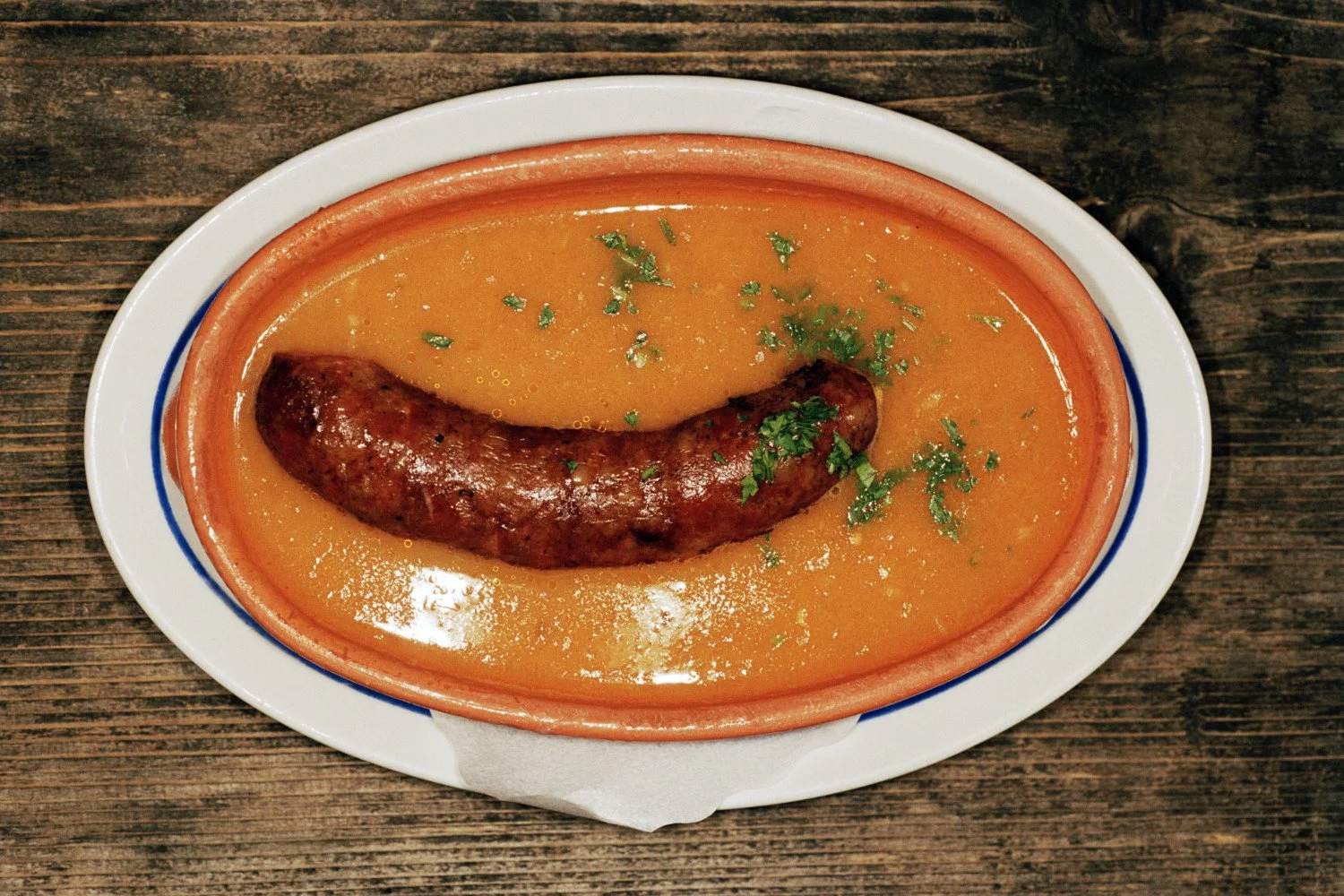
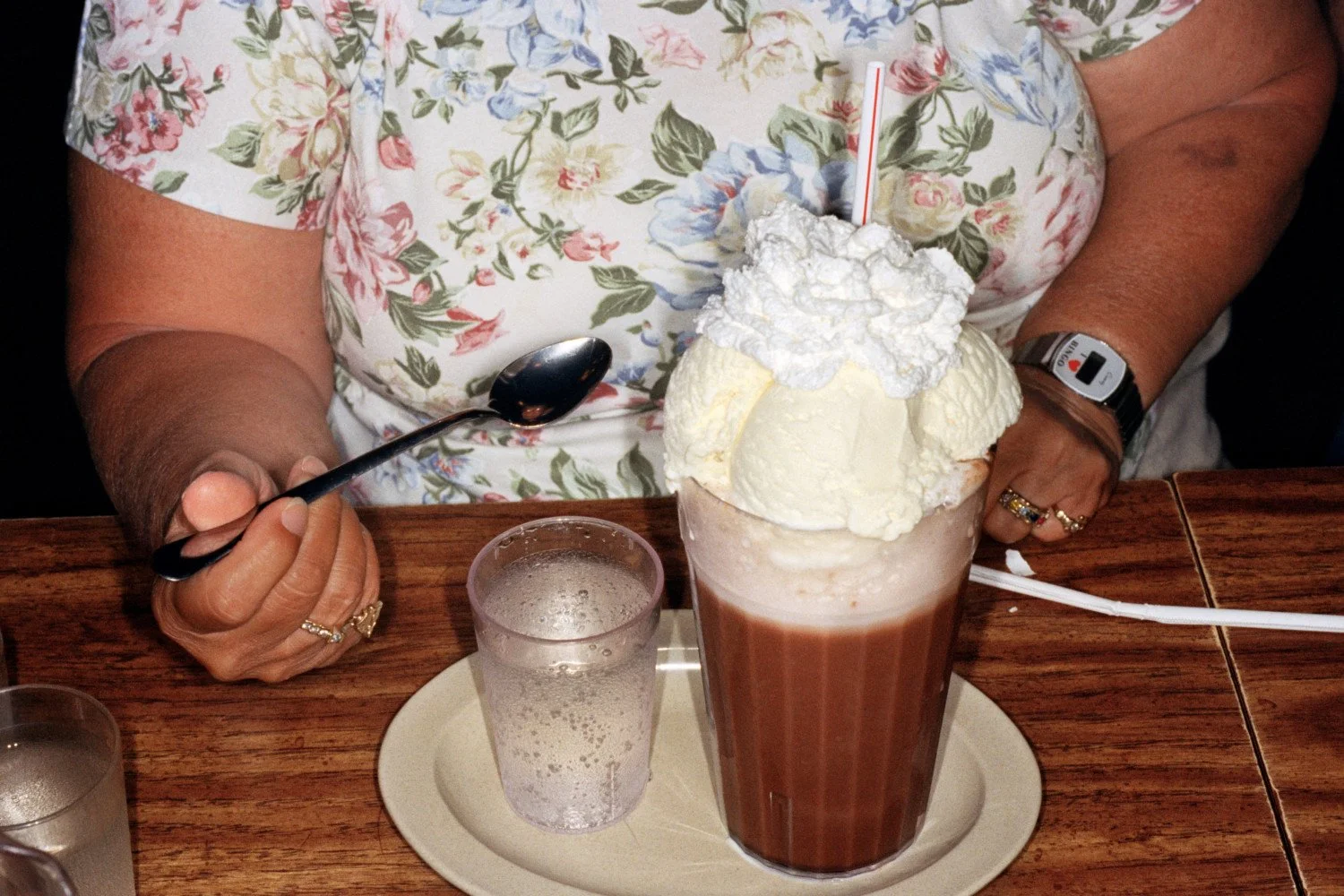
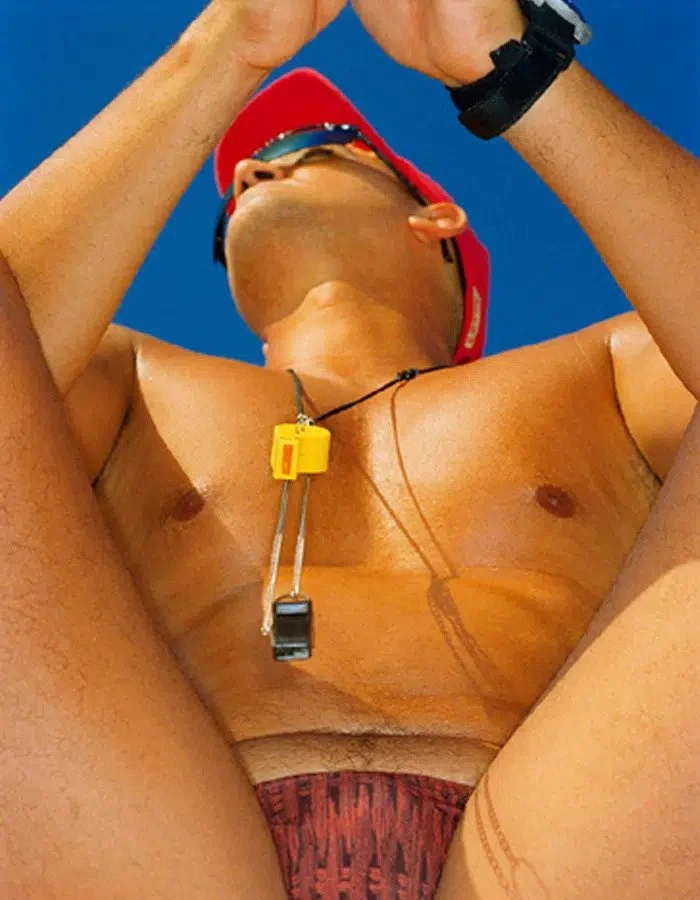
In the 2000s Martin played with macro lenses to tell English clichés, he changes camera and approach, then changes again, moving to a telephoto lens, a lens traditionally alien to documentary photography and closer to journalistic or sports photography.
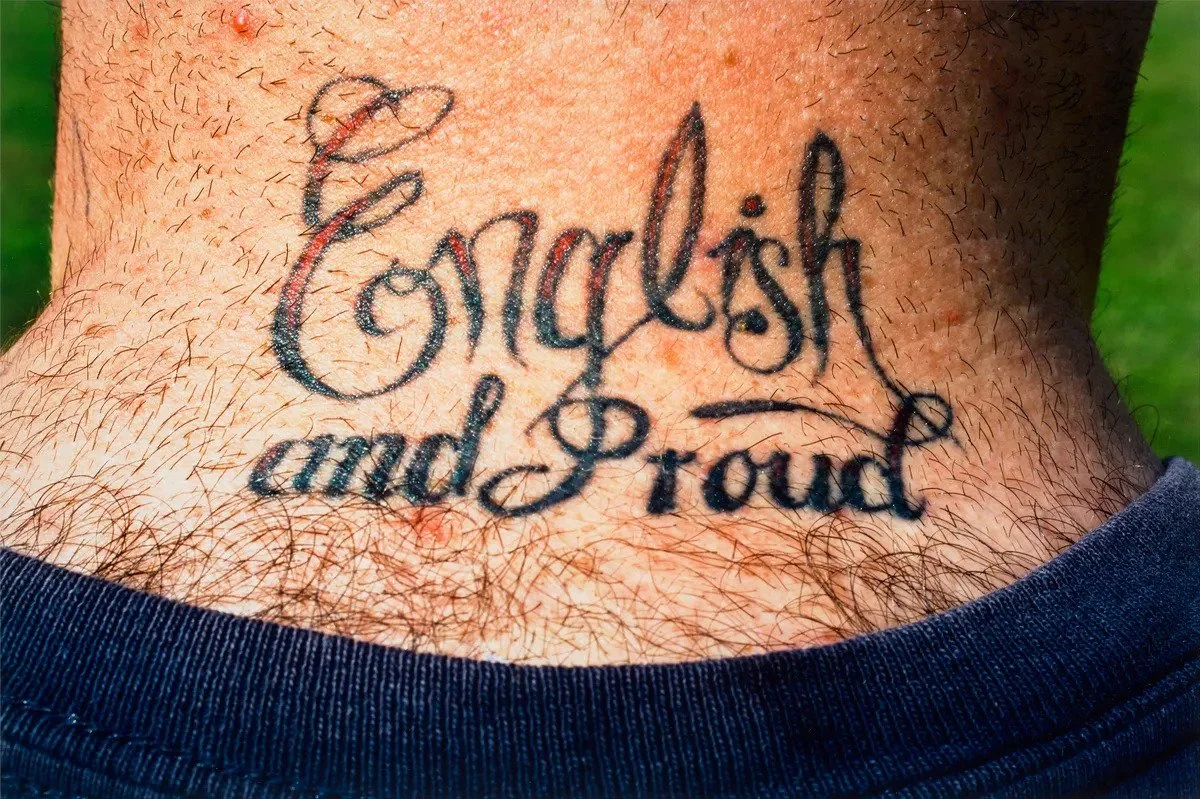
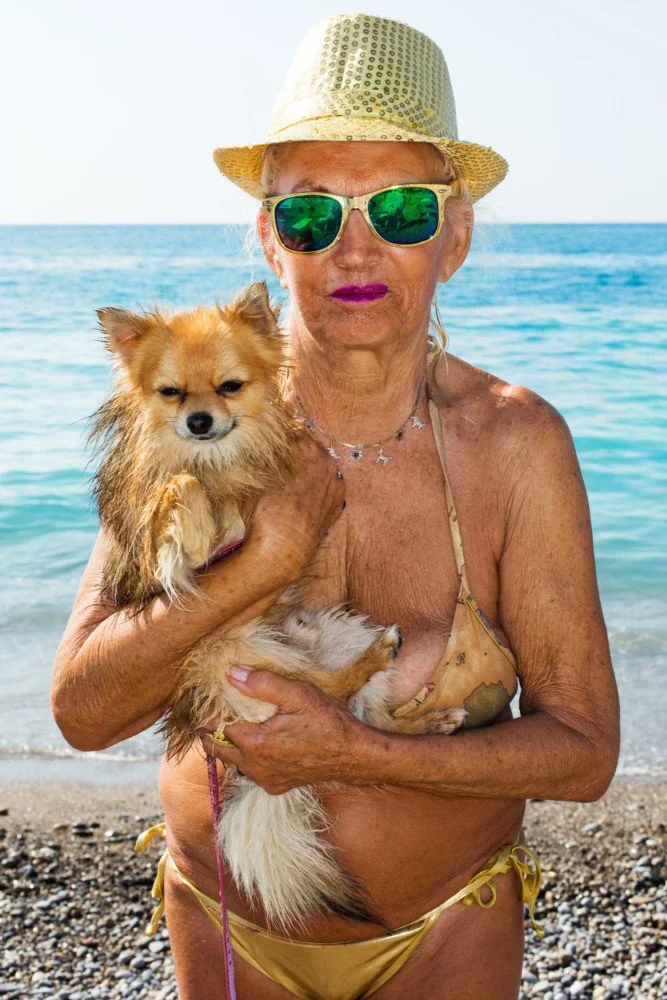
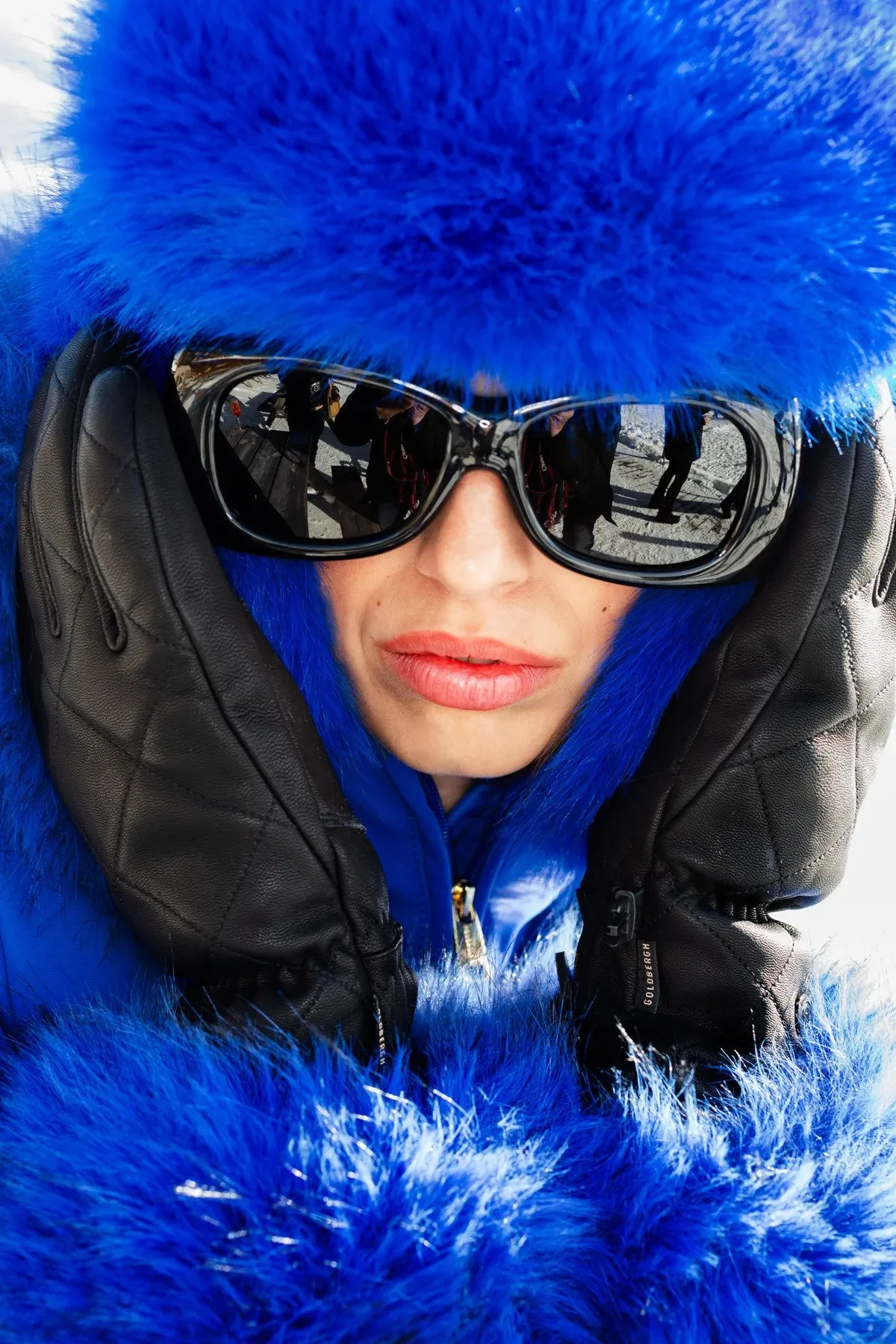
The beach remained his favourite training ground, but this period also saw the birth of a series more oriented toward portraiture, which became the project Only Human, the fruit of Parr's interest in fashion photography
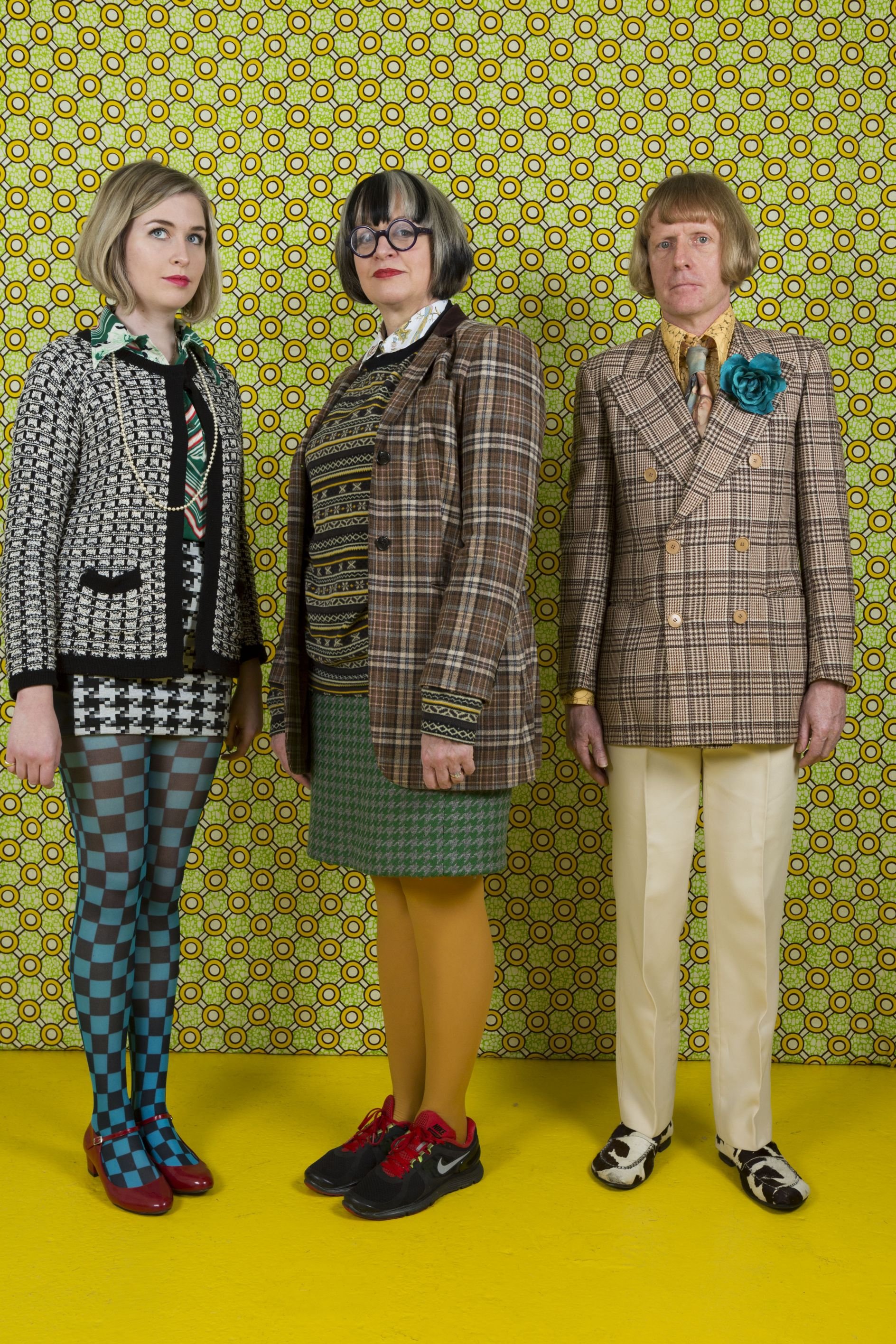
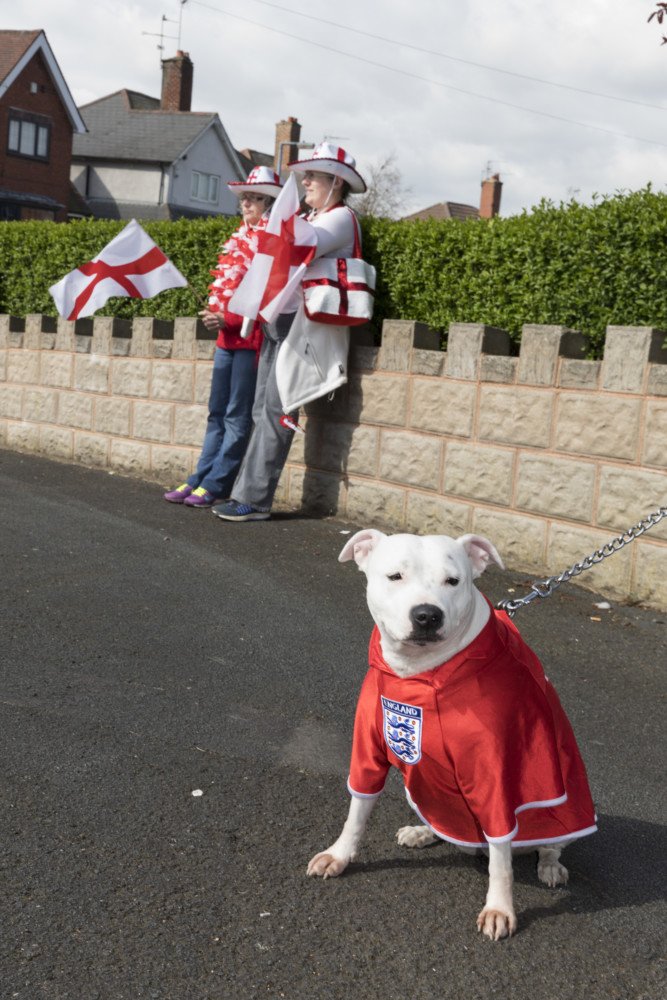
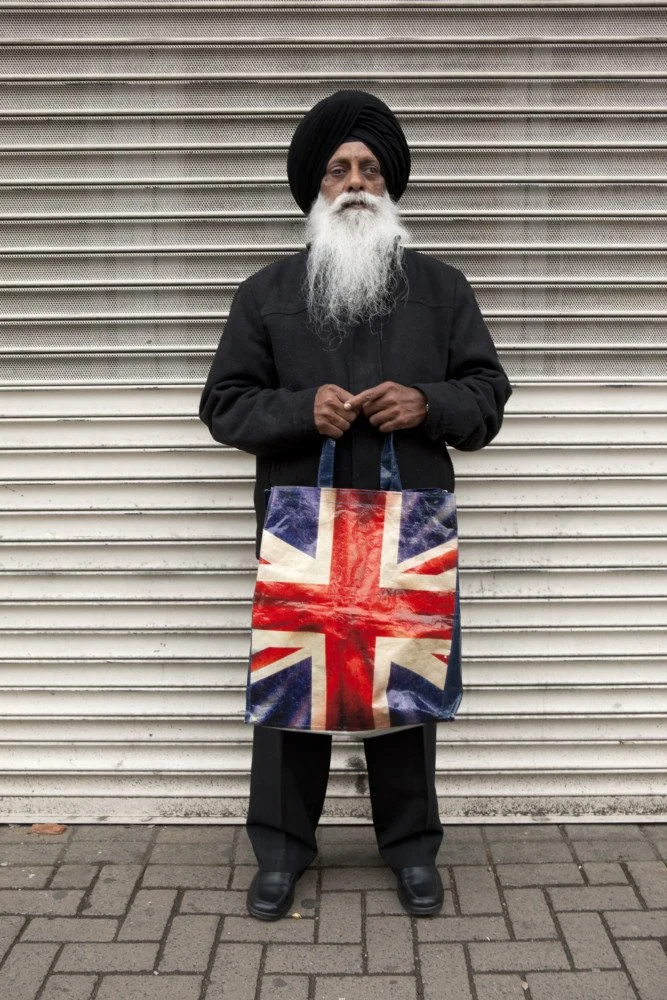
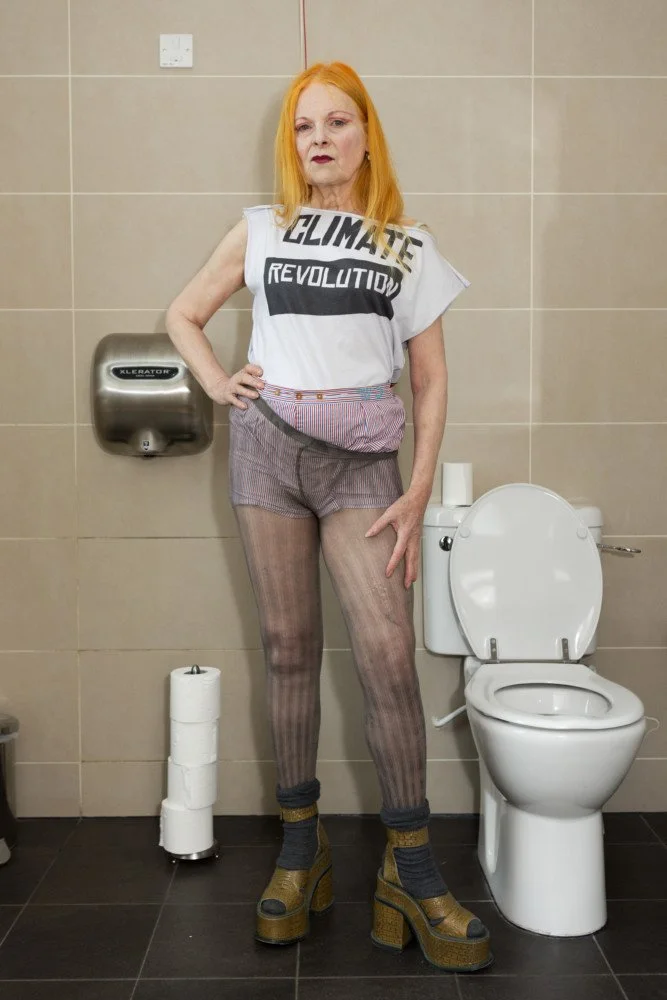
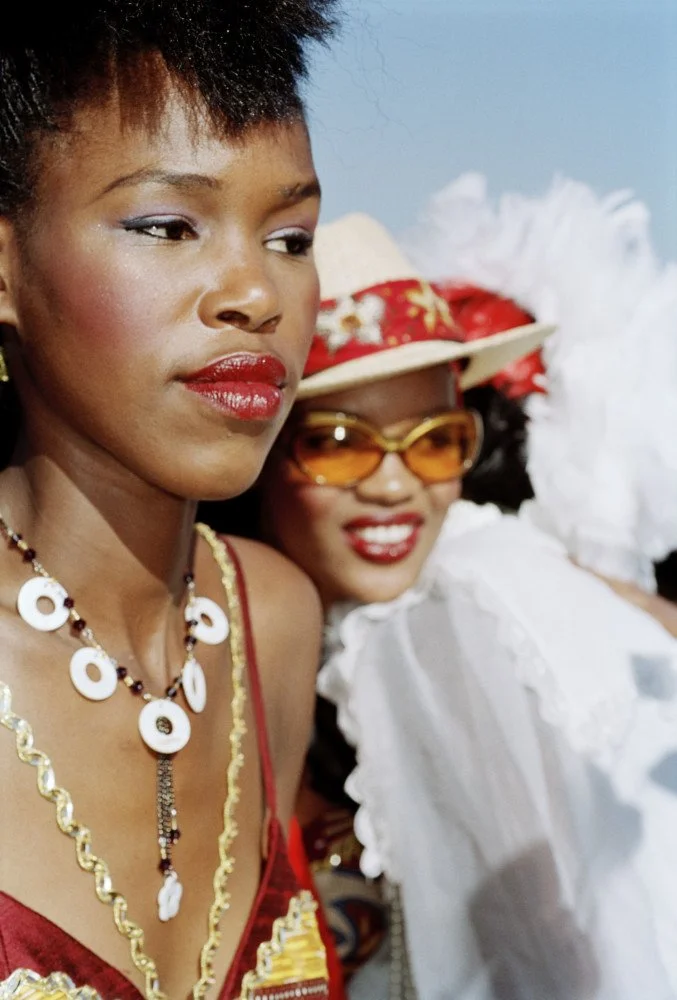
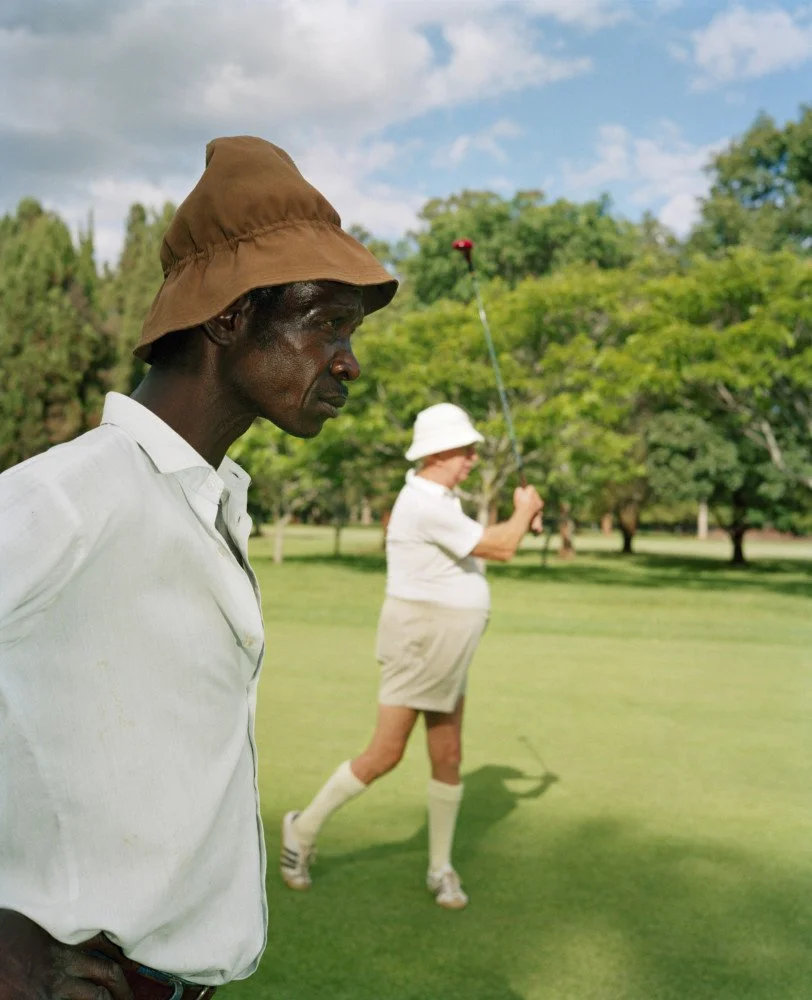
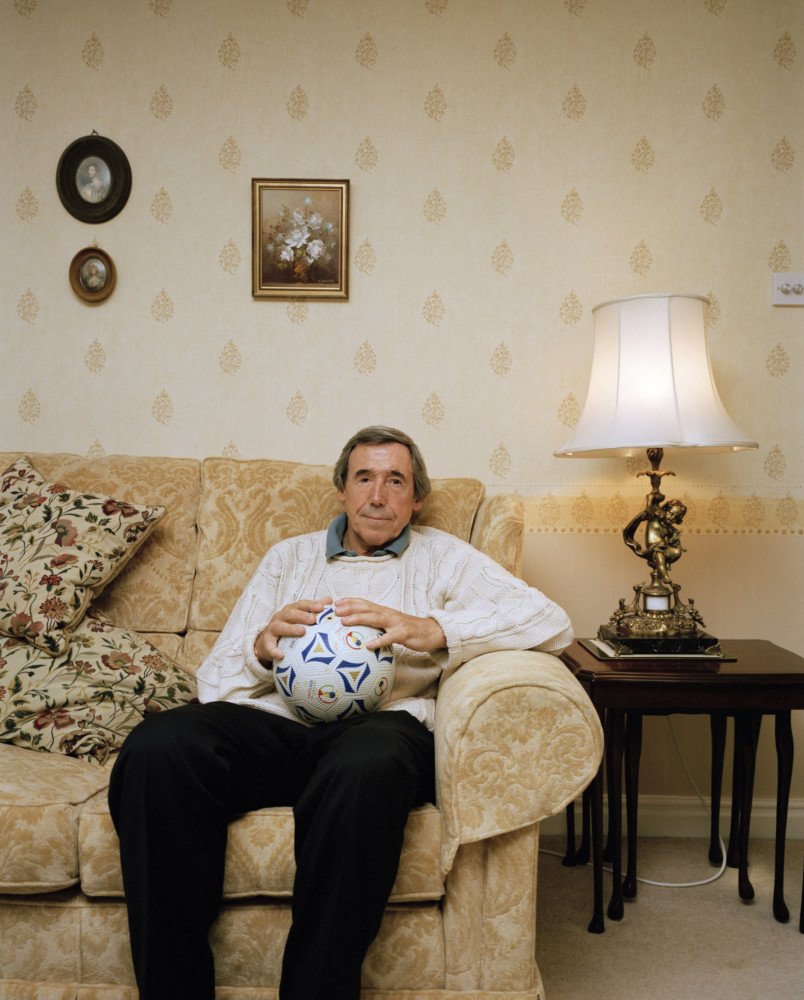
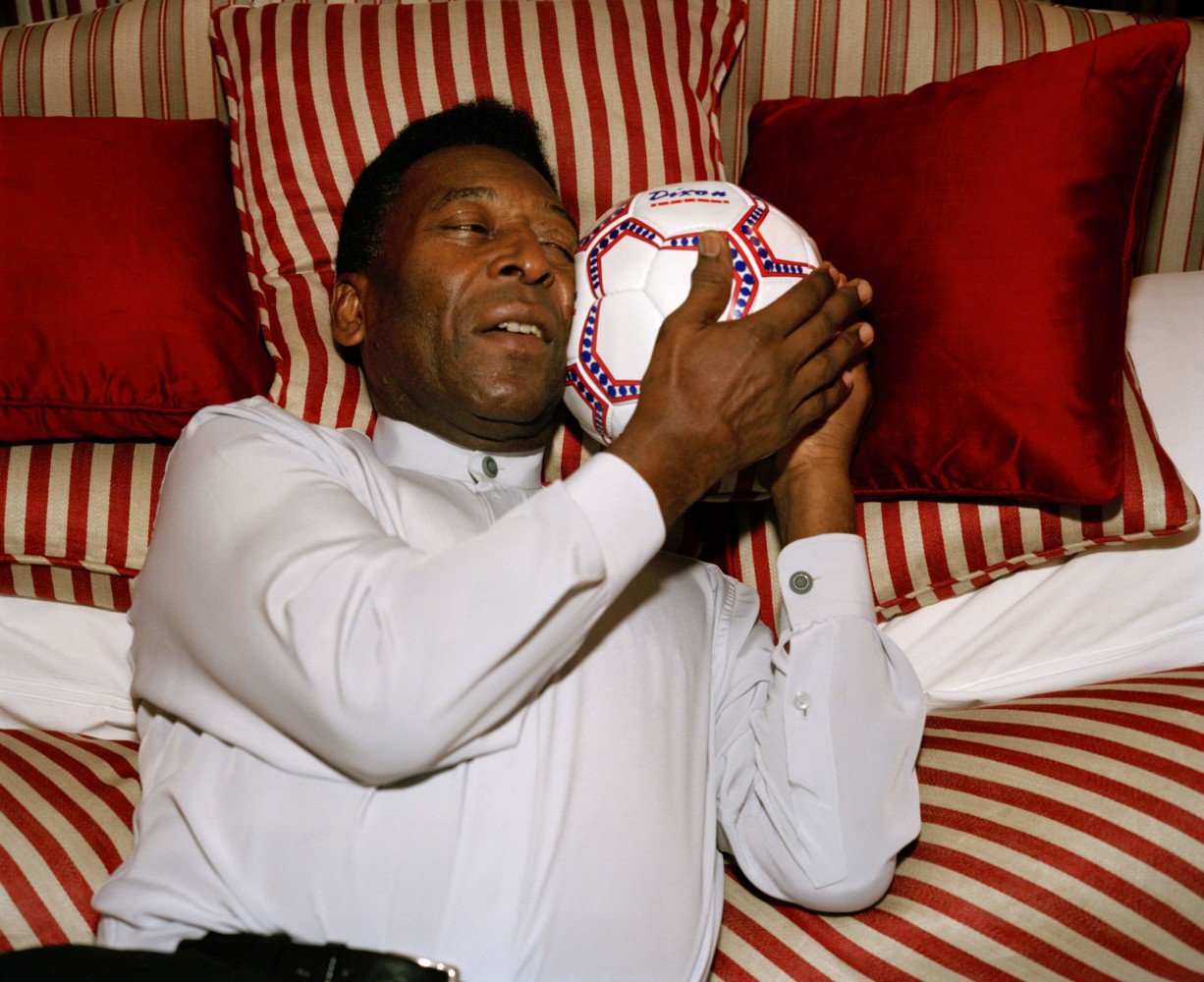
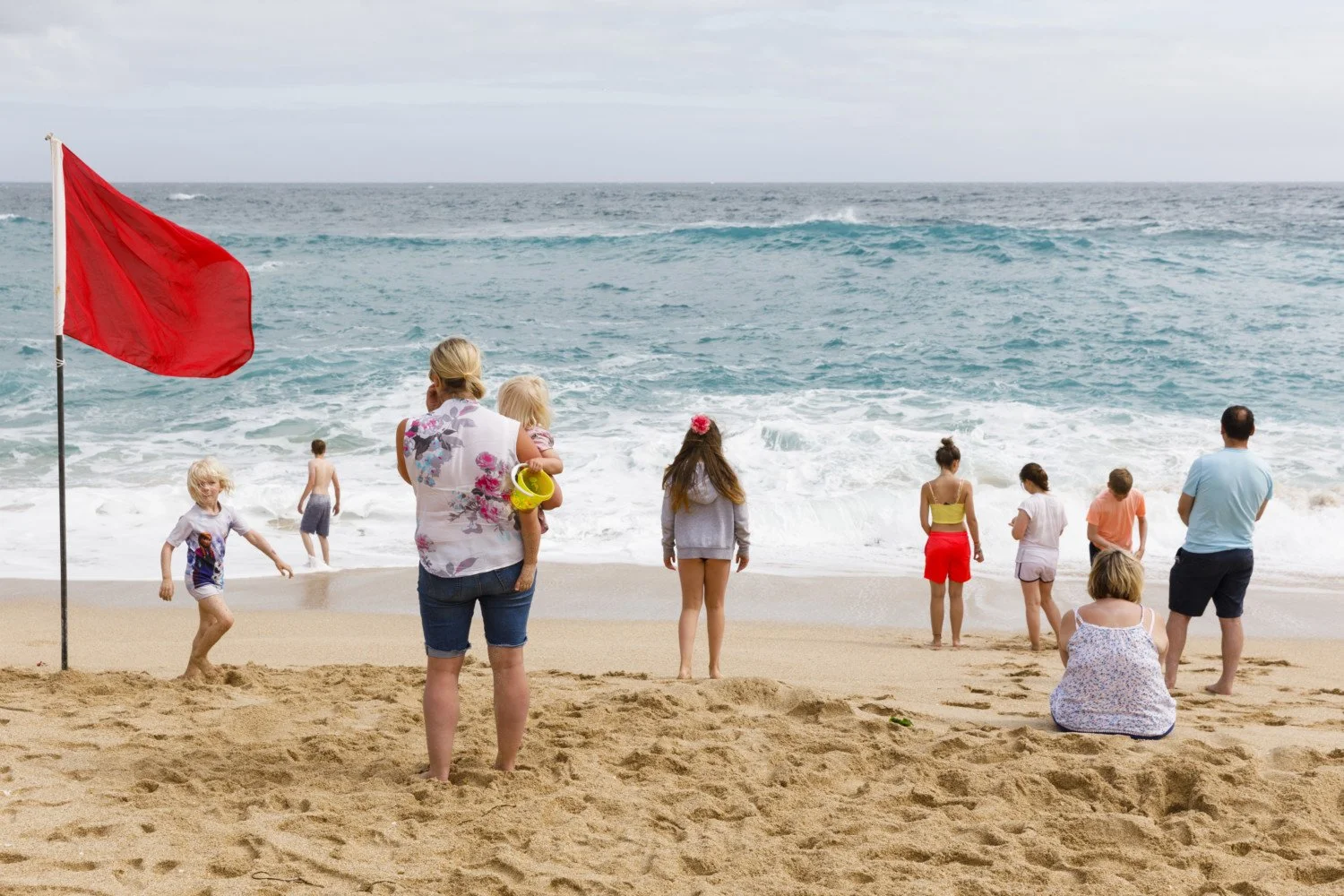
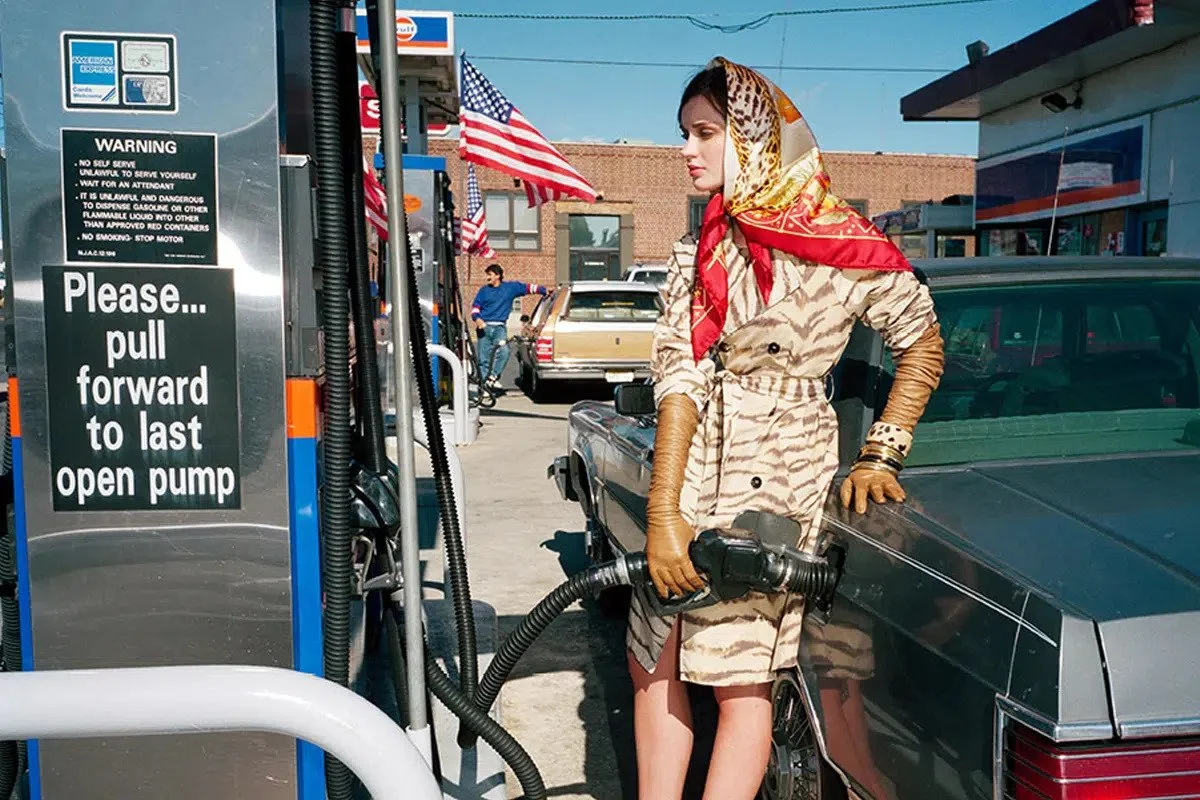
an interest that led him to work for clients such as Vogue.
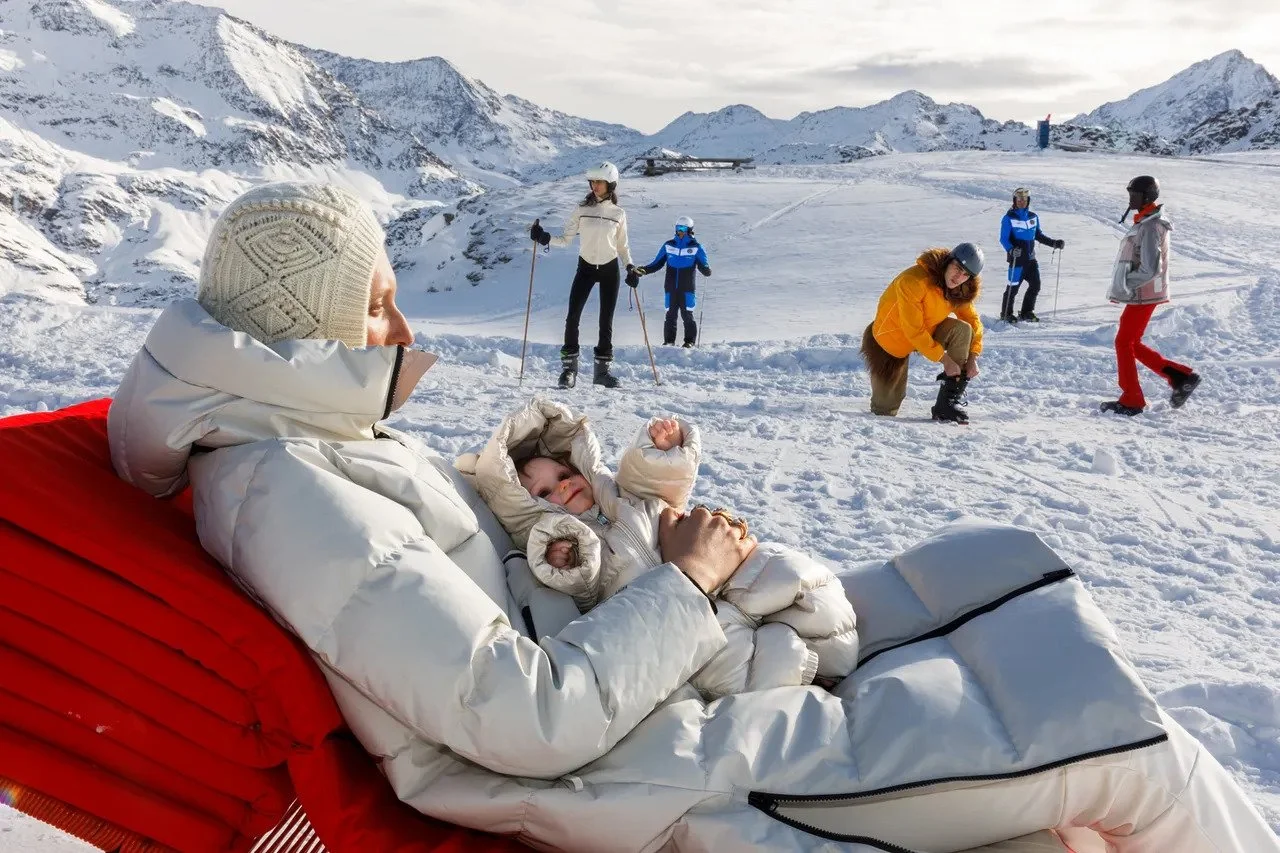
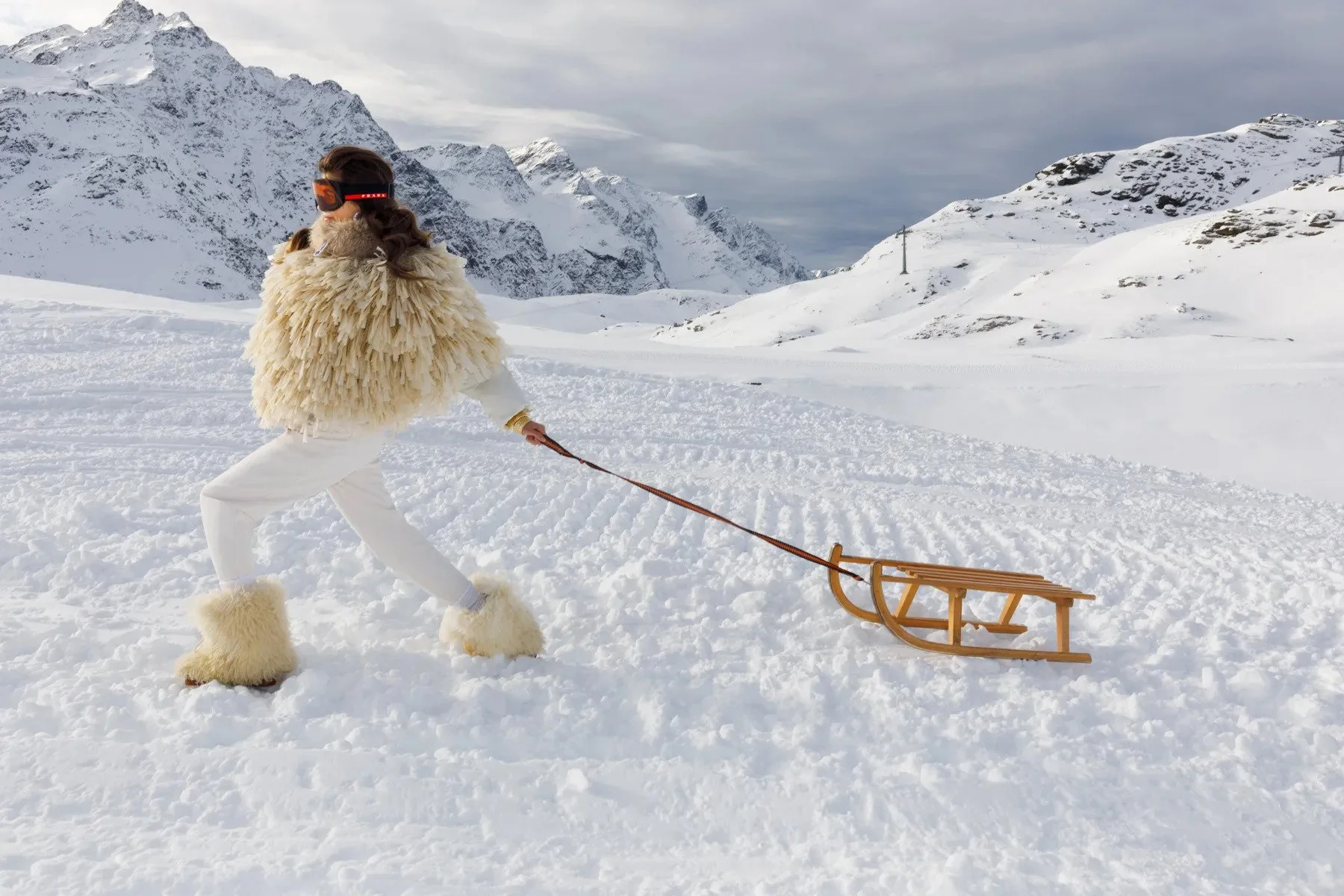
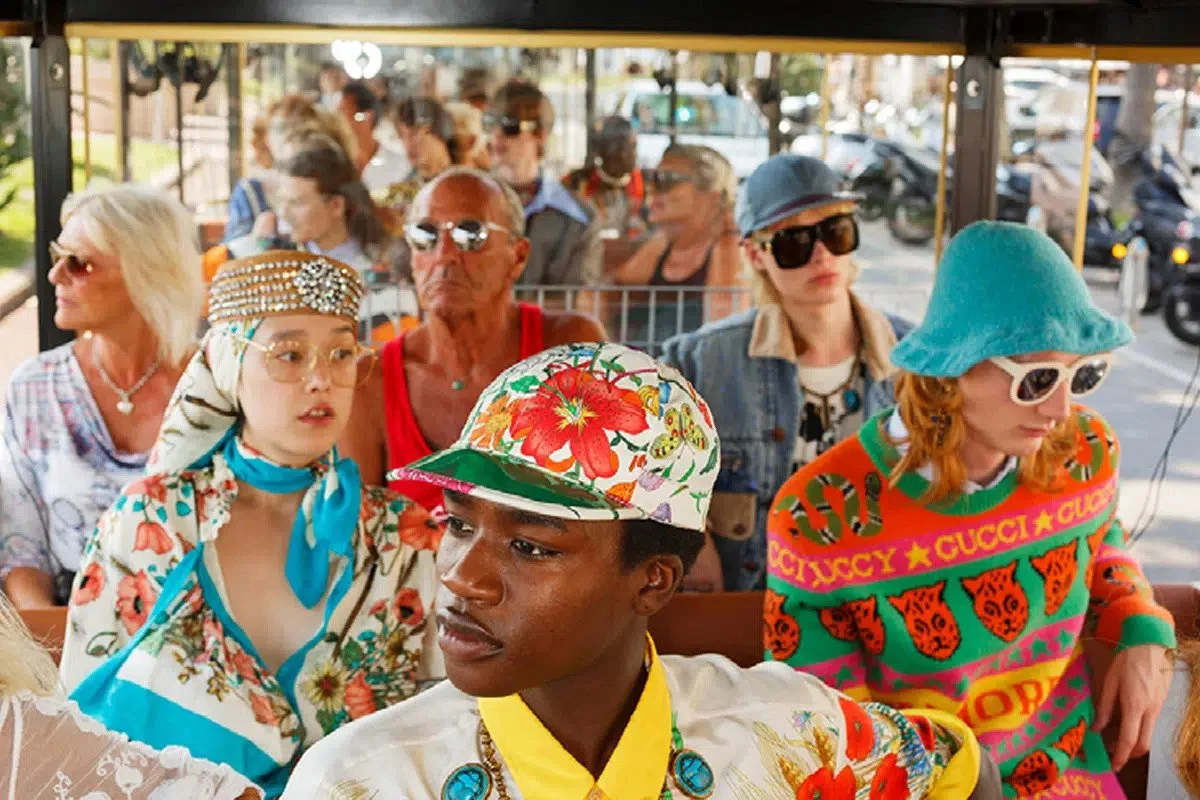
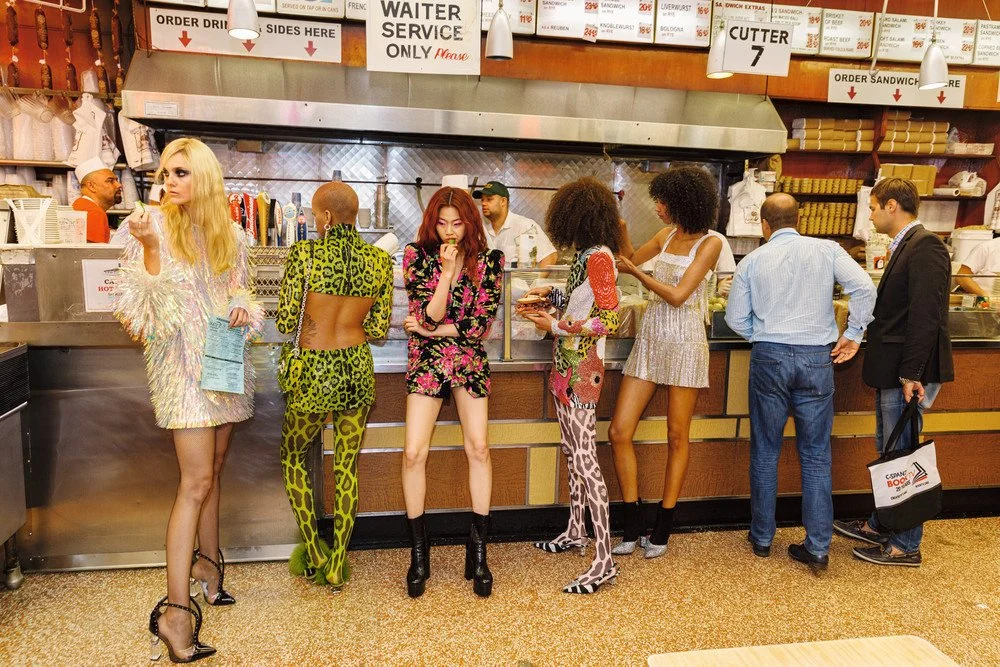
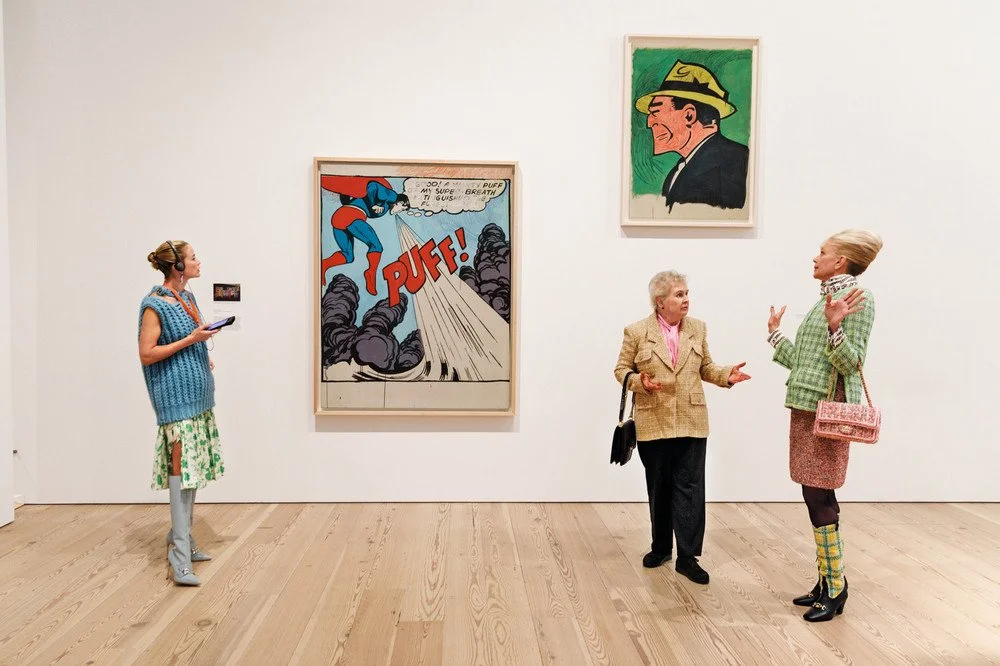

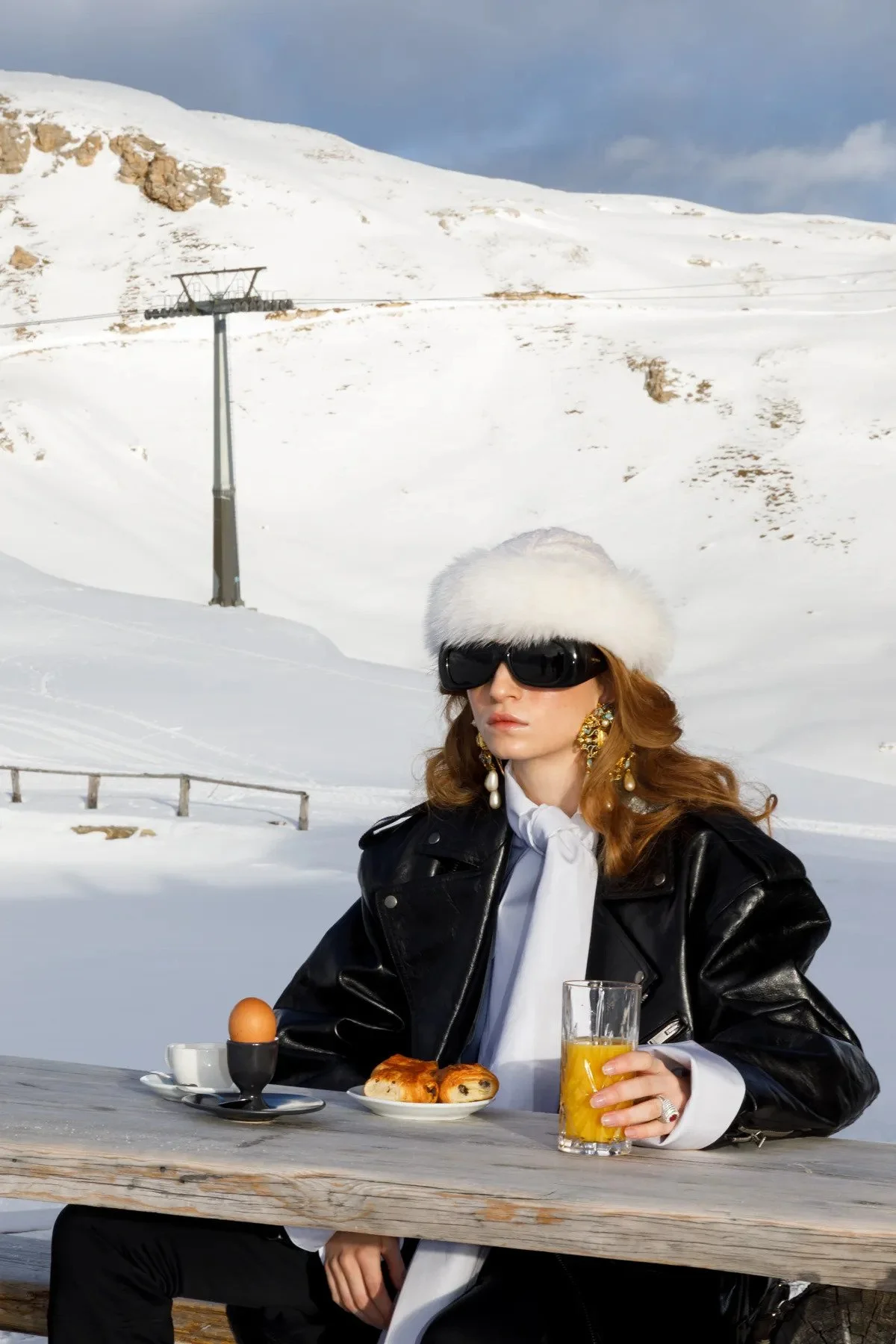
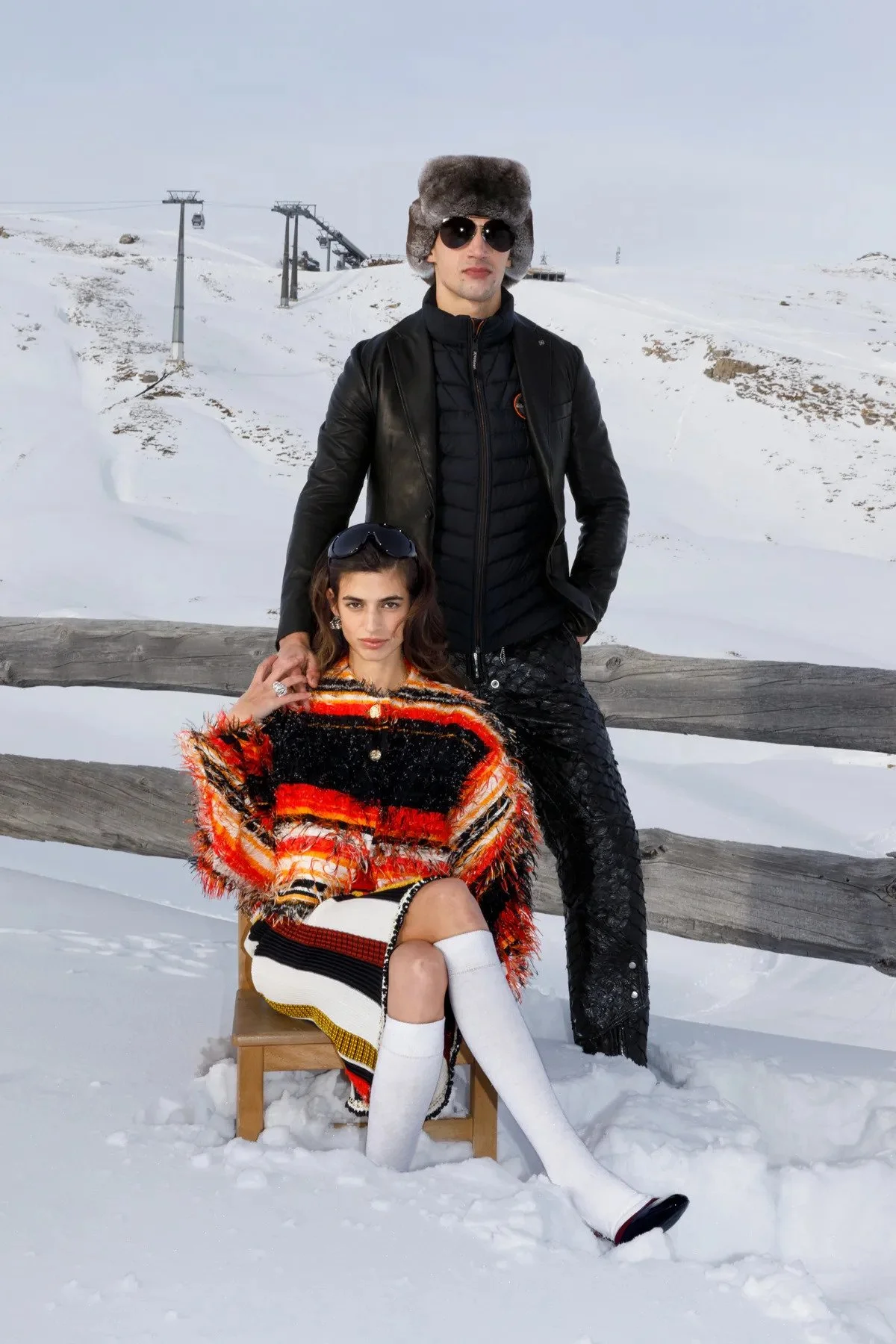
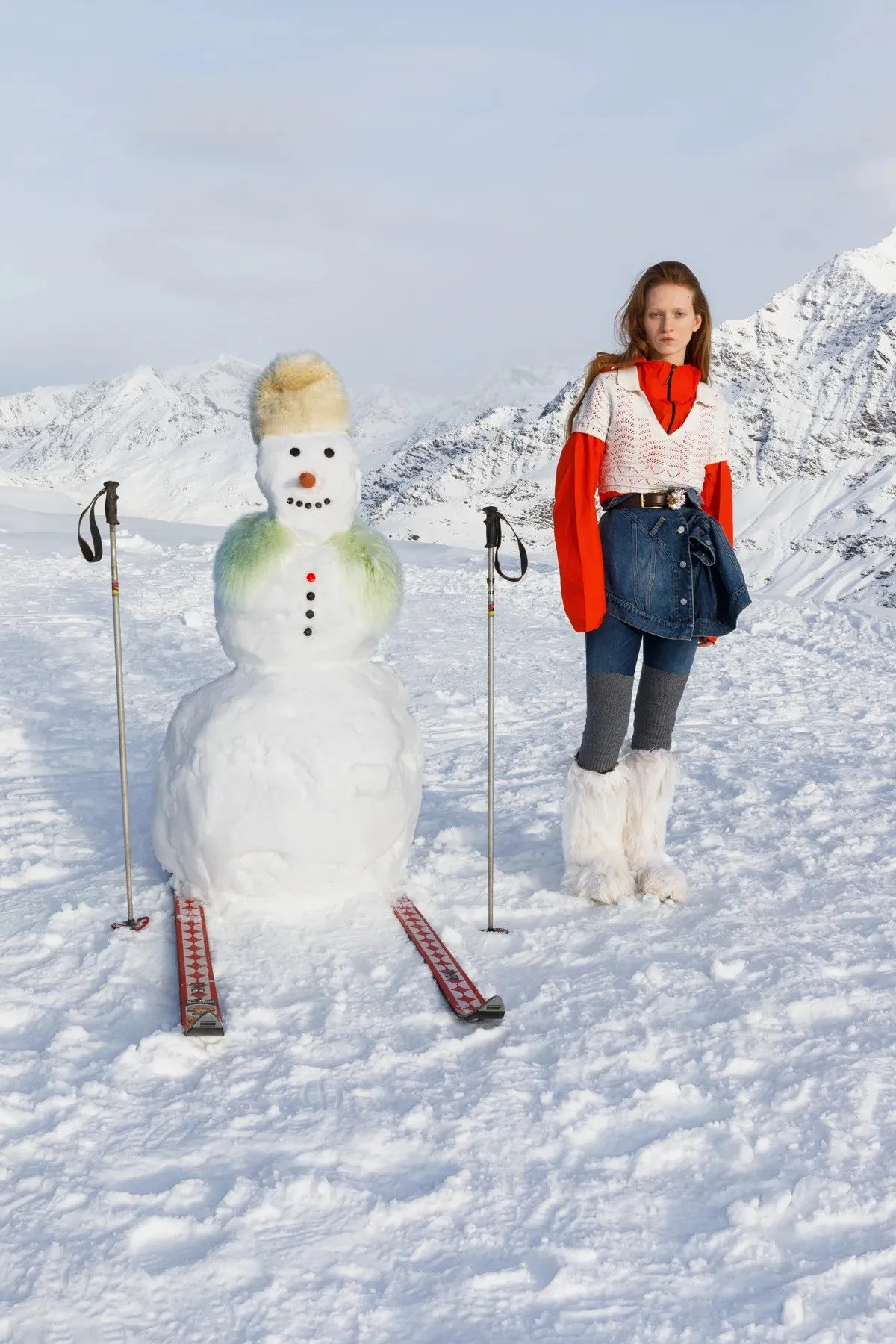
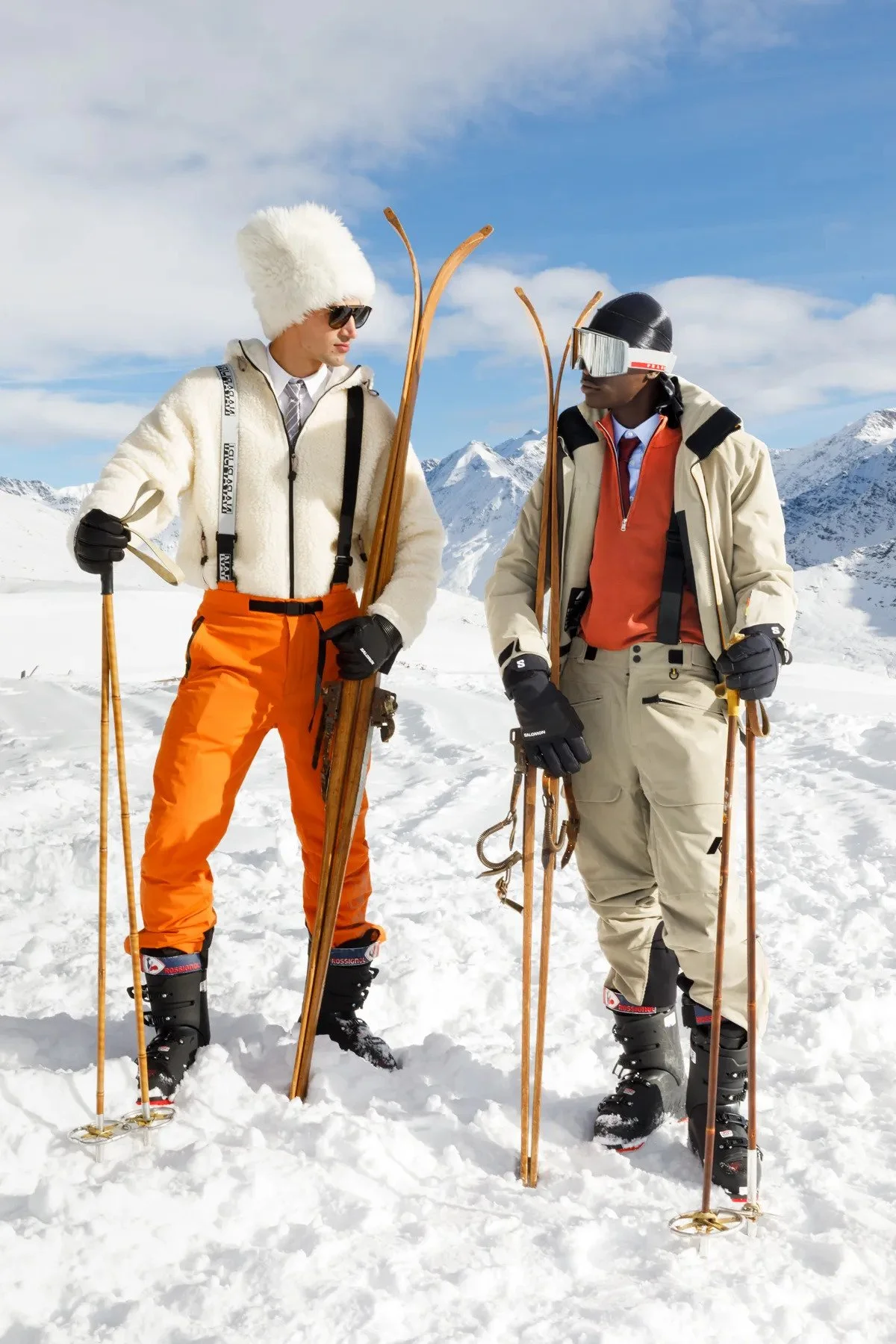
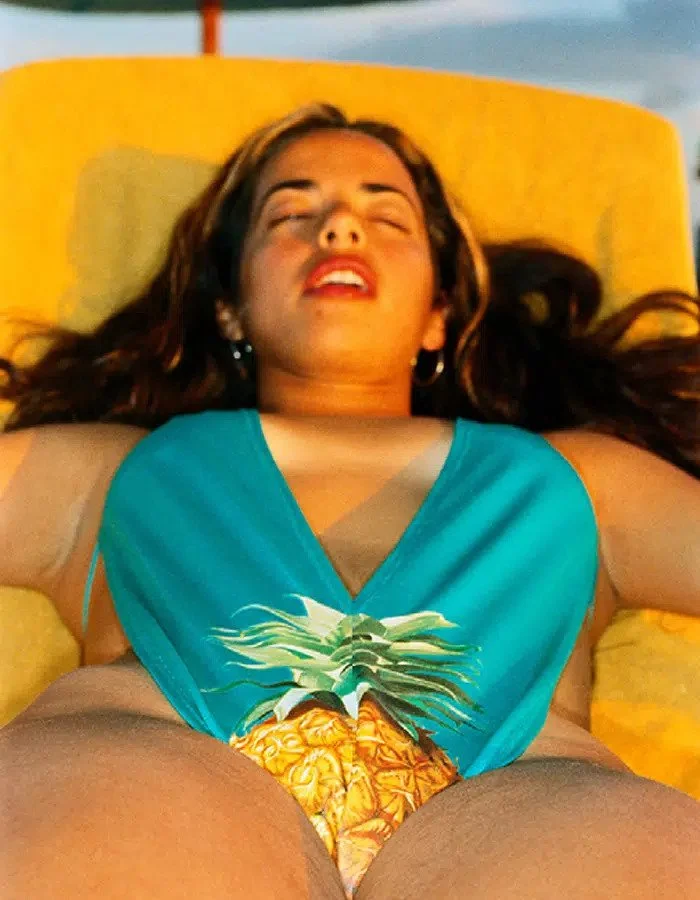
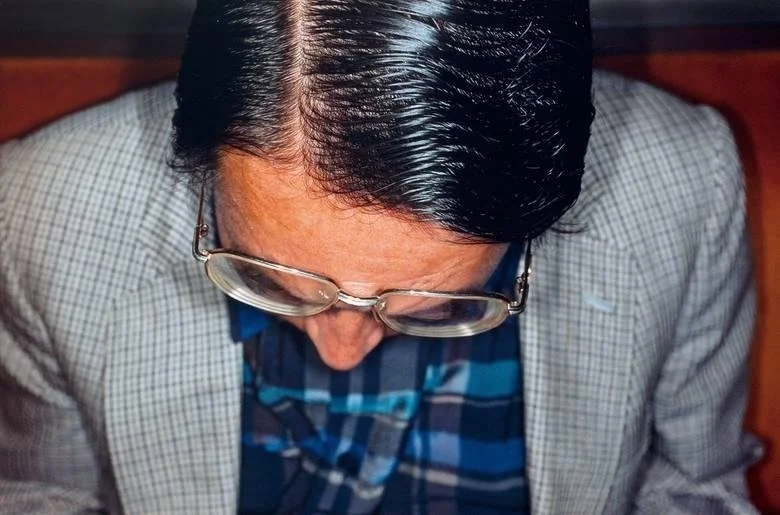
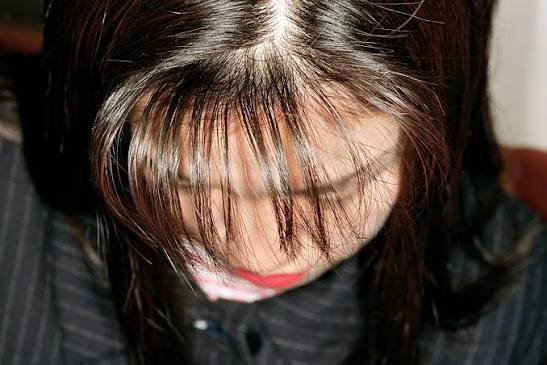
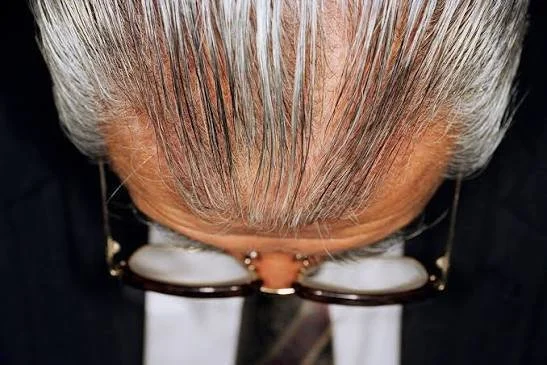
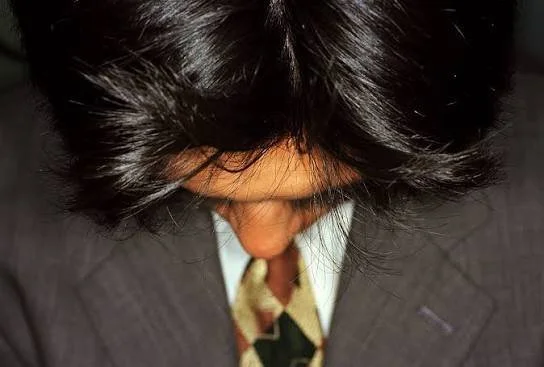
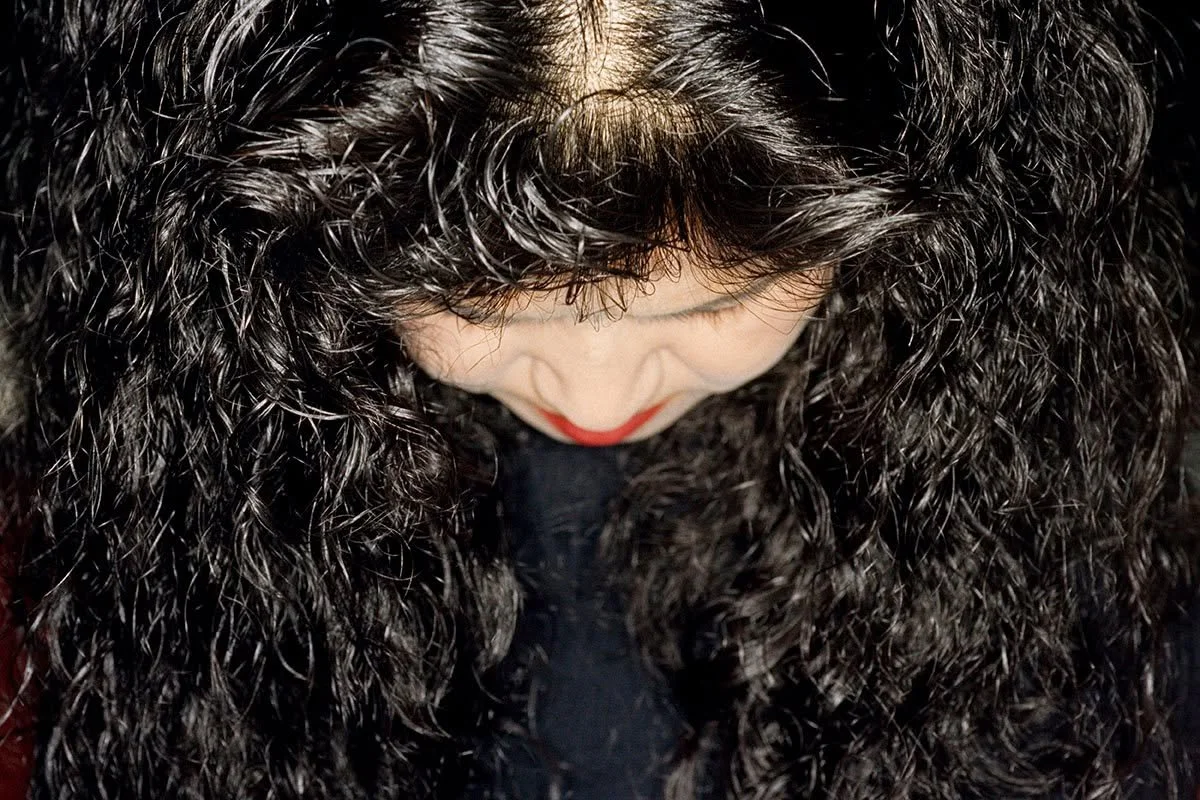
Another example of his ability to reinvent his language depending on the project, without repeating himself, is the series on the exhaustion of Japanese Commuters encountered on the subway: a stylistic choice made to measure for that specific project and kept consistent throughout its duration.





Magnum and the Community's Resistance
The criticisms already mentioned are only some of the difficulties Martin Parr had to face during his career. Another important obstacle was the Magnum collective: even Henri Cartier-Bresson, co-founder of the agency, considered Parr to belong to "a different solar system," and some members of the group didn't want him to join them.
Parr took part in several meetings where he was rejected, and when he finally got in, he did so barely with the votes needed. According to those who opposed him, the photographer was too cynical and too far from the traditional humanism that defines the collective. Martin joined anyway, with foresight, because it guaranteed strong distribution for his work.
Later years
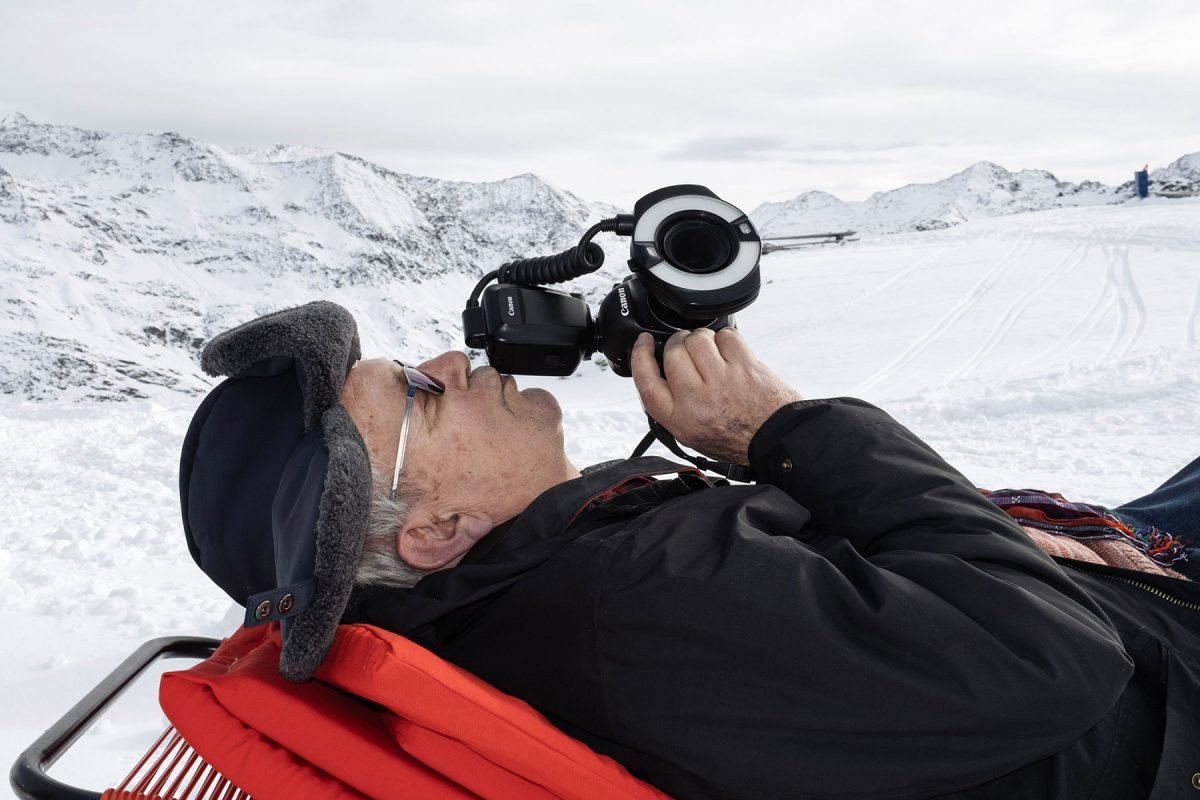
In 2024 the documentary I Am Martin Parr was released, produced in France, retracing past and present behind-the-scenes moments of the author, his personality, his way of working, and the reputation he enjoys today not only at home but also abroad. The documentary is what inspired the first draft of this article, and watching it is thoroughly recommended for any photographer still in training. I don't say this only because I happily noticed that Parr also used Canon, or because I stole tips from him for my first flash unit; it was genuinely interesting to see behind the scenes of a photographer with as many facets as him.
Global Warning, the exhibition planned before the photographer's passing and held from January 30 to May 24, 2026, summed up his gaze pretty good: fifty years spent portraying a thousand shades of human appetites and their contradictions, sometimes with a fully frontal approach. His humour was entirely British, sharp enough to become irritating. Even the shots that today seem to belong to another technological era still manage to make people smile, while at the same time raising the question of what's wrong with people, prompting reflection on a consumerism that becomes almost competitive, poking fun at the way we live and perceive food from the counter and at the "mass-produced" nature of goods.
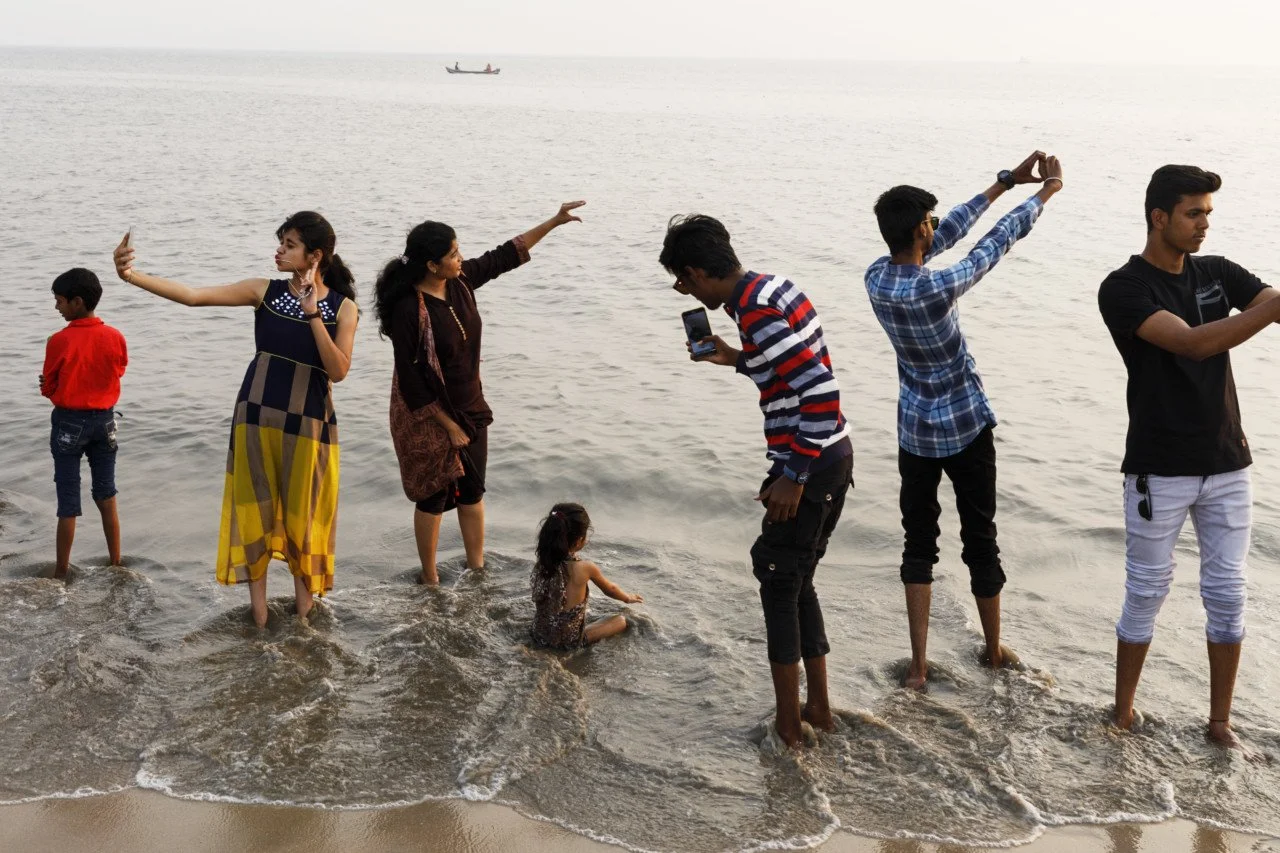
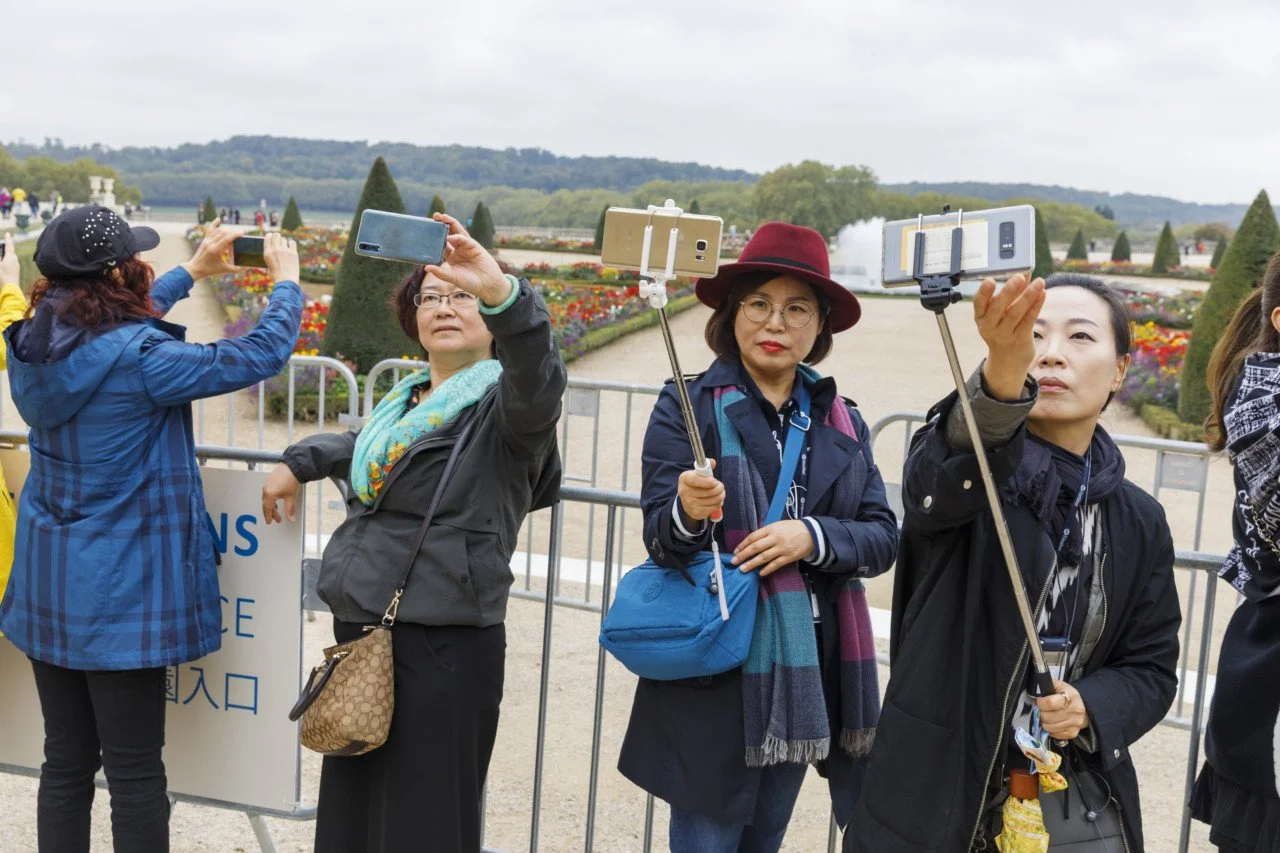
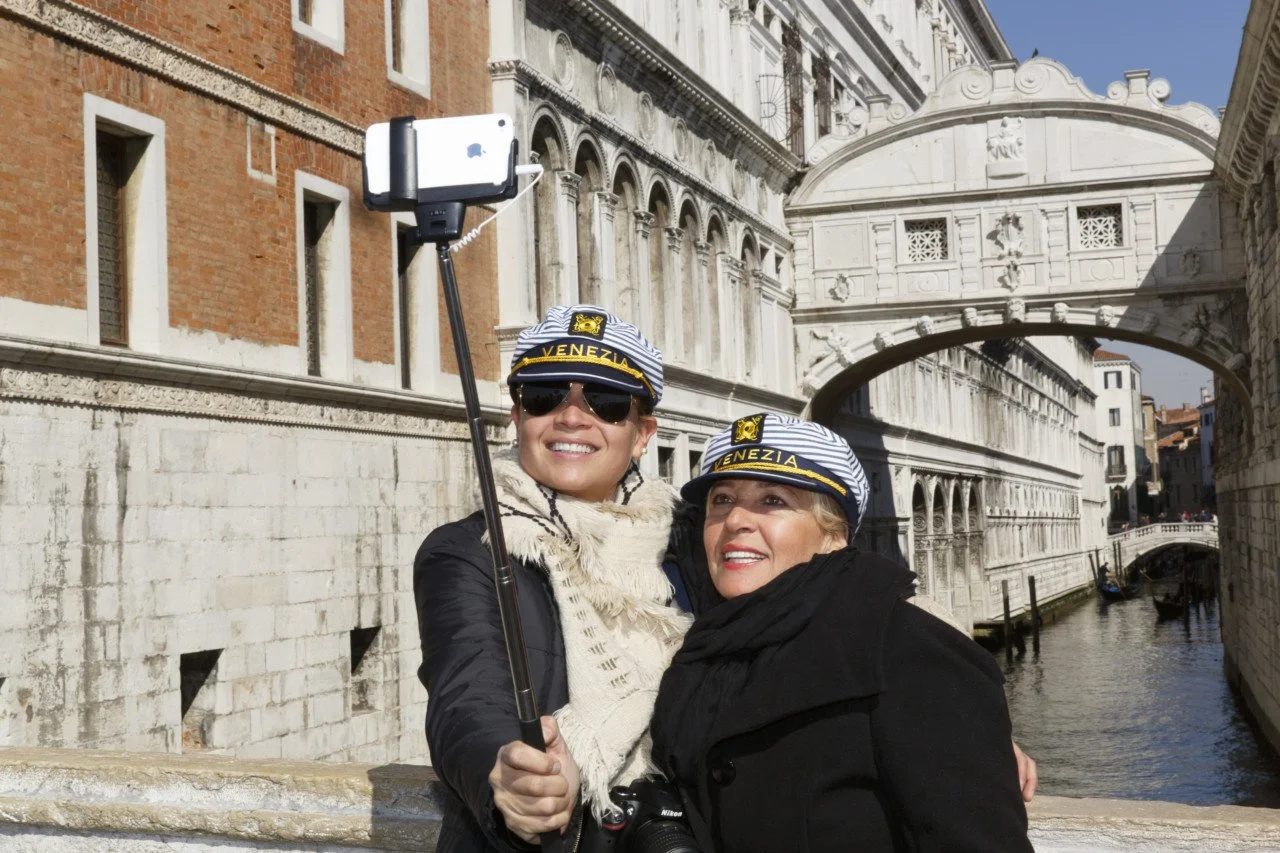

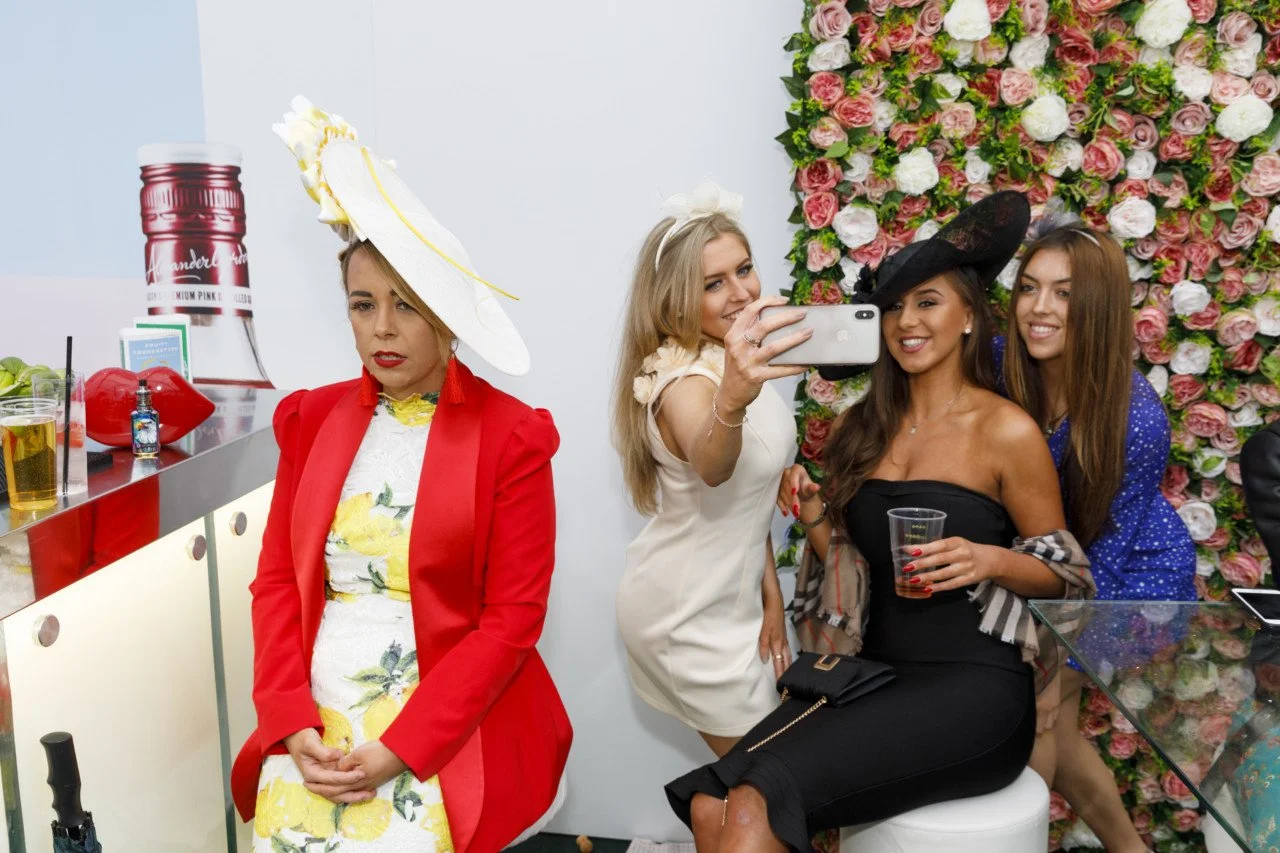
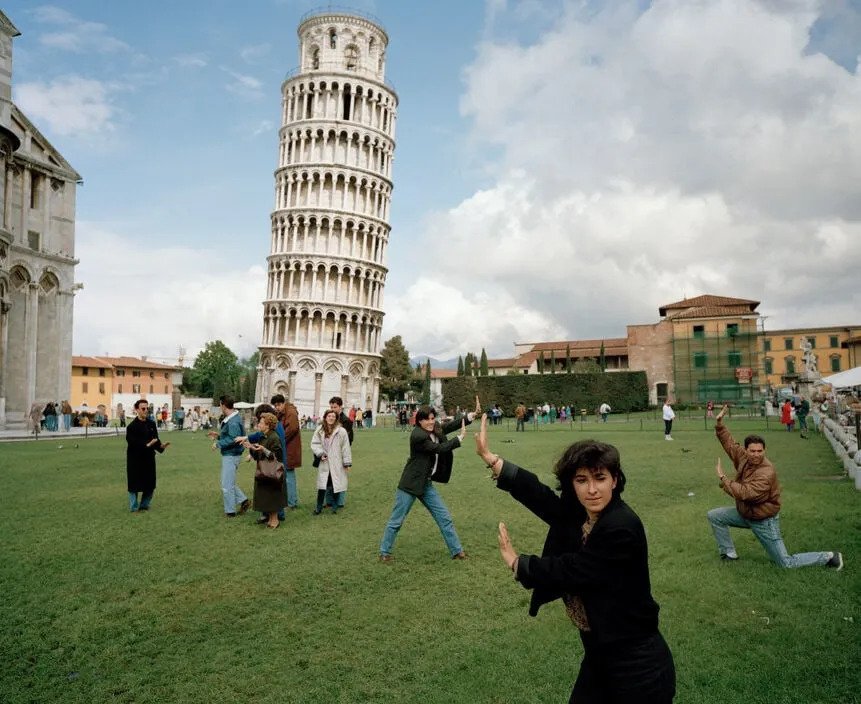
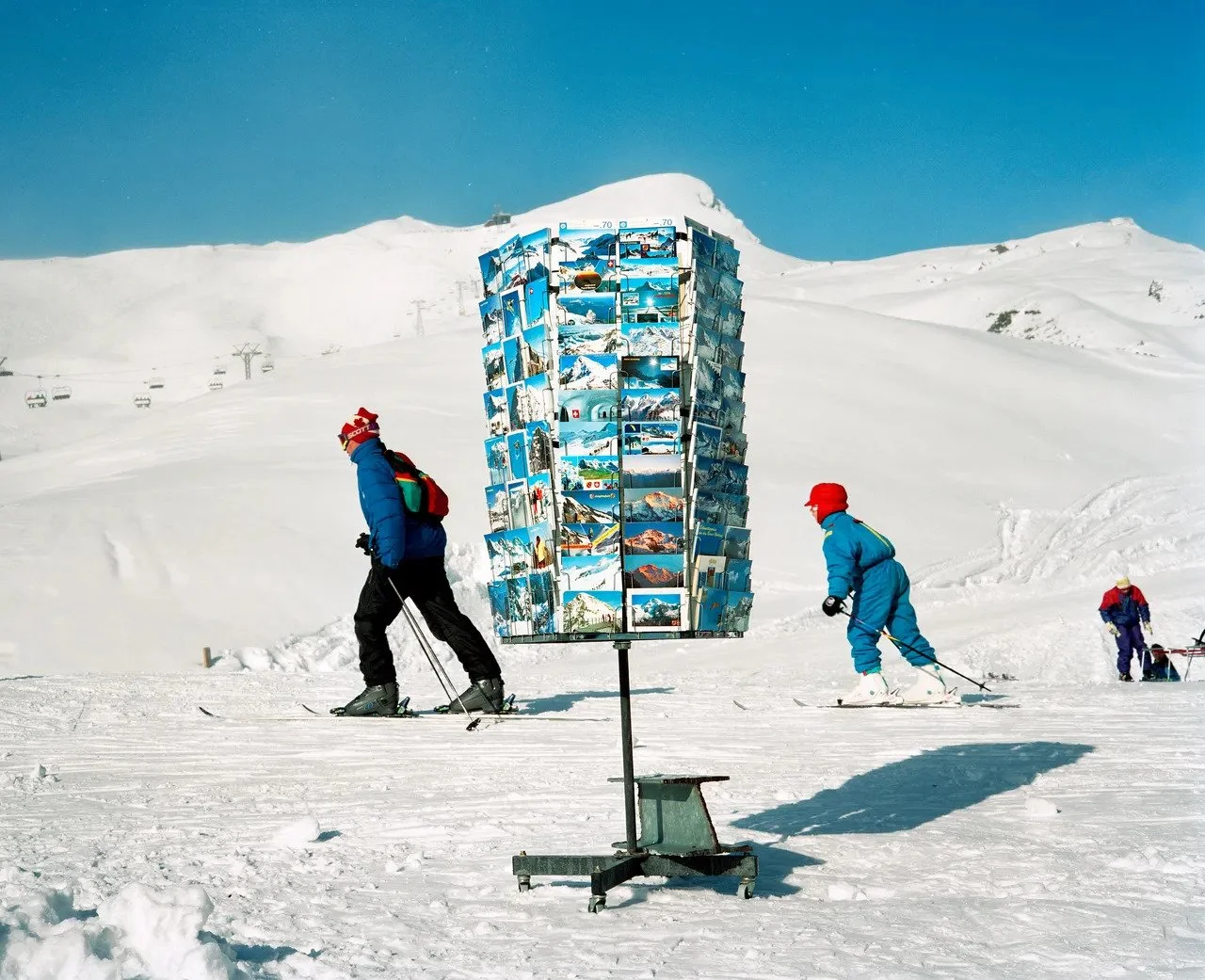
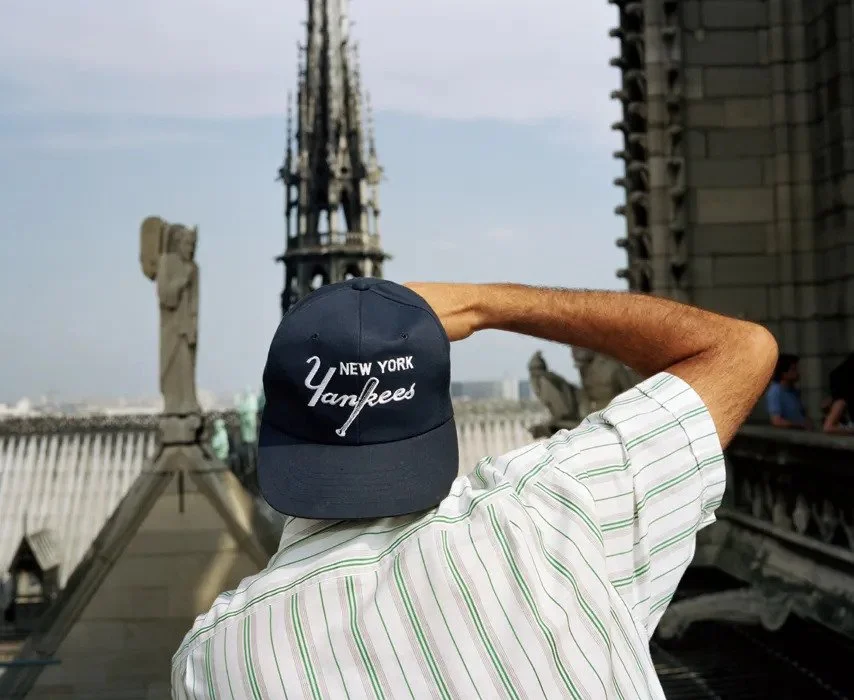
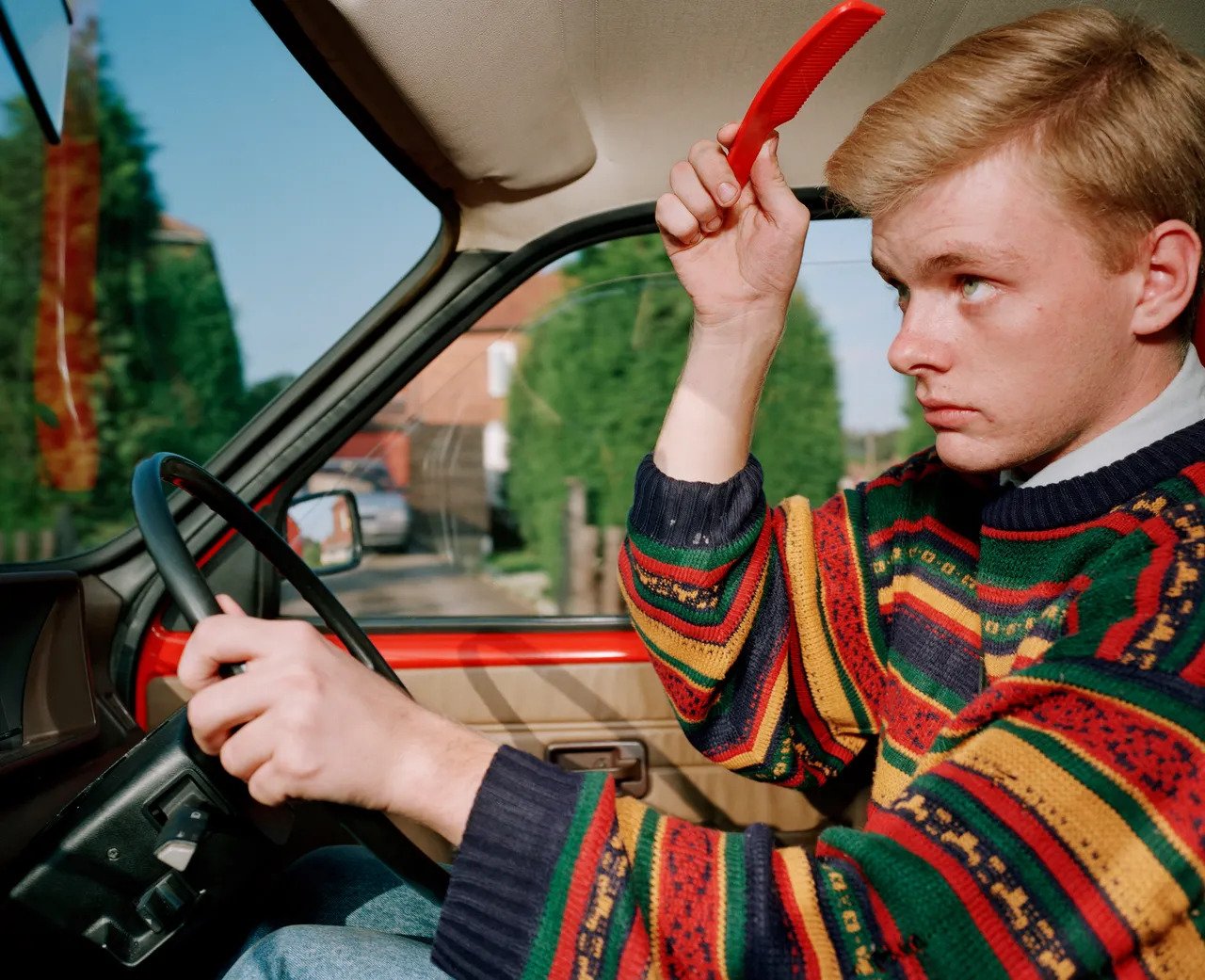
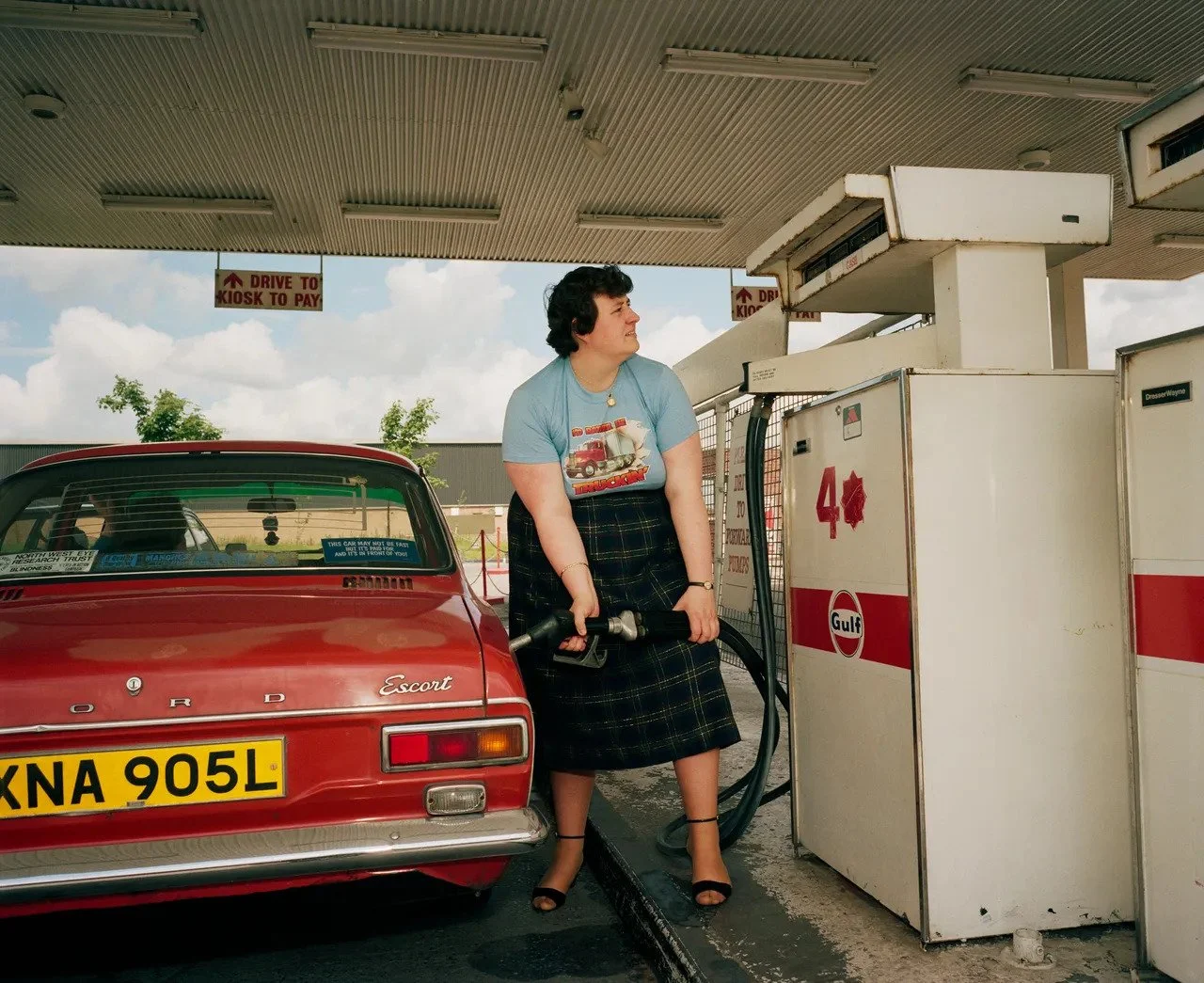
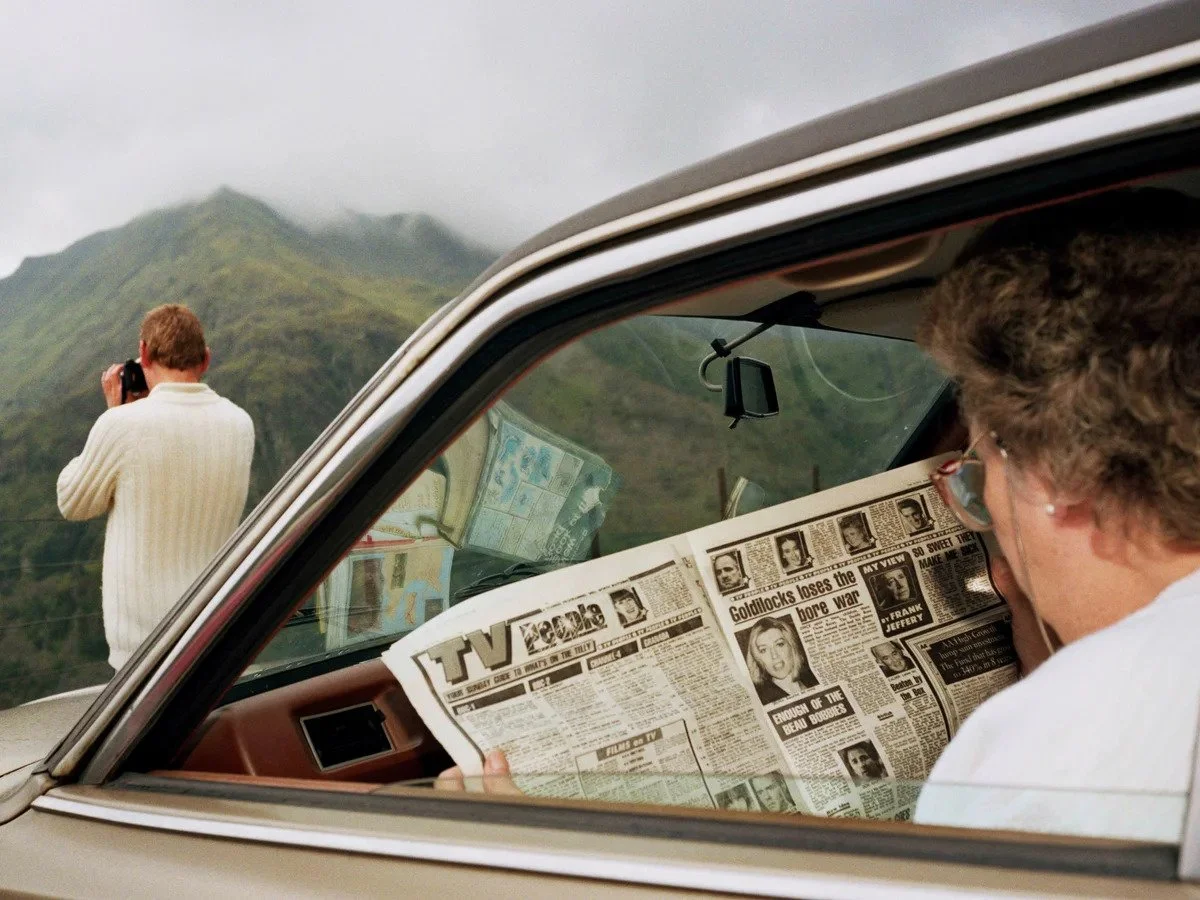
Despite his reputation for frivolity, Parr remains a social photographer in a way that pays attention to the realm of mass tourism and trash culture that, before him, others didn't deign to portray.
Not even the artists closest to him, friends or close acquaintances, can explain how he managed to produce so much and leave behind such a superhuman body of work; and yet, Martin showed us that it's possible.
Martin Parr: A Brief Overview
-
Martin Parr is a British documentary photographer and a member of Magnum Photos since 1994, known for his ironic and critical approach to contemporary society. Through his use of saturated colours, direct flash, and close-up compositions, Parr has explored consumer culture, mass tourism, and the everyday habits of Western society.
-
Martin Parr transformed documentary photography by showing that ordinary situations — such as holidays, shopping, beaches, and leisure activities — can reveal deeper aspects of society and culture. His work expanded the boundaries of documentary photography, shifting the focus from extraordinary events to the rituals and contradictions of everyday life.
-
Martin Parr’s photographic style is characterised by vibrant colours, strong contrasts, direct flash, and a close observation of human behaviour. By exaggerating details and focusing on ordinary moments, he creates images that are often humorous, uncomfortable, and socially revealing.
-
Rather than simply criticising consumer society, Martin Parr observes it with irony and ambiguity. His photographs reveal the excesses, habits, and contradictions of contemporary life, encouraging viewers to question their own relationship with consumption, tourism, and social behaviour.
-
Among Martin Parr’s most influential books are The Last Resort (1986), which explored British seaside tourism and working-class leisure culture; Small World (1995), which examined the phenomenon of global tourism; and Common Sense (1999), a visual investigation into consumer habits, objects, and everyday life.
-
Yes. Martin Parr joined Magnum Photos in 1994. His admission generated debate within the agency because his colourful, ironic, and unconventional approach challenged the traditions of classic photojournalism associated with many of Magnum’s historical photographers.
-
Martin Parr was influenced by photographers such as Tony Ray-Jones, whose work encouraged him to observe British society with humour and irony, as well as colour photography pioneers like William Eggleston and Stephen Shore. However, Parr developed a highly distinctive visual language that has become one of the most recognisable in contemporary photography.
-
Martin Parr has shown that meaningful photographs can be found in ordinary moments. His work demonstrates that everyday life, when observed with curiosity and a critical eye, can become a powerful way to understand society, culture, and human behaviour.
-
Martin Parr teaches photographers the importance of observation and curiosity. His work shows that powerful images do not necessarily come from extraordinary situations, but from the ability to recognise meaning in everyday scenes. For many photographers, his approach is an invitation to develop a more personal, critical, and attentive way of looking at the world.