Alfred Kubin and the Aesthetics of Evil: an exhibition at the Albertina Modern in Vienna
In September 2024, I was captivated by a poster for the Albertina Modern in Vienna advertising an exhibition on Alfred Kubin. It depicted a scene that was grotesque, dreamlike and surreal all at once: a headless man seen from behind, and an enormous severed head staring at his body. Drawn in by the title of the exhibition, "The Aesthetics of Evil" (and armed with one of those free culture-passes that never hurts to have), I wanted to know more.
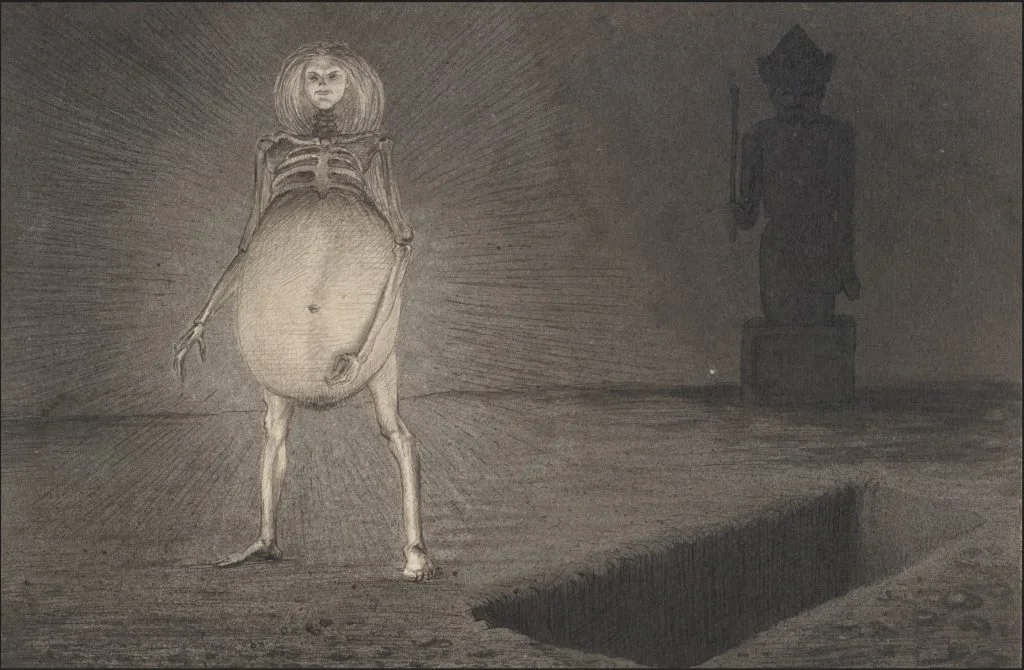
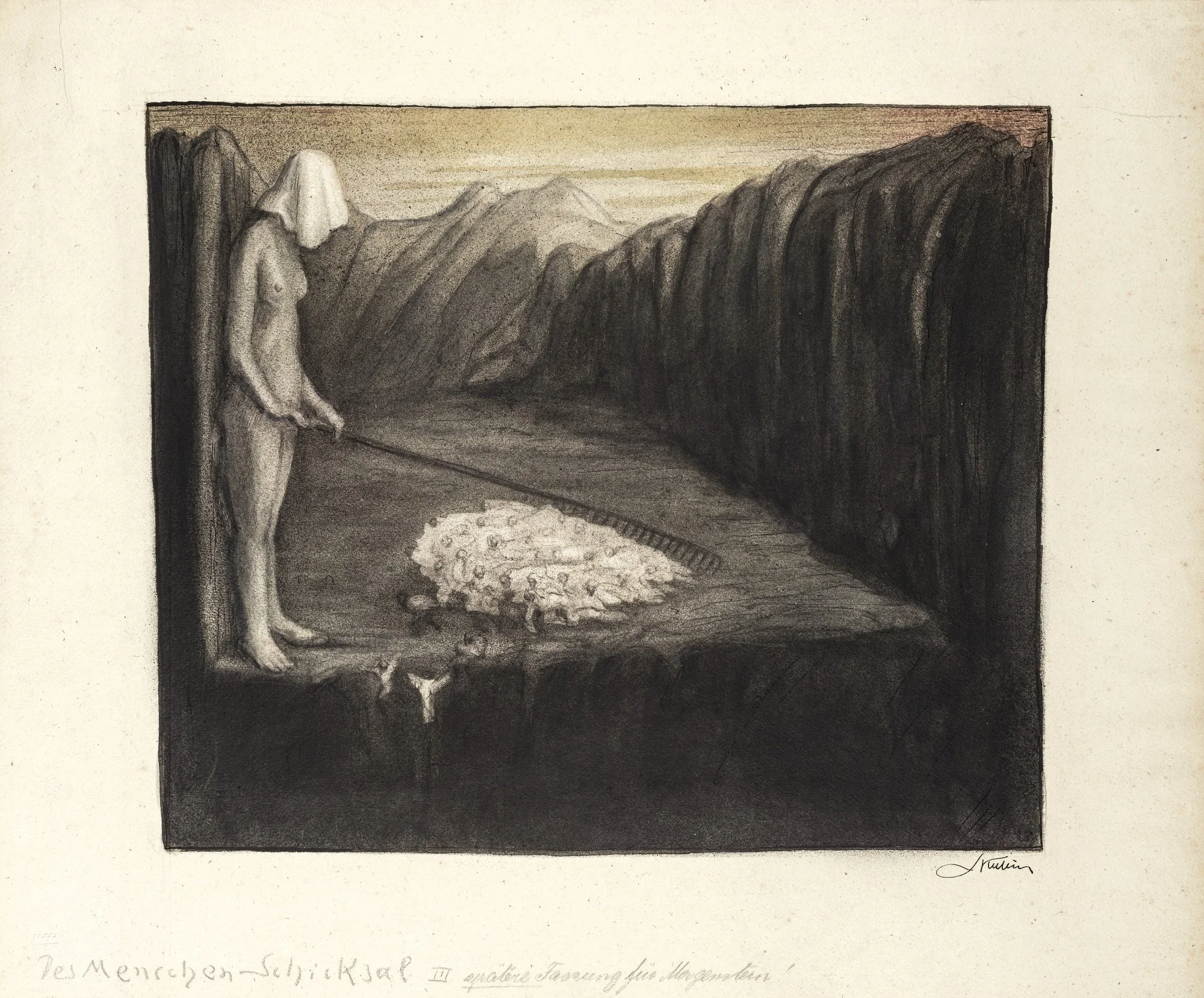
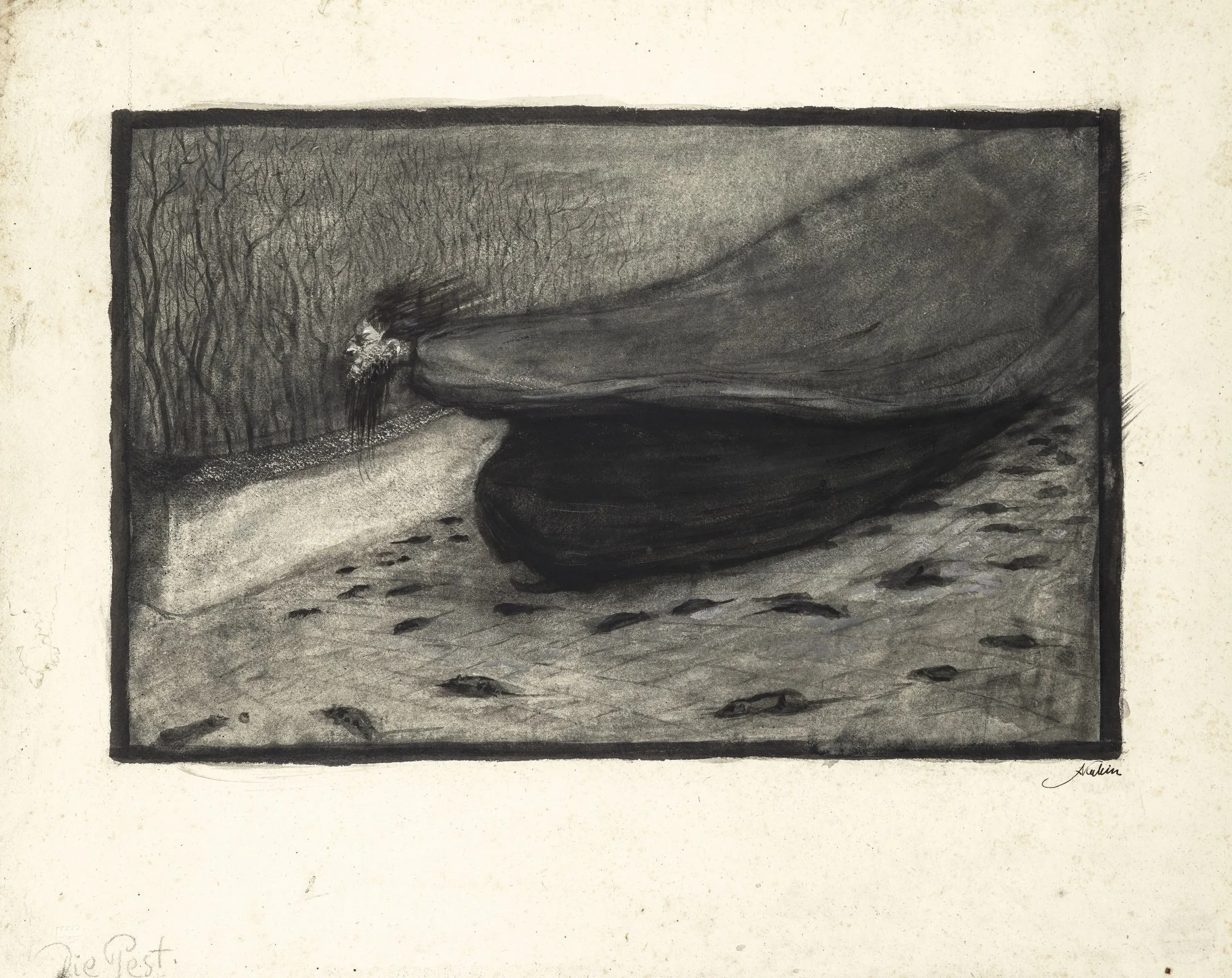
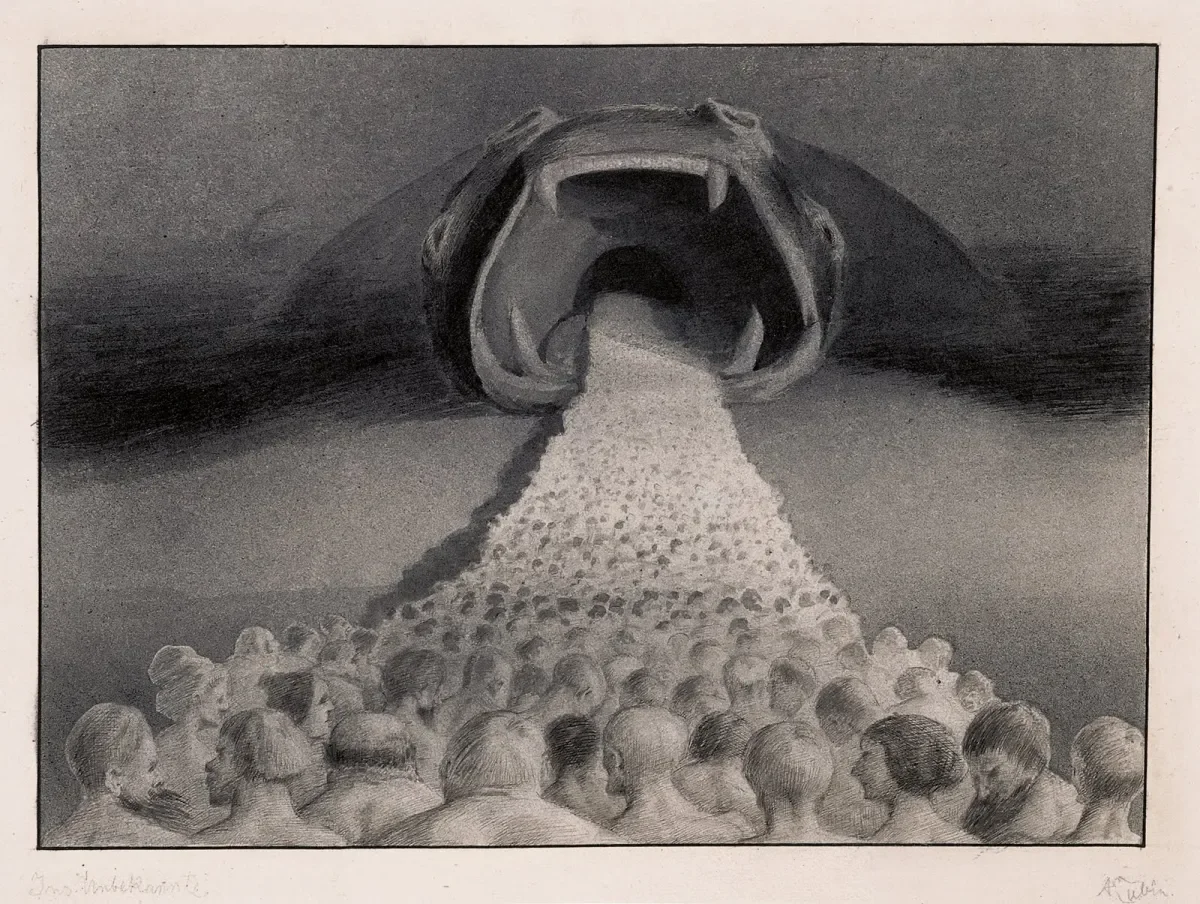
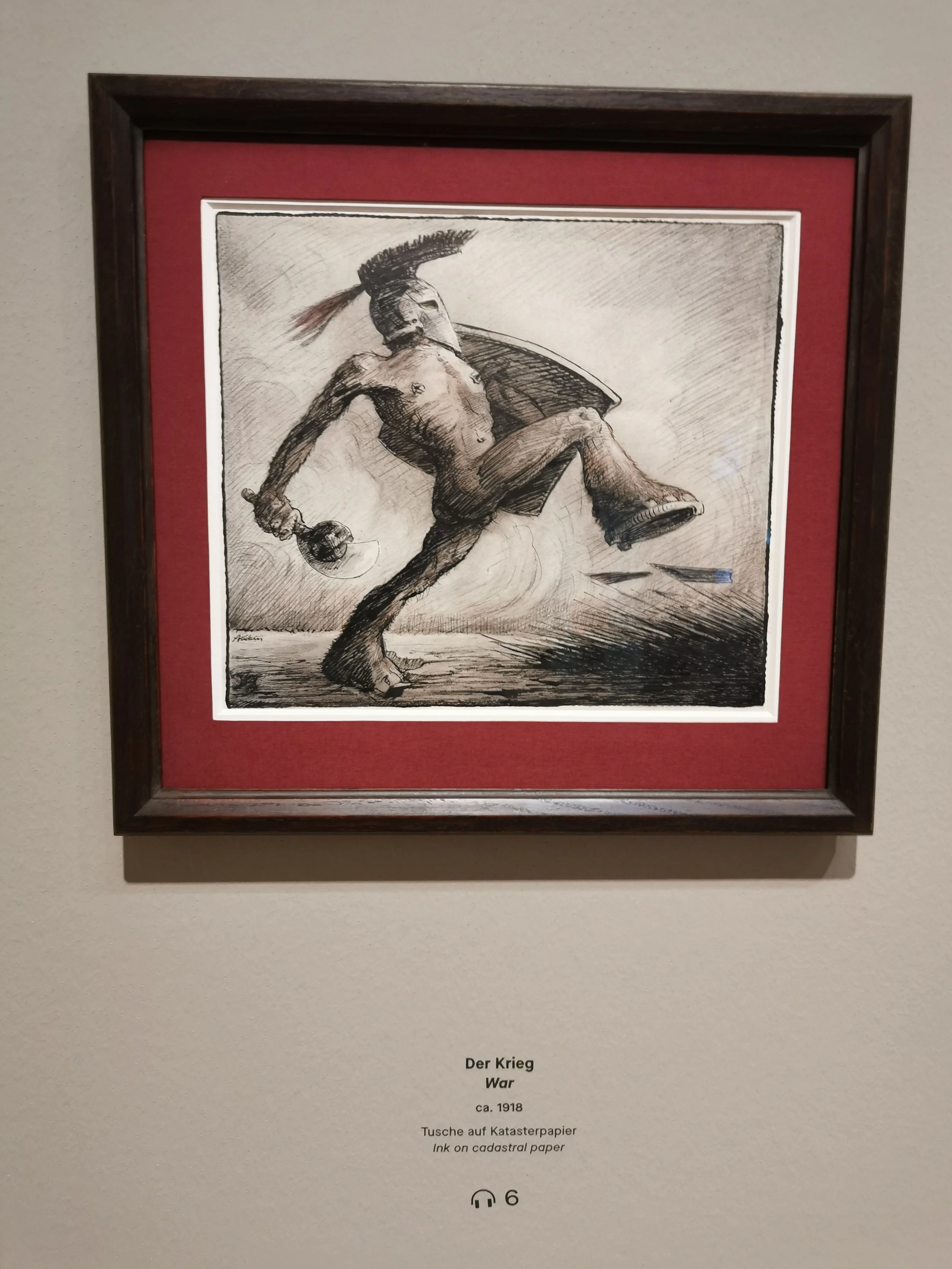
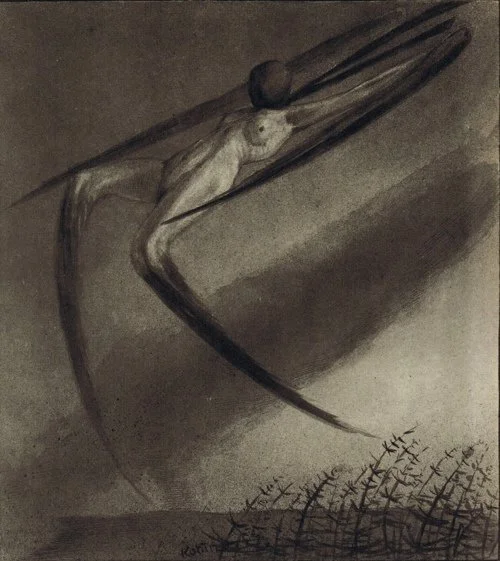
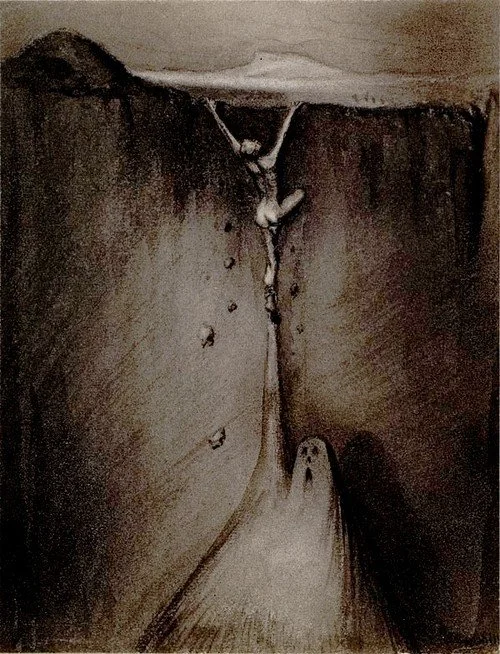
The exhibition presented around a hundred works by the Austrian artist, created between 1899 and 1904, which gather and display the evolution of his visual language and also bear witness to a moment of great transformation for twentieth-century society, with all its social and existential anxieties, later explored in greater depth in the Gothic Modern exhibition, in a survey of the themes that made him one of the most disturbing illustrators of the twentieth century: nightmares, alienation, monstrosity, fear of sexuality, lives condemned from birth.
Kubin's work is strongly shaped by his own personal experiences.
"I do not create for pleasure, but to forget all the disgust I feel for myself and for the world."Pain and cruelty appear in many of Kubin's works, and his life was marked by the constant constraints imposed by his father and by the school system.
The artist confronts humanity with its abysses. Impaled, penetrated, bound and hanged, Kubin shows us the pain that humans are capable of inflicting on one another.
One of the Austrian illustrator's models for visual brutality and scenes of torture is the Spanish artist Francisco de Goya, who went down in history for his series The Disasters of War (1810–1813):
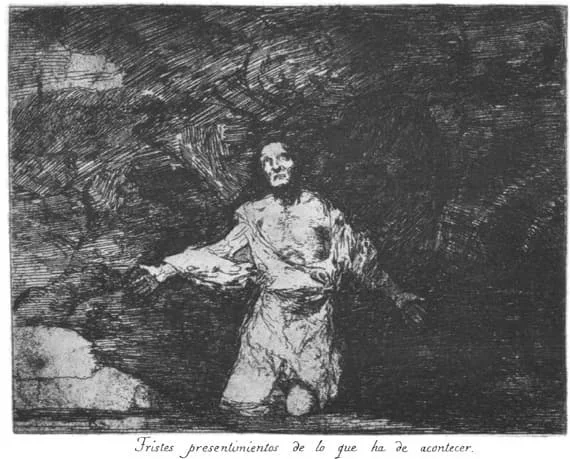
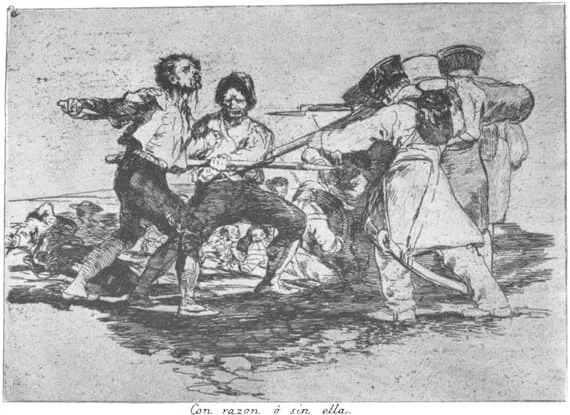
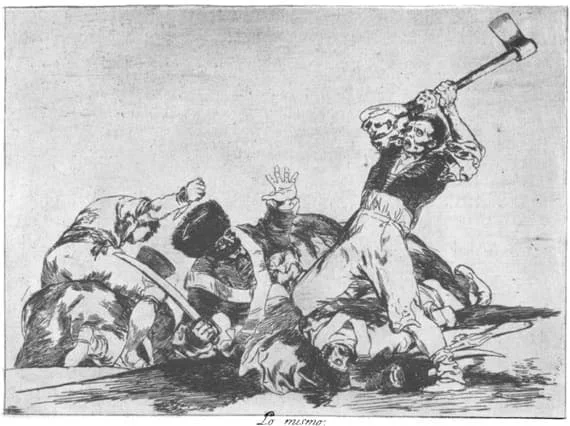
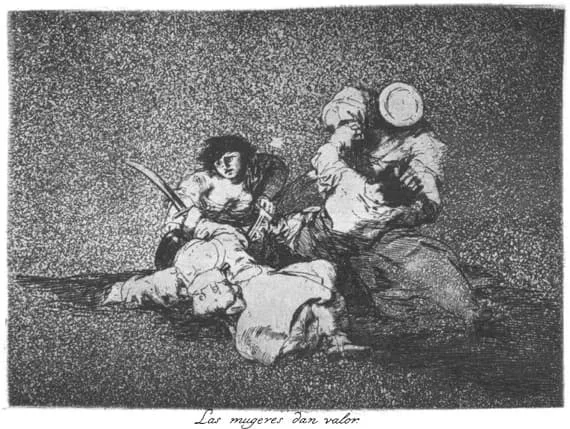
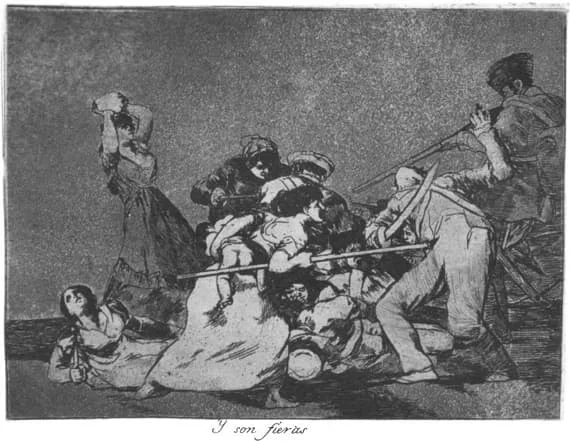
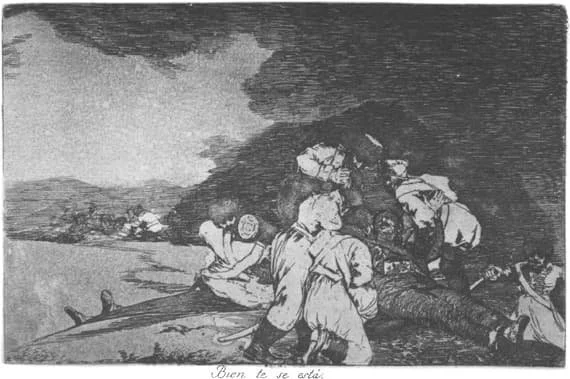
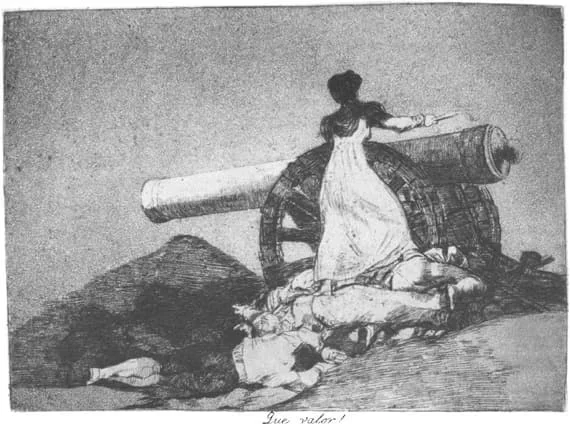
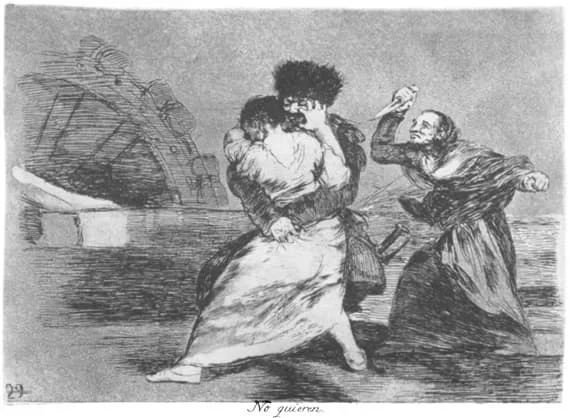
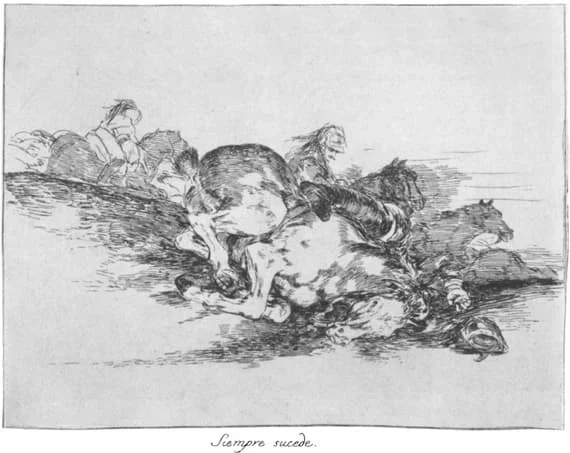
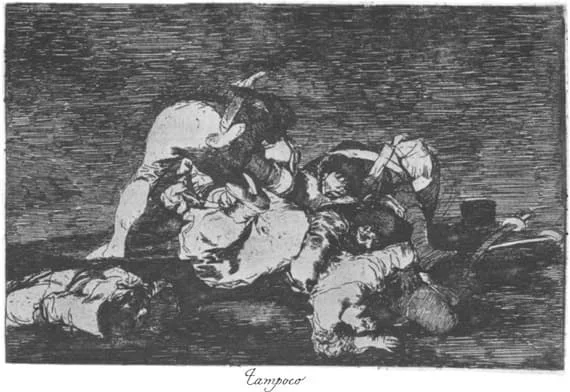
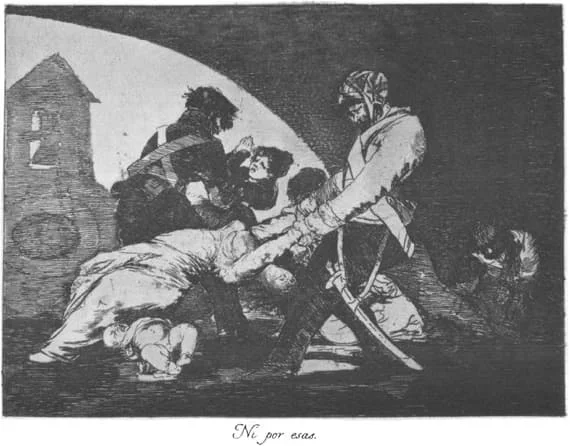
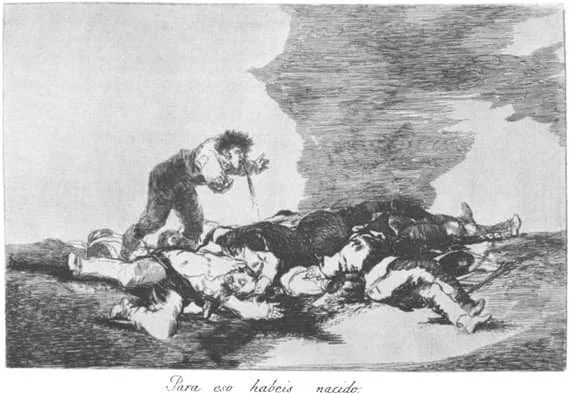
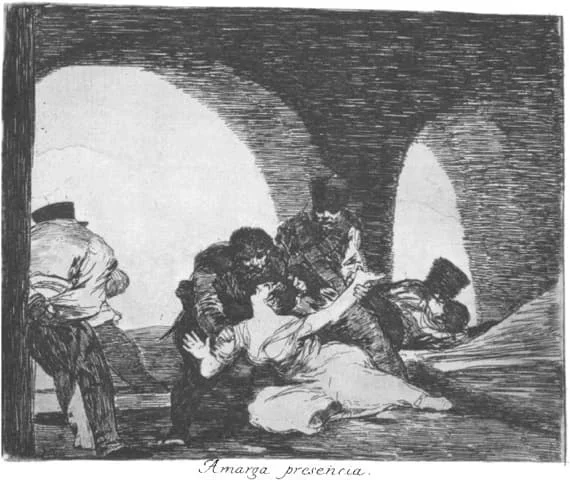
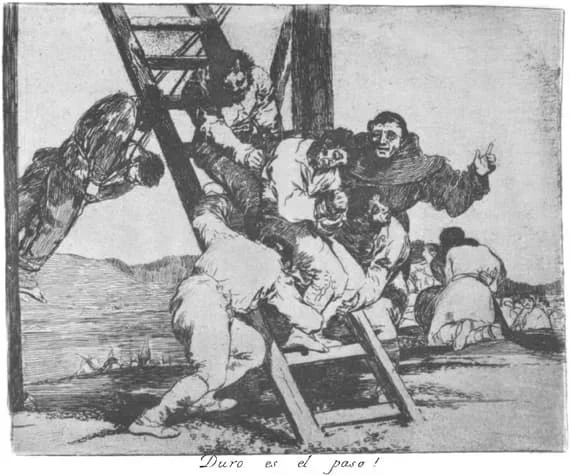
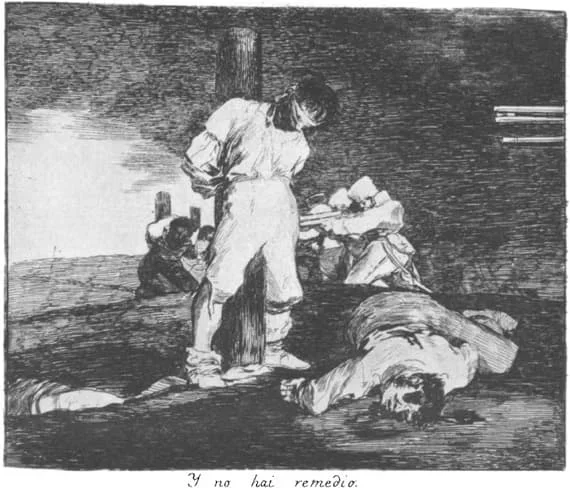
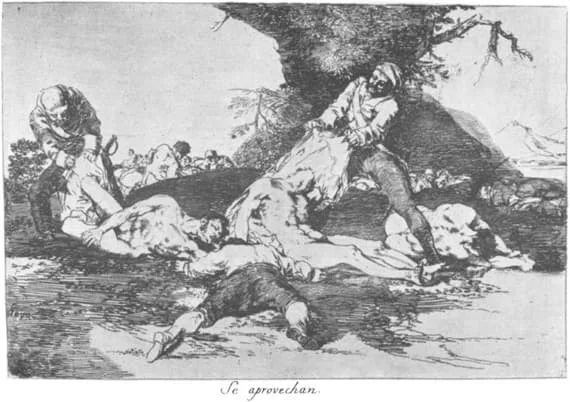
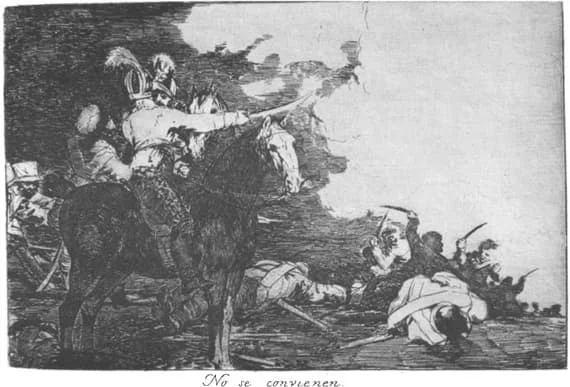
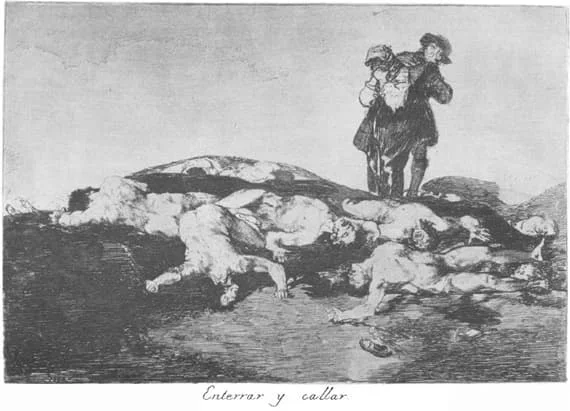
Unlike the Spanish artist, Kubin chooses not to depict the cruelty of soldiers and focuses instead on that committed by men and women in everyday life. Other models for the artist are Pieter Bruegel the Elder (1525–1569):
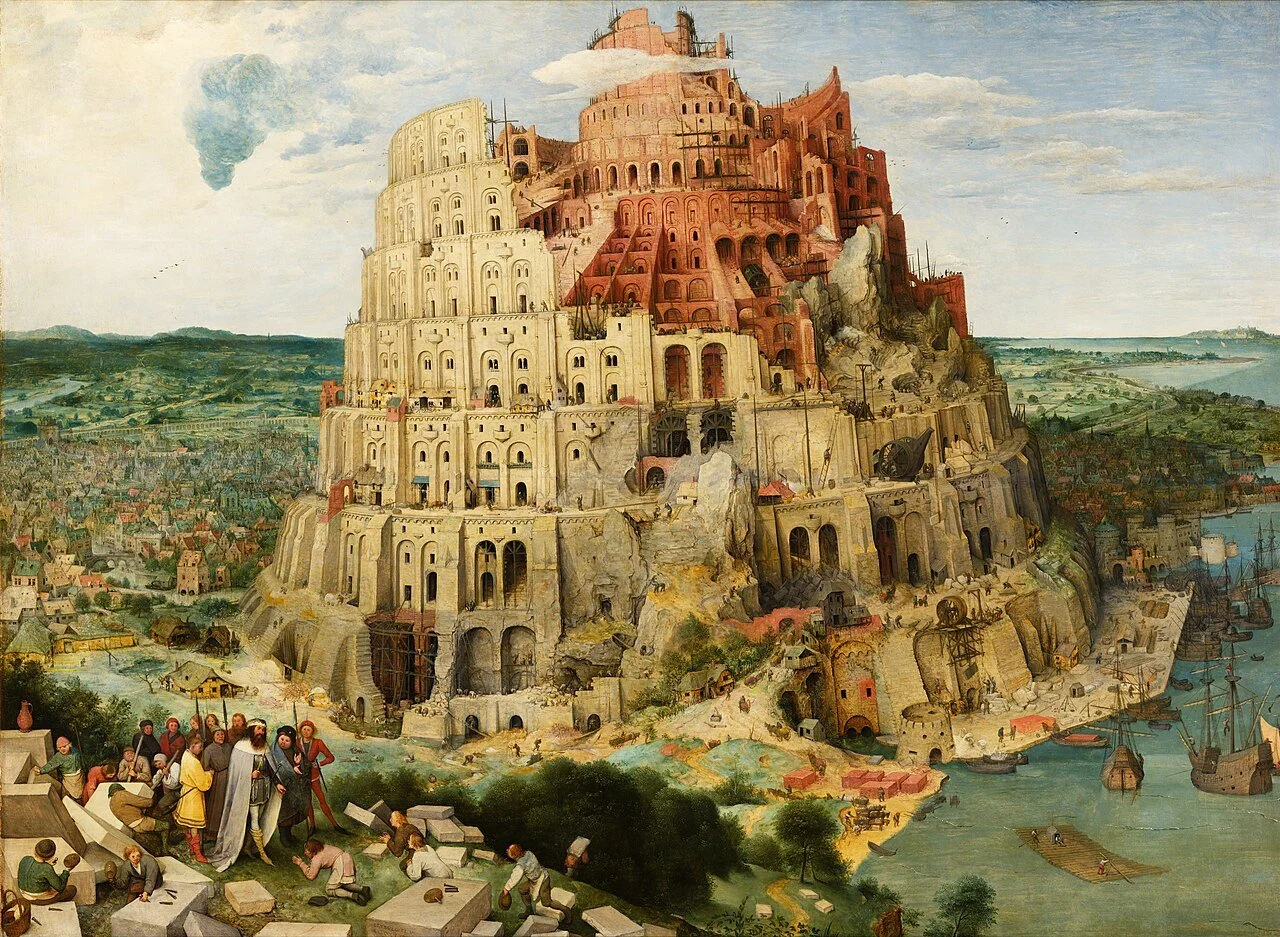

and Hieronymus Bosch (1450–1516), whom the Austrian artist studied during his visit to Vienna, fascinated by his crowded, grotesque and absurd compositions:
Kubin's work often shifts from comic to horror. The grotesque joins the gruesome with the comic in a fascinating contradiction: distorted and exaggerated proportions, strange creatures, fantastic and enigmatic figures.
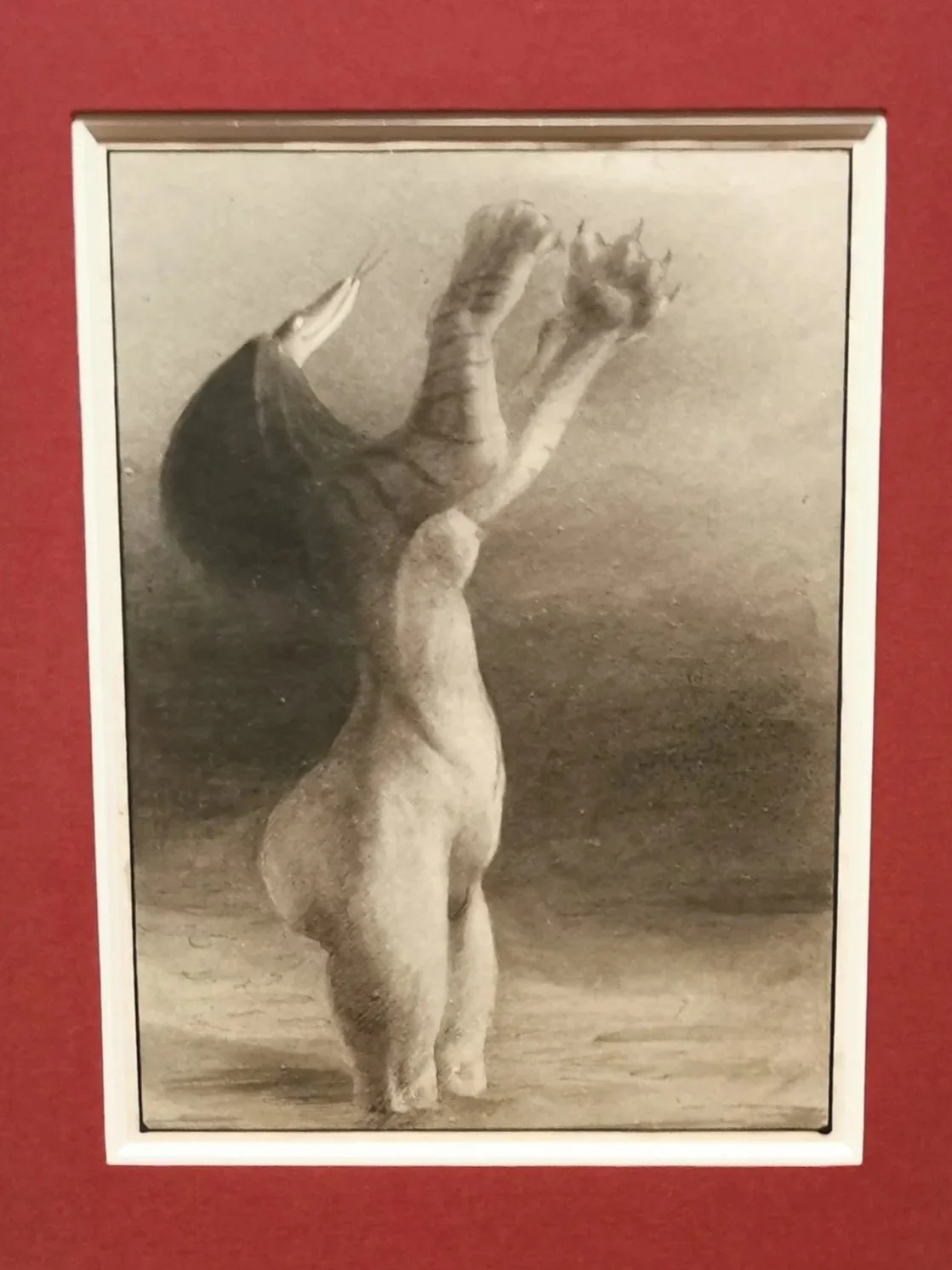
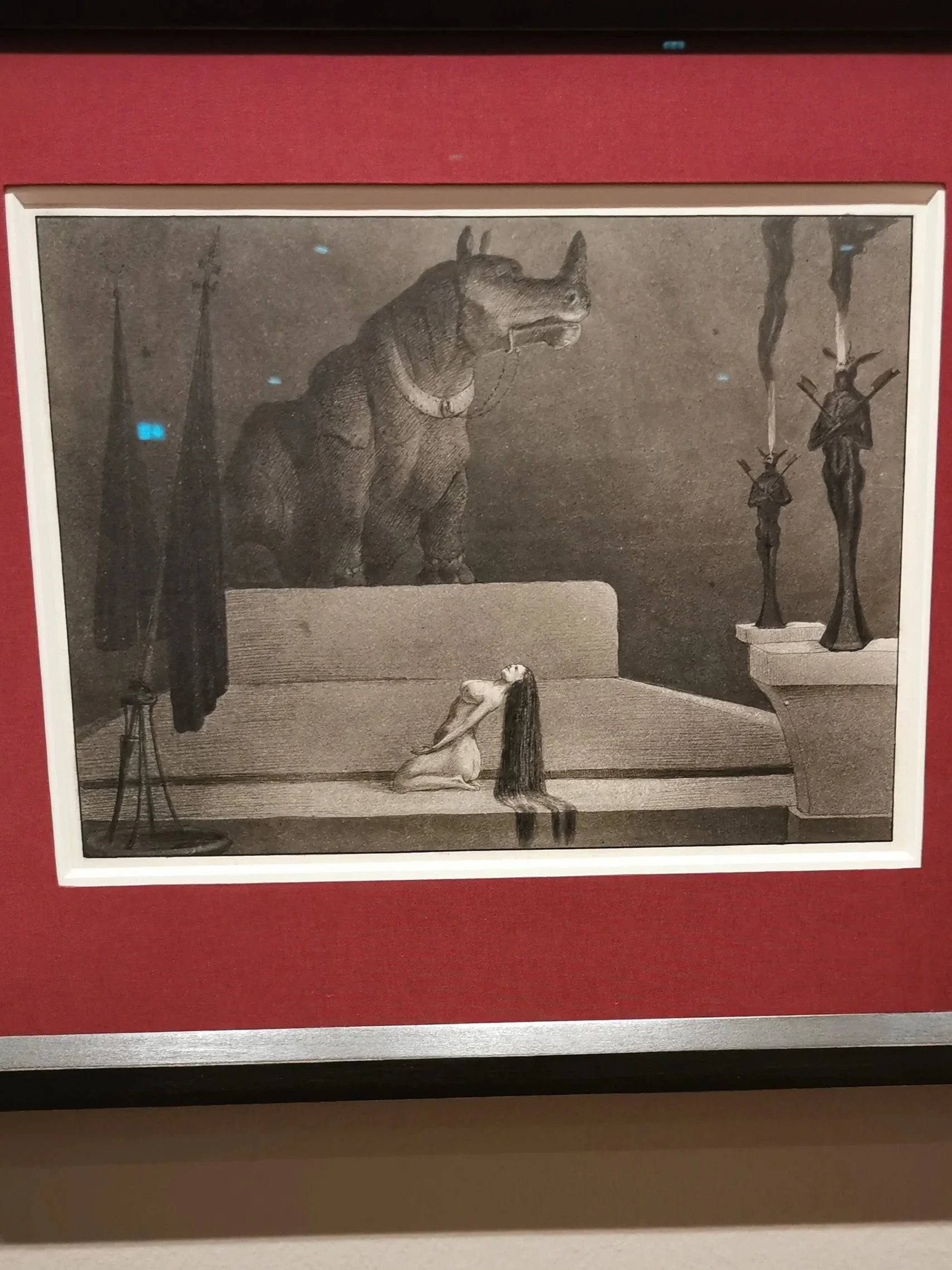
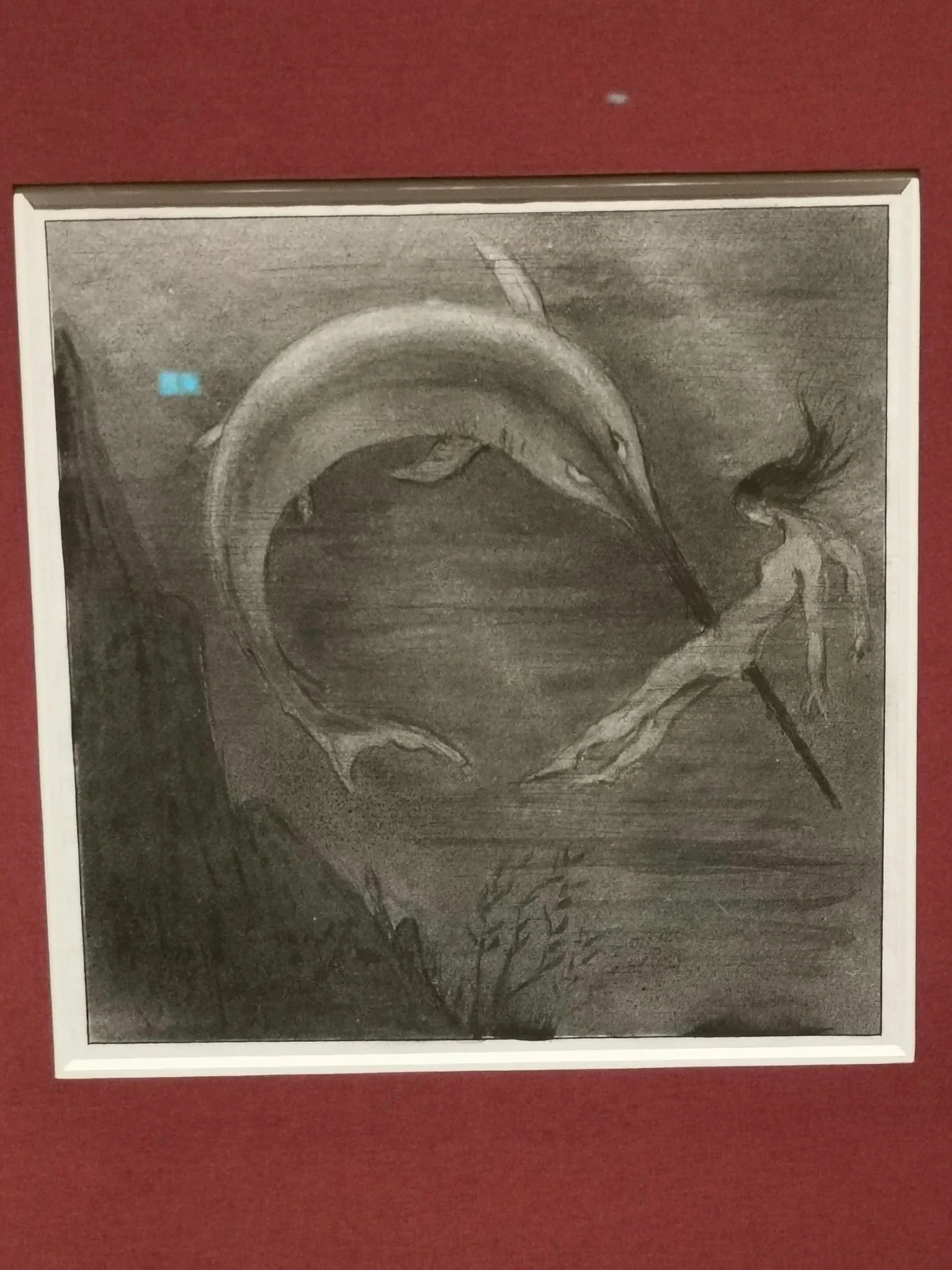
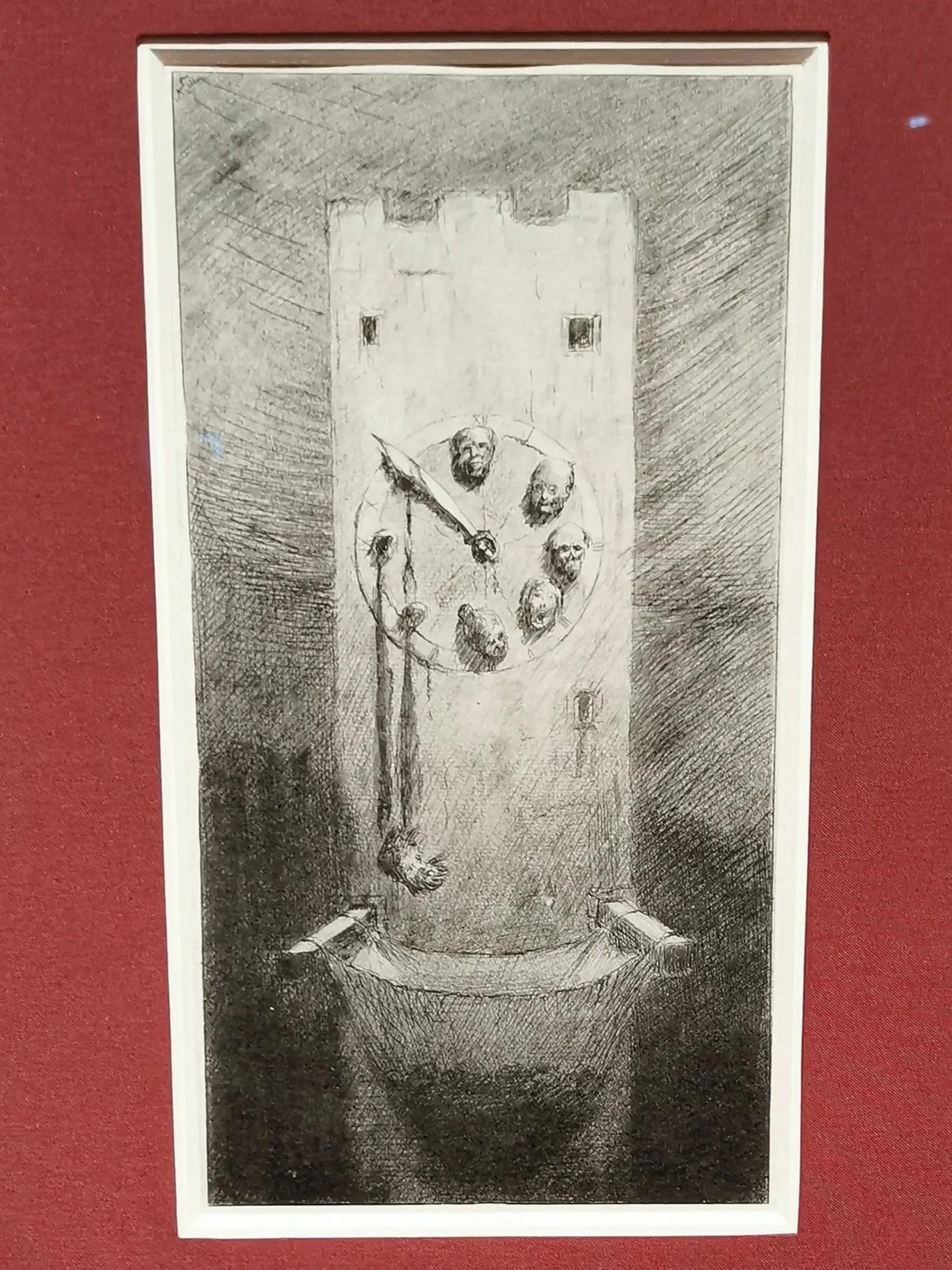
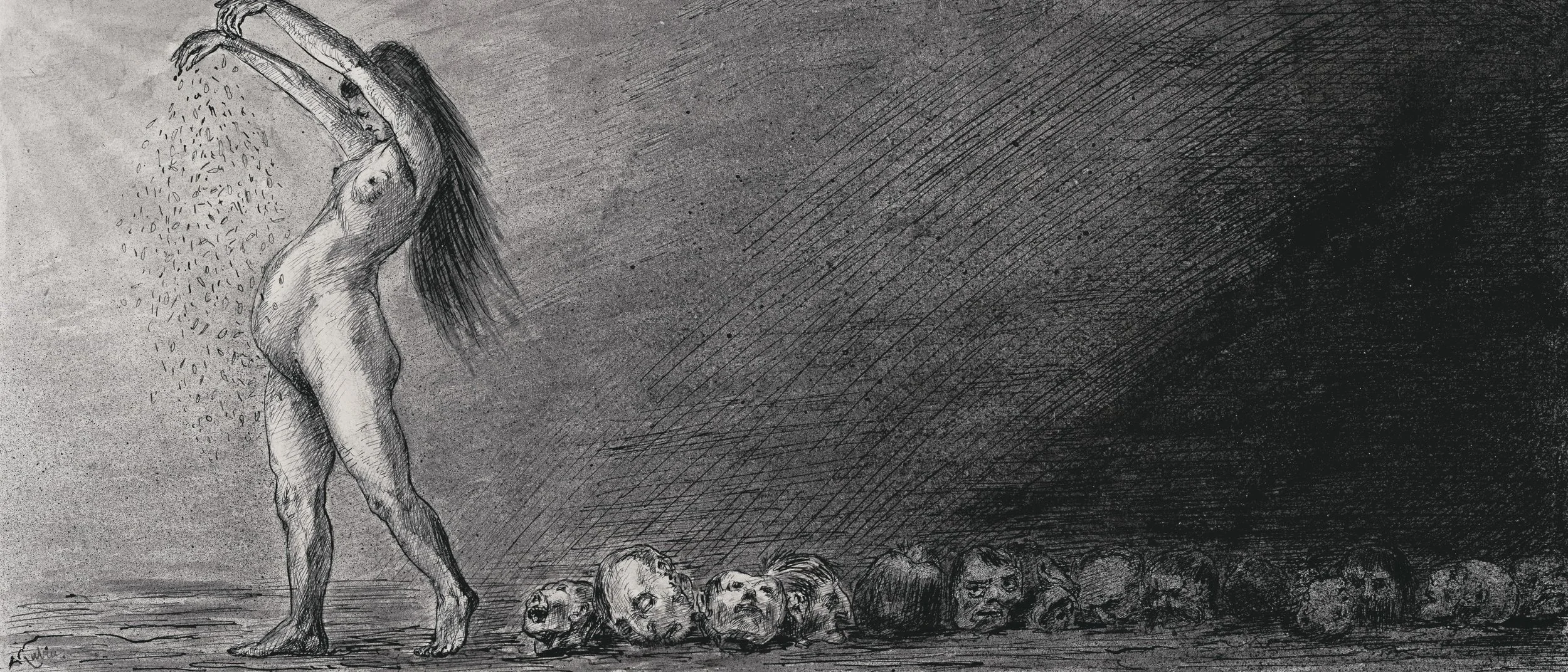
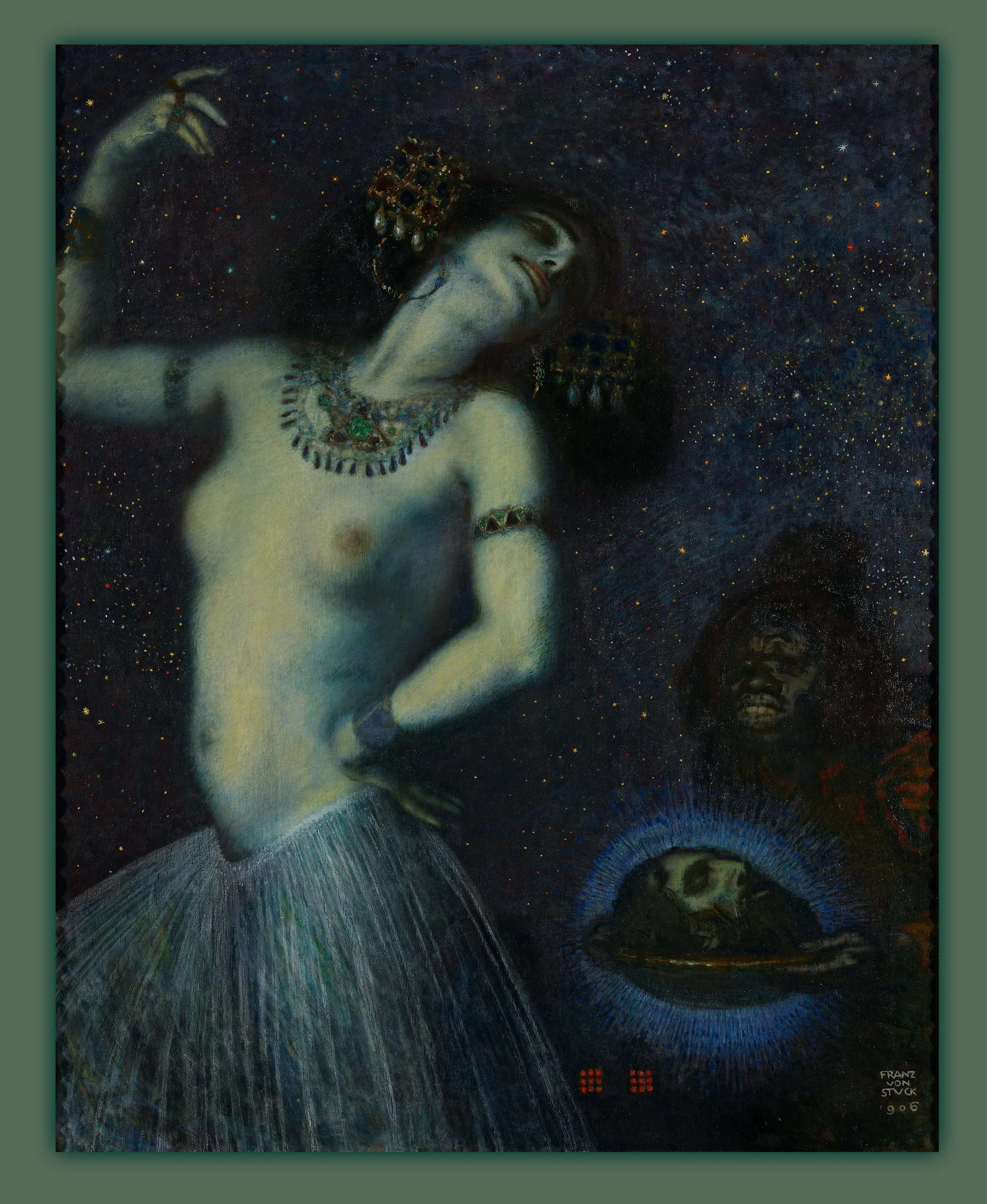
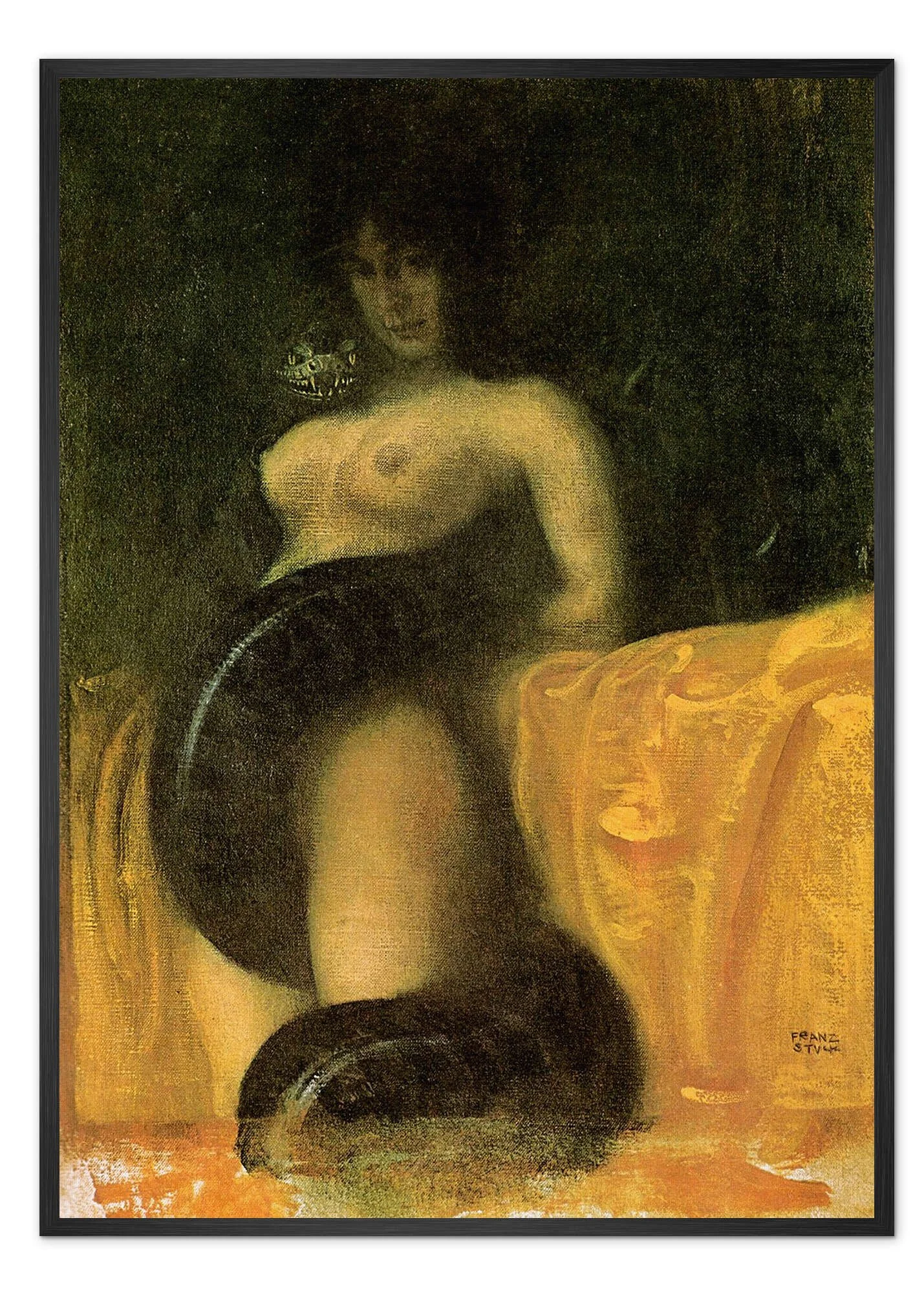
The artist portrays women mainly as seductresses, shameless and possessive, and men as victims, subject to female temptation and unable to defend themselves, or else as violent dominators of the other sex. This emphasis on female sexuality and power is in line with the currents of the late 1800s, when artists depicted women both as angels and as femmes fatales, aware of their imminent emancipation.
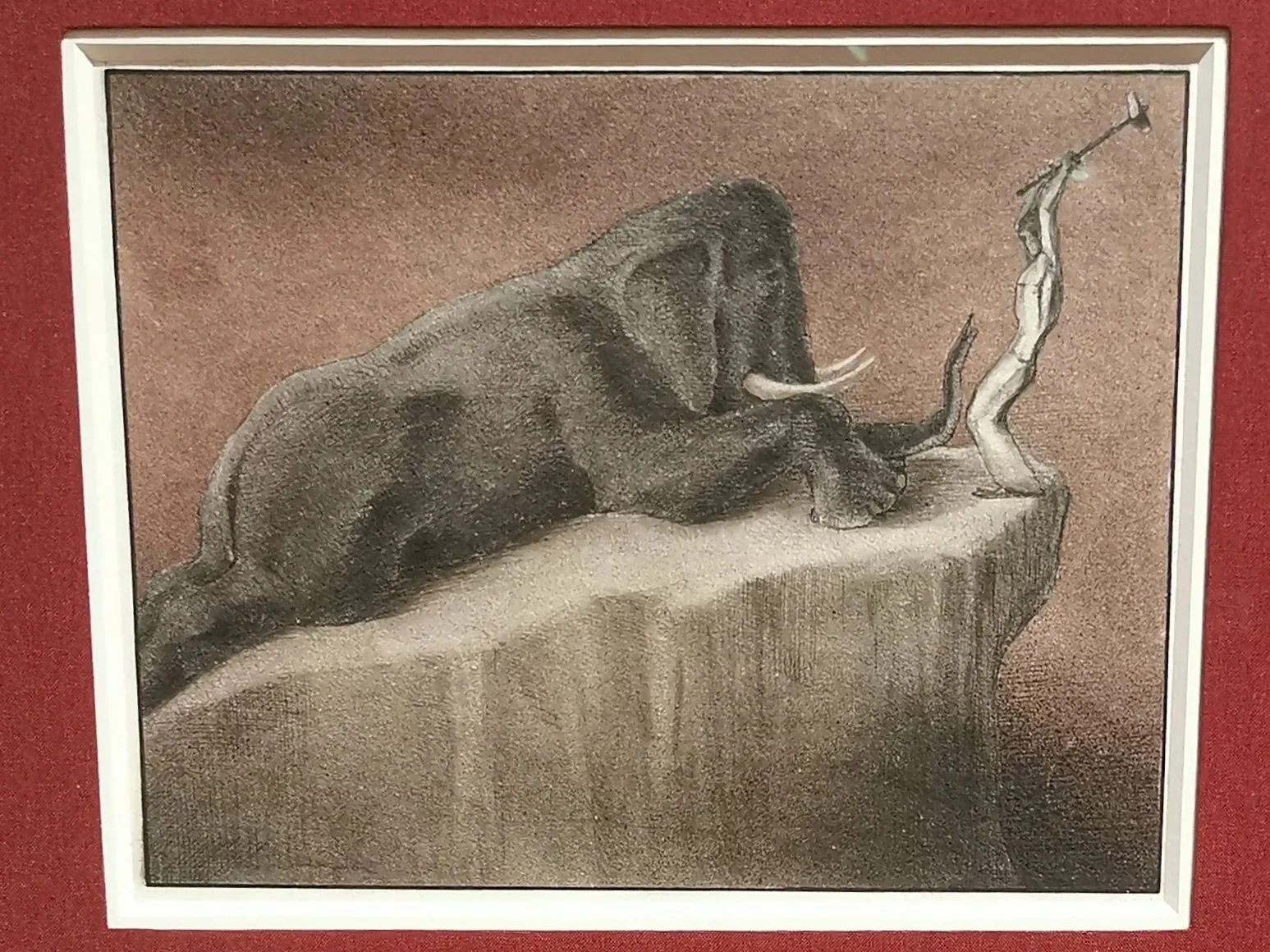
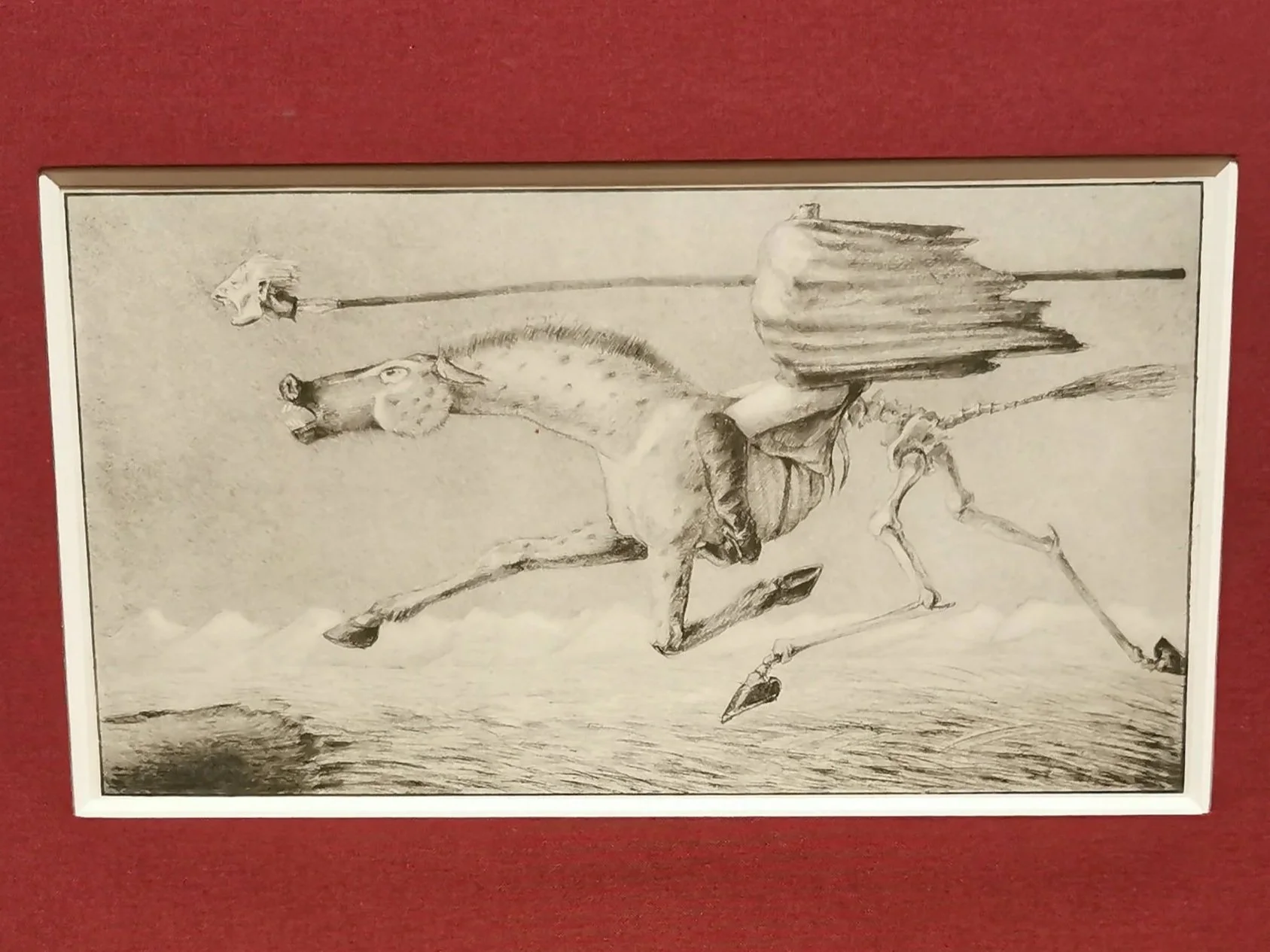
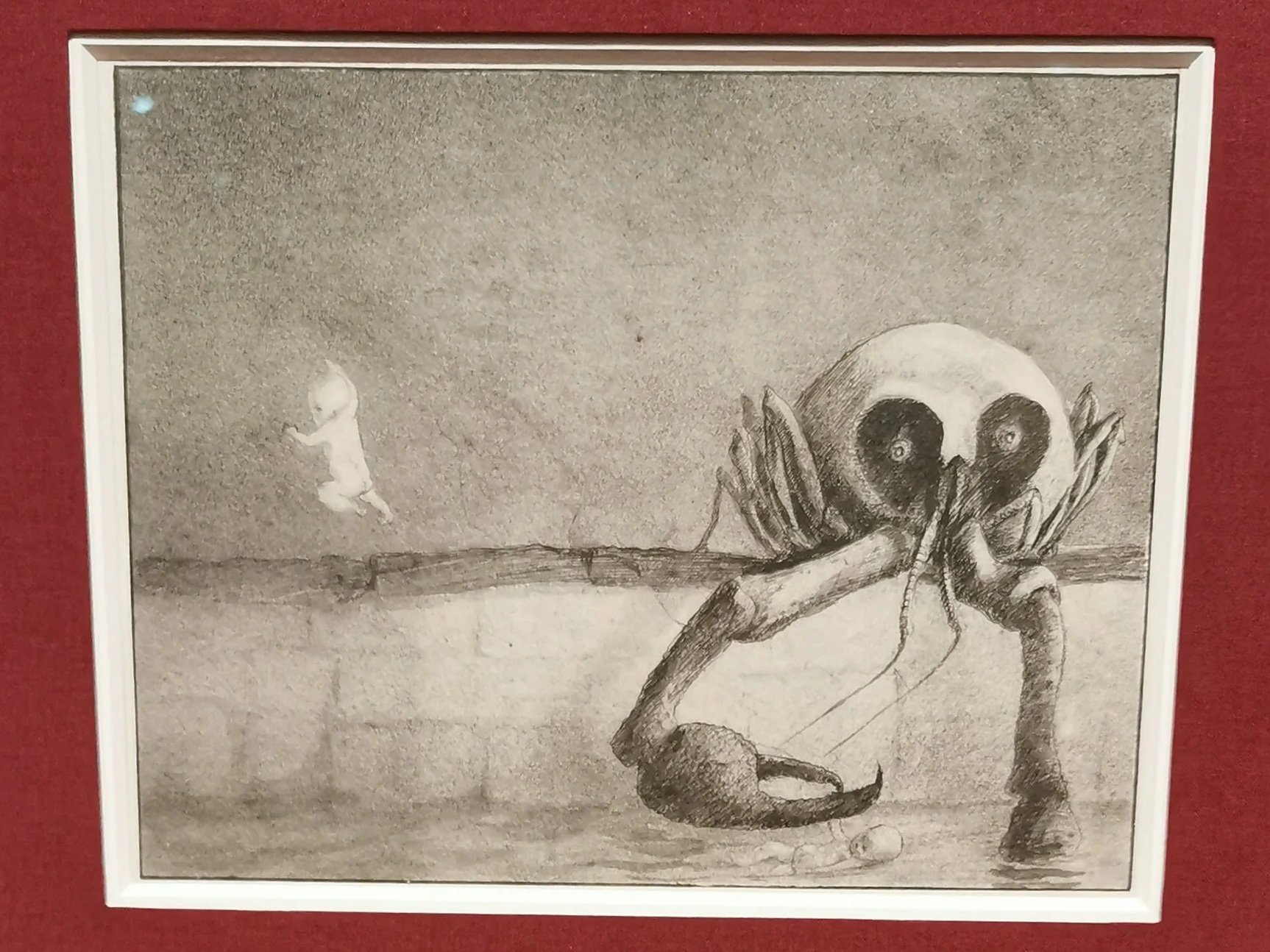
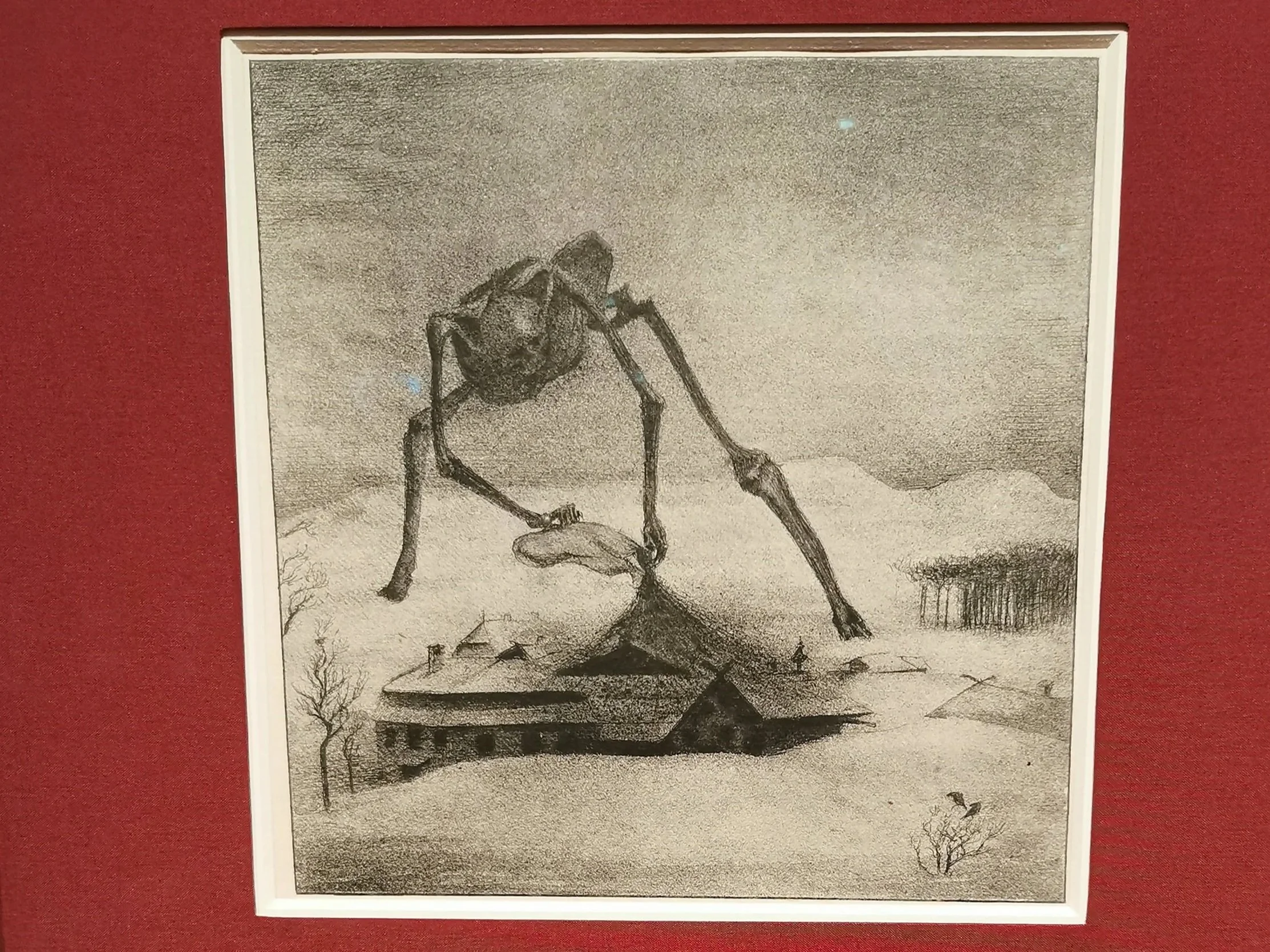
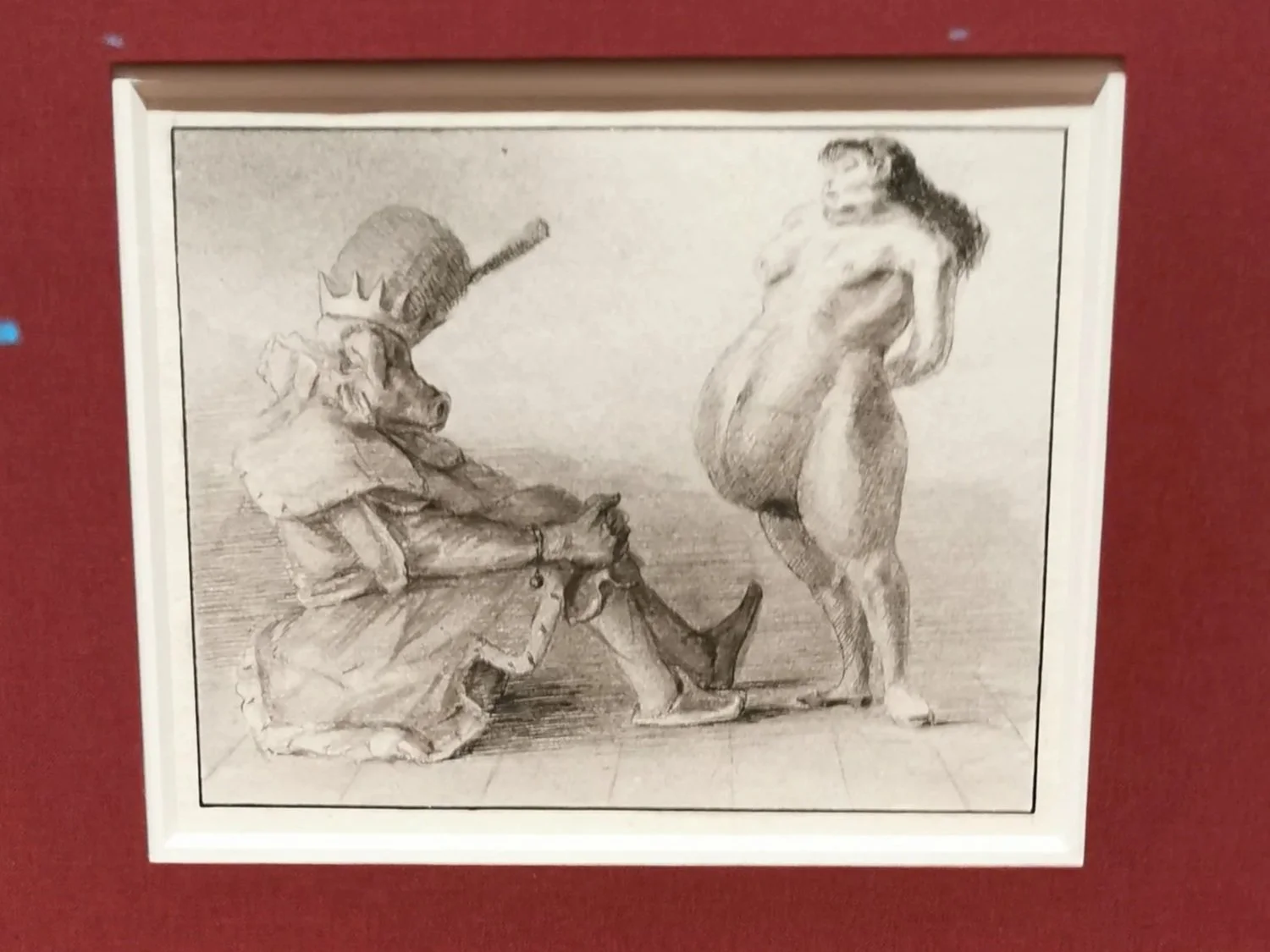
In Kubin's illustrations, female figures alternate between a passive role (devoured or subdued) and an active one (predators in the form of spiders, seductresses who feed on human remains). According to the artist, female sexuality is always lurking in search of men.
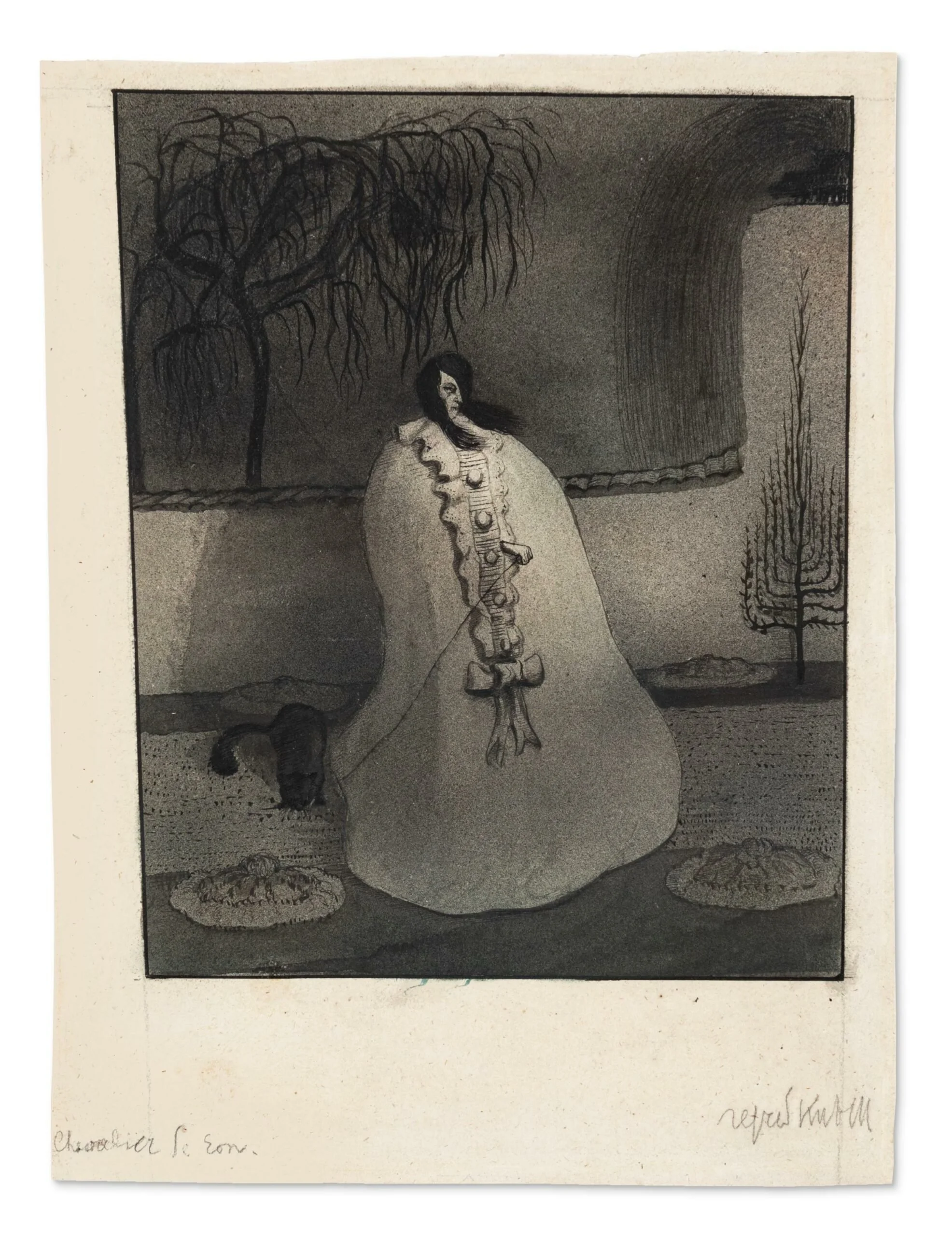
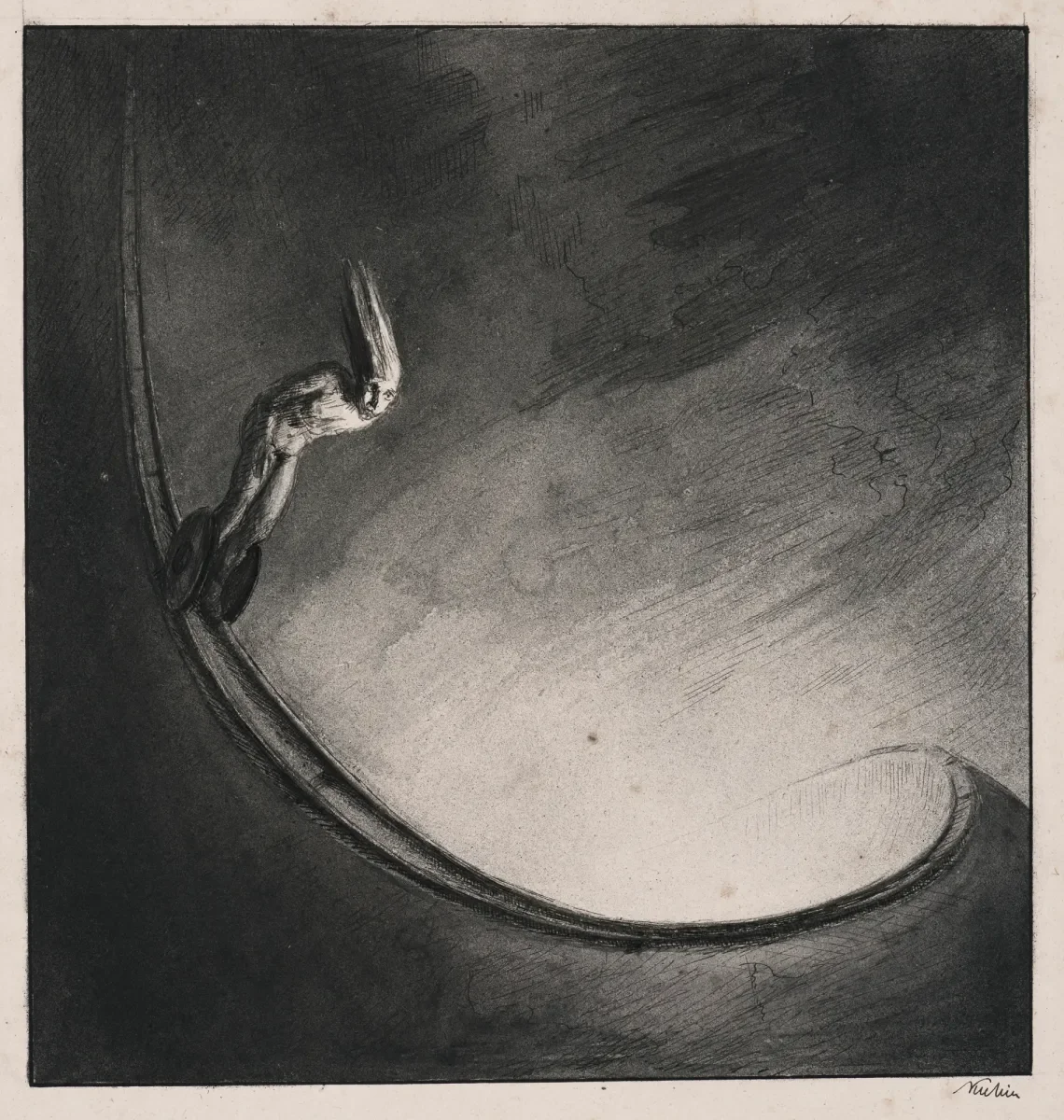
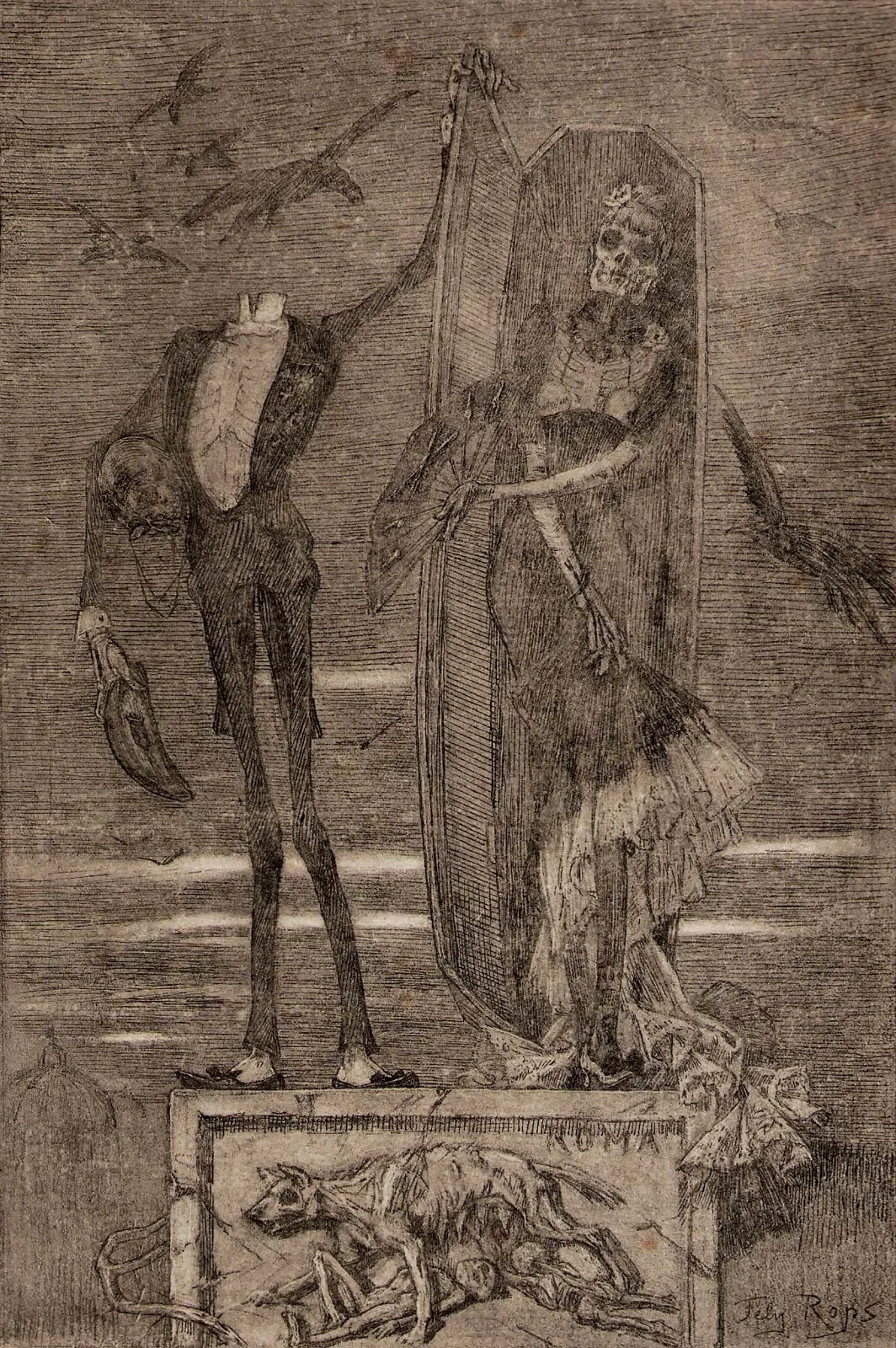
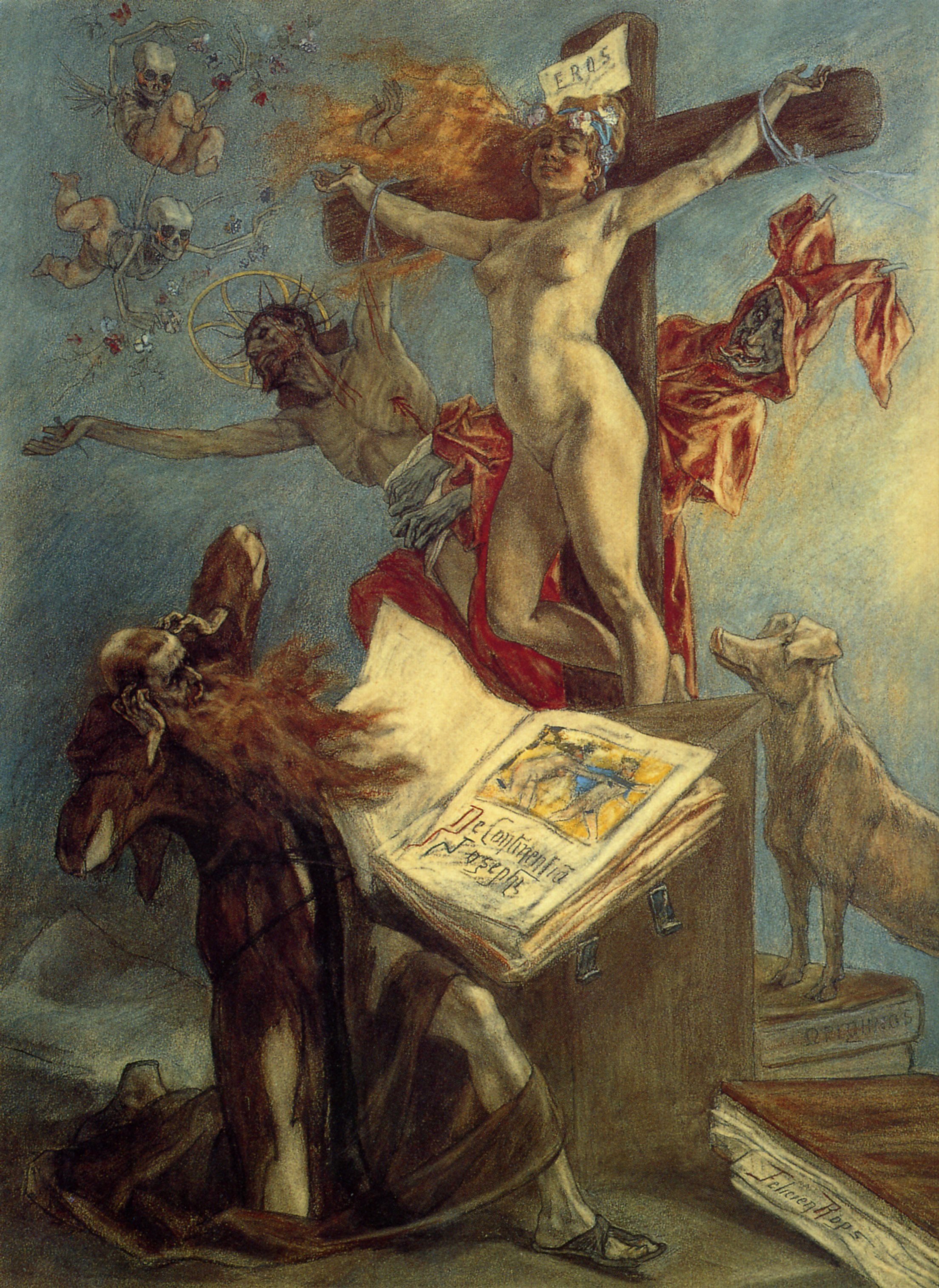
Models for this style are the Symbolists Félicien Rops, Gustave Moreau, Fernand Khnopff and Franz von Stuck:
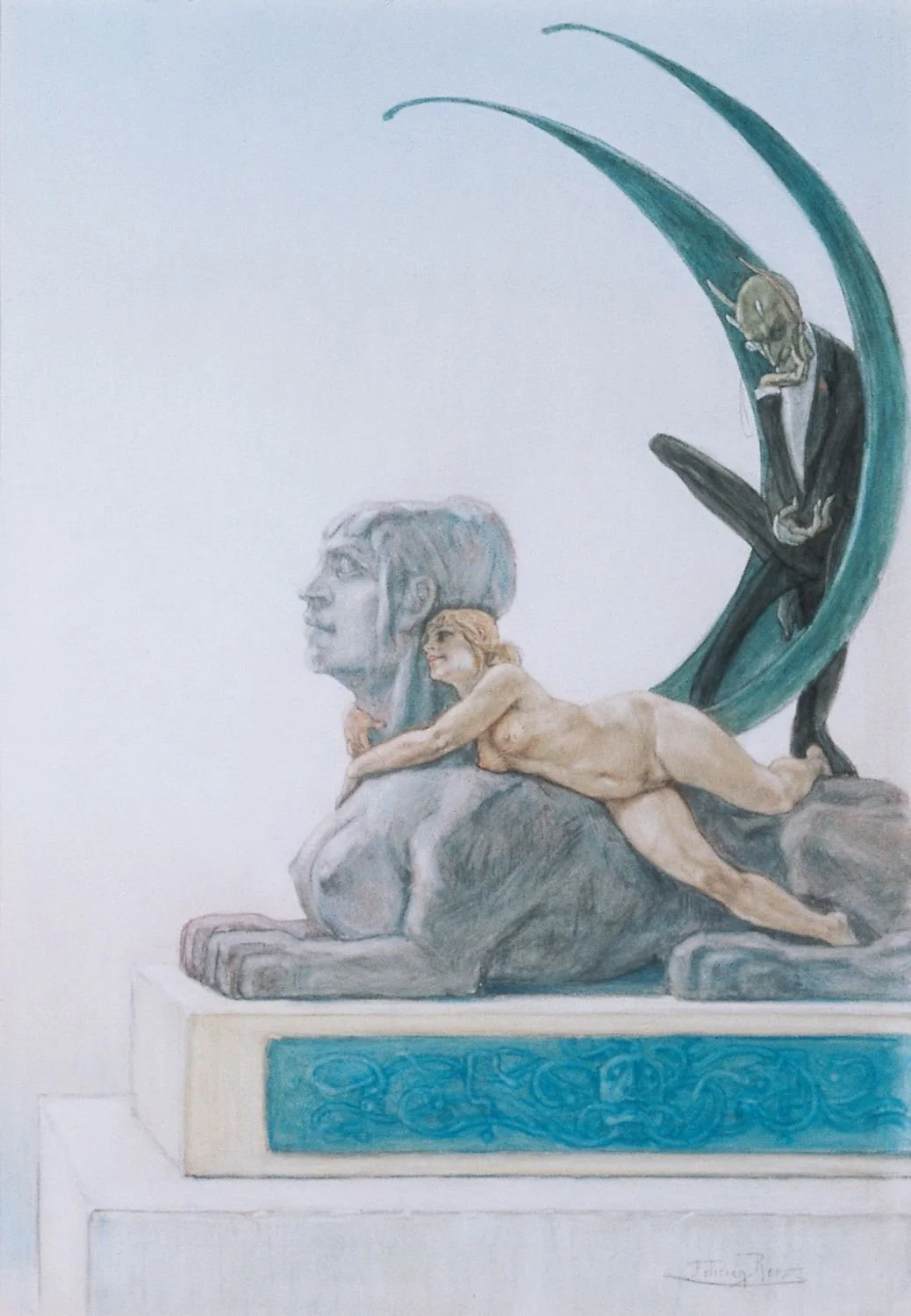
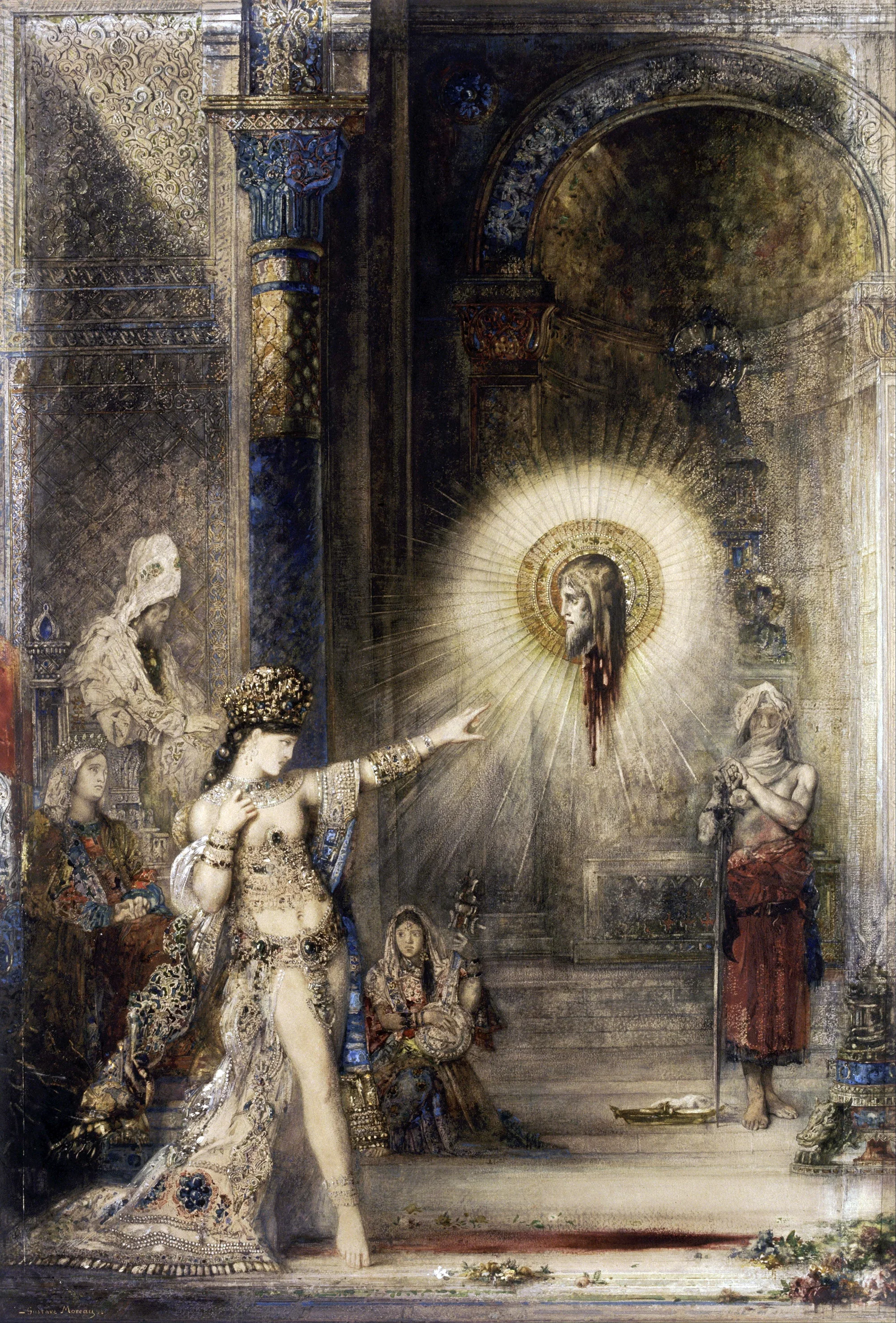
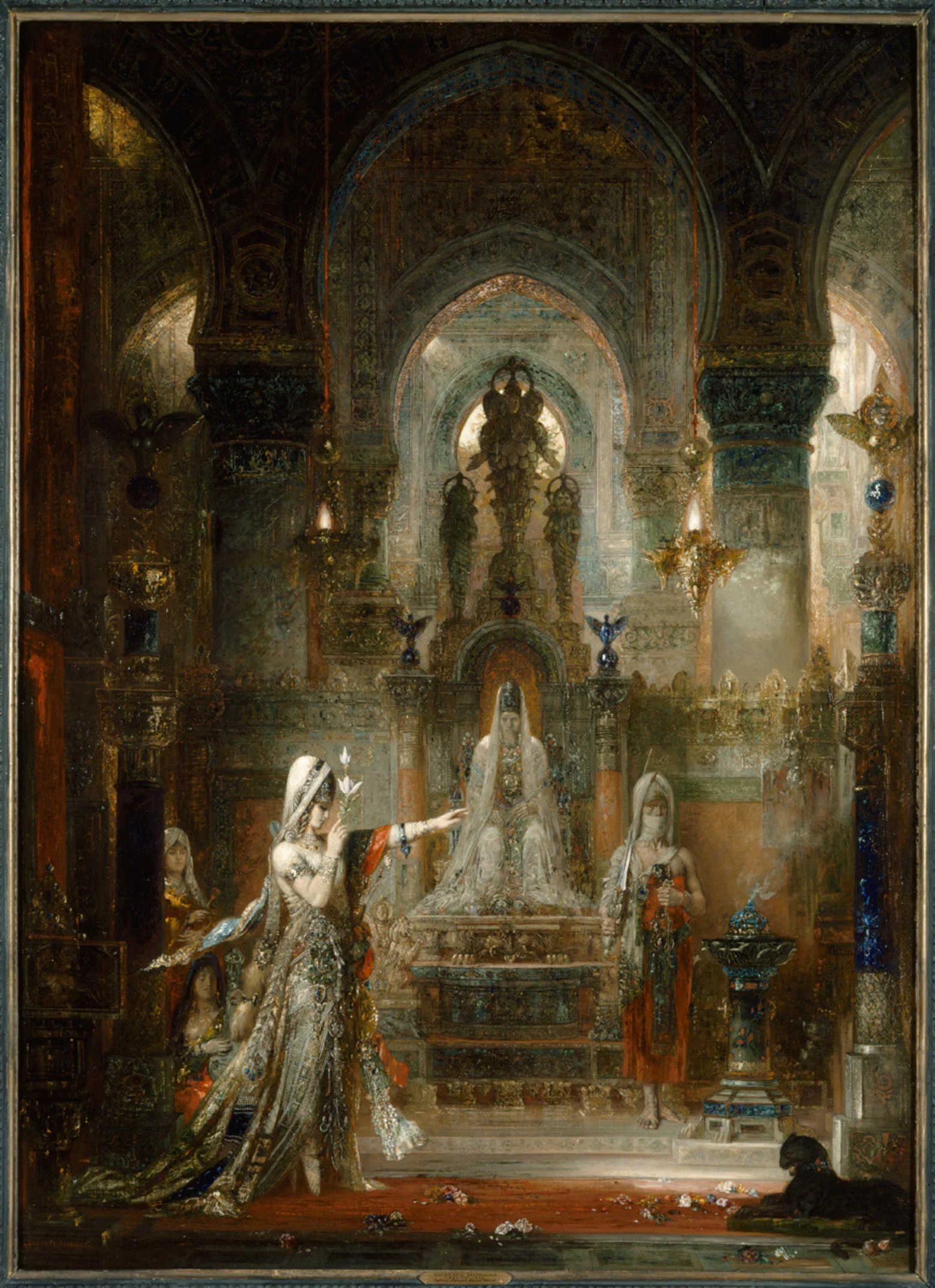
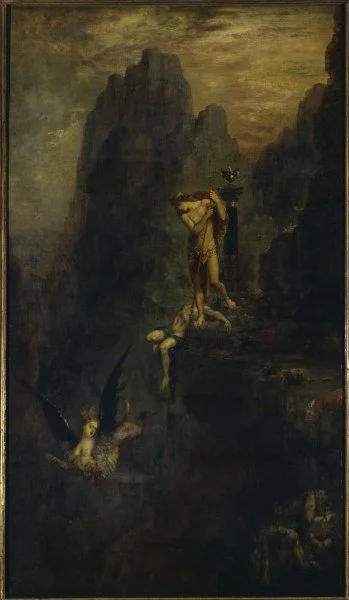
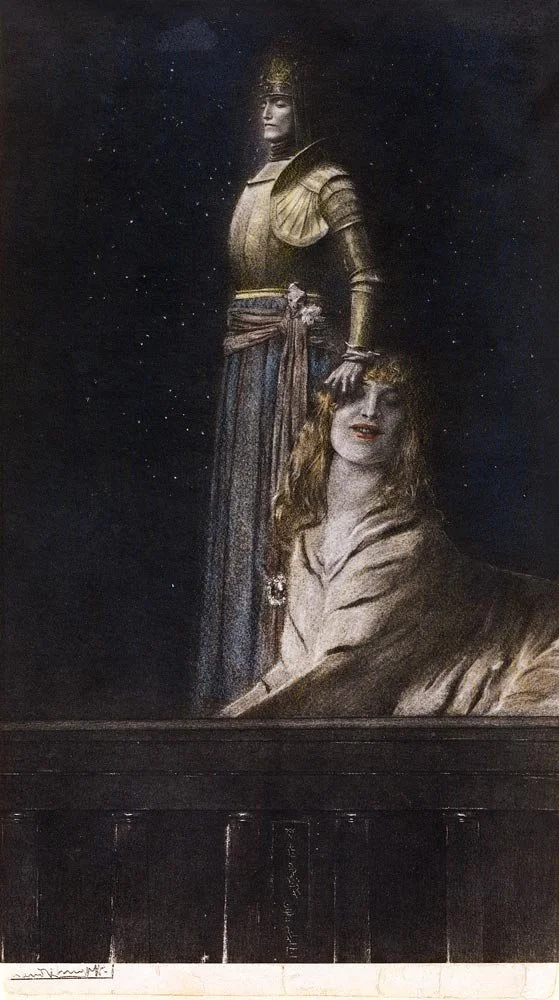
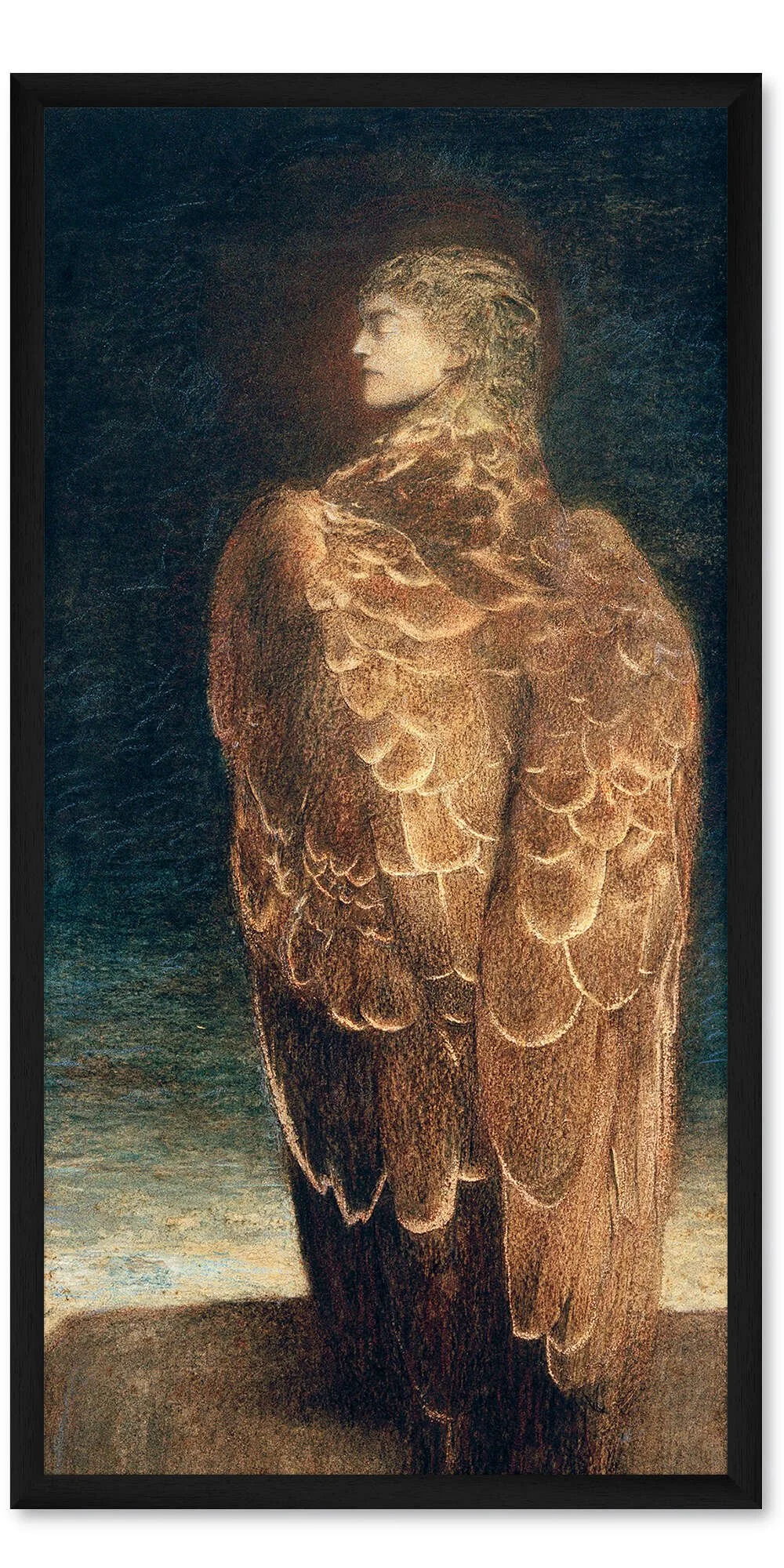
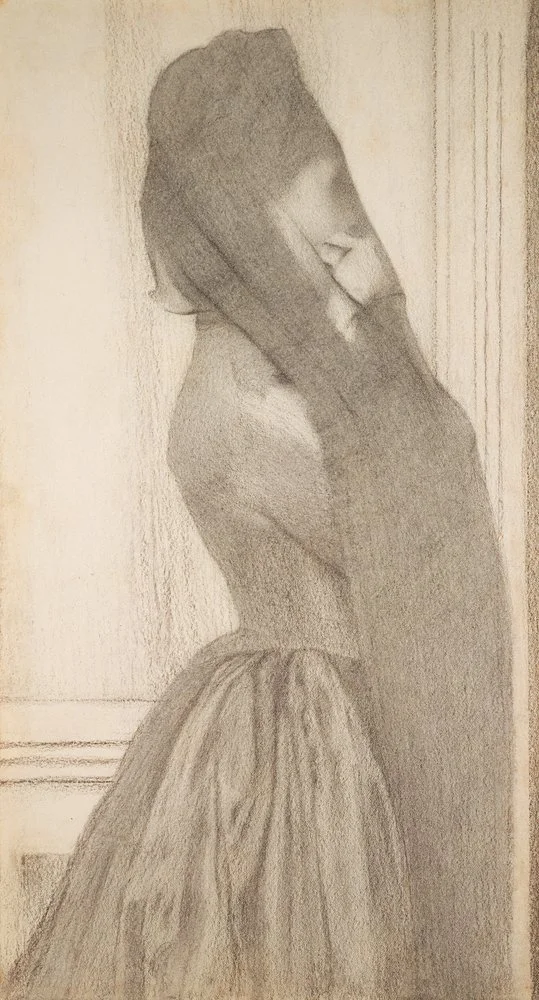
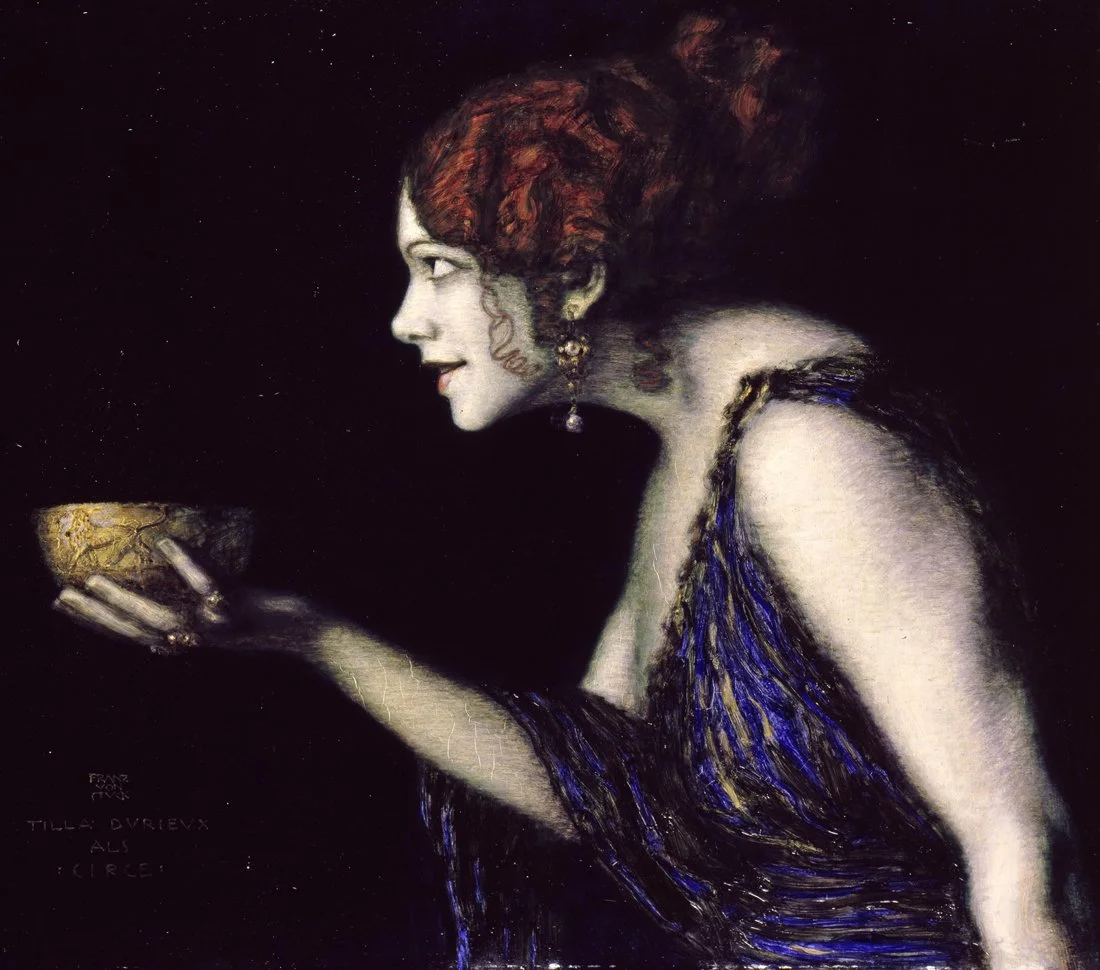
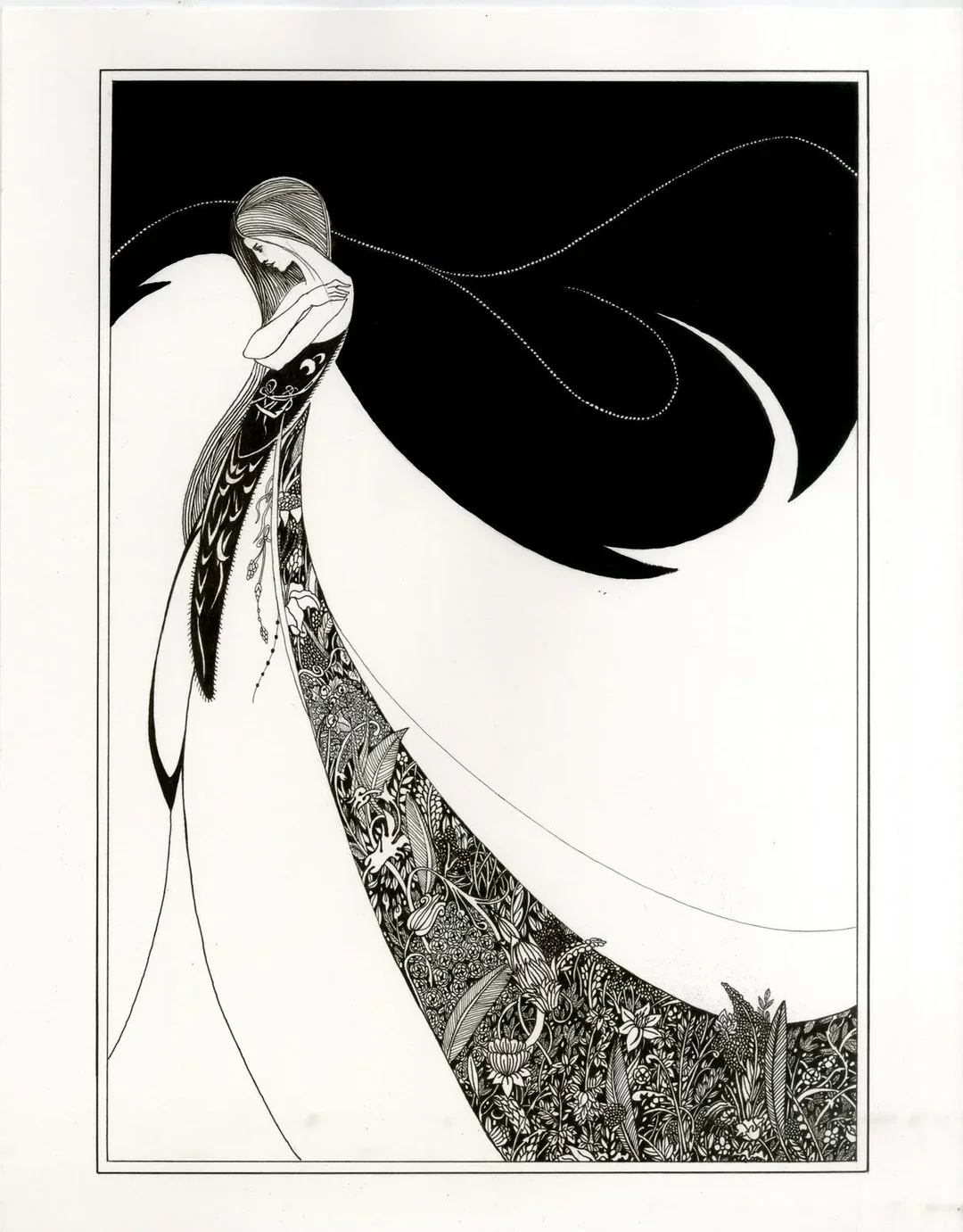
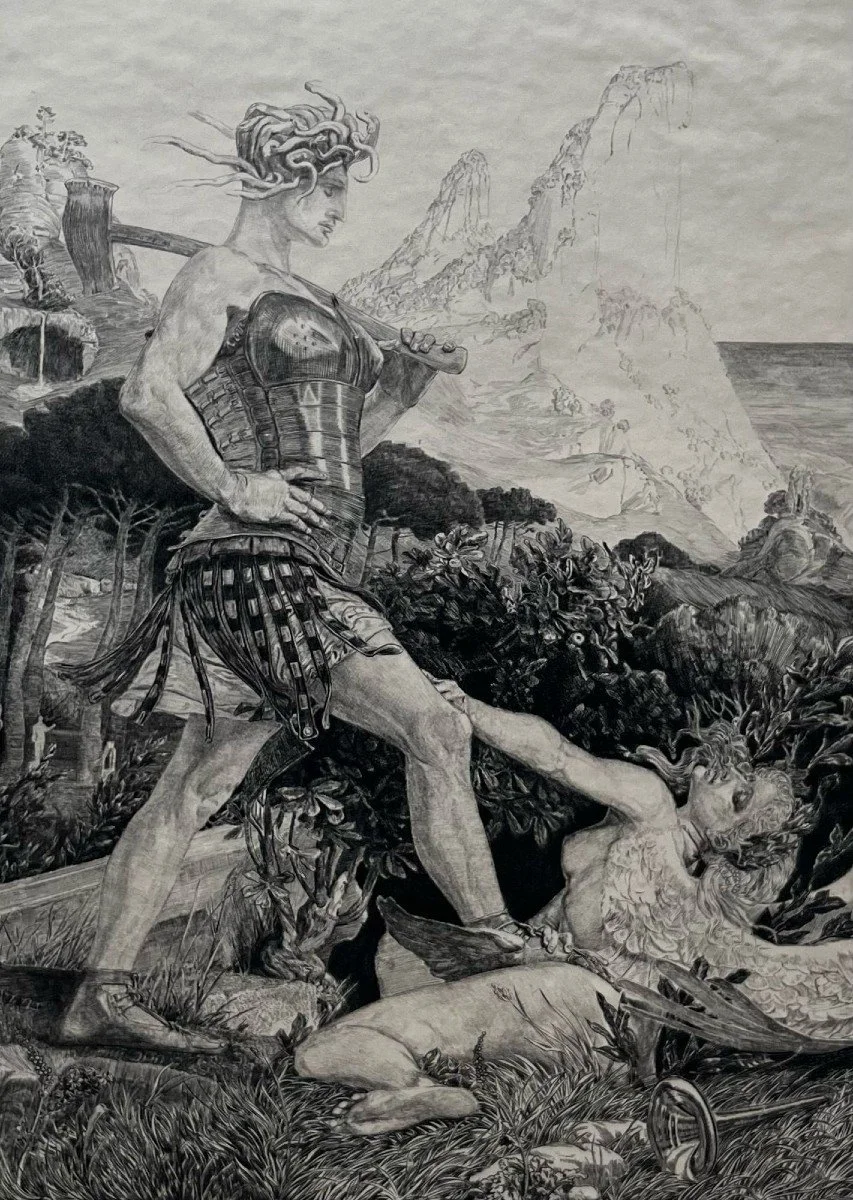
The inspiration for Alfred Kubin's fantastic compositions also comes from the visual force of his contemporary, the German painter and sculptor Max Klinger (1857–1920), and the English illustrator Aubrey Beardsley (1872–1898):
At the age of twenty, Kubin discovered pen drawing, which would become his favorite technique and allowed him to produce his most celebrated works. His drawings were exhibited in Berlin, Munich and at the Vienna Secession.
Fear would remain the engine of his art for his whole life: paradoxically, both a torment and a creative drive.
Two years on, while reorganizing this visit here on the blog, the exhibition poster is still the drawing I like the least. Now, though, I find myself reflecting on the possibility that the image was chosen as a metaphor for the artist: a self-portrait of Kubin himself, looking at himself from the outside with disgust and fear, with the unease of his depiction of a life that did not seek the pleasure of life itself.