"The Legend of Aang: The Last Airbender" — The Online Leak and the Ethical Piracy (No Spoilers)
A few days ago, the animation world was rattled — shaken, even — by the early release of the new Avatar: The Last Airbender film, not to be confused with James Cameron's science fiction blockbusters. Stopping the leak from spreading further is likely a lost cause at this point, but its circulation brings back into focus, at least in my view, some important questions about what it means to pirate something ethically.
The Origins of the Series
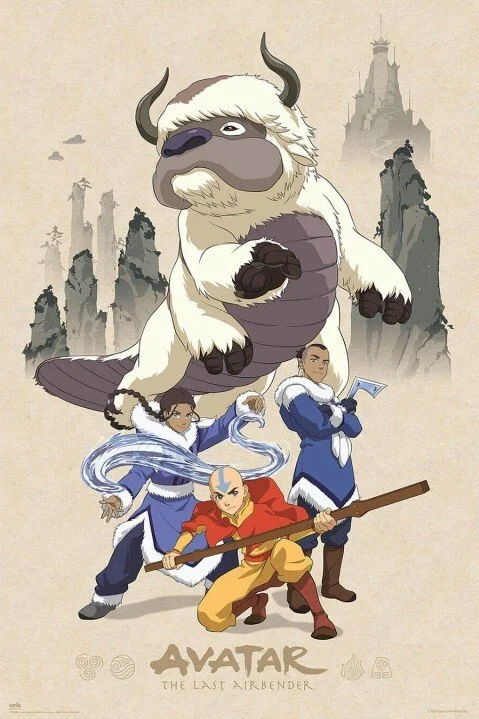
The story of this franchise is long, turbulent, and full of moments swinging between hope and betrayal. The first series follows Aang, a young boy from the Air Nomad people who discovers he is the latest reincarnation of the Avatar. After a series of unforeseen events, he vanishes without a trace, only to return a hundred years later to a world that has changed beyond recognition — a world he must fight to restore to balance, or at least to a new kind of balance. At first glance, it might seem like a show made purely for kids. Look a little closer, though, and the picture is far more complex: Avatar tackles themes like environmentalism, attachment, interconnectedness, ambition, imperialism, cultural identity, industrialization, and the delicate balance between opposing forces — themes that resonated deeply with older audiences too, who developed a fierce loyalty to the series. Avatar premiered in the United States between 2005 and 2008, and in Italy between 2005 and 2010. When it landed on Netflix in 2020, it became the platform's most-watched title within a single week.
Controversies and Disappointments
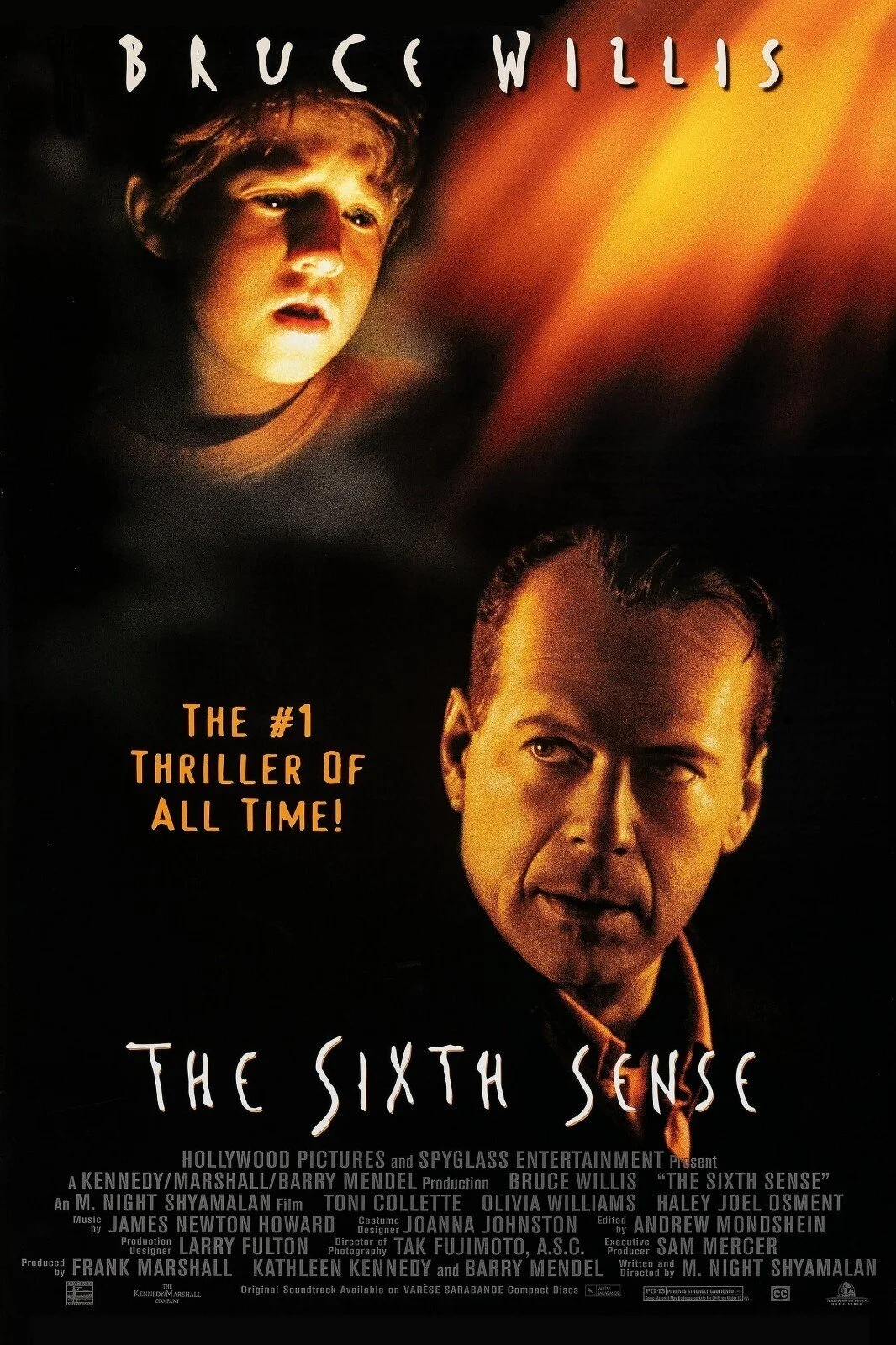
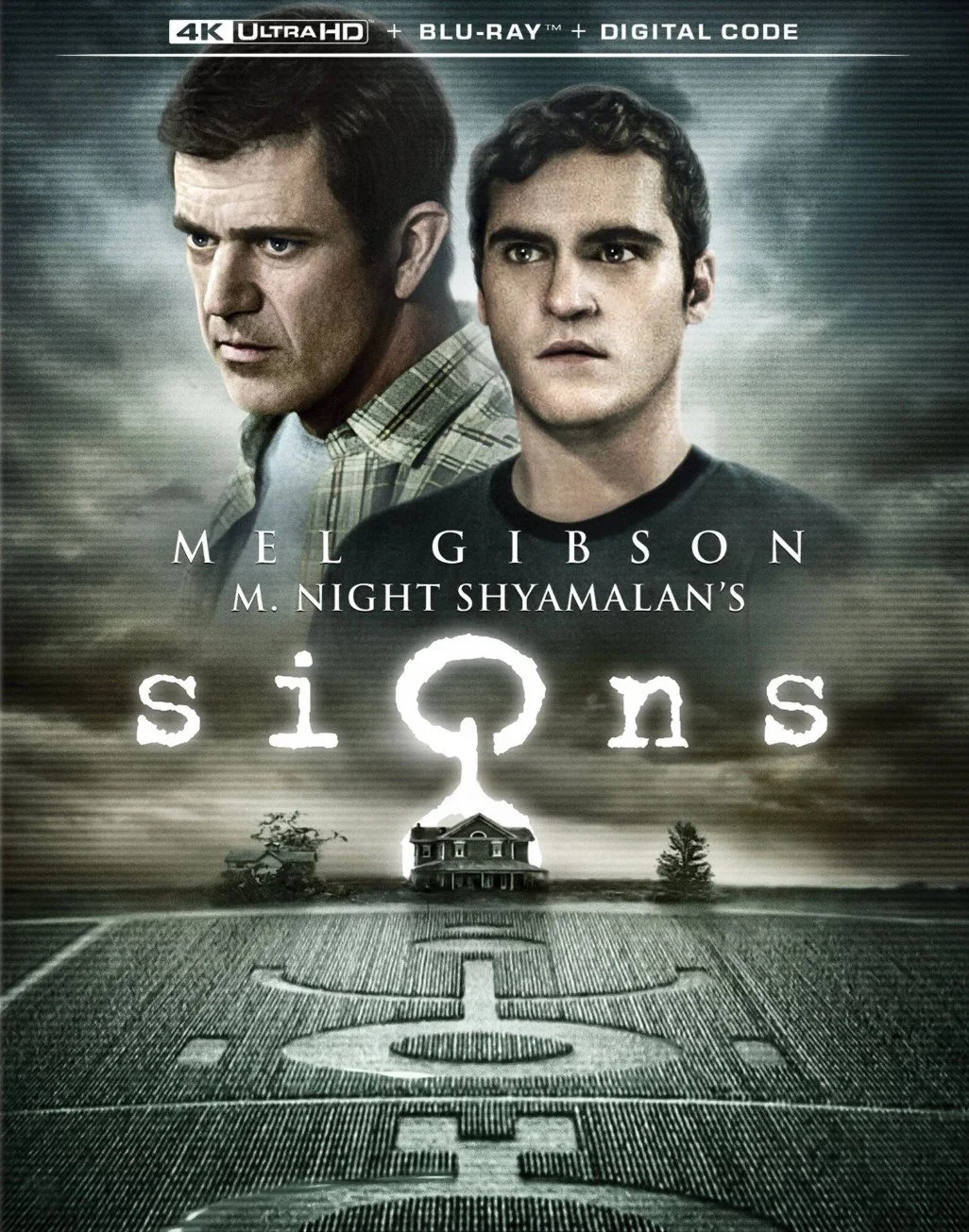
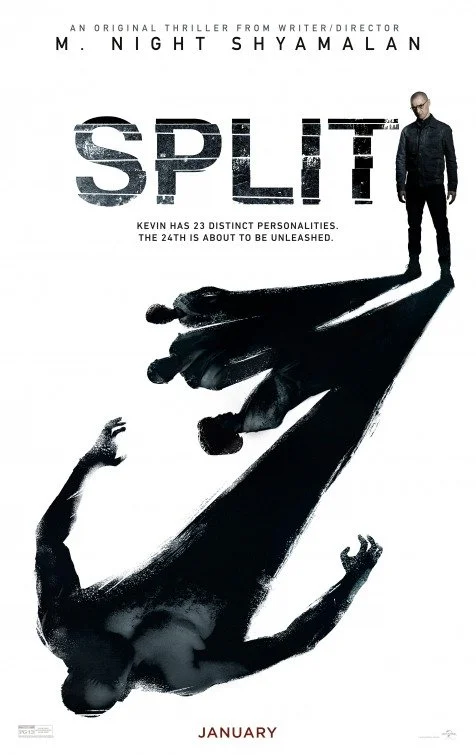
Off the back of the series' massive success, Paramount Pictures commissioned a live-action film trilogy in 2007, handing the writing, directing, and producing duties to M. Night Shyamalan — the filmmaker behind hits like The Sixth Sense (1999, with Bruce Willis), Signs (2002, with Mel Gibson and Joaquin Phoenix), and Split (2016, with James McAvoy and Anya Taylor-Joy), but also behind some spectacular misfires. Initially, series creators Mike DiMartino and Bryan Konietzko expressed genuine enthusiasm about collaborating with the director — so much so that plans for a potential fourth season of the animated series were shelved (this would only come to light in 2019, though opinions remain divided on whether the creators had truly wanted to pursue it). In a 2014 interview, however, the two described a behind-the-scenes reality defined by serious clashes with the production.
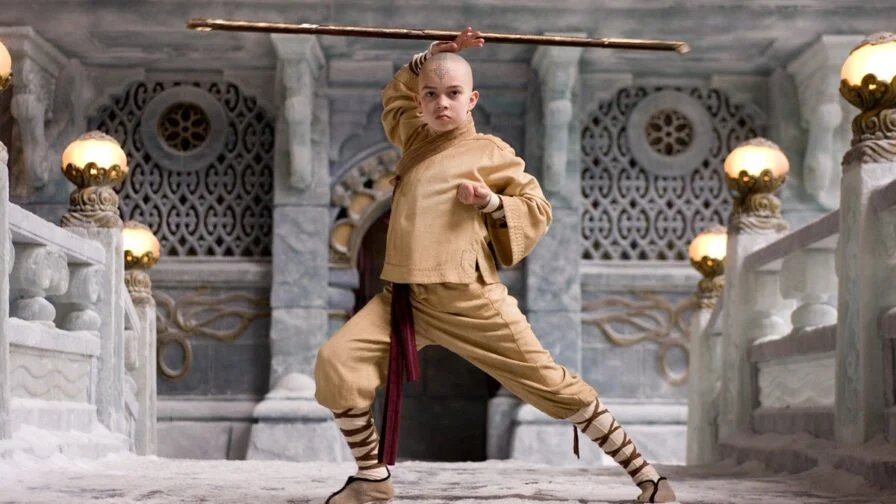
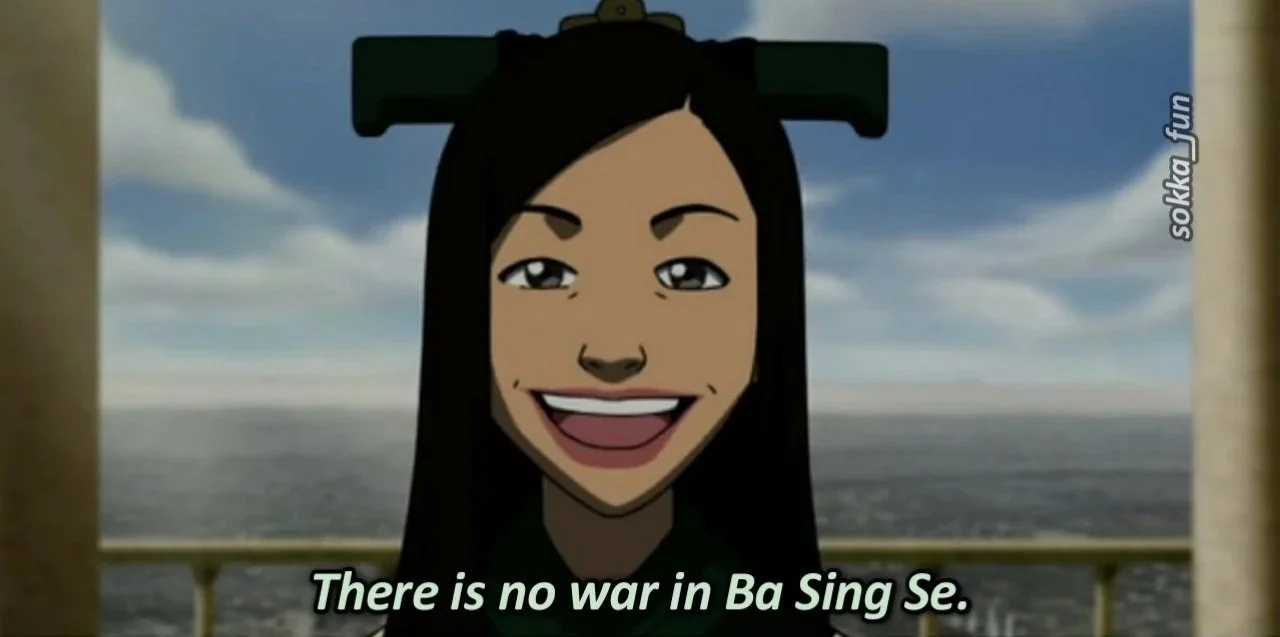
In the early stages, Paramount's studios had committed to a $250 million budget for the entire trilogy. The first film alone ended up costing $150 million in production and an additional $130 million in marketing. When the live-action adaptation finally hit theaters, the reviews were devastating — and not just from film critics. The casting drew widespread accusations of whitewashing, and over time, fans would immortalize the whole debacle with one of the community's most enduring memes: "There is no movie in Ba Sing Se."
From 2012 to 2014 (2015 in Italy), Nickelodeon aired the sequel series, The Legend of Korra. It differed from its predecessor in significant ways, and a large portion of the fanbase never quite warmed up to it. In the United States alone, the original series averaged 3.8 million viewers per episode, while Korra drew 2.6 million for its premiere and only 2 million for its finale — with viewership dipping as low as 1.5 million during the fourth season. Partly for this reason, starting with the final five episodes of Season 3, Nickelodeon pulled the show from television entirely and moved it online.
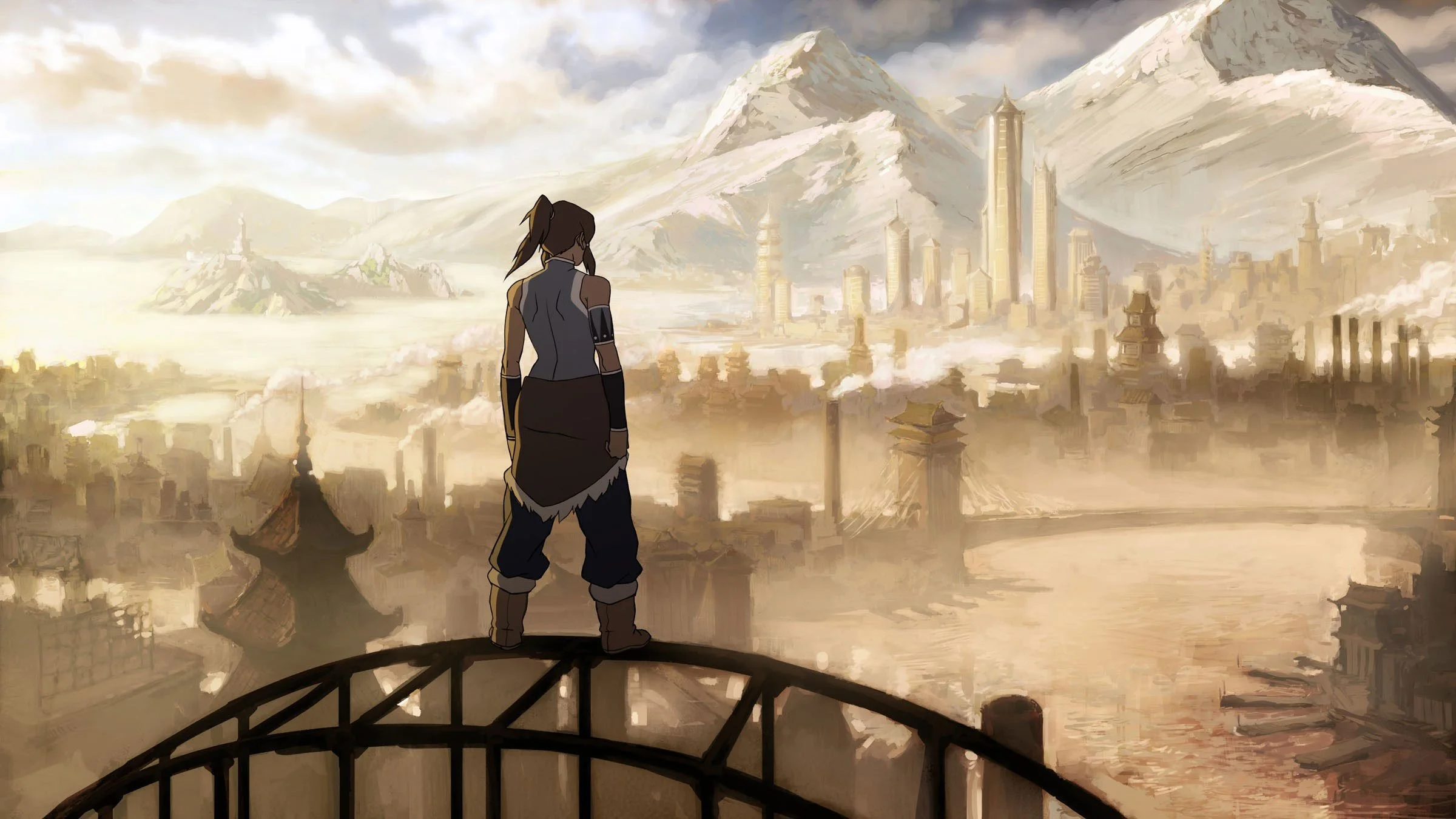
Fan criticism was swift and pointed. The most common complaints included: inconsistent political world-building, underdeveloped or stagnant supporting characters, unnecessary narrative arcs, and poor pacing. Much of this criticism was inevitably framed through comparison with the Aang chapters, though there are meaningful differences and bold creative choices that deserve acknowledgment. Aang's story centers on a child guided by ideals of peace — someone who would rather find a way out of conflict than fight, in a world where the villains are unambiguously, almost cartoonishly evil. It is a fundamentally ancient and spiritual world, where the power of skilled benders dwarfs that of conventional armies, and where a single gifted individual can genuinely tip the scales. Korra's story, by contrast, follows a teenager who assumes she can solve every problem on her own, through sheer force of her abilities — only to find herself navigating a world in upheaval, in the thick of an industrial revolution, where being a bender is no longer enough, where technology dominates, and where what's actually needed is a figure capable of diplomacy and mediation. The antagonists, too, are different and far less clear-cut: more nuanced, more human, their motivations comprehensible. The Legend of Korra takes on the clash between secular and spiritual worlds, weapons of mass destruction, terrorism, post-traumatic stress, fascism, gender, and sexual orientation — pushing well beyond the boundaries of conventional youth entertainment. All things considered, it's a series that deserves more credit than it typically gets.
In 2018, capitalizing on the tenth anniversary of the original series finale, Netflix announced a new live-action remake. The first season — eight episodes — premiered in 2024. The original series creators were initially brought on board as executive producers and showrunners, but two years after the announcement, they chose to walk away, publishing an open letter explaining their decision. They cited an inability to exercise creative control, a difficult and non-collaborative working environment, and creative choices they felt were fundamentally at odds with the spirit and integrity of Avatar. When the series launched, critics gave it a broadly positive reception, though many noted the absence of the wonder that had made the original so special. Fan forums split sharply: some celebrated a cast that was finally diverse and representative; others pointed to shallow character writing, underwhelming performances, and a general sense that the adaptation had fallen flat.
Meanwhile — and this brings us back to 2021 — the original series creators announced they had returned to work at Nickelodeon's Avatar Studios. In 2022, Paramount confirmed the release of a new animated feature film centered on Aang, the first of three standalone episodes set in the Avatar universe, slated for release on October 10, 2025.
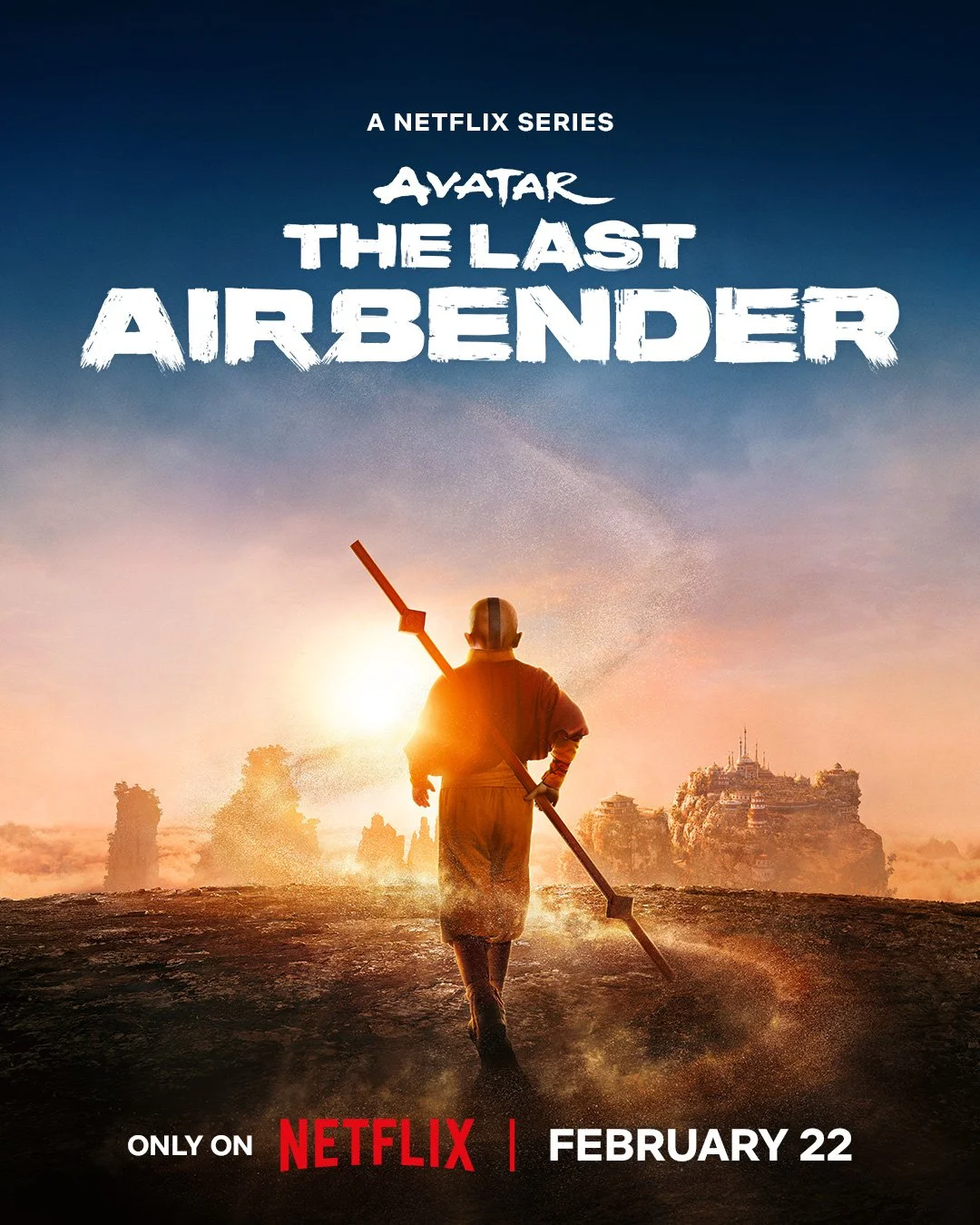
The New Chapter, eagerly awaited by fans
Back to the present. After the leak spread across social media, there seemed to be no real way to contain it. Justifications from those who shared it weren't long in coming: some argued that Paramount deserved to be punished for certain creative and marketing decisions surrounding the film. One of the most criticized choices was the cancellation of its theatrical release in favor of a streaming-only debut on Paramount+. The studio's strategy was roundly condemned by fans — not only because many felt the film was genuinely worthy of the big screen, but because the data itself backed up the appetite for animated features: Demon Slayer: Infinity Castle (2025) alone grossed $774 million at the global box office. The decision, then, seems to reflect little more than Paramount's desire to capitalize on the streaming market, which has by now become too lucrative a revenue stream to ignore.
Another justification put forward by leak supporters was the recasting of the voice actors. News of the change had first surfaced back in 2023, through interviews with members of the original voice cast. The actors behind Toph and Katara said they remained deeply connected to the project but expressed support for the production's decision to cast voice actors with ethnic backgrounds closer to those of the characters. The other members of the Gaang (Aang's crew) either made no public comment or appeared to have already moved on to other projects. In 2025, Janny Jue, the casting director for the film, reaffirmed the decision, stating that Hollywood's recent shift toward matching characters and voice actors by ethnic and racial background is, in her view, the only right way to approach it — because even though Avatar is a fictional universe, it draws on real cultural influences.
From within the community, however, a question has emerged: if a live-action production is clearly a distinct product — one that uses real actors and must therefore account for representation and visual logics — why should the same principle necessarily apply to an animated production, which by its very nature allows for far greater freedom of expression at every level (including things like, say, defying the laws of physics)? Why should the push for greater representation of minorities become, on the other side of the coin, a restriction on creative possibility?
The Problem with Apu
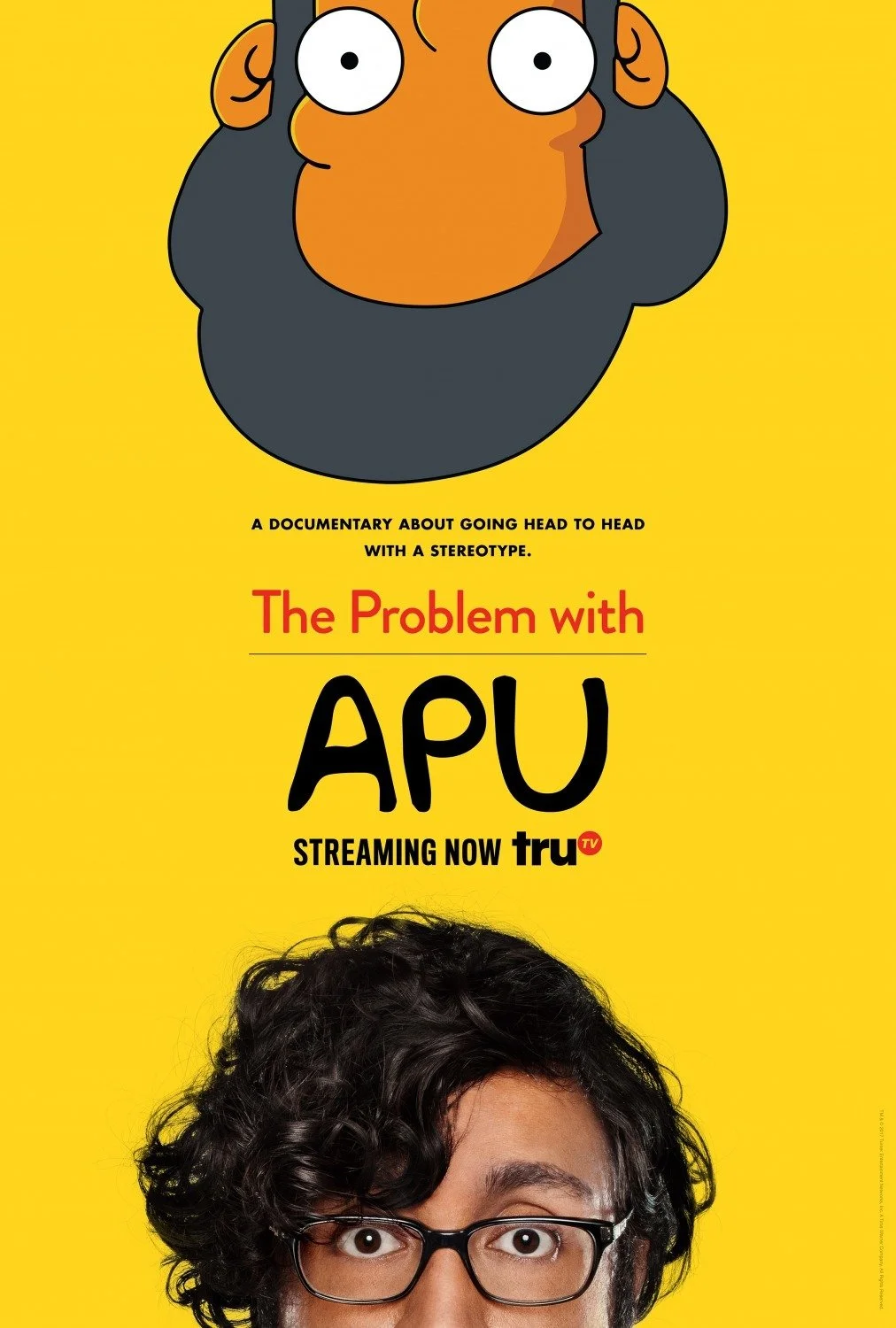
In 2017, the documentary The Problem with Apu set the animation world on fire. Written and directed by Hari Kondabolu — an American stand-up comedian of Indian descent — it examined how the character had helped perpetuate a culture of stereotyping, mockery, and racial microaggressions. Growing up, Kondabolu had watched The Simpsons in part because Apu was the only Indian presence on television (and would remain so for at least twenty years). As an adult, however, his perspective shifted. He would later say that Apu's voice sounded to him like a white man doing an impression of a white man doing an impression of his father. And despite its pioneering nature, Apu's presence on screen had become systemically harmful: for American actors and voice artists of Indian descent, who are routinely asked to reproduce that same accent; and for young Indian Americans watching the show on Sunday evening, who already knew exactly what they'd be ridiculed for come Monday morning.
The show's producers initially brushed off the controversy. Meanwhile, the original voice actor behind Apu announced in April 2018 that he was ready to step aside — and by January 2020, he had. Then, in June 2020, following the events of George Floyd, a wave of industry-wide reactions followed: Mike Henry stepped down from the role of Cleveland Brown (a character he had voiced on Family Guy since 1999), Jenny Slate left her role as Missy on Big Mouth (after four seasons), and The Simpsons announced it would no longer cast white voice actors in non-white roles.
Over time, Hank Azaria — Apu's original voice actor — has apologized multiple times to the Indian American community, expressing genuine sorrow at the thought that his work may have contributed to bullying, whether in the past or the present. Alison Brie similarly issued an apology for having voiced the Vietnamese-American character Diane Nguyen on Bojack Horseman.
The real issue, as argued in an article whose position I share, is not that a white voice actress lends her voice to a non-white character — it's that the reverse still doesn't happen: an Indian voice actor, for example, has yet to be cast as a white character. And the solution certainly isn't to quietly sideline an uncomfortable character into a background role. I'd also add something of my own: the fight against stereotypes, bullying, and other toxic dynamics in our society is waged primarily through education — at school and at home. We can't expect a better future without making that the top priority. If someone, back in middle school, had taken the time to explain to my classmates why it wasn't okay to imitate wrestling moves they'd seen on afternoon TV, maybe we would all have come away with a few fewer bruises.
Who Will Really Pay the Price for the Leak?
According to some interviews, the first version of the leak was uploaded online as a troll move by someone with no prior knowledge of or attachment to the series. But in the wake of that low-quality screen recording, a higher-quality version surfaced — and has already racked up at least 10 million views. Paramount is facing an $80 million problem. But the people who may feel the deepest consequences are those who actually worked on the film, and the fans themselves.
Animated films require years of effort — writing, drawing, voice recording, music composition, visual effects, finishing work. As one of the film's animators put it::
“We worked on the aang movie for years with the expectation that’d we’d get to celebrate all of our hard work in theaters.. just to see people unceremoniously leak the film and pass our shots around on twitter like candy… I don’t like seeing people use paramount’s awful decision to remove the movie from theaters to justify leaking it. I totally understand folks not wanting to pay for/support paramount+, but pirating the movie after its release would have at least been better than this. This is incredibly disrespectful to all of the hard work the artists put in ”
The same animator also responded to the question: "What's the difference between pirating it now versus after release?"
“that's a fair question! Leaking a movie before release undermines the entire effort at it's most vulnerable moment. No marketing buildup, premieres, etc, which harms the film's reputation and affects future opportunities for the artists who worked on it - pirating on the other hand, happens after the film has already had the chance to reach audiences through official channels, and does not harm it's reputation.”
A powerful message also came from voice actor Greg Baldwin — the voice of Iroh following the death of Mako Iwamatsu, who is well known for the song “Leaves from the Vine,” which represents a deeply emotional moment of vulnerability for Iroh — who made his position on the leak unequivocally clear.


And that's precisely why, even with the leak freely circulating, many fans have chosen to wait for the official release — not to support Paramount's bottom line, but out of respect for the artists who poured years of work into this film. Beyond that, it will be the film's commercial performance that determines whether the subsequent chapters get the green light — which means the leak isn't just a potential loss for the artists, but ultimately, a loss for the entire community.
Leaks and Ethical Piracy: A Distinctly Italian Story
This isn't the first time a film or series has been distributed before its official release. Similar incidents have hit Netflix (including highly anticipated titles like Ranma and Dan Dan Dan, HBO with “Game of Thrones”, the third Star Wars film — Revenge of the Sith and even the BBC with Doctor Who. The list goes on. Without wanting to be hypocritical — because I don't think it would be honest to claim I've never watched a leaked piece of content in my life — I'd like to close with a story that is distinctly Italian in character, one that goes back to an earlier era of the internet, and to what would later be called the war on piracy.
In 2004, under the direction of radical activist Luigi Di Liberto, an Italian association called Scambio Etico (Ethical Exchange) was founded. Its mission was to challenge prevailing copyright law — particularly the duration of authors' rights over creative works — through a form of civil disobedience. It did so by establishing TnT Village, a file-sharing hub that became a reference point for millions of Italian-speaking users. Scambio Etico believed in the idea of free culture, in preservation and access to knowledge, and saw the extensive control exercised by publishers and producers as a kind of tax on knowledge — while still acknowledging the economic needs of those who create cultural works. For this reason, the concept of "ethical exchange" operated according to a precise set of rules, designed to avoid causing direct financial harm to an artist. Sharing, under this system, was only permitted twelve months after a work's physical release (in the case of films, for example, only twelve months after the DVD was released) — a window considered more than sufficient to recoup earnings. Di Liberto's position was always clear:
"There is knowledge [on one side], and there is the product [on the other] — and the product is a luxury."
Scambio Etico was not merely a campaign for cultural freedom; it was also a community project, with open public assemblies that are still accessible online today. The association saw in the rise of torrents and peer-to-peer (P2P) technology the model of a decentralized network that could be the right answer for the democratization of culture. It is that same model that, even today, underpins the Fediverse — the ecosystem of non-centralized social networks like Mastodon, Pixelfed, PeerTube, and Lemmy, which serve as alternatives to X/Twitter, Instagram, YouTube, and Reddit.
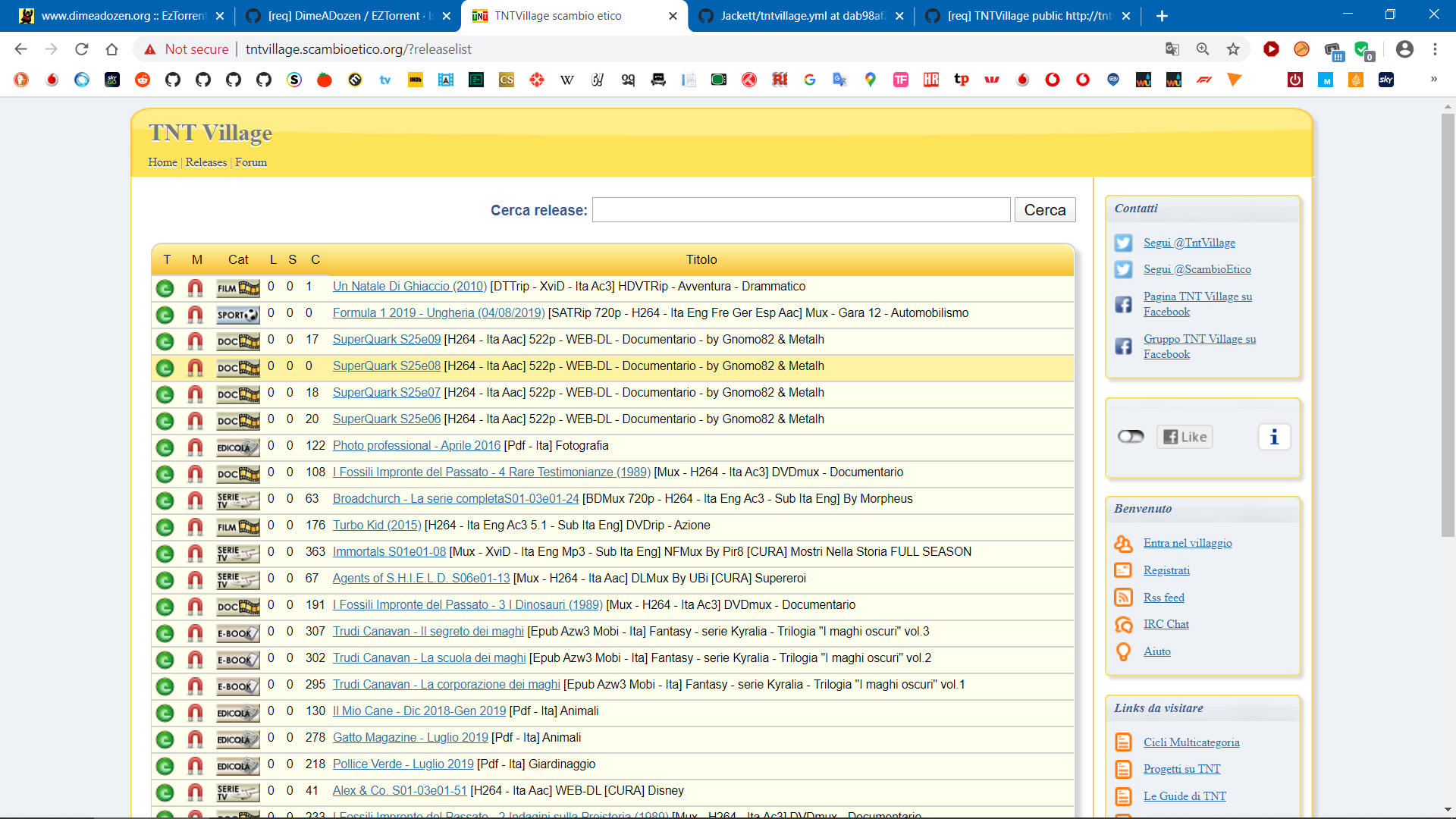
TnT Village shut down in 2019, under pressure from the legal campaigns waged by major publishing conglomerates. But the ideals its members championed throughout those years — ideals that, at the time, I didn't fully understand — were the first thing that came to mind when I heard about the Avatar leak. That, in a nutshell, is why I wanted to write this piece: I hope the concept of ethical piracy persuades more people to respect the artists who worked so hard on this film — and that before any of us reaches for the eye patch, we'll at least wait for the official release together.